Newborn Anemia: Causes, Symptoms & Treatment in Canada

Share
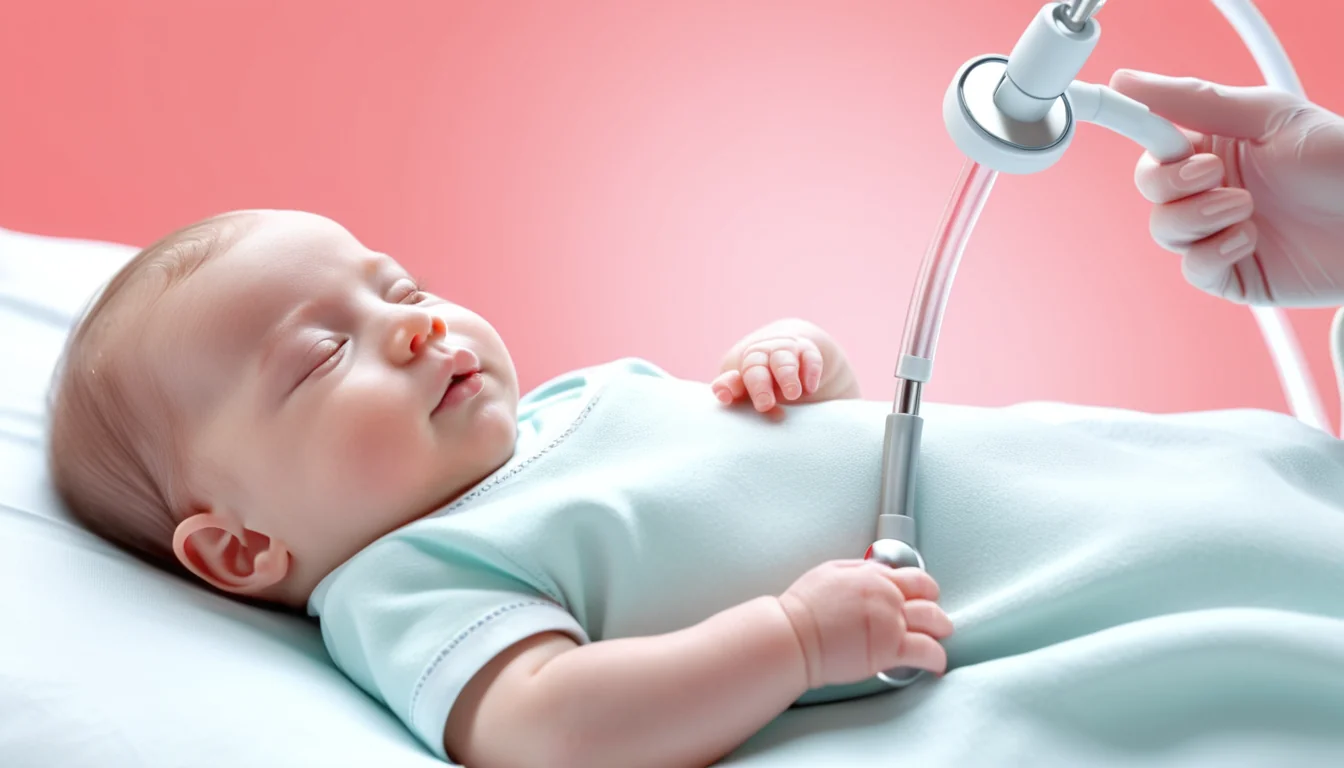
Newborn anemia is a condition where a baby has fewer red blood cells than normal, and it is more common than many Canadian parents realise. It can range from mild to serious, affecting how well oxygen reaches your baby’s developing organs. Understanding the causes, recognizing early signs, and knowing when to seek medical help can make a significant difference in your child’s outcome.
What Causes Newborn Anemia in Canadian Babies?
Also referred to as neonatal anemia, this condition is diagnosed by measuring the number of red blood cells and the level of haemoglobin in a baby’s blood. In Canada, routine newborn screening helps doctors catch low hemoglobin levels early. This article covers the most common neonatal anemia causes, the symptoms parents should watch for, how doctors diagnose the condition, and what treatment options are available. As always, speak with your family doctor or a healthcare provider if you have concerns about your baby’s health.
What Is Newborn Anemia?
| Type of Newborn Anemia | Common Causes | Key Characteristics | Management Approach |
|---|---|---|---|
| Hemolytic Anemia | ABO or Rh blood group incompatibility, G6PD deficiency | Rapid red blood cell breakdown, jaundice within first 24 hours, elevated bilirubin levels | Phototherapy, exchange transfusion in severe cases, intravenous immunoglobulin (IVIG) |
| Hemorrhagic Anemia | Fetal-maternal hemorrhage, placental abruption, twin-to-twin transfusion syndrome | Acute blood loss, pallor, rapid breathing, low blood pressure, weak pulse | Emergency blood transfusion, volume replacement, monitoring in NICU |
| Anemia of Prematurity | Premature birth before 34 weeks, frequent blood draws, low erythropoietin production | Gradual onset at 4–8 weeks of age, poor feeding, slow weight gain, increased apnea episodes | Erythropoietin therapy, iron supplementation, red blood cell transfusion if hemoglobin is critically low |
| Hypoplastic Anemia | Diamond-Blackfan anemia, congenital infections (rubella, CMV), bone marrow suppression | Low reticulocyte count, normal bilirubin, no evidence of blood loss or hemolysis | Corticosteroids, regular transfusions, bone marrow transplant evaluation in severe cases |
| Iron Deficiency Anemia | Inadequate iron stores, multiple gestation, maternal iron deficiency during pregnancy | Typically presents after 4–6 months, fatigue, pale skin, reduced activity, poor appetite | Oral iron supplementation, dietary guidance, follow-up CBC testing through Canadian paediatric care |
Anemia is a blood condition where the body does not have enough red blood cells. Red blood cells carry oxygen to every organ in the body. They do this using a protein called haemoglobin. When haemoglobin levels are too low, organs and tissues do not get enough oxygen.
In newborns, this condition is called neonatal anemia or newborn anemia. Doctors diagnose it by looking at the number of red blood cells and the level of haemoglobin in a baby’s blood. Both values together give a clear picture of the baby’s health.
For more background on how red blood cells work, visit Health Canada’s official health resources.
Common Causes of Newborn Anemia
Newborn anemia has several possible causes. Sometimes only one cause is present. In other cases, multiple causes occur together, making the anemia more severe.
Not Enough Red Blood Cells Being Made
The most common cause of newborn anemia is the body not producing enough red blood cells. In the first few months of life, a baby’s bone marrow — the tissue that makes blood cells — is still developing. As a result, many newborns experience a mild, temporary drop in red blood cell counts.
This is called physiological anemia. It is a normal part of development. However, it can become more serious if the bone marrow is not working properly, or if the baby has a deficit of erythropoietin, the hormone that signals the body to make red blood cells.
Rapid growth also plays a role. Babies grow very quickly in the first months of life, and red blood cell production can struggle to keep up.
Destruction of Red Blood Cells (Haemolysis)
Another major cause of newborn anemia is the breakdown of red blood cells. This process is called haemolysis. Some haemolysis is normal — the body naturally breaks down old red blood cells. However, abnormal haemolysis destroys healthy cells too quickly.
This often happens when the baby’s blood type is not compatible with the mother’s blood type. There are two key systems where this can occur:
- Rh incompatibility: When a baby has Rh-positive blood and the mother has Rh-negative blood, the mother’s immune system may produce antibodies that attack the baby’s red blood cells.
- ABO incompatibility: When a mother has blood type O and the baby has blood type A, B, or AB, the mother’s body may produce antibodies that cross into the baby’s bloodstream and destroy red blood cells.
When red blood cells break down, they release a substance called bilirubin. Bilirubin builds up in the baby’s tissues and causes jaundice — a yellow colouring of the skin and eyes. Jaundice is a common sign of haemolytic newborn anemia.
Learn more about haemolytic disease in newborns at the Mayo Clinic’s newborn health centre.
Blood Loss (Haemorrhage)
Blood loss is a serious cause of newborn anemia. It can happen during a complicated delivery or in newborns who have clotting disorders. Babies in the neonatal intensive care unit (NICU) may also lose small amounts of blood through repeated blood tests needed for monitoring and diagnosis.
In these cases, the cumulative blood loss can contribute to anemia, even though each individual sample is small.
Premature Birth
Premature babies face a higher risk of newborn anemia. Their bone marrow is even less developed than that of full-term babies. Furthermore, the red blood cells of premature babies have a shorter lifespan. Therefore, premature infants often need close monitoring and, in some cases, treatment for anemia.
Infections and Genetic Conditions
In rarer cases, newborn anemia results from infections acquired in the womb or during birth. Certain genetic conditions that affect the structure or function of red blood cells can also cause anemia in newborns. These cases require specialist evaluation.
Signs and Symptoms of Newborn Anemia
Many babies with newborn anemia show no obvious signs at first. Because newborns cannot describe how they feel, parents and doctors must watch for physical clues. Symptoms can also be easy to miss or misinterpret at this age.
Skin Colour Changes
One of the first signs is paleness of the skin. In babies with haemolytic anemia, the skin may look pale with a yellowish tint. This yellow colouring — jaundice — affects the skin and the whites of the eyes.
It is important to note that some degree of jaundice is normal in newborns. However, severe or prolonged jaundice should always be checked by a doctor.
Low Energy and Feeding Problems
A baby with anemia may seem unusually tired or weak compared to other newborns. Low energy is a key sign. The baby may also refuse to feed or show little interest in eating. These behaviours can indicate that the body is not getting enough oxygen.
Breathing and Heart Rate Changes
Because the blood cannot carry enough oxygen, the body tries to compensate. As a result, the baby’s heart rate may increase — a condition called tachycardia. The breathing rate may also rise, which is called tachypnoea.
In severe or long-lasting cases of newborn anemia, more serious problems can develop. These include irregular heartbeat (arrhythmia) and reduced blood flow to organs (ischaemia). These complications require immediate medical care.
How Doctors Diagnose Newborn Anemia
To diagnose newborn anemia, a doctor orders a complete blood count (CBC). This is a standard blood test that counts all the different types of blood cells. It is the most important tool for diagnosing anemia in babies.
The key values a doctor looks at include:
- Haemoglobin level: The protein in red blood cells that carries oxygen. Low haemoglobin confirms anemia.
- Red blood cell count: The total number of red blood cells in the sample.
- Haematocrit: The percentage of blood volume made up of red blood cells.
- Reticulocyte count: The percentage of young, immature red blood cells. A high count means the body is actively trying to make more red blood cells. A low count may suggest a production problem.
In some cases, the doctor may also order blood type testing, bilirubin levels, or additional tests to find the cause of the anemia. For further reading on blood count testing, see Healthline’s guide to complete blood count tests.
Treatment Options for Newborn Anemia
Treatment for newborn anemia depends on the cause and how severe it is. A neonatologist — a doctor who specialises in newborn care — will lead the treatment plan.
Blood Transfusion
For anemia caused by blood loss, the first step is often a blood transfusion. Doctors also give intravenous fluids to restore fluid balance. Iron supplements may be added if needed to support red blood cell production.
Treating Haemolytic Anemia
Haemolytic newborn anemia — caused by blood type incompatibility — requires specific treatment. A hematology specialist will usually be involved. Treatment may include phototherapy (light therapy) for jaundice, and in severe cases, a special type of transfusion called an exchange transfusion.
Stimulating Red Blood Cell Production
When the main problem is that the body is not making enough red blood cells, doctors may use medications to stimulate production. These include erythropoietin injections and iron supplementation. Babies receiving this treatment are closely monitored throughout.
In most cases, newborns with significant anemia are admitted to hospital for treatment and monitoring. This is standard practice across Canadian hospitals, including both community hospitals and major children’s health centres.
When to See a Doctor
If you notice any signs of newborn anemia in your baby, contact your family doctor as soon as possible. Do not wait for a scheduled appointment if your baby looks pale, seems unusually tired, is breathing rapidly, or is refusing to feed.
If your family doctor is not immediately available, a walk-in clinic can assess your baby. For urgent symptoms — such as rapid breathing, blue-tinged lips, or extreme lethargy — go directly to your nearest emergency department or call 911.
Routine newborn check-ups through your provincial health plan are the best way to catch anemia early. In Canada, most provinces cover newborn screening and well-baby visits. Ask your healthcare provider about the schedule recommended in your province.
This article is for informational purposes only. Always consult a qualified healthcare provider for medical advice specific to your baby’s needs.
Frequently Asked Questions About Newborn Anemia
What are the first signs of newborn anemia?
The most common early signs of newborn anemia include pale or yellowish skin, low energy, and poor feeding. Some babies also breathe faster than normal or have a rapid heart rate. Because these signs can be subtle, regular check-ups with your family doctor are important.
Is newborn anemia common in Canada?
Yes, some degree of newborn anemia is very common, especially in the first few months of life. Mild physiological anemia affects many babies as their bone marrow matures. Premature babies are at an even higher risk and are monitored closely in Canadian NICUs.
Can newborn anemia go away on its own?
Mild physiological newborn anemia often resolves on its own as the baby’s bone marrow develops and begins producing more red blood cells. However, more severe forms — caused by blood loss, haemolysis, or genetic conditions — require medical treatment. Always follow your doctor’s guidance.
How is newborn anemia treated?
Treatment for newborn anemia depends on the cause. Options include blood transfusions, iron supplements, erythropoietin injections, and phototherapy for jaundice. A neonatologist will create a treatment plan based on the baby’s specific condition and severity of anemia.
What is the difference between physiological anemia and pathological anemia in newborns?
Physiological anemia is a normal, temporary drop in red blood cells that most babies experience in the first months of life as their bone marrow matures. Pathological newborn anemia is caused by an underlying problem — such as haemolysis, blood loss, or a genetic condition — and requires medical treatment.
Does jaundice in newborns mean they have anemia?
According to Mayo Clinic’s overview of anemia symptoms and causes, this information is supported by current medical research.
For more information, read our guide on hemoglobin blood test results and what they mean in Canada.
Not always, but jaundice can be a sign of haemolytic newborn anemia. When red blood cells break down too quickly, they release bilirubin, which causes the skin and eyes to turn yellow. Mild jaundice is common and often harmless, but persistent or severe jaundice should be evaluated by a doctor right away.
Key Takeaways
- Newborn anemia means a baby has too few red blood cells or too little haemoglobin to carry enough oxygen.
- The most common causes are low red blood cell production, haemolysis (red blood cell destruction), blood loss, and premature birth.
- Signs include pale or yellow skin, low energy, poor feeding, and fast breathing or heart rate.
- Diagnosis is made with a complete blood count (CBC) — a standard blood test.
- Treatment depends on the cause and may include transfusions, iron supplements, or medications to boost red blood cell production.
- Mild physiological anemia often resolves on its own, but medical anemia requires proper care.
- If you are concerned about your baby, contact your family doctor, visit a walk-in clinic, or go to the emergency department for urgent symptoms.
- Well-baby visits covered by your provincial health plan are the best way to catch anemia early.
Frequently Asked Questions
What is newborn anemia?
Newborn anemia is a condition where a baby has fewer red blood cells or less hemoglobin than normal, reducing the blood’s ability to carry oxygen. It affects many Canadian newborns, particularly premature babies. Causes include blood loss during delivery, rapid red blood cell breakdown, or insufficient red blood cell production.
What are the symptoms of newborn anemia?
Symptoms of newborn anemia include pale or yellowish skin, poor feeding, rapid breathing, low energy or excessive sleepiness, a fast or irregular heartbeat, and poor weight gain. Premature infants may show fewer obvious signs, making routine blood monitoring in neonatal units especially important for early detection.
How is newborn anemia treated in Canada?
Treatment depends on severity. Mild cases may only require careful monitoring and nutritional support, including iron supplementation. More severe newborn anemia may need a blood transfusion or erythropoietin therapy to stimulate red blood cell production. Treatment is typically managed by a neonatologist or pediatrician in a hospital setting.
Can newborn anemia be prevented?
Some cases can be prevented by delaying umbilical cord clamping at birth, which transfers additional blood to the baby. Ensuring adequate maternal iron intake during pregnancy also helps. For premature infants, minimizing blood draws and using erythropoietin-stimulating agents are common preventive strategies used in Canadian neonatal intensive care units.
When should I take my baby to the doctor for anemia?
Seek immediate medical attention if your baby appears very pale, has bluish lips, breathes rapidly, feeds poorly, or seems unusually lethargic. In Canada, contact your pediatrician or visit the nearest emergency department promptly. Early diagnosis is critical, as untreated severe anemia can affect your newborn’s organ development and overall health.

About the Author
Dr. Linda Chen, RD, PhDDr. Linda Chen is a registered dietitian and PhD in Nutritional Sciences from the University of British Columbia. With expertise in clinical nutrition, sports dietetics, and gut health, she has worked with leading Canadian hospitals and sports organizations. Dr. Chen is a member of Dietitians of Canada and regularly contributes to national nutrition policy discussions.
View all articles →