Nutritional Anemia: Natural Remedies & Diet Tips (Canada)

Share
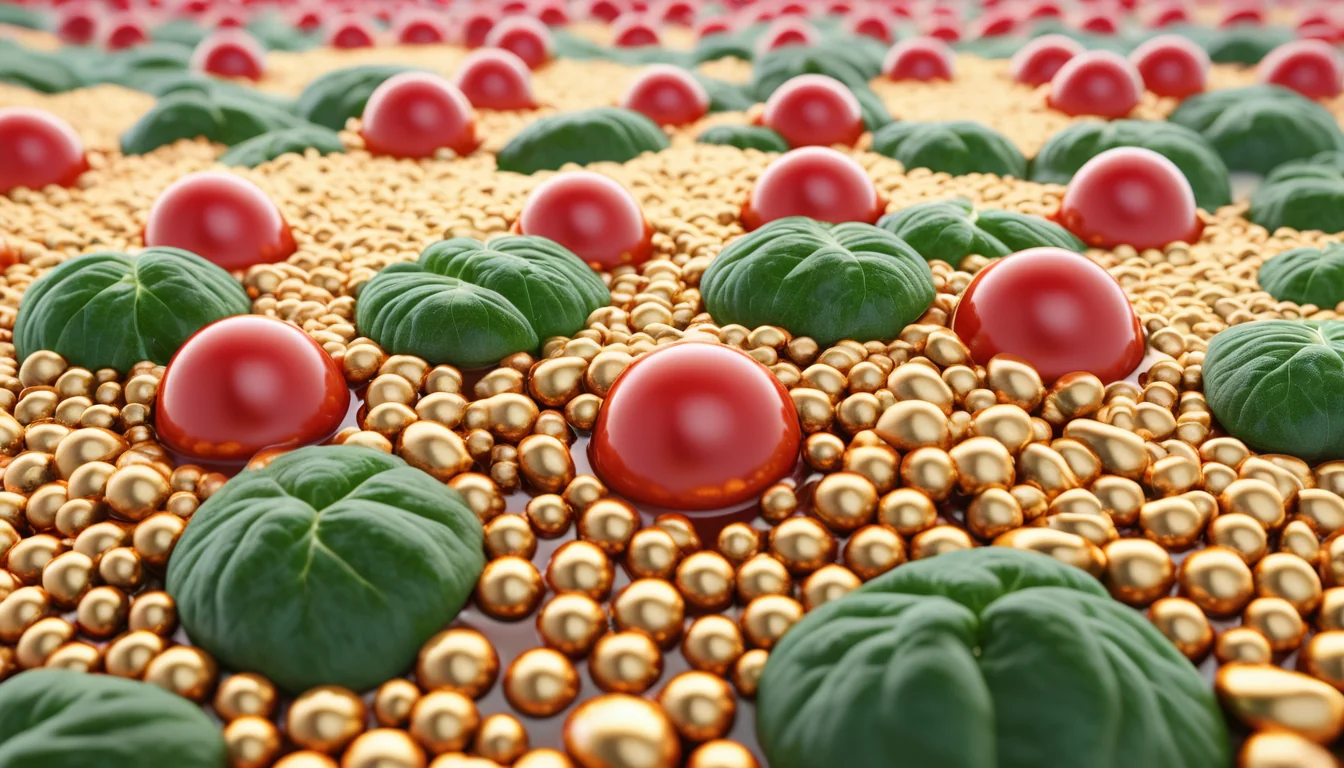
Nutritional anemia is one of the most common blood disorders affecting Canadians, and it happens when your body lacks the essential nutrients needed to produce healthy red blood cells. Iron, vitamin B12, and folic acid are the primary nutrients involved, and when levels drop too low, your blood struggles to deliver enough oxygen to tissues throughout your body.
What Is Nutritional Anemia and Why Does It Affect Canadians?
The good news is that many Canadians can manage mild cases with natural remedies for anemia and targeted dietary changes. From iron-rich foods like spinach and red meat to vitamin B12 supplements, there are practical steps you can take at home. This article explains exactly what nutritional anemia is, which foods and lifestyle habits may support recovery, and when it is time to see your family doctor for proper testing and treatment.
What Is Nutritional Anemia?
| Type of Nutritional Anemia | Key Characteristics | Common Causes | Management Approach |
|---|---|---|---|
| Iron-Deficiency Anemia | Low hemoglobin, small pale red blood cells (microcytic), fatigue, pale skin | Poor dietary iron intake, heavy menstruation, pregnancy, malabsorption | Iron-rich foods (red meat, legumes, spinach), vitamin C pairing, iron supplements as directed by a physician |
| Vitamin B12 Deficiency Anemia | Large abnormal red blood cells (megaloblastic), nerve tingling, cognitive changes, fatigue | Vegan or vegetarian diet, pernicious anemia, Crohn’s disease, aging | B12-fortified foods, dairy, eggs, fish; oral or injectable B12 supplements prescribed by a Canadian healthcare provider |
| Folate-Deficiency Anemia | Megaloblastic red blood cells, mouth sores, fatigue, neural tube risks in pregnancy | Low intake of leafy greens, alcohol use, pregnancy, malabsorption disorders | Dark leafy greens, beans, fortified cereals; folic acid supplements (Health Canada recommends 0.4–1 mg daily during pregnancy) |
| Vitamin C Deficiency Anemia | Impaired iron absorption, fatigue, bleeding gums, slow wound healing | Low fruit and vegetable intake, smoking, restrictive diets | Citrus fruits, bell peppers, strawberries, broccoli; vitamin C supplements to enhance iron absorption |
| Copper-Deficiency Anemia | Microcytic or normocytic anemia, neurological symptoms, bone abnormalities | Excessive zinc supplementation, malabsorption, bariatric surgery | Shellfish, nuts, seeds, whole grains; copper supplementation under medical supervision |
Your body makes roughly 100 million new blood cells every day inside your bone marrow. Red blood cells carry oxygen from your lungs to every part of your body. They make up about half of your total blood volume.
The main building blocks for red blood cells are iron, protein, vitamin B12, and folic acid. Iron and protein are especially important because they form haemoglobin — the red pigment that gives blood its colour and carries oxygen. A healthy red blood cell lives for about 120 days before your body breaks it down and replaces it.
Normal haemoglobin levels sit between 12 and 15 grams per decilitre of blood, though this varies by age and sex. A healthy person also has between 3.5 and 5 million red blood cells per millilitre of blood. When these numbers fall below normal, nutritional anemia develops. According to the World Health Organization, anemia is one of the most common health conditions worldwide.
Common Signs of Nutritional Anemia
Many Canadians live with nutritional anemia without realising it. Symptoms can develop slowly and may feel like everyday tiredness. However, paying attention to these signs is important.
Common symptoms include:
- Persistent fatigue and low energy
- Pale skin or pale colour inside the eyelids
- Shortness of breath with light activity
- Dizziness or headaches
- Cold hands and feet
- Difficulty concentrating
These symptoms appear because your tissues are not receiving enough oxygen. If you notice several of these signs together, it is a good reason to speak with your family doctor or visit a walk-in clinic.
Key Nutrients That Fight Nutritional Anemia
Iron
Iron is the most important mineral for preventing nutritional anemia. Your body uses iron to build haemoglobin inside red blood cells. Without enough iron, your cells cannot carry oxygen properly.
Good food sources of iron include spinach, lentils, kidney beans, pumpkin seeds, and lean red meat. Eating vitamin C alongside iron-rich foods helps your body absorb the iron more effectively. For example, squeezing lemon juice over a spinach salad is a simple way to boost absorption.
Vitamin B12
Vitamin B12 is essential for both preventing and treating nutritional anemia. Your body needs B12 to produce healthy red blood cells and to keep your nervous system working well. This vitamin is found mainly in animal-based foods.
Rich sources of B12 include liver, kidney, beef, eggs, and dairy products such as milk, cheese, and yoghurt. People who follow a vegan or plant-based diet are at higher risk of B12 deficiency. In that case, a supplement or fortified foods may be needed — always check with your doctor first.
Folic Acid
Folic acid, also known as folate or vitamin B9, works alongside B12 to support red blood cell production. Low folic acid levels are a common cause of nutritional anemia, especially in teenagers and pregnant women. Leafy green vegetables, legumes, and fortified cereals are excellent sources.
Natural Remedies That May Support Healthy Red Blood Cells
Several everyday foods are known to support iron levels and red blood cell production. These are not replacements for medical treatment, but they can be helpful as part of a balanced diet. The iron-rich plant foods guide from Healthline offers a useful overview of plant-based options.
Beetroot
Beetroot is rich in iron, potassium, calcium, phosphorus, and several B vitamins. Drinking fresh beetroot juice may help support the formation of red blood cells. It is a particularly gentle option for children and teenagers who need to boost their iron intake naturally.
Spinach
Spinach is one of the most well-known iron-rich vegetables. It also contains folic acid, which is another key nutrient for fighting nutritional anemia. Adding spinach to smoothies, soups, or stir-fries is an easy way to include it in your daily meals.
Soybeans and Soy Milk
Soybeans are high in both iron and protein — two nutrients essential for building haemoglobin. Many people with nutritional anemia also experience digestive issues. Soy milk is easier to digest than some other protein sources and can be a practical daily addition.
Almonds
Almonds contain copper, which works together with iron and vitamins to support haemoglobin production. One traditional remedy suggests soaking seven almonds in water for about two hours, removing the skins, and grinding them into a paste. Eating this paste once every morning for up to three months may offer gentle support — though you should discuss any long-term remedy with your doctor.
Black Sesame Seeds
Black sesame seeds are a good source of iron and are used in many traditional health practices. One method involves soaking a teaspoon of black sesame seeds in warm water for a few hours. The seeds can then be blended into a cup of warm milk, sweetened lightly with honey, and consumed daily.
Honey
Honey contains small amounts of iron, copper, and magnesium. Together, these minerals may help support haemoglobin production. While honey alone will not treat nutritional anemia, it can be a pleasant addition to an iron-supportive diet.
Other Iron-Rich Foods to Include
Furthermore, many common fruits and vegetables also contribute to healthy iron levels. These include bananas, prunes, red grapes, strawberries, raisins, onions, squash, carrots, radishes, tomatoes, and celery. Adding a variety of these foods to your daily diet creates a strong nutritional foundation.
Diet Tips for Managing Nutritional Anemia
Diet plays a central role in both preventing and managing nutritional anemia. What you eat — and what you avoid — can make a real difference to your iron levels over time.
Foods to focus on:
- Fresh fruits and vegetables, especially leafy greens
- Legumes such as lentils, chickpeas, and kidney beans
- Whole grains, nuts, and seeds
- Lean meats, fish, and eggs
- Dairy products or fortified plant-based alternatives
Foods to limit:
- White bread and white rice
- Refined sugar and desserts
- Processed and packaged foods low in nutrients
According to Mayo Clinic’s guidance on iron deficiency anemia, eating iron-rich foods consistently is one of the most effective long-term strategies. However, dietary changes alone may not be enough for everyone, and medical supervision is always recommended.
Some practitioners also suggest starting with a short fruit-focused diet for several days, followed by a period of fruit and milk, before transitioning to a fully balanced diet. However, any structured dietary programme should be discussed with a registered dietitian or your family doctor before you begin.
Lifestyle Habits That Support Recovery
Beyond diet, certain daily habits may help support your body’s ability to produce healthy red blood cells.
Light exercise and walking improve circulation and help oxygen move more efficiently through your body. Even a short daily walk can make a difference. Start slowly and increase your activity level as your energy improves.
Breathing exercises are also recommended for people managing nutritional anemia. Deep, slow breathing helps your lungs take in more oxygen, which supports tissues throughout your body. Simple techniques like diaphragmatic breathing can be practised at home.
Sunlight exposure in moderate amounts supports overall wellbeing and may help stimulate red blood cell production. A short daily walk outdoors combines light activity and sunshine — a simple and accessible habit for most Canadians.
When to See a Doctor
Natural remedies and dietary changes can support your health, but they are not a substitute for medical care. If you suspect you have nutritional anemia, the most important first step is to speak with your family doctor or visit a walk-in clinic.
Your doctor can order a simple blood test called a complete blood count (CBC) to confirm whether you have anemia and identify its cause. This matters because different types of anemia require different treatments. For example, iron deficiency anemia and B12 deficiency anemia are managed differently.
You should seek medical attention promptly if you experience:
- Extreme fatigue that interferes with daily life
- Chest pain or shortness of breath at rest
- Fainting or near-fainting episodes
- A very rapid or irregular heartbeat
- Symptoms in a child or infant
Most provincial health plans in Canada cover blood tests and doctor visits for conditions like nutritional anemia. If you do not have a family doctor, a walk-in clinic can provide an initial assessment and referral if needed. Always consult a qualified healthcare provider before starting any new supplement or structured dietary programme.
What is nutritional anemia and what causes it?
Nutritional anemia occurs when your body lacks key nutrients needed to produce healthy red blood cells. The most common causes are low levels of iron, vitamin B12, or folic acid, often due to a poor diet or difficulty absorbing nutrients. In Canada, it affects people of all ages but is especially common in teenagers, pregnant women, and older adults.
What foods are best for treating nutritional anemia naturally?
Iron-rich foods like spinach, lentils, soybeans, beetroot, and sesame seeds are among the best natural supports for nutritional anemia. Vitamin B12 sources such as meat, eggs, and dairy are also important, as is folic acid found in leafy greens and legumes. Eating a balanced, varied diet is the most effective long-term strategy.
How do I know if I have nutritional anemia?
Common signs of nutritional anemia include persistent fatigue, pale skin, dizziness, shortness of breath, and difficulty concentrating. However, these symptoms can also be caused by other conditions. The only way to confirm nutritional anemia is through a blood test ordered by your family doctor or a walk-in clinic.
Can vitamin B12 deficiency cause anemia?
Yes, vitamin B12 deficiency is a well-known cause of nutritional anemia, specifically a type called megaloblastic anemia. Without enough B12, your body produces red blood cells that are too large and do not function properly. People who follow a vegan diet or have absorption issues are at higher risk and may need supplements.
Is nutritional anemia covered by provincial health plans in Canada?
In most Canadian provinces, visits to a family doctor or walk-in clinic and standard blood tests for nutritional anemia are covered by provincial health plans. If your doctor recommends iron supplements or B12 injections, coverage for these may vary by province and individual health benefit plan. Check with your provincial health authority or pharmacist for details specific to your situation.
How long does it take to recover from nutritional anemia?
According to Health Canada’s guidelines on iron and nutrient intake, this information is supported by current medical research.
For more information, read our guide on blood tests explained for Canadians.
Recovery time from nutritional anemia depends on the cause and severity. With the right dietary changes or supplements, many people begin to feel better within a few weeks, but restoring normal iron or B12 levels can take three to six months or longer. Your doctor will monitor your progress through follow-up blood tests to make sure your levels are improving safely.
Key Takeaways
- Nutritional anemia develops when your body lacks iron, vitamin B12, or folic acid.
- Red blood cells and haemoglobin depend on these nutrients to carry oxygen throughout your body.
- Iron-rich foods like spinach, lentils, beetroot, and soybeans can support healthy red blood cell production.
- Vitamin B12, found in animal products and fortified foods, is essential for preventing anemia — especially for those on plant-based diets.
- Limiting white bread, white rice, and refined sugar helps preserve your body’s iron stores.
- Light exercise, breathing exercises, and moderate sun exposure support overall recovery.
- Always speak with your family doctor or visit a walk-in clinic before starting supplements or a new dietary programme.
- Most provincial health plans in Canada cover blood tests to diagnose nutritional anemia.
Frequently Asked Questions
What is nutritional anemia?
Nutritional anemia is a condition where the body lacks enough healthy red blood cells due to insufficient intake of key nutrients, primarily iron, vitamin B12, or folate. It is one of the most common forms of anemia in Canada and can develop gradually, often going unnoticed until symptoms become significant.
What are the most common symptoms of nutritional anemia?
Common symptoms include persistent fatigue, weakness, pale or yellowish skin, shortness of breath, dizziness, cold hands and feet, brittle nails, and difficulty concentrating. Symptoms may appear mild at first but worsen as nutrient deficiencies deepen. Many Canadians mistake early signs for general tiredness or stress.
What foods help treat nutritional anemia naturally?
Iron-rich foods like lean red meat, lentils, spinach, tofu, and fortified cereals are highly effective. Pairing them with vitamin C sources such as bell peppers or oranges improves iron absorption. For B12 deficiency, eggs, dairy, salmon, and fortified plant-based milks are recommended, especially for vegetarians and vegans.
How can you prevent nutritional anemia through diet?
Preventing nutritional anemia involves eating a balanced diet rich in iron, vitamin B12, and folate daily. Canadians should include leafy greens, legumes, whole grains, eggs, and lean proteins regularly. Avoiding excess tea or coffee with meals helps, as tannins can block iron absorption significantly.
When should you see a doctor for nutritional anemia in Canada?
See a doctor if you experience persistent fatigue, unexplained weakness, heart palpitations, or shortness of breath lasting more than two weeks. Canadians with confirmed deficiencies, pregnancy, chronic illness, or those following restrictive diets should seek medical evaluation promptly, as prescription supplements or injections may be necessary.

About the Author
Dr. James Okafor, MD, PhDDr. James Okafor holds an MD and PhD in Neurological Sciences from McGill University. With 12 years of experience in clinical neurology and mental health research, he has contributed to landmark studies on depression, anxiety, and cognitive health. Dr. Okafor is a Fellow of the Royal College of Physicians and Surgeons of Canada and serves on the editorial board of two peer-reviewed journals.
View all articles →