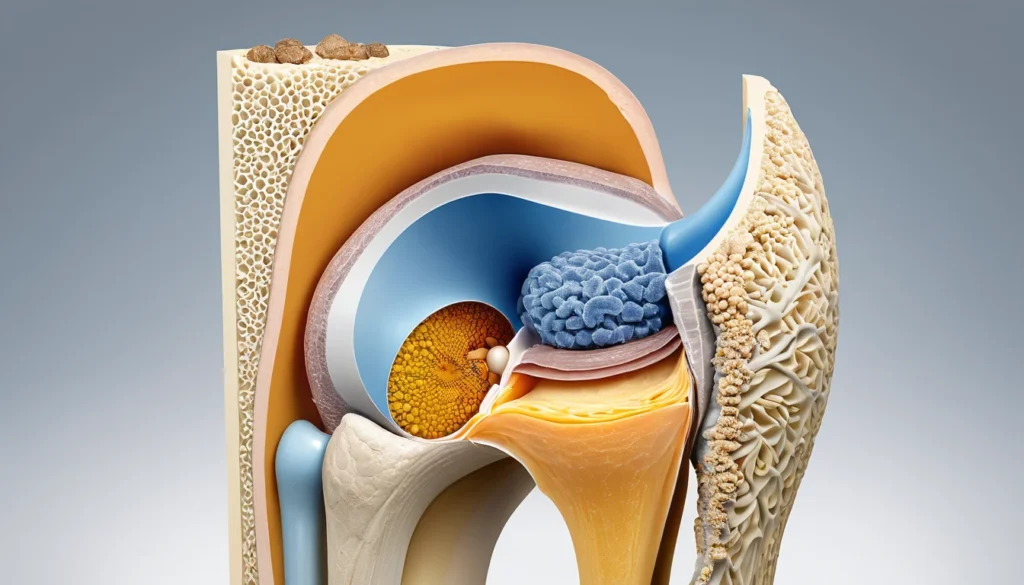
Reactive arthritis is a type of joint inflammation that develops one to four weeks after a bacterial infection elsewhere in your body, and it is one of the most common forms of post-infectious arthritis seen by Canadian healthcare providers. It most often follows an intestinal or urinary tract infection and tends to affect adults between the ages of 20 and 40. While it can be uncomfortable and disruptive, most people in Canada recover well with timely diagnosis and appropriate care.
What Causes Reactive Arthritis and Who Is at Risk?
Understanding reactive arthritis symptoms early can make a significant difference in recovery time and quality of life. This condition is classified as a seronegative spondyloarthropathy, meaning it belongs to a group of inflammatory joint diseases that do not produce a positive rheumatoid factor in blood tests. In plain terms, your immune system overreacts to an infection and mistakenly begins attacking your own joints, eyes, and other tissues. This guide explains what causes reactive arthritis, what warning signs to watch for, and how it is typically diagnosed and treated across Canada.
What Is Reactive Arthritis?
Common Symptoms of Reactive Arthritis: Description and Severity
| Symptom | Description | Severity | Typical Duration |
|---|---|---|---|
| Joint Pain and Swelling | Asymmetric inflammation most commonly affecting knees, ankles, and feet; joints may feel warm and tender to the touch | Moderate to Severe | 1–6 months |
| Urethritis or Cervicitis | Burning sensation during urination, increased urinary frequency, or unusual discharge; often the initial triggering infection site | Mild to Moderate | Days to weeks |
| Eye Inflammation (Conjunctivitis/Uveitis) | Redness, irritation, light sensitivity, or blurred vision; uveitis requires prompt ophthalmologic assessment to prevent vision loss | Mild to Severe | Days to several weeks |
| Skin Lesions (Keratoderma Blennorrhagica) | Hard, crusty sores resembling psoriasis appearing on the soles of feet or palms of hands; painless but visually distinctive | Mild to Moderate | Weeks to months |
| Oral Ulcers | Shallow, painless sores on the tongue or inside of the mouth; often overlooked due to minimal discomfort | Mild | Days to 2 weeks |
| Fatigue and Low-Grade Fever | Persistent tiredness and mild fever reflecting the body’s systemic inflammatory response associated with reactive arthritis | Mild to Moderate | Throughout active flare |
Reactive arthritis is classified as a seronegative spondyloarthropathy — a group of inflammatory joint diseases that do not show a positive rheumatoid factor in blood tests. In simple terms, it means your immune system overreacts to an infection and mistakenly attacks your joints.
It is different from infectious arthritis. In infectious arthritis, bacteria are found directly inside the joint. In reactive arthritis, the joint itself is not infected. Instead, the inflammation is triggered by your immune system’s response to bacteria elsewhere in your body.
Reactive arthritis affects roughly 30 to 40 people per 100,000. It does not appear to favour any particular race or sex, though some studies suggest it may be diagnosed more often in men due to differences in how urinary tract infections present.
What Causes Reactive Arthritis?
Two main factors work together to cause reactive arthritis: a genetic factor and an infectious trigger.
Genetic Risk Factor: HLA-B27
People who carry a gene called HLA-B27 are significantly more likely to develop reactive arthritis after an infection. This gene is found in 60 to 80 percent of people diagnosed with the condition. Another gene called TAP (the antigen peptide transporter) also appears to play a role.
Having HLA-B27 does not mean you will definitely develop reactive arthritis. However, it does raise your risk considerably if you are exposed to certain bacterial infections.
Infectious Triggers
The bacteria most commonly linked to reactive arthritis share a few key traits. They can attach easily to cell membranes, invade the lining of the gut or urinary tract, and survive inside cells for a period of time.
Common intestinal (enteral) bacteria that can trigger reactive arthritis include:
Shigella — a cause of severe diarrhoea
Salmonella — often linked to food poisoning
Campylobacter — one of the most common causes of food-borne illness in Canada
Yersinia — less common but well documented
Common urogenital bacteria that can trigger reactive arthritis include:
Chlamydia trachomatis — a sexually transmitted infection
Ureaplasma urealyticum — found in the urinary and genital tract
For more information on bacterial infections in Canada, visit Health Canada’s official health resource page.
Symptoms of Reactive Arthritis
Symptoms of reactive arthritis usually appear one to four weeks after the triggering infection. They can affect your joints, skin, eyes, and other parts of your body.
The Triggering Infection
The initial infection may cause diarrhoea, stomach cramps, or symptoms of a urinary tract infection — such as burning during urination, discharge, or pelvic discomfort. In some cases, the original infection is mild and may have gone unnoticed.
General (Systemic) Symptoms
Before or alongside joint pain, you may feel generally unwell. Common systemic symptoms include:
Fatigue and low energy
Unintentional weight loss
Fever up to 39°C
Joint Symptoms
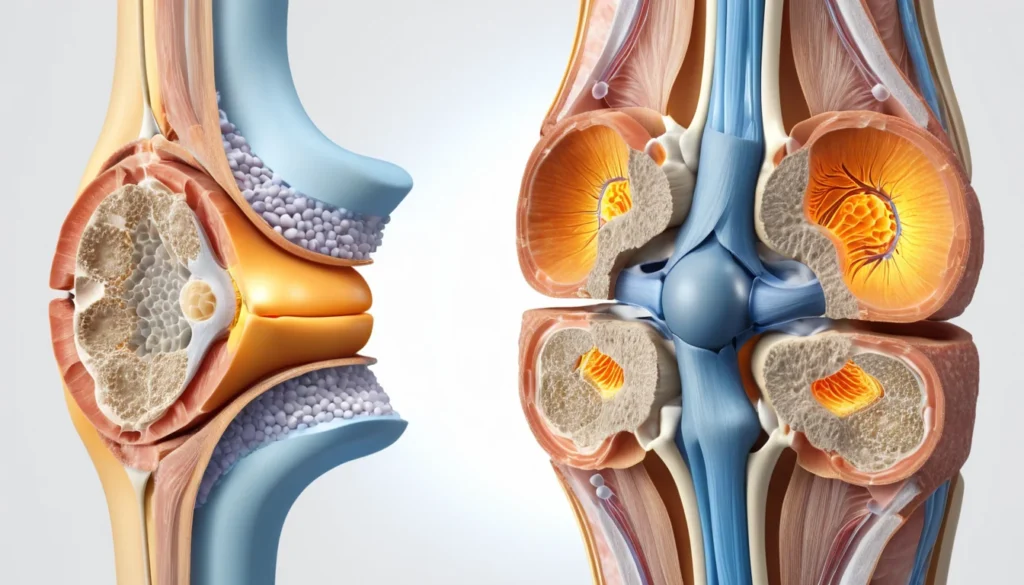
Joint inflammation is the hallmark of reactive arthritis. It most often affects the large joints of the lower limbs — particularly the knees and ankles. The inflammation is typically asymmetric, meaning it may affect one knee but not the other.
Reactive arthritis can also cause:
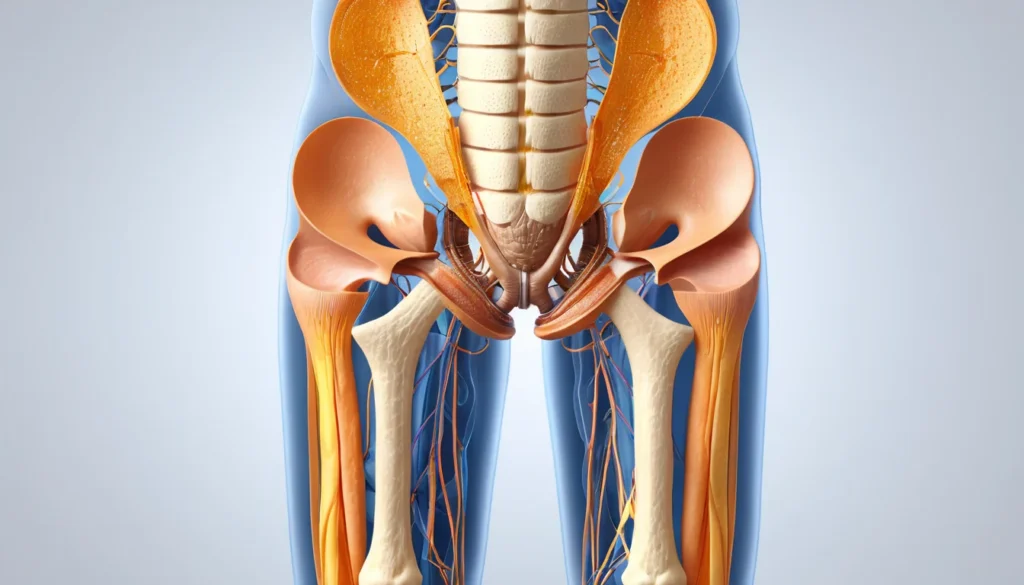
Sacroiliitis — pain and inflammation in the lower back and buttocks area
Spondylitis — inflammatory back pain that is often worse in the morning
Enthesitis — inflammation where tendons or ligaments attach to bone. This commonly causes heel pain (Achilles tendon) or chest wall pain.
Dactylitis — swelling of an entire finger or toe, sometimes called “sausage digit”
In rare cases, reactive arthritis becomes chronic and may affect the smaller joints or upper limb joints as well.
Skin and Mucous Membrane Symptoms
Reactive arthritis can cause distinctive skin changes. Keratoderma blenorrhagicum refers to small, blister-like sores on a red base, usually appearing on the palms and soles of the feet. Another skin finding is circinate balanitis — shallow, painless sores on the tip of the penis.
Painless mouth sores may also occur. Nail changes — including discolouration, thickening, and separation of the nail from the nail bed — can resemble those seen in psoriasis.
Eye Symptoms
Eye involvement is common in reactive arthritis. Conjunctivitis (red, irritated eyes) affects up to two-thirds of people and often appears early in the illness. It tends to be bilateral (both eyes) and may recur.
Anterior uveitis — inflammation deeper inside the eye — is less common but more serious. It is usually one-sided and carries a higher risk of becoming a long-term problem. If you notice eye pain, redness, or vision changes, seek medical attention promptly.
Other Possible Symptoms
In fewer than 10 percent of cases, reactive arthritis can affect the heart, causing inflammation around the aortic root. This may lead to a heart valve problem called aortic insufficiency or irregular heartbeats. Kidney involvement — such as a specific type of inflammation called mesangial glomerulonephritis — and, rarely, neurological symptoms such as peripheral neuropathy have also been reported.
For a broader overview of inflammatory arthritis, the Mayo Clinic’s guide to reactive arthritis is a helpful resource.
How Is Reactive Arthritis Diagnosed?
There is no single test that confirms reactive arthritis. Your doctor will piece together information from your medical history, a physical exam, blood tests, and sometimes imaging.
Blood Tests
Blood tests typically show signs of inflammation. Your doctor may look for:
Elevated ESR (erythrocyte sedimentation rate) — often above 60 mm/h
Elevated C-reactive protein (CRP) — a marker of active inflammation
Elevated white blood cell count (leucocytosis)
Mild anaemia from chronic inflammation
Negative rheumatoid factor and negative antinuclear antibodies — which helps rule out other conditions
HLA-B27 positive in 60–80% of cases
Joint Fluid Analysis
If a joint is significantly swollen, your doctor may draw fluid from it (called a joint aspiration). In reactive arthritis, the fluid shows a high number of white blood cells but no bacteria — unlike in infectious arthritis where bacteria are present.
Imaging
X-rays are usually normal in the early stages of reactive arthritis. In the acute phase, they may show soft tissue swelling. In chronic or recurring cases, X-rays may reveal bone erosions, new bone formation (periostitis), or sacroiliac joint changes.
Ruling Out Other Conditions
Your doctor will also consider other diagnoses. Reactive arthritis must be distinguished from gonococcal arthritis (caused by gonorrhoea, which is more common in women and tends to affect multiple joints), as well as from other seronegative spondyloarthropathies such as psoriatic arthritis and ankylosing spondylitis.
Treatment Options for Reactive Arthritis
Treatment for reactive arthritis focuses on reducing inflammation and managing symptoms. Most people improve significantly within a few months.
Anti-Inflammatory Medications (NSAIDs)
The first-line treatment for reactive arthritis is non-steroidal anti-inflammatory drugs (NSAIDs). These include medications like indomethacin or diclofenac, taken in higher doses over several weeks until the arthritis settles. Your doctor will advise the right dose and duration for your situation.
If you cannot tolerate standard NSAIDs — for example, due to stomach sensitivity — your doctor may recommend a COX-2 inhibitor such as celecoxib (Celebrex). This type of medication is gentler on the stomach while still controlling inflammation.
Corticosteroids
In cases where NSAIDs are not enough, your doctor may recommend a corticosteroid injection directly into the affected joint. This can provide fast, targeted relief. Oral corticosteroids may also be used in some situations, but typically for short periods.
Antibiotics
If the triggering infection — such as a chlamydia infection — is still active, antibiotics are necessary to clear it. However, antibiotics do not directly treat the arthritis itself once the immune response has already begun.
Disease-Modifying Therapy
In cases where reactive arthritis becomes chronic or does not respond well to NSAIDs, your doctor may refer you to a rheumatologist. Medications such as sulfasalazine or methotrexate are sometimes used for long-term management. Physiotherapy can also help maintain joint function and reduce stiffness.
Learn more about managing arthritis through the Healthline guide on reactive arthritis management.
When to See a Doctor
You should contact your family doctor if you develop joint pain or swelling — especially in the weeks following a stomach illness, food poisoning, or a urinary tract infection. Early diagnosis and treatment can prevent complications and shorten the duration of your symptoms.
If you do not have a family doctor, a walk-in clinic can assess your symptoms and refer you for blood tests or specialist care as needed. Most provincial health plans in Canada — including those in Ontario, British Columbia, Alberta, and Quebec — cover the diagnostic tests and specialist visits required for reactive arthritis.
Seek urgent care if you experience:
Sudden, severe eye pain or vision changes
Chest pain or irregular heartbeat
Rapidly worsening joint swelling with fever
Always speak with a qualified healthcare provider before starting or stopping any medication. This article is for informational purposes only and does not replace professional medical advice.
Frequently Asked Questions About Reactive Arthritis
How long does reactive arthritis last?
Most cases of reactive arthritis resolve within three to six months with proper treatment. However, in roughly 15 to 20 percent of people, reactive arthritis can become a chronic condition that requires ongoing management with a rheumatologist.
Is reactive arthritis contagious?
Reactive arthritis itself is not contagious. However, the bacterial infections that trigger it — such as Chlamydia or Salmonella — can be passed from person to person. Treating the underlying infection promptly can protect both you and others.
Can reactive arthritis come back after it has cleared up?
Yes, reactive arthritis can recur, particularly if you are exposed to a triggering infection again. People who carry the HLA-B27 gene are at higher risk of repeated episodes. Maintaining good hygiene and promptly treating any infections can help reduce this risk.
What is the difference between reactive arthritis and rheumatoid arthritis?
Reactive arthritis is triggered by a specific bacterial infection and is often temporary. Rheumatoid arthritis is a chronic autoimmune disease not linked to infection and typically affects joints symmetrically. Blood tests also differ: reactive arthritis shows a negative rheumatoid factor, while rheumatoid arthritis is usually positive.
Does reactive arthritis show up on X-rays?
In the early stages, X-rays may appear normal or show only soft tissue swelling. In chronic or recurring reactive arthritis, X-rays may reveal changes in the sacroiliac joints, bone erosions, or new bone formation. Your doctor may also use MRI for more detailed imaging.
Who is most at risk for reactive arthritis in Canada?
According to Mayo Clinic’s overview of reactive arthritis, this information is supported by current medical research.
For more information, read our guide on understanding your urine test results in Canada.
Reactive arthritis most commonly affects adults between the ages of 20 and 40. People who carry the HLA-B27 gene face a significantly higher risk. Canadians who have experienced food-borne illness — such as from Campylobacter or Salmonella — or a urinary tract infection from Chlamydia are also at increased risk of developing the condition.
Key Takeaways
Reactive arthritis
Frequently Asked Questions
What is reactive arthritis?
Reactive arthritis is a type of inflammatory arthritis that develops as a reaction to an infection elsewhere in the body, typically in the urinary tract, genitals, or digestive system. It causes joint pain, swelling, and inflammation, usually affecting the knees, ankles, and feet. It is not contagious and often resolves within months.
What are the symptoms of reactive arthritis?
Common symptoms of reactive arthritis include joint pain, swelling, and stiffness — particularly in the knees, ankles, and heels. Additional symptoms may include eye inflammation (conjunctivitis), urinary discomfort, skin rashes, mouth sores, and fatigue. Symptoms typically appear one to four weeks after the triggering infection.
How is reactive arthritis treated in Canada?
Reactive arthritis treatment focuses on relieving symptoms and clearing any remaining infection. Canadian doctors typically prescribe NSAIDs for joint pain, antibiotics if infection persists, and corticosteroids for severe inflammation. In chronic cases, disease-modifying drugs like sulfasalazine may be recommended. Most patients recover fully within three to twelve months.
Can reactive arthritis be prevented?
Reactive arthritis cannot always be prevented, but reducing infection risk lowers your chances significantly. Practising safe sex helps prevent sexually transmitted triggers like chlamydia, while proper food handling reduces the risk of bacterial gastrointestinal infections. People with the HLA-B27 genetic marker are more susceptible and should be especially cautious.
When should I see a doctor for reactive arthritis?
See a doctor promptly if you develop joint pain, swelling, or eye inflammation following a recent urinary, genital, or gastrointestinal infection. Early medical assessment is important to confirm the diagnosis, treat lingering infection, and prevent joint damage. Seek urgent care if you experience severe eye pain or sudden vision changes.