
Urine Amylase Test: Results & Guide for Canadians

Share
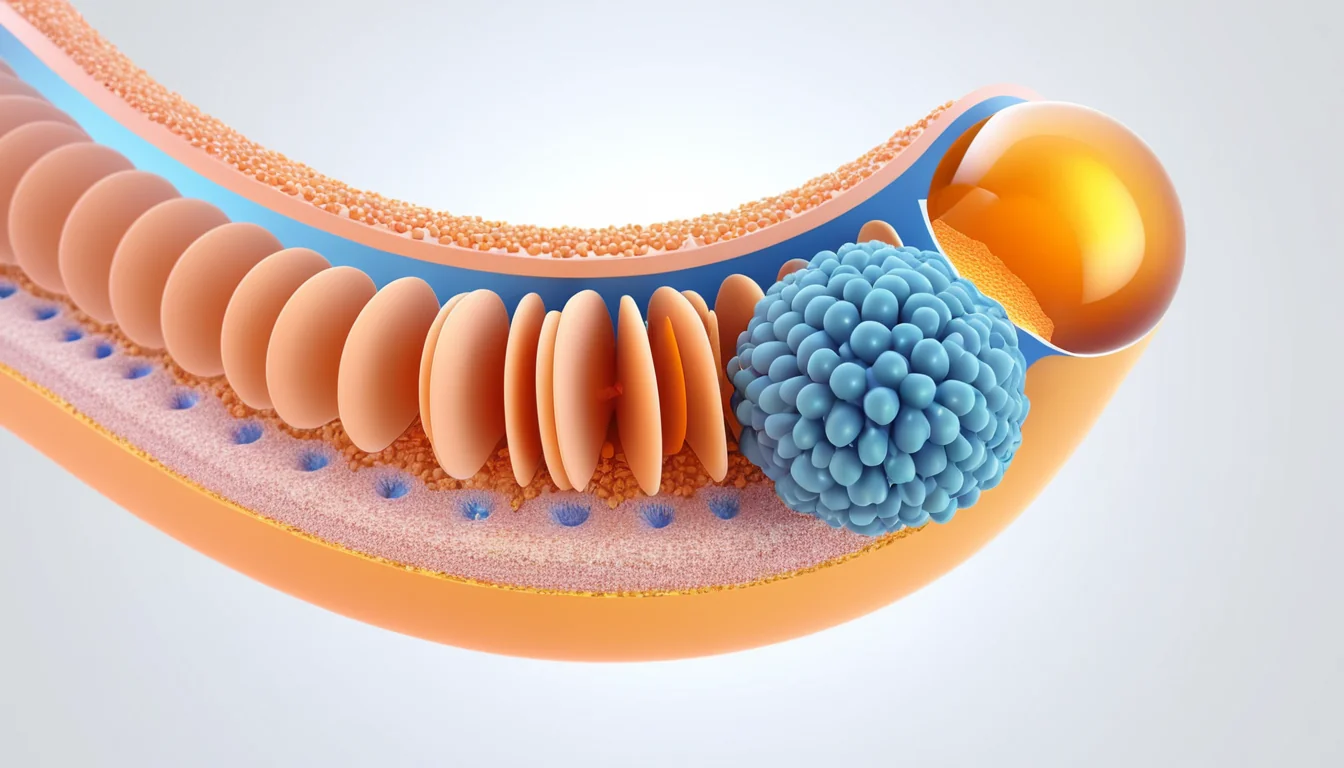
A urine amylase test measures the amount of the amylase enzyme in your urine, helping doctors evaluate the health of your pancreas and salivary glands. This common diagnostic test is available across Canada and is often ordered when patients present with abdominal pain or other digestive symptoms.
Understanding Your Urine Amylase Test Results
Understanding your urine amylase levels can help you and your family doctor decide on the right next steps for your care. Whether your results come back normal, high, or low, this guide explains what the numbers mean, how the pancreas enzyme test works, and when you should seek medical advice.
What Is the Urine Amylase Test?
| Result Level | Urine Amylase Value (U/hr or U/L) | Possible Interpretation | Recommended Next Steps |
|---|---|---|---|
| Normal | 1–17 U/hr or up to 460 U/L (24-hour collection) | Pancreatic and salivary gland function within expected range; no acute inflammation indicated | No immediate action required; routine follow-up as advised by your healthcare provider |
| Mildly Elevated | 18–100 U/hr | May suggest early or resolving pancreatitis, salivary gland irritation, or kidney dysfunction affecting clearance | Repeat testing, correlation with serum amylase and lipase levels, clinical symptom review |
| Moderately Elevated | 101–300 U/hr | Associated with acute pancreatitis, parotitis (mumps), bowel obstruction, or perforated peptic ulcer | Urgent evaluation by a physician; imaging studies (ultrasound or CT scan) and additional bloodwork recommended |
| Significantly Elevated | Greater than 300 U/hr | Strongly suggestive of severe acute pancreatitis, pancreatic trauma, or pancreatic duct obstruction | Immediate medical attention; hospital admission may be required for monitoring and treatment in Canada |
| Low or Undetectable | Below 1 U/hr | May indicate chronic pancreatitis with loss of exocrine function, pancreatic insufficiency, or liver disease | Further investigation with fecal elastase testing, imaging, and specialist referral to a gastroenterologist |
Amylase is an enzyme that helps your body break down carbohydrates into sugars. Your body produces amylase in two main places. About 40% comes from the pancreas, and the rest comes from the salivary glands in your mouth.
When these organs are healthy, only small amounts of amylase pass into your urine. However, when something goes wrong with the pancreas or salivary glands, amylase levels in the urine can rise significantly. The urine amylase test detects these changes.
This test is different from a blood amylase test. Your doctor may order both tests together to get a fuller picture of what is happening in your body. For more background on how enzymes work in digestion, visit Healthline’s overview of amylase and digestion.
Why Do Doctors Order a Urine Amylase Test?
Your family doctor or a specialist may recommend this test for several reasons. It is most commonly used to help diagnose or monitor conditions affecting the pancreas or salivary glands.
The test is especially useful when symptoms appear suddenly. These symptoms may include severe abdominal pain, nausea, vomiting, or swelling near the jaw. Your doctor uses the results alongside other tests to reach a diagnosis.
Pancreatic Conditions
The pancreas sits behind your stomach and plays a key role in digestion and blood sugar control. When the pancreas becomes inflamed or damaged, it releases more amylase into the bloodstream. This extra amylase then passes into the urine.
Conditions that can raise urine amylase levels related to the pancreas include acute pancreatitis, chronic pancreatitis, pancreatic cysts, and pancreatic cancer. A urine amylase test helps your doctor identify and track these conditions over time.
Salivary Gland Conditions
Your salivary glands can also cause amylase levels to rise. Infections, inflammation, or blockages in these glands may trigger higher urine amylase readings. Mumps, a viral infection that swells the salivary glands, is one well-known example.
In addition, salivary gland tumours or stones blocking the ducts can lead to elevated amylase. Your doctor will consider your full symptom picture before drawing any conclusions.
How the Urine Amylase Test Works
The urine amylase test is straightforward and non-invasive. You simply provide a urine sample, which a laboratory then analyses. There are two common collection methods your doctor may choose.
Random Urine Sample
A random urine sample is collected at a single point in time. You provide a sample during a clinic visit, much like a standard urine test at any walk-in clinic or lab. This method is quick and convenient.
However, a random sample can vary based on how much you have eaten or drunk recently. Therefore, your doctor may prefer a timed collection for more accurate results.
Timed Urine Collection (24-Hour Test)
A timed urine collection gathers all urine produced over a set period, usually 24 hours. You collect every urine sample throughout the day and night into a special container provided by the lab. This gives a more complete and reliable picture of amylase output.
Your doctor or lab technician will give you clear instructions on how to complete this collection at home. Follow their instructions carefully to ensure accurate results. For general guidance on urine tests in Canada, you can refer to Health Canada’s health information resources.
How to Prepare for a Urine Amylase Test
Preparation for a urine amylase test depends on your individual health situation. Your family doctor or the ordering physician will give you specific instructions. Always follow their guidance rather than general advice.
In some cases, your doctor may ask you to avoid certain foods, drinks, or medications before the test. Some substances can affect amylase levels and skew your results. For example, alcohol and some medications are known to influence enzyme levels in the body.
If you take prescription or over-the-counter medications regularly, tell your doctor before the test. They will let you know whether to continue, pause, or adjust any medication. Never stop a prescribed medication without speaking to your doctor first.
General Tips Before the Test
- Drink a normal amount of water unless your doctor advises otherwise.
- Tell your doctor about all medications, vitamins, and supplements you take.
- Avoid alcohol for at least 24 hours before the test if your doctor recommends it.
- Follow all container handling and storage instructions for a 24-hour collection.
- Ask your lab or doctor if you have any questions about the process.
Understanding Your Urine Amylase Test Results
Normal urine amylase levels fall within a specific reference range. These ranges can vary slightly between laboratories and testing methods. Your lab report will include the normal range used by that specific lab, so always compare your results to that range.
Generally speaking, normal urine amylase output for a 24-hour collection is between 2 and 34 units per hour (U/hr), though ranges differ by lab. Ask your doctor to explain exactly what your personal result means.
What Do High Urine Amylase Levels Mean?
High urine amylase levels suggest that the pancreas or salivary glands are under stress or are damaged. However, a single high result does not confirm a diagnosis on its own. Your doctor will look at the full picture, including your symptoms and other test results.
Conditions associated with elevated urine amylase include:
- Acute pancreatitis — sudden inflammation of the pancreas, often very painful
- Chronic pancreatitis — long-term inflammation that damages the pancreas over time
- Pancreatic cancer — abnormal cell growth in the pancreas
- Salivary gland infections or tumours — conditions affecting the glands in your mouth and jaw
- Intestinal obstruction — a blockage in the bowel that can raise amylase
- Kidney disease — reduced kidney function can affect how amylase is cleared from the body
As a result of these many possibilities, your doctor will not rely on this test alone. They will likely order additional blood tests, imaging, or refer you to a specialist.
What Do Low Urine Amylase Levels Mean?
Low amylase levels are less common but can also be meaningful. They may suggest that the pancreas is not functioning properly and is producing less enzyme than normal. This can occur in conditions such as cystic fibrosis or advanced chronic pancreatitis where pancreatic tissue has been severely damaged.
Furthermore, liver disease can sometimes lead to lower amylase levels. Your doctor will interpret low results in the context of your overall health and symptoms.
When to See a Doctor
You should speak with your family doctor if you experience any symptoms that may point to a pancreas or salivary gland problem. Do not wait to seek care if your symptoms are severe or come on suddenly.
Contact your family doctor or visit a walk-in clinic if you notice:
- Sudden, severe pain in the upper abdomen or back
- Nausea or vomiting that does not improve
- Swelling or tenderness near the jaw or neck
- Unexplained weight loss
- Yellowing of the skin or eyes (jaundice)
- Fever along with abdominal pain
If you have already had a urine amylase test and your results came back high, contact your doctor promptly. They will review the results with you and determine whether further testing or a referral is needed. Most provincial health plans in Canada cover diagnostic tests like this one when ordered by a physician.
In an emergency — for example, if you have sudden, crushing abdominal pain — go to your nearest emergency department or call 911. Do not drive yourself if the pain is severe. For more information on recognising pancreatitis symptoms, see Mayo Clinic’s guide to pancreatitis.
Always consult a qualified healthcare provider before making any decisions based on your test results. This article is for general information only and is not a substitute for professional medical advice.
Frequently Asked Questions About the Urine Amylase Test
What does a urine amylase test check for?
A urine amylase test measures the level of amylase enzyme in your urine to assess the health of your pancreas and salivary glands. Elevated levels can point to conditions such as pancreatitis, salivary gland infections, or pancreatic cancer. Your doctor uses the results alongside other tests to reach a diagnosis.
What level of urine amylase is considered high?
Normal urine amylase levels typically fall between 2 and 34 units per hour (U/hr) in a 24-hour collection, though reference ranges vary by laboratory. A urine amylase test result above your lab’s normal range is considered elevated and warrants further investigation by your doctor. Do not interpret your results without guidance from a healthcare professional.
Do I need to fast before a urine amylase test?
Preparation for a urine amylase test depends on your doctor’s specific instructions and your overall health situation. In some cases, your doctor may ask you to avoid alcohol or certain medications before the test. Always follow the instructions given to you by your physician or the laboratory.
Is a urine amylase test covered by provincial health plans in Canada?
In most Canadian provinces, a urine amylase test is covered by the provincial health plan when ordered by a licensed physician. Coverage details can vary depending on your province and the reason for the test. Check with your provincial health authority or family doctor to confirm coverage in your area.
Can medications affect my urine amylase test results?
Yes, certain medications can raise or lower amylase levels and affect the accuracy of a urine amylase test. These include some pain medications, diuretics, and oral contraceptives. Always tell your doctor about every medication, vitamin, and supplement you are taking before the test.
What happens if my urine amylase test results are abnormal?
According to Mayo Clinic’s overview of pancreatitis, this information is supported by current medical research.
For more information, read our guide on ALT blood test guide for Canadians.
If your urine amylase test results are outside the normal range, your doctor will typically order additional tests such as a blood amylase test, imaging scans, or other bloodwork. Abnormal results do not automatically confirm a serious condition, as many factors can influence levels. Your doctor will discuss next steps and may refer you to a specialist if needed.
Key Takeaways
- A urine amylase test measures the enzyme amylase in your urine to evaluate pancreatic and salivary gland health.
- About 40% of amylase in the body is produced by the pancreas; the rest comes from the salivary glands.
- High urine amylase levels may indicate acute pancreatitis, chronic pancreatitis, pancreatic cancer, or salivary gland conditions.
- There are two collection methods: a random urine sample and a more accurate 24-hour timed collection.
- Preparation varies by patient — always follow your doctor’s specific instructions before the test.
- Most provincial health plans in Canada cover this test when ordered by a physician.
- Contact your family doctor or walk-in clinic if you have symptoms such as abdominal pain, nausea, jaw swelling, or unexplained weight loss.
- This article is for informational purposes only. Always consult your doctor or a qualified healthcare provider for personal medical advice.
Frequently Asked Questions
What is a urine amylase test?
A urine amylase test measures the level of amylase enzyme in your urine. Amylase is produced by the pancreas and salivary glands to help digest carbohydrates. Elevated levels can indicate pancreatitis, salivary gland disorders, or other digestive conditions. Canadian labs typically consider normal urine amylase levels between 2–34 units per hour.
What are the symptoms that indicate you need a urine amylase test?
Common symptoms prompting a urine amylase test include severe abdominal pain, nausea, vomiting, fever, and loss of appetite. These may signal acute pancreatitis or a salivary gland problem. Your doctor may also order this test if you experience unexplained back pain radiating from the abdomen or digestive complications following gallbladder issues.
How is an abnormal urine amylase test result treated?
Treatment depends on the underlying cause. Acute pancreatitis is typically managed with IV fluids, fasting, and pain management, often requiring hospitalization. Chronic pancreatitis may need dietary changes, enzyme supplements, or surgery. Salivary gland issues are treated with antibiotics or anti-inflammatories. Your Canadian healthcare provider will create a personalized treatment plan based on your results.
Can you prevent high urine amylase levels?
You can reduce the risk of elevated urine amylase by limiting alcohol consumption, maintaining a healthy weight, eating a low-fat balanced diet, and staying well-hydrated. Managing gallstones through diet and regular checkups also helps prevent pancreatitis, a leading cause of elevated amylase levels in Canadian patients.
When should you see a doctor about your urine amylase test results?
See a doctor immediately if your urine amylase test shows significantly elevated levels alongside symptoms like severe abdominal pain, persistent vomiting, or fever. In Canada, results more than three times the normal range typically require urgent medical evaluation. Never ignore abnormal results, as untreated pancreatitis or related conditions can become life-threatening.

About the Author
Dr. Michael Ross, MD, FRCSCDr. Michael Ross is a fellowship-trained orthopedic surgeon at the University of Alberta Hospital, specializing in joint replacement and sports medicine. A Fellow of the Royal College of Surgeons of Canada (FRCSC), he has over 18 years of surgical experience and has authored multiple textbook chapters on musculoskeletal health. Dr. Ross is passionate about patient education and evidence-based medicine.
View all articles →