
Anti-Gliadin IgG Antibody Test: Guide for Canadians

Share
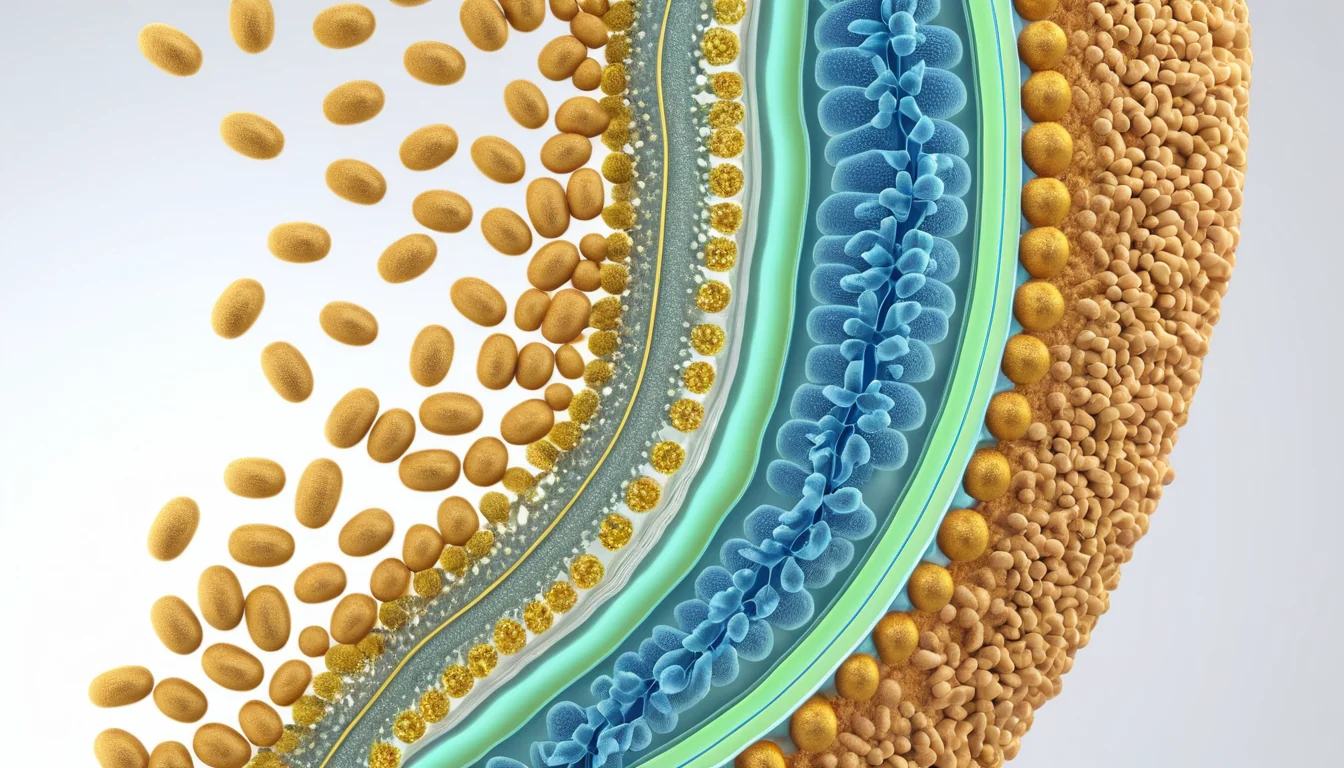
The anti-gliadin IgG antibody test is a blood test used by Canadian doctors to help detect celiac disease by measuring your immune system’s reaction to gluten. If you have been experiencing ongoing digestive issues such as bloating, diarrhea, or unexplained weight loss, your family doctor may recommend this test to determine whether gluten is triggering an immune response in your body.
How the Anti-Gliadin IgG Antibody Test Works in Canada
As a key celiac disease blood test in Canada, the anti-gliadin IgG test identifies immunoglobulin G antibodies that your body produces when it mistakenly attacks gliadin, a protein component of gluten found in wheat, barley, and rye. While this test provides valuable screening information, it is typically ordered alongside other diagnostic markers to give your healthcare provider a complete picture of your digestive health. Understanding how the test works and what to expect can help you feel confident and prepared.
What Is the Anti-Gliadin IgG Antibody Test?
| Test Type | What It Detects | Clinical Usefulness | Limitations |
|---|---|---|---|
| Anti-Gliadin IgG Antibody (AGA IgG) | IgG antibodies against gliadin protein found in wheat, barley, and rye | May help identify non-celiac gluten sensitivity; useful in IgA-deficient patients | Lower specificity for celiac disease; can produce false positives in healthy individuals |
| Anti-Gliadin IgA Antibody (AGA IgA) | IgA antibodies against gliadin protein | Historically used for celiac screening; still used alongside IgG in some panels | Largely replaced by more specific markers; unreliable in IgA-deficient patients |
| Tissue Transglutaminase IgA (tTG-IgA) | IgA antibodies against the enzyme tissue transglutaminase | Preferred first-line celiac screening test recommended by Health Canada guidelines | Inaccurate in patients with selective IgA deficiency (approx. 1 in 400 Canadians) |
| Deamidated Gliadin Peptide IgG (DGP IgG) | IgG antibodies against chemically modified gliadin peptides | High specificity; recommended for IgA-deficient patients and young children under age 2 | More costly; not universally available across all Canadian provinces |
| Endomysial Antibody IgA (EMA IgA) | IgA antibodies against endomysial connective tissue | Very high specificity for celiac disease; useful as a confirmatory test | Operator-dependent; less widely available in smaller Canadian laboratories |
The anti-gliadin IgG antibody test looks for a specific type of antibody in your blood. Your immune system makes these antibodies when it mistakenly attacks gliadin, which is a part of gluten. In people with celiac disease, this reaction damages the lining of the small intestine. Over time, this damage can lead to serious health problems.
IgG stands for immunoglobulin G, one of the most common types of antibodies in the body. Doctors use this test alongside other blood markers to build a clearer picture of your digestive health. However, this test alone is not enough to confirm a celiac diagnosis. Your doctor will likely order additional tests as well.
Why Doctors Order This Test
Doctors recommend the anti-gliadin IgG antibody test for two main reasons. First, it helps screen for celiac disease in people who have symptoms. Second, it helps monitor whether a gluten-free diet is working for someone already diagnosed.
Celiac disease is more common than many people think. In fact, research suggests it affects roughly one in 100 Canadians. Furthermore, many people live with the condition for years without knowing it. This test can be an important first step toward getting answers.
Symptoms That May Prompt This Test
Your doctor may suggest this test if you experience certain ongoing symptoms. These symptoms can point to celiac disease or gluten sensitivity. Common signs include:
- Chronic diarrhoea or loose stools
- Persistent abdominal pain or bloating
- Unexplained weight loss
- Iron-deficiency anaemia that does not improve
- Fatigue or low energy
- Skin rashes, particularly on the elbows or knees
These symptoms can also be caused by other conditions. Therefore, testing helps your doctor rule out or confirm celiac disease as the cause.
Who Is at Higher Risk?
Some people are more likely to develop celiac disease than others. Your doctor may recommend earlier or more frequent testing if you fall into a higher-risk group. People at greater risk include those with:
- Type 1 diabetes
- Autoimmune thyroid disease, such as Hashimoto’s or Graves’ disease
- Autoimmune liver disease
- Down syndrome
- Turner syndrome
- Williams syndrome
- A first-degree relative, such as a parent or sibling, with celiac disease
If you belong to one of these groups, talk to your family doctor about whether screening makes sense for you. Early detection can make a big difference in long-term health outcomes. According to Health Canada, awareness of digestive conditions like celiac disease continues to grow across the country.
Understanding Celiac Disease
Celiac disease is an autoimmune disorder. This means the body’s immune system attacks its own healthy tissue. In this case, consuming gluten triggers the immune system to damage the small intestine’s inner lining.
The small intestine is lined with tiny finger-like projections called villi. These villi help absorb nutrients from food. In people with celiac disease, inflammation caused by gluten flattens these villi over time. As a result, the body struggles to absorb important nutrients like iron, calcium, and vitamin D.
Interestingly, celiac disease is quite common, yet most people who have it do not know. Many individuals are completely asymptomatic, meaning they feel no obvious symptoms at all. Others experience a wide range of symptoms that differ greatly from person to person. This is why testing plays such a critical role in diagnosis.
You can learn more about celiac disease and autoimmune conditions from the Mayo Clinic’s overview of celiac disease.
How the Anti-Gliadin IgG Antibody Test Works
The test itself is straightforward. A healthcare provider draws a small sample of blood, usually from a vein in your arm. The sample is then sent to a laboratory for analysis.
In the lab, technicians use a method called ELISA, which stands for enzyme-linked immunosorbent assay. This is a highly accurate technique used to detect specific proteins in the blood. The ELISA method measures the concentration of IgG antibodies that target gliadin. Results are typically available within a few days.
Do You Need to Prepare for the Test?
Preparation for the anti-gliadin IgG antibody test depends on your individual situation. Your doctor or the lab will give you specific instructions beforehand. In most cases, no special preparation is needed.
However, one important point stands out. You should continue eating gluten normally before the test. If you have already started a gluten-free diet, the test may not give accurate results. This is because your antibody levels may have dropped. Always follow your doctor’s guidance before making any dietary changes ahead of testing.
Understanding Your Results
After the test, your doctor will review your results with you. A positive result means IgG antibodies against gliadin were detected in your blood. This suggests your immune system is reacting to gluten. However, a positive result does not automatically confirm celiac disease.
A negative result means the antibodies were not found at a significant level. Even so, a negative result does not completely rule out celiac disease. This is especially true if you had already reduced or eliminated gluten before the test. Your doctor may still recommend further investigation based on your symptoms and history.
Limitations of the Test
It is important to understand that the anti-gliadin IgG antibody test has limitations. False-negative results can occur. This happens when a person has not consumed gluten for several weeks before testing. In that case, the antibody levels may be too low to detect, even if celiac disease is present.
In addition, a negative anti-gliadin IgG result alone cannot be used to exclude a celiac diagnosis. Doctors typically use a combination of tests, including the tTG-IgA test and sometimes an intestinal biopsy, to reach a definitive conclusion. For a broader look at how celiac disease is diagnosed and managed, Healthline’s guide to celiac disease offers helpful information.
Monitoring a Gluten-Free Diet With This Test
The anti-gliadin IgG antibody test is also useful after a celiac diagnosis. Once you start a strict gluten-free diet, your doctor may reorder the test periodically. Falling antibody levels suggest the diet is working and the intestinal lining is healing.
Sticking to a gluten-free diet can be challenging at first. Gluten hides in many processed foods, sauces, and even some medications. A registered dietitian can help you navigate food labels and plan balanced meals. Many provincial health plans in Canada cover referrals to dietitians, so ask your family doctor about this option.
Monitoring your progress through follow-up testing is a key part of long-term management. If antibody levels remain high despite dietary changes, it may suggest accidental gluten exposure or another underlying issue. Your healthcare team can help identify the cause and adjust your treatment plan.
When to See a Doctor
You should talk to your family doctor if you have experienced ongoing digestive symptoms for more than a few weeks. Symptoms like chronic diarrhoea, bloating, unexplained weight loss, or persistent fatigue deserve medical attention. Do not try to self-diagnose or start a gluten-free diet before getting tested, as this can affect your results.
If you do not have a regular family doctor, a walk-in clinic can be a good starting point. Walk-in clinic physicians can order initial blood work and refer you to a specialist if needed. Most provincial health plans across Canada cover the cost of diagnostic blood tests when ordered by a physician. Check with your provincial health authority for details about coverage in your area.
It is also worth speaking to your doctor if you have a close relative recently diagnosed with celiac disease. Since the condition runs in families, screening can catch it early, even before symptoms appear. Early diagnosis means earlier treatment and better long-term health. Always consult a qualified healthcare provider before making changes to your diet or health routine based on any test results.
What does a positive anti-gliadin IgG antibody test mean?
A positive anti-gliadin IgG antibody test means your blood contains antibodies that are reacting to gliadin, a component of gluten. This may suggest celiac disease or gluten sensitivity. However, your doctor will likely order additional tests to confirm the diagnosis before recommending any treatment.
Can I eat gluten before the anti-gliadin IgG antibody test?
Yes, you should continue eating gluten normally before the anti-gliadin IgG antibody test. If you reduce or eliminate gluten beforehand, your antibody levels may drop and the test could show a false-negative result. Always follow the specific instructions provided by your doctor or laboratory.
Is the anti-gliadin IgG test the same as a celiac disease test?
The anti-gliadin IgG antibody test is one of several blood tests used to investigate celiac disease, but it is not the only one. Doctors often use it alongside other markers, such as the tTG-IgA test, and may also recommend an intestinal biopsy. Together, these tests help build a complete picture for a reliable celiac diagnosis.
Can the anti-gliadin IgG test give a false-negative result?
Yes, the anti-gliadin IgG antibody test can produce a false-negative result. This most commonly happens when a person has not been consuming gluten for several weeks before the test. Because of this limitation, a negative result does not fully rule out celiac disease, and your doctor may still investigate further based on your symptoms.
Does provincial health insurance in Canada cover this blood test?
In most Canadian provinces, blood tests ordered by a physician, including the anti-gliadin IgG antibody test, are covered under provincial health plans. Coverage can vary depending on your province or territory and the specific clinical reason for the test. It is best to confirm with your family doctor or provincial health authority what is included in your coverage.
Who should get the anti-gliadin IgG antibody test?
According to Mayo Clinic’s guide to celiac disease diagnosis and treatment, this information is supported by current medical research.
For more information, read our guide on serum albumin test for assessing your overall nutritional health.
Your doctor may recommend the anti-gliadin IgG antibody test if you have symptoms like chronic diarrhoea, abdominal pain, anaemia, or unexplained weight loss. People with a family history of celiac disease or conditions like type 1 diabetes, thyroid disease, or Down syndrome may also benefit from screening. Speak with your family doctor or a walk-in clinic physician to find out if this test is appropriate for you.
Key Takeaways
- The anti-gliadin IgG antibody test is a blood test that helps detect immune reactions to gluten.
- It is used to help diagnose celiac disease and to monitor how well a gluten-free diet is working.
- Celiac disease is an autoimmune condition that damages the small intestine when gluten is consumed.
- People with type 1 diabetes, thyroid disease, Down syndrome, or a family history of celiac disease are at higher risk.
- You should continue eating gluten before the test to ensure accurate results.
- A negative result does not rule out celiac disease, especially if you reduced gluten intake beforehand.
- The test uses the ELISA method and is typically covered under provincial health plans when ordered by a physician.
- Always speak with your family doctor or visit a walk-in clinic if you have ongoing digestive symptoms or concerns about celiac disease.
Frequently Asked Questions
What is an anti-gliadin IgG antibody test?
An anti-gliadin IgG antibody test is a blood test that detects immune system antibodies produced against gliadin, a protein found in gluten. It helps identify gluten sensitivity or celiac disease by measuring your body’s immune response. In Canada, it is typically ordered alongside other celiac panels, including tTG-IgA and endomysial antibody tests.
What symptoms indicate you need an anti-gliadin IgG antibody test?
Common symptoms that may prompt an anti-gliadin IgG antibody test include chronic bloating, diarrhea, abdominal pain, fatigue, unexplained weight loss, and brain fog. Some Canadians also experience skin rashes, joint pain, or anemia. If symptoms persist after dietary changes, consult your family doctor about celiac or gluten sensitivity testing.
How is a positive anti-gliadin IgG antibody test treated in Canada?
A positive result is primarily managed through a strict, lifelong gluten-free diet, eliminating wheat, barley, and rye. Canadian patients are typically referred to a gastroenterologist and registered dietitian for guidance. Nutritional deficiencies, such as iron or vitamin D, are also addressed. No medication specifically treats celiac disease or gluten sensitivity itself.
Can you prevent gluten sensitivity from developing in Canada?
Currently, there is no proven way to prevent celiac disease or gluten sensitivity, as genetic factors play a major role. However, early testing and diagnosis can prevent long-term complications like intestinal damage, osteoporosis, and nutritional deficiencies. Canadians with first-degree relatives diagnosed with celiac disease should discuss preventive screening with their healthcare provider.
When should Canadians see a doctor about getting an anti-gliadin IgG antibody test?
Canadians should see a doctor if they experience persistent digestive symptoms, unexplained fatigue, or signs of malabsorption lasting more than a few weeks. Those with a family history of celiac disease, Type 1 diabetes, or autoimmune thyroid conditions are at higher risk. Avoid eliminating gluten before testing, as this can produce inaccurate results.

About the Author
Dr. Linda Chen, RD, PhDDr. Linda Chen is a registered dietitian and PhD in Nutritional Sciences from the University of British Columbia. With expertise in clinical nutrition, sports dietetics, and gut health, she has worked with leading Canadian hospitals and sports organizations. Dr. Chen is a member of Dietitians of Canada and regularly contributes to national nutrition policy discussions.
View all articles →