Hemoglobin Blood Test: What Your Results Mean (Canada)

Share
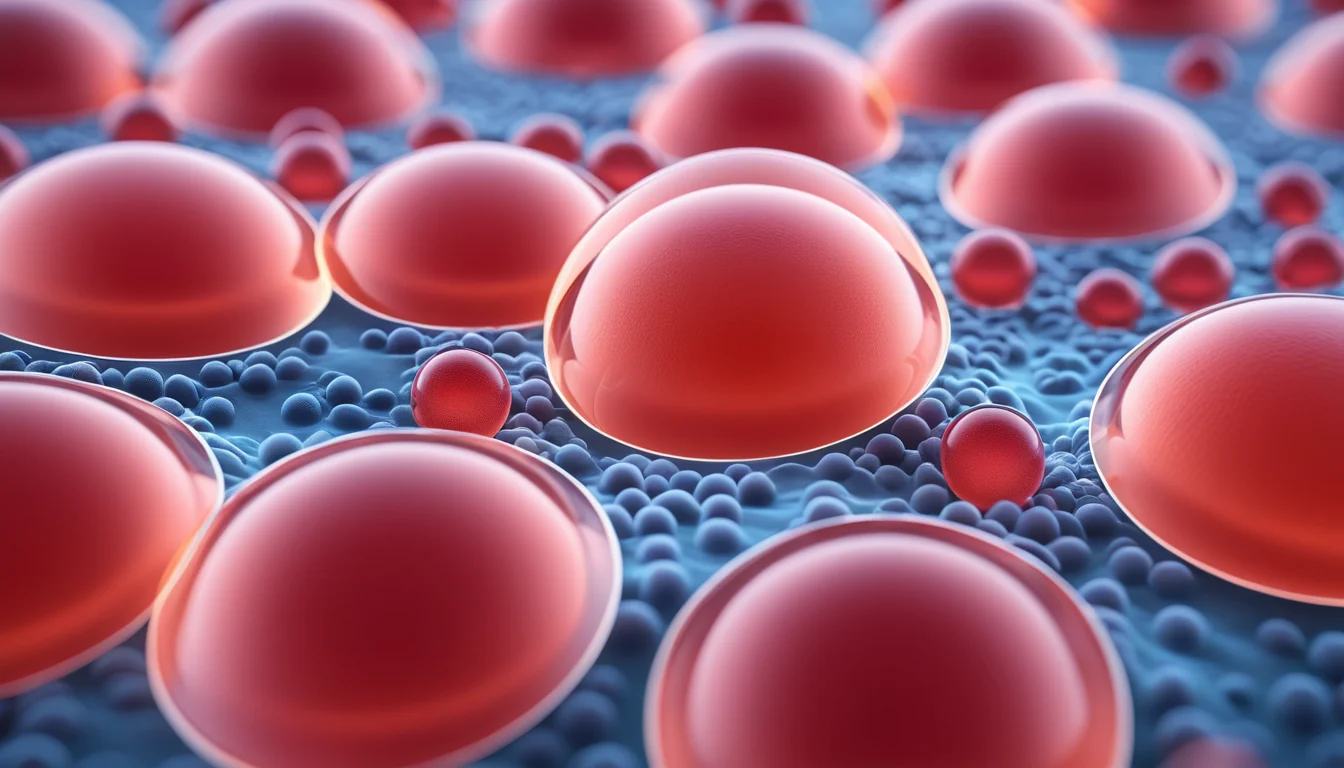
A hemoglobin blood test is one of the most common and valuable tests your doctor can order in Canada. It measures the amount of hemoglobin — an iron-rich protein found in your red blood cells — that is circulating in your bloodstream. Understanding your results can help you and your healthcare provider catch potentially serious conditions early and take action before they progress.
How the Hemoglobin Blood Test Works in Canada
Whether you are feeling unusually fatigued, experiencing shortness of breath, or simply completing routine bloodwork, knowing your normal hemoglobin range is essential. Hemoglobin plays a critical role in carrying oxygen from your lungs to every tissue and organ in your body, and even small changes in its levels can signal underlying health issues such as anemia or polycythemia. For Canadians, this test is a cornerstone of preventive healthcare and is widely available through provincial health systems.
What Is Hemoglobin and Why Does It Matter?
| Hemoglobin Level (g/L) | Classification | Common Symptoms & Signs | Recommended Management |
|---|---|---|---|
| Below 70 g/L | Severe Anemia | Extreme fatigue, chest pain, shortness of breath at rest, rapid heart rate, dizziness, pale skin | Urgent medical attention; possible blood transfusion; hospitalization may be required; identify and treat underlying cause |
| 70–99 g/L | Moderate Anemia | Significant fatigue, weakness, frequent headaches, difficulty concentrating, shortness of breath with minimal activity | Physician referral; investigate root cause (iron, B12, folate deficiency or chronic disease); oral or IV supplementation as directed |
| 100–119 g/L (women) / 100–129 g/L (men) | Mild Anemia | Mild fatigue, occasional headaches, reduced exercise tolerance, feeling cold | Dietary changes; oral iron or vitamin supplementation; follow-up hemoglobin blood test in 4–8 weeks; monitor for progression |
| 120–160 g/L (women) / 130–170 g/L (men) | Normal Range | No anemia-related symptoms; normal energy levels and physical endurance | Routine screening as recommended by a Canadian healthcare provider; maintain a balanced, iron-rich diet |
| Above 160 g/L (women) / Above 170 g/L (men) | Elevated (Erythrocytosis) | Headaches, blurred vision, flushing, dizziness, increased risk of blood clots | Further investigation for dehydration, lung disease, polycythemia vera, or sleep apnea; specialist referral if persistently elevated |
Hemoglobin is an iron-containing protein found in every red blood cell. It gives your blood its characteristic red colour. More importantly, hemoglobin does two critical jobs: it carries oxygen from your lungs to your tissues and organs, and it helps transport a small amount of carbon dioxide — a waste product — back to your lungs to be exhaled.
Without enough hemoglobin, your body cannot deliver adequate oxygen to where it needs to go. As a result, you may feel tired, weak, or short of breath. Monitoring hemoglobin levels through a simple blood test is therefore an important part of routine healthcare across Canada.
How Does the Hemoglobin Blood Test Work?
The hemoglobin blood test is straightforward. A healthcare professional draws a small sample of your blood, usually from a vein in your arm. The sample is then analysed in a laboratory using a method called electrophoresis, which separates and measures the different proteins in your blood.
Your doctor will often order a hemoglobin test as part of a complete blood count (CBC). It is frequently paired with a haematocrit test, which measures the percentage of your blood made up of red blood cells. Together, these two values give a clear picture of how well your blood is functioning. You can learn more about blood testing guidelines from Health Canada’s official health resources.
Preparing for the Test
In most cases, your doctor will ask you to fast — meaning no food or drink other than water — before your hemoglobin blood test. This helps ensure accurate results. If you are unsure whether you need to fast, call your family doctor’s office or the lab where you are booked in advance.
Understanding Your Red Blood Cells
Red blood cells make up roughly 37 to 49 percent of your total blood volume. They are produced in your bone marrow and released into your bloodstream once they are mature. Each red blood cell lives for about 120 days. After that, your bone marrow must constantly produce new ones to replace the old, worn-out cells.
Several health conditions can disrupt this cycle. For example, if your bone marrow produces too few red blood cells, or if your body destroys them too quickly, your hemoglobin levels will drop. On the other hand, if your body produces too many red blood cells, your hemoglobin levels will rise above the normal range. Both situations signal that something in your body needs attention.
What Low Hemoglobin Levels Can Mean
Low hemoglobin is one of the most common findings on a routine blood test in Canada. It is often a sign of anemia — a condition where your tissues and organs do not receive enough oxygen. Anemia can cause persistent fatigue, weakness, dizziness, pale skin, and cold hands and feet.
There are many different types of anemia, each with its own cause. However, all of them result in your body not having enough healthy red blood cells or hemoglobin to function properly. According to the Mayo Clinic’s overview of anemia, common causes include nutritional deficiencies and chronic diseases.
Common Causes of Low Hemoglobin
- Iron deficiency: The most common cause of anemia worldwide. Your body needs iron to make hemoglobin.
- Vitamin B12 deficiency: Without enough B12, your bone marrow cannot produce healthy red blood cells.
- Folic acid deficiency: Folate is essential for red blood cell production, especially during pregnancy.
- Blood loss: Heavy menstrual periods, surgery, or injury can cause hemoglobin levels to drop quickly.
- Bone marrow cancers: Conditions like leukemia interfere directly with blood cell production.
- Kidney disease: Healthy kidneys produce a hormone that signals the bone marrow to make red blood cells.
- Liver disease: The liver plays a key role in storing nutrients needed for red blood cell production.
- Hypothyroidism: An underactive thyroid can slow down the production of red blood cells.
- Thalassemia: A genetic disorder that causes abnormally low hemoglobin and red blood cell levels.
- Sickle cell disease: Another inherited condition affecting the shape and function of red blood cells.
In addition, people who follow a diet low in iron and essential minerals are at higher risk of developing low hemoglobin over time.
What High Hemoglobin Levels Can Mean
High hemoglobin means your blood contains more red blood cells than normal. This can cause your blood to flow more slowly, which raises the risk of clotting and other complications. High hemoglobin is less common than low hemoglobin, but it is equally important to investigate.
Common Causes of High Hemoglobin
- Polycythemia vera: A blood disorder where the bone marrow produces too many red blood cells. Symptoms include severe headaches, fatigue, and difficulty breathing.
- Lung disease: Chronic respiratory conditions can trigger the body to produce more red blood cells to compensate for lower oxygen levels.
- Kidney tumours: Certain kidney tumours release hormones that stimulate excess red blood cell production.
- Dehydration: When you are dehydrated, the concentration of red blood cells in your blood temporarily rises.
- Smoking: Long-term smoking reduces oxygen efficiency, prompting the body to make more red blood cells.
- Excessive vomiting: This causes fluid loss, which can temporarily raise hemoglobin concentration.
- Intense physical training: Elite athletes sometimes develop slightly elevated hemoglobin as an adaptation to heavy exercise.
Furthermore, people who live at high altitudes — such as in parts of British Columbia’s interior or other elevated regions — may naturally have higher hemoglobin levels because there is less oxygen available in the air. Pregnant women may also see changes in their hemoglobin readings throughout their pregnancy.
Factors That Can Affect Your Results
Your hemoglobin blood test results are not always straightforward. Several factors can influence your readings and should be discussed with your doctor when interpreting them.
Your age, sex, and diet all play a role. For example, women generally have slightly lower hemoglobin levels than men. Menstruation can temporarily lower hemoglobin, while pregnancy causes natural shifts in blood volume that affect results. Your level of physical activity and any medications you are currently taking can also shift your numbers. According to Healthline’s guide to hemoglobin levels, it is important to consider these variables before drawing conclusions from a single test result.
Normal Hemoglobin Ranges
Normal hemoglobin levels vary depending on your age and sex. In general, the typical reference ranges are as follows:
- Adult men: 135 to 175 grams per litre (g/L)
- Adult women: 120 to 160 grams per litre (g/L)
- Children: Ranges vary by age; your doctor or paediatrician will interpret these results based on your child’s specific age group.
These are general guidelines. Your provincial laboratory may use slightly different reference ranges, which will be printed directly on your lab report. Always review your results with your healthcare provider for accurate interpretation.
Who Should Get a Hemoglobin Blood Test?
Your doctor may recommend a hemoglobin blood test in several situations. It is often part of a standard annual physical or routine wellness check. However, there are specific circumstances where this test becomes especially important.
You may need a hemoglobin blood test if you experience symptoms such as persistent fatigue, dizziness, shortness of breath, pale skin, or unusually cold hands and feet. Additionally, your doctor may order this test if you have a family history of thalassemia, sickle cell disease, or another inherited blood disorder.
The test is also used to monitor patients who are undergoing chemotherapy or radiation therapy, as these treatments can significantly affect blood cell production. In addition, it serves as a useful screening tool during routine check-ups to catch problems before symptoms appear.
When to See a Doctor
If you notice symptoms of anemia — such as ongoing fatigue, pale skin, dizziness, or shortness of breath — do not wait. Book an appointment with your family doctor as soon as possible. Your doctor can order a hemoglobin blood test quickly through your provincial health plan, often at no direct cost to you.
If you do not have a family doctor, a walk-in clinic is a great option. Walk-in clinics across Canada can order basic blood work and refer you to specialists if needed. Your provincial health insurance covers most routine blood tests, including hemoglobin testing. Early detection of anemia or other blood conditions leads to faster, more effective treatment.
Always speak with a qualified healthcare professional before drawing conclusions from any lab results. This article is for informational purposes only and does not replace personalized medical advice from your doctor.
Frequently Asked Questions
What does a hemoglobin blood test measure?
A hemoglobin blood test measures the amount of hemoglobin protein in your red blood cells. Hemoglobin carries oxygen from your lungs to your organs and tissues. The test helps doctors detect conditions like anemia, polycythemia, and other blood disorders.
What are the symptoms of low hemoglobin?
Low hemoglobin often causes fatigue, weakness, dizziness, pale skin, and cold hands or feet. In more severe cases, you may experience shortness of breath or an irregular heartbeat. If you notice these symptoms, a hemoglobin blood test can help your doctor find the cause.
Do I need to fast before a hemoglobin blood test?
In most cases, yes — your doctor will ask you to fast before a hemoglobin blood test to ensure the most accurate results. However, fasting requirements can vary depending on what other tests are being run at the same time. Always confirm preparation instructions with your doctor or lab beforehand.
What causes high hemoglobin levels?
High hemoglobin can result from conditions such as polycythemia vera, lung disease, dehydration, or long-term smoking. Living at high altitudes can also naturally raise your hemoglobin levels. Your doctor will review your hemoglobin blood test results alongside other factors to determine the cause.
Is a hemoglobin blood test covered by provincial health plans in Canada?
Yes, in most provinces a hemoglobin blood test ordered by a physician is covered under provincial health insurance plans. You can have it done at a hospital laboratory or a community lab. Check with your provincial health authority if you have questions about coverage in your specific province.
Can diet affect hemoglobin levels?
According to Mayo Clinic’s overview of the hemoglobin test, this information is supported by current medical research.
For more information, read our guide on alpha-1 globulin blood test results guide for Canadians.
Yes, diet plays a significant role in your hemoglobin levels. A diet low in iron, vitamin B12, or folic acid can lead to low hemoglobin and anemia over time. Eating iron-rich foods like lean meat, legumes, and leafy greens can help support healthy hemoglobin levels.
Key Takeaways
- Hemoglobin is an iron-containing protein in red blood cells that carries oxygen throughout your body.
- A hemoglobin blood test measures how much hemoglobin is in your blood and helps detect anemia, polycythemia, and other conditions.
- Low hemoglobin is often a sign of anemia, which can be caused by iron deficiency, B12 deficiency, blood loss, or chronic disease.
- High hemoglobin may indicate polycythemia vera, lung disease, dehydration, or smoking-related changes in blood composition.
- Factors such as age, sex, diet, medications, pregnancy, and altitude can all influence your results.
- Most hemoglobin blood tests are covered by provincial health plans in Canada and can be ordered by your family doctor or at a walk-in clinic.
- Always discuss your results with a qualified healthcare provider before making any health decisions.
Frequently Asked Questions
What is a hemoglobin blood test?
A hemoglobin blood test measures the amount of hemoglobin protein in your red blood cells. Hemoglobin carries oxygen from your lungs to the rest of your body. In Canada, this test is routinely ordered as part of a complete blood count (CBC) to screen for anemia, blood disorders, and other health conditions.
What are the symptoms of abnormal hemoglobin levels?
Abnormal hemoglobin levels can cause fatigue, shortness of breath, dizziness, pale or yellowish skin, irregular heartbeat, and cold hands or feet. Low hemoglobin indicates anemia, while high levels may signal dehydration or a bone marrow disorder. Symptoms vary in severity depending on how significantly your levels deviate from normal range.
What hemoglobin blood test results are considered normal in Canada?
Normal hemoglobin ranges in Canada are approximately 130–170 g/L for adult men and 120–155 g/L for adult women. Values below these ranges typically indicate anemia, while values above may suggest polycythemia. Reference ranges can vary slightly between laboratories, so always review your results with your healthcare provider.
How is low hemoglobin treated in Canada?
Treatment for low hemoglobin depends on the underlying cause. Common approaches include iron supplements or dietary changes for iron-deficiency anemia, vitamin B12 or folate supplements, treating chronic illnesses, or in severe cases, blood transfusions. Your Canadian doctor will recommend the appropriate treatment after identifying the root cause of your low levels.
When should I see a doctor about my hemoglobin levels?
See a doctor if you experience persistent fatigue, unexplained weakness, shortness of breath, or chest pain. In Canada, you should also consult your healthcare provider if routine bloodwork flags abnormal hemoglobin levels, even without symptoms. Early detection and treatment of hemoglobin imbalances can prevent serious complications over time.

About the Author
Dr. Linda Chen, RD, PhDDr. Linda Chen is a registered dietitian and PhD in Nutritional Sciences from the University of British Columbia. With expertise in clinical nutrition, sports dietetics, and gut health, she has worked with leading Canadian hospitals and sports organizations. Dr. Chen is a member of Dietitians of Canada and regularly contributes to national nutrition policy discussions.
View all articles →