
Gastrin Test: Results & Guide for Canadians (2025)

Share
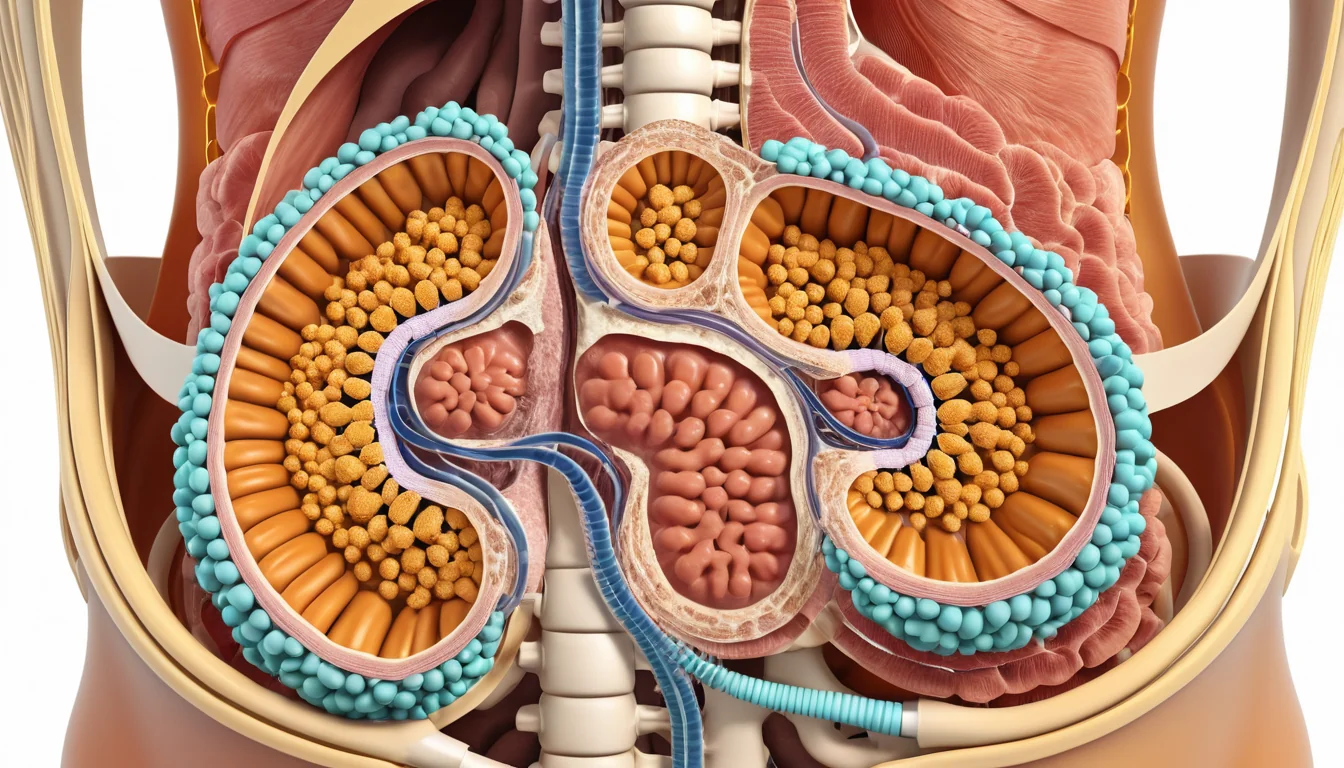
A gastrin test is a simple blood test that measures the amount of gastrin hormone circulating in your body. Gastrin plays a critical role in digestion by signalling your stomach to produce acid, and when levels fall outside the normal range, it can point to conditions ranging from stomach ulcers to rare tumours. For Canadians, understanding what this test involves can help you prepare and have a more productive conversation with your family doctor or specialist.
What Does a Gastrin Test Measure and Why Is It Important?
Whether your doctor suspects high gastrin levels, a possible gastrinoma, or Zollinger-Ellison syndrome, this guide breaks down everything you need to know — from how the test works and how to prepare, to what your results may mean. Across Canada, this test is typically ordered through your physician and processed at hospital or community laboratories covered under provincial health plans.
What Is Gastrin and What Does It Do?
| Gastrin Level (pmol/L) | Classification | Possible Causes | Recommended Next Steps |
|---|---|---|---|
| Below 48 pmol/L | Normal | Healthy gastric function; no significant pathology indicated | No further testing required unless symptoms persist |
| 48–100 pmol/L | Mildly Elevated | Proton pump inhibitor (PPI) use, H. pylori infection, chronic gastritis | Review medications; consider H. pylori testing; repeat gastrin test after adjusting PPIs |
| 100–500 pmol/L | Moderately Elevated | Atrophic gastritis, renal insufficiency, partial gastrectomy, hypercalcemia | Gastroenterology referral; investigate underlying cause with additional bloodwork and imaging |
| 500–1000 pmol/L | Significantly Elevated | Suspected Zollinger-Ellison syndrome (ZES); gastrinoma possible | Secretin stimulation test; CT or MRI imaging; specialist consultation at a Canadian academic centre |
| Above 1000 pmol/L | Severely Elevated | Strong indicator of gastrinoma or ZES; possible malignant tumour | Urgent referral to gastroenterology or oncology; somatostatin receptor scintigraphy (Octreoscan); surgical evaluation |
Gastrin is a hormone made by special cells called G cells. These cells sit in the lower part of your stomach, an area known as the antrum. When food enters your stomach, G cells release gastrin into your bloodstream.
As gastrin levels rise, your stomach produces gastric acid. This acid breaks down food and also acts as a natural disinfectant, killing most harmful bacteria that enter your digestive system. As a result, gastrin helps protect your gut from infection.
However, gastrin does more than just trigger acid production. It also stimulates the growth of the stomach lining and encourages muscle contractions in the intestines. These contractions help move food through your digestive tract efficiently.
In addition, gastrin supports other organs involved in digestion. For example, it helps the pancreas produce digestive enzymes and encourages the liver to make bile. Both bile and digestive enzymes are essential for breaking down fats, proteins, and carbohydrates.
How the Gastrin Test Works
The gastrin test is a simple blood draw, usually done at a laboratory or diagnostic centre. Your healthcare provider will send the sample to a lab, where it is analysed using a method called electrochemiluminescence immunoassay (ECLIA). This is a highly accurate technique for measuring hormone levels in the blood.
Gastrin levels naturally follow a daily rhythm. They tend to be lowest in the early morning, between 3:00 a.m. and 7:00 a.m. Levels rise throughout the day and change in response to meals. For this reason, timing the test correctly is important for getting accurate results.
Furthermore, gastrin levels tend to increase with age. Certain medications, such as antacids and proton pump inhibitors (PPIs), can also raise gastrin levels artificially. Your doctor will take these factors into account when reviewing your results.
Preparing for Your Gastrin Test
To get the most accurate results from a gastrin test, you need to follow some preparation steps. Your doctor or the lab will give you specific instructions, but here are the general guidelines.
- Fast before the test: Adults should not eat or drink anything other than water before the test. Children should fast for 3 to 8 hours before their blood is drawn.
- Avoid alcohol: Do not drink alcohol for at least 24 hours before the test.
- Avoid smoking: Stop smoking at least 4 hours before the test.
- Pause certain medications: If you take antacids, opioids, H2 blockers, or proton pump inhibitors, you may need to stop them at least two weeks before the test. Always check with your doctor before stopping any medication.
- Avoid biotin supplements: Do not take multivitamins or supplements containing biotin (vitamin B7) for at least 12 hours before the test. Biotin can interfere with the lab results.
These steps help ensure your gastrin levels reflect your body’s true baseline, not the effects of food or medication.
Why Would a Doctor Order a Gastrin Test?
Your doctor may recommend a gastrin test for several reasons. It is most often used to investigate problems with stomach acid production or to diagnose specific medical conditions.
Common reasons for ordering this test include:
- Suspected Zollinger-Ellison syndrome, a condition where a tumour causes the stomach to produce too much acid
- Diagnosing a gastrinoma, a type of neuroendocrine tumour found in the pancreas or small intestine
- Evaluating patients with achlorhydria, a condition where the stomach produces little or no acid
- Investigating pernicious anaemia, an autoimmune condition that affects stomach cells
- Monitoring patients after surgery to remove a gastrinoma, to check whether the tumour has returned
In Canada, your family doctor may refer you to a gastroenterologist (a digestive health specialist) if they suspect any of these conditions. The referral process varies by province, but your family doctor or walk-in clinic is usually the best starting point.
What Do High Gastrin Levels Mean?
High gastrin levels in the blood are more common than low levels and can point to several different conditions. Therefore, your doctor will review your results alongside your symptoms and other tests before drawing any conclusions.
Conditions associated with high gastrin levels include:
- Zollinger-Ellison (ZE) syndrome: A condition caused by one or more gastrinomas. It leads to excessive gastric acid production and recurring peptic ulcers.
- Gastrinoma: A tumour that produces gastrin. Gastrinomas most often develop in the small intestine (50–70% of cases) or the pancreas (20–40% of cases). More than half of gastrinomas are malignant and can spread to lymph nodes or the liver.
- Gastric cancer: Cancer of the stomach lining can disrupt normal hormone production.
- Pernicious anaemia: This autoimmune condition damages the stomach lining, reducing acid production and causing gastrin levels to rise as a compensatory response.
- Chronic kidney disease (end stage): The kidneys play a role in clearing gastrin from the body. When they fail, gastrin can build up in the blood.
- Antral G cell hyperplasia: An overgrowth of G cells in the stomach, leading to excess gastrin production.
- Hyperparathyroidism: Overactive parathyroid glands can raise gastrin levels.
- Pyloric obstruction: A blockage at the stomach’s outlet can trigger excess gastrin secretion.
Understanding Gastrinoma and Zollinger-Ellison Syndrome
Gastrinoma is the tumour responsible for producing excess gastrin. Zollinger-Ellison syndrome develops when one or more gastrinomas cause sustained overproduction of gastric acid. This leads to severe, recurring peptic ulcers that are difficult to treat with standard medications.
Gastrinomas usually form in the pancreas, even though pancreatic cells do not normally produce gastrin. Even small gastrinomas can cause significantly elevated gastrin levels. More than half of these tumours are malignant, meaning they have the potential to spread.
Approximately 25% of gastrinomas are linked to a genetic condition called Multiple Endocrine Neoplasia Type 1 (MEN 1). These tumours often appear at a younger age and are more commonly benign. They are also associated with hyperparathyroidism and pituitary gland adenomas.
After surgical removal of a gastrinoma, gastrin levels are expected to drop. If levels begin to rise again after surgery, it may indicate the tumour has returned. Gastrin levels that remain high despite treatment suggest the treatment is not working effectively. Learn more about Zollinger-Ellison syndrome at Mayo Clinic.
What Do Low Gastrin Levels Mean?
Low gastrin levels are generally not a cause for concern. In most cases, they are expected or explained by a known medical situation.
Low gastrin levels are typically seen in:
- Antrectomy with vagotomy: This is a surgical procedure that removes part of the stomach (the antrum) and cuts the vagus nerve. Both actions reduce gastrin production, which is often the intended goal of the surgery.
- Hypothyroidism: An underactive thyroid can reduce gastrin secretion, though this is rarely a clinical concern on its own.
However, if low gastrin levels occur alongside other unusual symptoms, your doctor may investigate further. Health Canada provides resources to help Canadians navigate their health concerns.
When to See a Doctor
You should speak with your family doctor or visit a walk-in clinic if you experience persistent digestive symptoms that don’t improve with standard over-the-counter treatments. Symptoms that may warrant a gastrin test include:
- Recurring or severe stomach pain or ulcers
- Chronic diarrhoea that does not have a clear cause
- Unexplained weight loss
- Heartburn or acid reflux that does not respond to antacids or PPIs
- Nausea and vomiting that persists over time
In Canada, your family doctor is your first point of contact for ordering this type of test. If you do not have a family doctor, a walk-in clinic can assess your symptoms and refer you to a specialist if needed. Provincial health plans generally cover diagnostic blood tests when ordered by a physician, but coverage details vary by province.
Always consult a qualified healthcare provider before interpreting your test results or making changes to your medications. This article is for general information only and does not replace professional medical advice. Read more about gastrin and digestive health at Healthline.
Frequently Asked Questions
What is a gastrin test used for?
A gastrin test measures the level of gastrin hormone in your blood. Doctors use it to diagnose conditions like Zollinger-Ellison syndrome, gastrinoma, pernicious anaemia, and other causes of abnormal stomach acid production.
What does it mean if my gastrin levels are high?
High gastrin levels can indicate several conditions, including gastrinoma, Zollinger-Ellison syndrome, stomach cancer, pernicious anaemia, or chronic kidney disease. Your doctor will review your full medical history and other test results to determine the cause.
Do I need to fast before a gastrin test?
Yes, adults are generally required to fast before a gastrin test, meaning no food or drink other than water. Children should fast for 3 to 8 hours before the test. Your doctor or the testing lab will give you specific instructions.
Can medications affect gastrin test results?
Yes, several medications can raise gastrin levels and affect your results. These include antacids, H2 blockers, and proton pump inhibitors (PPIs). You may be asked to stop these medications at least two weeks before the test, but only do so under your doctor’s guidance.
Is Zollinger-Ellison syndrome common in Canada?
Zollinger-Ellison syndrome is considered rare, affecting roughly 1 to 3 people per million each year. However, a gastrin test is an important tool for diagnosing it early. If you have recurring ulcers or acid reflux that doesn’t respond to treatment, speak with your family doctor.
Are low gastrin levels dangerous?
According to Mayo Clinic’s overview of Zollinger-Ellison syndrome, this information is supported by current medical research.
For more information, read our guide on alpha-fetoprotein test guide for Canadians.
Low gastrin levels are usually not a cause for concern. They are often expected after certain stomach surgeries or in cases of hypothyroidism. If your doctor finds low gastrin levels alongside other unusual symptoms, they may carry out further investigations.
Key Takeaways
- The gastrin test is a blood test that measures gastrin hormone levels to help diagnose digestive and hormonal conditions.
- Gastrin is produced in the stomach and plays a central role in triggering acid production, supporting digestion, and protecting the gut from harmful bacteria.
- High gastrin levels can point to conditions such as Zollinger-Ellison syndrome, gastrinoma, pernicious anaemia, or chronic kidney disease.
- Low gastrin levels are generally not concerning and are often explained by surgery or an underactive thyroid.
- Proper preparation — including fasting, avoiding alcohol, and pausing certain medications — is essential for accurate results.
- If you have persistent digestive symptoms, speak with your family doctor or visit a walk-in clinic. Provincial health plans typically cover blood tests ordered by a physician.
- Always consult a healthcare professional for personalised medical advice regarding your gastrin test results.
Frequently Asked Questions
What is a gastrin test?
A gastrin test is a blood test that measures gastrin hormone levels produced by the stomach. It helps diagnose conditions like Zollinger-Ellison syndrome, pernicious anemia, and chronic gastritis. Abnormally high gastrin levels may indicate a gastrin-secreting tumor called a gastrinoma, requiring further medical investigation.
What are the symptoms of high gastrin levels?
High gastrin levels commonly cause severe, recurring peptic ulcers, chronic diarrhea, abdominal pain, heartburn, nausea, and unexplained weight loss. These symptoms occur because excess gastrin triggers overproduction of stomach acid. If you experience persistent ulcers unresponsive to standard treatment, elevated gastrin may be the underlying cause.
When should you get a gastrin test in Canada?
Canadians should ask their doctor about a gastrin test if they experience recurring peptic ulcers, chronic acid reflux unresponsive to medication, or unexplained diarrhea. It is also recommended when Zollinger-Ellison syndrome or a gastrinoma is suspected. A referral to a gastroenterologist is typically required through your family physician.
How is an abnormal gastrin test result treated?
Treatment depends on the underlying cause. Gastrinomas may require surgical removal, while proton pump inhibitors (PPIs) like omeprazole control excess acid production. If Helicobacter pylori infection contributes to elevated gastrin, antibiotic therapy is prescribed. Your gastroenterologist will create a personalized treatment plan based on your specific diagnosis.
Can you prevent the conditions that cause abnormal gastrin test results?
Some causes of abnormal gastrin levels, like genetic gastrinoma syndromes, cannot be fully prevented. However, you can reduce risk by avoiding long-term NSAID use, treating H. pylori infections promptly, limiting alcohol and smoking, and managing stress. Regular checkups help detect gastrin-related conditions early for better treatment outcomes.

About the Author
Dr. Michael Ross, MD, FRCSCDr. Michael Ross is a fellowship-trained orthopedic surgeon at the University of Alberta Hospital, specializing in joint replacement and sports medicine. A Fellow of the Royal College of Surgeons of Canada (FRCSC), he has over 18 years of surgical experience and has authored multiple textbook chapters on musculoskeletal health. Dr. Ross is passionate about patient education and evidence-based medicine.
View all articles →