Urine Test Results: What They Really Mean (Canada)

Share
Understanding your urine test results is one of the simplest ways to gain insight into your overall health. Doctors have relied on urine analysis for over 3,000 years, and today a routine urinalysis remains a cornerstone of preventive care across Canada. Whether your family doctor ordered the test or you visited a walk-in clinic, knowing what the numbers and findings mean can help you take charge of your well-being.
What Your Urine Test Results Mean for Your Health
A standard urinalysis meaning goes far beyond just checking one thing. It evaluates the physical properties of your urine — including colour, clarity, and smell — as well as chemical markers like pH, glucose, protein, and ketones. In some cases, a microscopic exam of cells and particles is also performed. Each component tells a different story about how your kidneys, liver, and other organs are functioning, making it one of the most valuable and accessible diagnostic tools available to Canadians.
What Is a Urine Test and Why Does It Matter?
| Finding in Urine Test Results | What It May Indicate | Severity Level | Recommended Next Step |
|---|---|---|---|
| High glucose (sugar) | Possible diabetes or prediabetes; kidneys unable to reabsorb excess blood sugar | Moderate to High | Follow-up fasting blood glucose or A1C test; referral to physician |
| Protein (proteinuria) | Potential kidney disease, hypertension-related kidney damage, or early diabetic nephropathy | Moderate to High | Repeat urine test; kidney function blood panel (eGFR, creatinine); nephrology referral if persistent |
| White blood cells (leukocytes) | Urinary tract infection (UTI), kidney infection (pyelonephritis), or bladder inflammation | Low to Moderate | Urine culture to identify bacteria; antibiotic treatment if infection confirmed |
| Blood (hematuria) | Kidney stones, UTI, bladder or kidney injury, or less commonly, bladder cancer | Moderate to High | Imaging (ultrasound or CT scan); cystoscopy if no obvious cause found; urgent referral for visible blood |
| High ketones | Diabetic ketoacidosis (DKA) in diabetic patients; prolonged fasting or very low-carbohydrate diet in others | High (DKA = Emergency) | Immediate emergency care if combined with high blood sugar; dietary review if non-diabetic |
| Nitrites and bacteria | Bacterial infection in the urinary tract; most commonly E. coli in Canadian populations | Low to Moderate | Urine culture and sensitivity testing; targeted antibiotic therapy based on Canadian antimicrobial guidelines |
Your kidneys filter your blood constantly. They keep what your body needs — water, sugar, and minerals — and flush out the rest as urine. In fact, urine contains over 150 different chemical substances. However, during a routine urine test, doctors focus on a handful of key properties that give the clearest picture of your health.
A standard urinalysis checks three things: the physical properties of urine (colour, clarity, and smell), the chemical properties (pH, glucose, protein, and more), and sometimes a microscopic exam of cells and particles in the sample. Each part tells a different story about what is happening in your body.
For more information on how kidneys work, visit Health Canada’s official health resources.
The Colour of Your Urine: What Is Normal?
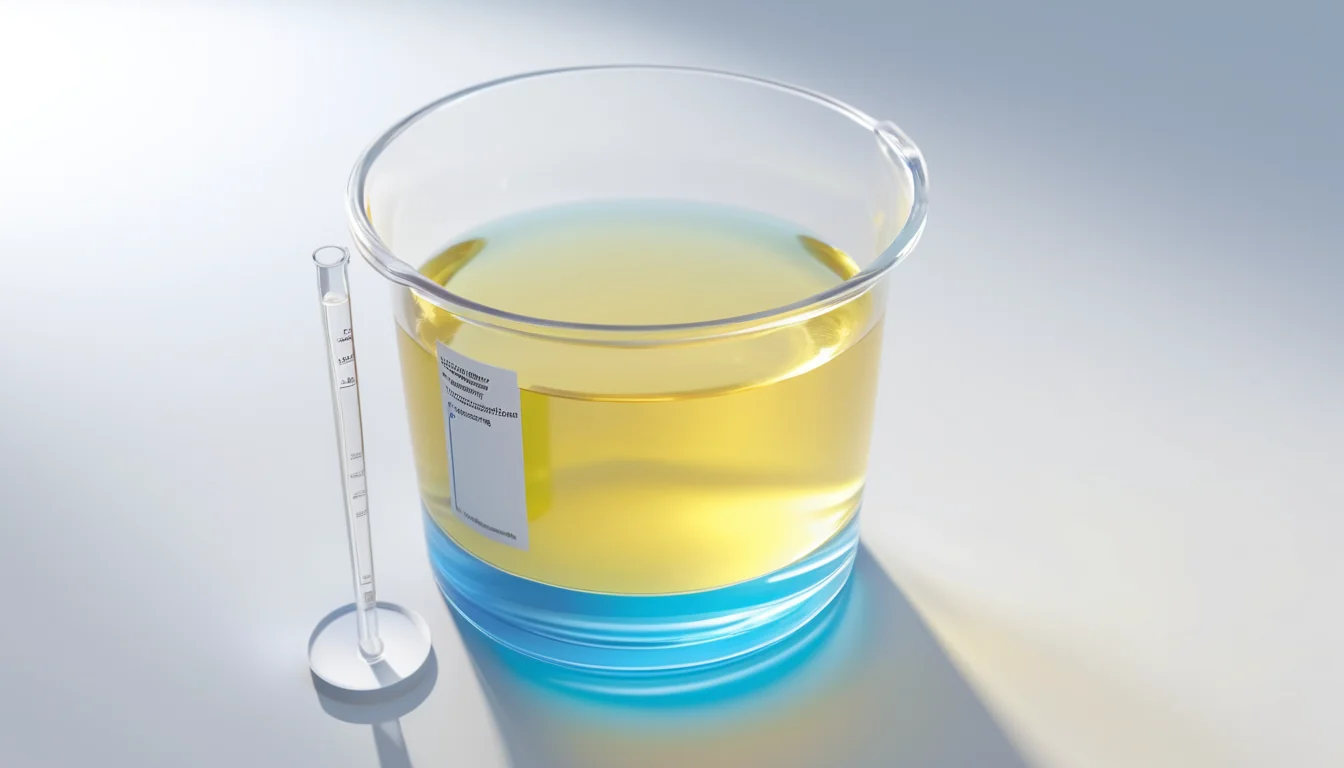
Healthy urine is typically pale yellow to amber in colour. The shade depends mostly on how much water you drink. Therefore, darker urine often means you need to drink more fluids.
When Colour Changes Are Harmless
Certain foods and medications can change your urine colour temporarily. For example, eating beets or red cabbage can turn urine pinkish or reddish. Some antibiotics, vitamins, and other medications can also cause colour changes. These changes are usually harmless and go away on their own.
When Colour Changes Signal a Problem
Dark brown or tea-coloured urine can be a sign of liver disease or jaundice, where bile enters the bloodstream and is then filtered into the urine. Red or pink urine that is not caused by food may contain blood — a symptom that always needs medical attention. Orange urine can point to dehydration or, in some cases, a liver or bile duct issue.
In addition, cloudy or murky urine in a fresh, warm sample may signal a urinary tract infection (UTI), which is very common in Canada and easily treated with antibiotics from your family doctor or walk-in clinic.
Urine Smell: What Your Nose Can Tell You
Fresh urine has a mild, specific smell. However, a strong ammonia or barn-like odour is often a sign of a urinary infection. This happens when bacteria ferment the urine, producing that sharp smell.
Some foods — like asparagus or garlic — can also change the smell of urine temporarily. Furthermore, people with uncontrolled diabetes may notice a sweet or fruity, acetone-like smell in their urine. This is caused by ketones, which are produced when the body burns fat instead of sugar for energy.
Urine Volume: How Much Is Too Much or Too Little?
Most healthy adults produce between one and one-and-a-half litres of urine per day. However, this number changes depending on how much you drink, how much you sweat, and your overall health.
Low Urine Output (Oliguria)
Producing less than 500 millilitres of urine per day is called oliguria. This can happen after severe dehydration, heavy blood loss, or serious burns. It is also a warning sign of kidney failure or heart failure, conditions where the body holds onto fluid. As a result, waste products build up in the blood, which can become dangerous quickly.
Blocked urinary passages — from kidney stones or an enlarged prostate — can also reduce urine flow. If you notice a significant drop in how much you urinate, see a doctor promptly.
High Urine Output (Polyuria)
Producing more than two litres of urine per day is called polyuria. Drinking a lot of fluids, consuming alcohol, or taking diuretic medications (sometimes called water pills) can all increase urine output temporarily. However, persistent polyuria can be a sign of diabetes, a condition where uncontrolled blood sugar causes the body to flush out large amounts of fluid.
Chronic kidney diseases such as glomerulonephritis can also cause the kidneys to lose their ability to concentrate urine properly, leading to very high urine output. Your provincial health plan covers tests that can diagnose these conditions. Ask your family doctor for a referral if needed.
Learn more about diabetes and urine symptoms at Mayo Clinic’s diabetes overview.
Urine Density and pH: The Chemical Side of a Urine Test
A urine test also measures two important chemical properties: specific gravity (density) and pH. These numbers help your doctor understand how well your kidneys are working and whether your body’s chemistry is balanced.
Specific Gravity (Urine Density)
Specific gravity measures how concentrated your urine is compared to pure water. Water has a specific gravity of 1.000. Normal urine ranges from 1.015 to 1.030. A higher number means more concentrated urine, and a lower number means more dilute urine.
When you drink a lot of fluids, your urine becomes more dilute and the specific gravity drops. When you are dehydrated, the opposite happens. However, a specific gravity that stays below 1.012 on repeated tests may mean your kidneys can no longer concentrate urine properly — a possible sign of chronic kidney disease. A reading above 1.030 may point to dehydration or uncontrolled diabetes, where dissolved sugar adds to the density of the urine.
Urine pH: Acid or Alkaline?
The pH scale runs from 0 to 14. A pH below 7 is acidic and a pH above 7 is alkaline (basic). Normal urine is slightly acidic, with a pH between 5.5 and 6.5. Your diet has a strong influence on your urine pH. For example, a diet rich in meat tends to produce more acidic urine. A vegetarian diet or use of antacid medications tends to produce more alkaline urine.
Abnormal pH levels can sometimes help doctors identify urinary tract infections, kidney stones, or metabolic conditions. Doctors rarely use pH alone to make a diagnosis, but it adds useful information to the full picture of a urine test.
Urine Clarity: Clear, Cloudy, or Something Else?
Fresh, healthy urine is clear and transparent. If you let urine sit for a few hours — especially in the cold — it may become slightly cloudy. This happens because mineral salts naturally present in urine can settle out of solution. This is normal and not a cause for concern.
In contrast, urine that is cloudy when it is fresh and warm is worth investigating. Cloudy fresh urine can indicate the presence of pus, mucus, or bacteria from an infection. It can also result from very high calcium intake, such as consuming large amounts of dairy products. Blood in the urine may cause it to appear red or brownish, and you may even see small clots. Always assess urine in a clear glass or container for the most accurate observation.
For a broader look at what urinalysis can reveal, see this resource from Healthline’s guide to urinalysis.
When to See a Doctor About Your Urine Test Results
Many urine changes are harmless and linked to diet or hydration. However, some signs need prompt medical attention. Visit your family doctor or a walk-in clinic if you notice any of the following:
- Blood in your urine — pink, red, or brown colour not explained by food
- Pain or burning when you urinate
- A strong ammonia or foul smell that persists
- Very dark urine combined with yellowing of the skin or eyes
- A dramatic change in urine volume — much more or much less than usual
- Cloudy urine that is fresh and warm
- Frequent urination at night, which may signal a kidney or prostate issue
Most provincial health plans in Canada cover routine urine testing when ordered by your doctor. Your family doctor can order a urine test quickly, and results are often available within a day or two. If you do not have a family doctor, a walk-in clinic can also order this test. Early detection of kidney problems, diabetes, and infections leads to better outcomes — so do not put it off.
As always, this article is meant for general information only. Please speak with a qualified healthcare provider before making any decisions about your health or treatment.
Frequently Asked Questions About Urine Tests
What does a urine test check for?
A urine test checks the physical properties of urine — such as colour, clarity, and smell — as well as chemical properties like pH, glucose, protein, and blood. It can also involve a microscopic exam to look for bacteria, white blood cells, or other particles. Together, these results help doctors detect infections, kidney disease, diabetes, and other conditions.
What colour should healthy urine be?
Healthy urine is typically pale yellow to amber in colour. Darker yellow usually means you need to drink more water. Unusual colours like red, brown, or orange can sometimes signal a medical issue and are worth discussing with your doctor.
Is a urine test covered by provincial health insurance in Canada?
Yes, a routine urine test ordered by a doctor is generally covered by provincial and territorial health plans across Canada. You can get this test ordered by your family doctor or at most walk-in clinics. Coverage details may vary slightly by province, so check with your local health authority if you are unsure.
Why does my urine smell strong?
Strong-smelling urine is often caused by dehydration — when urine is more concentrated, the smell is more intense. Certain foods like asparagus, a urinary tract infection, or uncontrolled diabetes can also cause unusual odours. If the smell is persistent or accompanied by pain or burning, a urine test at your local clinic can help find the cause.
What does cloudy urine mean?
Cloudy urine that has been sitting for a while is usually harmless — mineral salts naturally settle out of solution as urine cools. However, fresh, warm urine that is cloudy may indicate a urinary tract infection, high calcium intake, or the presence of blood. If your urine is consistently cloudy, talk to your family doctor or visit a walk-in clinic for a urine test.
What is a normal urine pH level?
According to Mayo Clinic’s urinalysis overview, this information is supported by current medical research.
For more information, read our guide on urinary aldosterone test results guide for Canadians.
Normal urine pH falls between 5.5 and 6.5, which means it is slightly acidic. Your diet can shift this number — meat-heavy diets tend to make urine more acidic, while plant-based diets or antacid medications tend to make it more alkaline. Your doctor uses urine pH as one part of a broader urine test to assess your kidney and metabolic health.
Key Takeaways
- A urine test is a simple, effective tool that has been used in medicine for thousands of years.
- Normal urine is pale yellow, clear, and slightly acidic with a pH between 5.5 and 6.5.
- Colour, smell, volume, density, and pH all give important clues about your overall health.
- Harmless changes in urine are often linked to food, hydration, or medication.
- Blood in the urine, persistent cloudiness, strong odour, or major changes in volume should be assessed by a healthcare provider.
- Routine urine testing is covered by most provincial health plans — your family doctor or walk-in clinic can order one quickly.
- Always consult a qualified healthcare professional for personal medical advice and diagnosis.
Frequently Asked Questions
What do urine test results mean?
Urine test results measure substances like protein, glucose, red blood cells, and bacteria in your urine. Normal results show no abnormal levels of these markers. Abnormal urine test results may indicate conditions such as urinary tract infections, kidney disease, diabetes, or dehydration, requiring follow-up with your doctor.
What are the symptoms that mean you need a urine test?
Common symptoms that may prompt a urine test include burning during urination, frequent urges to urinate, cloudy or foul-smelling urine, blood in urine, pelvic pain, fever, or unexplained fatigue. Canadians experiencing these symptoms should see a family doctor or visit a walk-in clinic promptly for proper assessment.
How are abnormal urine test results treated in Canada?
Treatment depends on the underlying cause. Bacterial infections are typically treated with antibiotics prescribed by a physician. Kidney issues may require specialist referral, dietary changes, or medication. Diabetes-related findings need blood sugar management. Your doctor will review your urine test results and recommend an appropriate, personalized treatment plan.
Can you prevent abnormal urine test results?
Many causes of abnormal urine test results are preventable. Staying well-hydrated, practising good hygiene, urinating after intercourse, managing chronic conditions like diabetes, limiting sodium intake, and attending regular health checkups can significantly reduce your risk of urinary and kidney problems that lead to abnormal findings.
When should you see a doctor about your urine test results?
See a doctor immediately if your urine test results show blood, high protein, bacteria, or abnormal glucose levels. Seek urgent care if you experience severe pain, high fever, or swelling alongside abnormal results. In Canada, your family doctor, walk-in clinic, or a telehealth service like Maple can help interpret findings quickly.

About the Author
Dr. James Okafor, MD, PhDDr. James Okafor holds an MD and PhD in Neurological Sciences from McGill University. With 12 years of experience in clinical neurology and mental health research, he has contributed to landmark studies on depression, anxiety, and cognitive health. Dr. Okafor is a Fellow of the Royal College of Physicians and Surgeons of Canada and serves on the editorial board of two peer-reviewed journals.
View all articles →