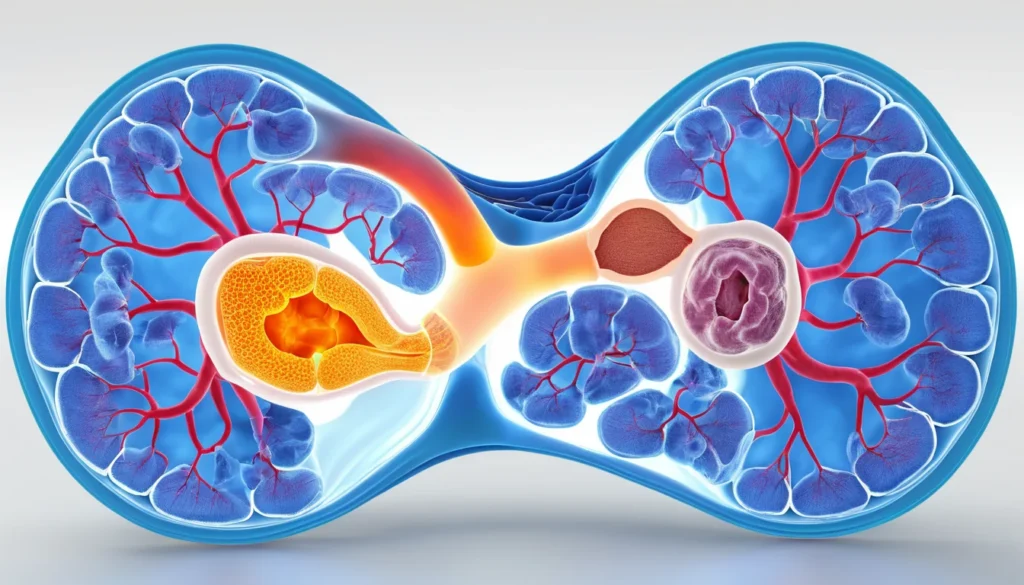
A urinary aldosterone test measures the amount of the hormone aldosterone that your kidneys release into your urine over a set period, typically 24 hours. This important diagnostic tool helps your doctor evaluate how well your adrenal glands are functioning and whether they are producing too much or too little aldosterone. For Canadians seeking answers about unexplained high blood pressure or electrolyte imbalances, understanding this test is a critical first step.
How the Urinary Aldosterone Test Works and What It Reveals
Aldosterone plays a central role in regulating blood pressure and fluid balance throughout your body, making adrenal gland testing essential for accurate diagnosis. When aldosterone levels are abnormal, you may experience symptoms such as persistent hypertension, muscle weakness, or fatigue. By learning what the urinary aldosterone test involves and how to prepare, you can have a more confident and informed conversation with your family doctor or specialist here in Canada.
What Is Aldosterone and Why Does It Matter?
Conditions Identified Through a Urinary Aldosterone Test: Types and Management
| Condition | Characteristics | Aldosterone Level | Management Approach |
|---|---|---|---|
| Primary Hyperaldosteronism (Conn’s Syndrome) | Adrenal gland overproduces aldosterone; causes resistant hypertension, low potassium, muscle weakness | Elevated (typically above 33 nmol/day in 24-hour urine) | Adrenalectomy for adrenal adenoma; mineralocorticoid receptor antagonists (e.g., spironolactone) for bilateral hyperplasia |
| Secondary Hyperaldosteronism | Elevated aldosterone due to external stimuli such as renal artery stenosis, heart failure, or cirrhosis | Elevated, with correspondingly high renin levels | Treat underlying cause; ACE inhibitors or ARBs; dietary sodium restriction; referral to specialist |
| Hypoaldosteronism | Insufficient aldosterone production; causes low blood pressure, high potassium, fatigue, and salt cravings | Below normal range (less than 6 nmol/day in 24-hour urine) | Fludrocortisone replacement therapy; increased dietary sodium intake; regular electrolyte monitoring |
| Adrenal Insufficiency (Addison’s Disease) | Autoimmune or infectious damage to adrenal cortex; affects both cortisol and aldosterone production | Low to undetectable aldosterone output | Lifelong hydrocortisone and fludrocortisone replacement; endocrinology follow-up at Canadian centres; MedicAlert bracelet recommended |
| Pseudohypoaldosteronism | Normal or elevated aldosterone but resistance at receptor level; presents similarly to true hypoaldosteronism | Normal to elevated despite clinical deficiency symptoms | High-sodium diet; sodium supplementation in infants; genetic counselling; monitoring by pediatric or adult endocrinologist |
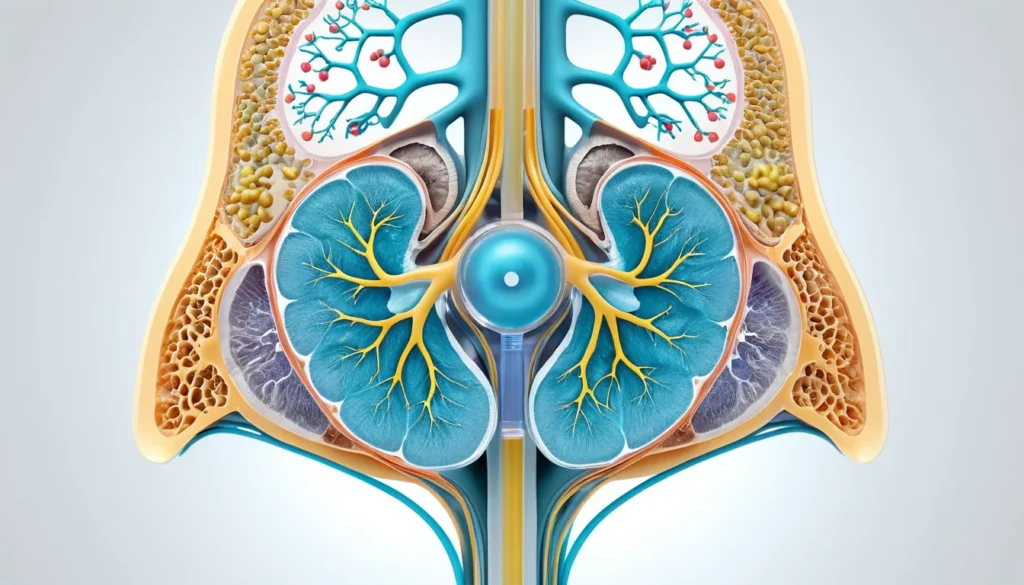
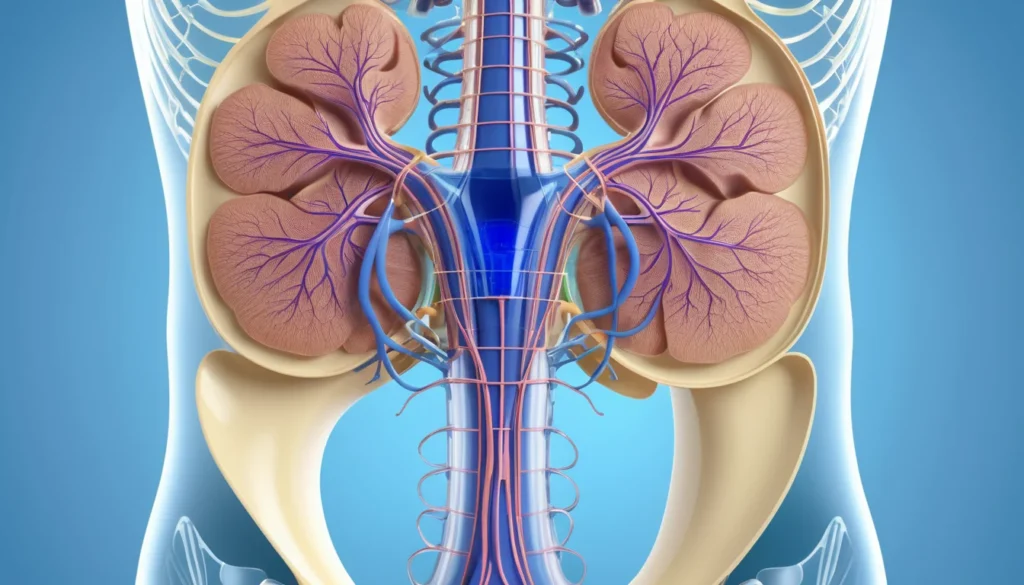
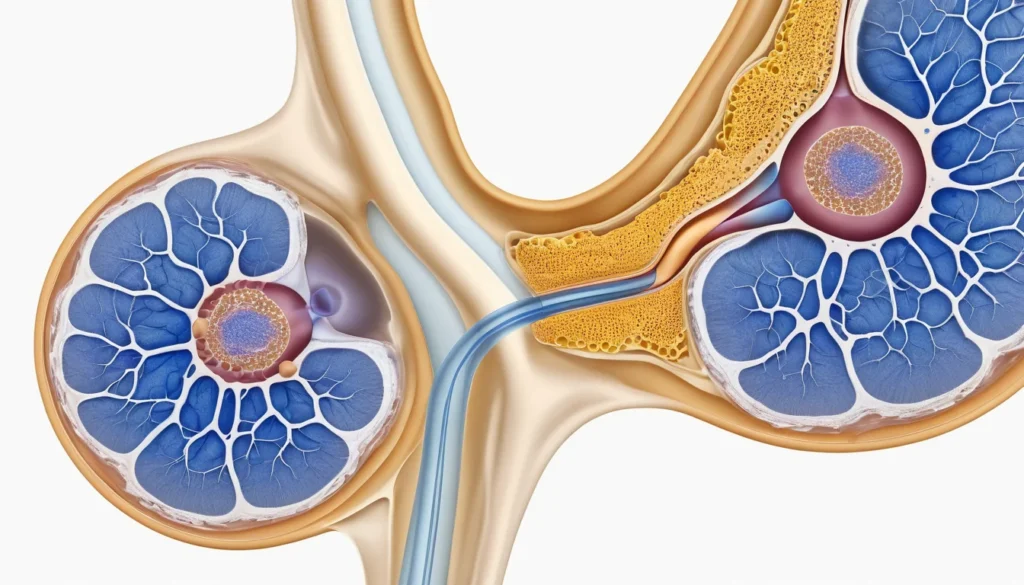
Aldosterone is a hormone made by your adrenal glands, which sit on top of each kidney. It controls how much sodium your body holds onto and how much potassium you release. This balance directly affects your blood pressure and the total volume of blood in your body.
When aldosterone levels are too high or too low, your body struggles to keep this balance. As a result, you may develop high blood pressure, low potassium, or other health problems. Therefore, measuring aldosterone is an important step in understanding certain conditions that affect the heart, kidneys, and blood pressure.
According to Mayo Clinic, aldosterone is one of the key hormones involved in regulating blood pressure. It works closely with another hormone called renin, and doctors often test both together for a fuller picture of adrenal health.
What Does the Urinary Aldosterone Test Measure?
The urinary aldosterone test measures the amount of aldosterone your body excretes through urine over a set period, usually 24 hours. Unlike a blood test, a urine collection gives your doctor a broader view of how much aldosterone your body produces throughout the day. This is helpful because hormone levels naturally rise and fall at different times.
Your doctor may also compare your urinary aldosterone results with other tests, such as a blood aldosterone level or a plasma renin activity test. Together, these results give a more complete picture of your adrenal gland function. In addition, this combination of tests helps doctors avoid misdiagnosis from a single reading.
How Is the Test Performed?
The test uses a method called liquid chromatography with tandem mass spectrometry, or LC/MS-MS. This is a highly accurate laboratory technique that separates and identifies hormones in your urine sample. Most Canadian hospital and private labs use this method for reliable results.
You will collect all of your urine over a 24-hour period in a special container provided by your lab or clinic. It is important to follow the collection instructions carefully. Missing even one urine sample during the collection period can affect the accuracy of your results.
Why Would Your Doctor Order a Urinary Aldosterone Test?
Your family doctor or a specialist may recommend a urinary aldosterone test for several reasons. The most common reason is to investigate high blood pressure that is difficult to control, even with medication. Another reason is to check for a condition called hyperaldosteronism, where the adrenal glands produce too much aldosterone.
However, it is worth noting that the urinary aldosterone test has some limitations when used alone to diagnose hyperaldosteronism. Doctors typically use it alongside blood tests and imaging studies to get a full diagnosis. Furthermore, abnormal results do not always point to a serious condition, so follow-up testing is usually needed.
Your doctor may also order this test if you have:
Persistently low potassium levels in your blood
Unexplained high blood pressure at a young age
A suspected adrenal gland tumour or growth
Symptoms of Conn’s syndrome, a type of hyperaldosteronism
Signs of adrenal insufficiency, where the glands do not produce enough hormones
How to Prepare for a Urinary Aldosterone Test
Preparing properly for a urinary aldosterone test is very important. Certain foods, drinks, and medications can significantly change your results. Your doctor will give you specific instructions before the test, and you should follow them closely.
Foods and Drinks to Avoid
Your doctor may ask you to follow a controlled salt diet for several days before the test. Foods that are very high or very low in sodium can shift your aldosterone levels and make the results misleading. In addition, liquorice root and some herbal supplements are known to affect aldosterone, so avoid these unless your doctor says otherwise.
Caffeine and alcohol may also interfere with hormone levels. Therefore, your doctor may ask you to limit or avoid these in the days leading up to your collection. Always ask your healthcare provider for a complete list of what to avoid.
Medications That May Affect Results
Several common medications can raise or lower aldosterone levels. These include diuretics (water pills), blood pressure medications such as ACE inhibitors and ARBs, anti-inflammatory drugs, and hormonal medications. Your doctor may ask you to stop taking certain medications for a period before the test.
Never stop taking a prescribed medication without talking to your doctor first. Your healthcare provider will weigh the risks and benefits and decide whether it is safe to pause any treatments before testing. This is especially important if you take medication for heart disease or high blood pressure.
For more information on how medications affect hormone testing, visit Healthline’s hormone health resource centre.
Understanding Your Urinary Aldosterone Test Results
Normal aldosterone levels in urine can vary depending on the laboratory and the method used. Your lab report will usually include a reference range to help you and your doctor interpret your results. Results that fall outside this range may need further investigation.
High urinary aldosterone levels may suggest that your adrenal glands are overactive. This can happen due to a benign tumour on one adrenal gland, or because both glands are overproducing aldosterone. As a result, your doctor may refer you to an endocrinologist, a specialist in hormone disorders, for further evaluation.
What If Results Are Low?
Low aldosterone levels may point to adrenal insufficiency, a condition where the adrenal glands do not produce enough hormones. This can cause fatigue, low blood pressure, and dizziness. Your doctor will review your full medical history and other test results before drawing any conclusions.
It is also possible for results to be affected by the collection process itself. For example, if you did not collect all your urine during the 24-hour period, your levels may appear lower than they actually are. Therefore, accuracy during collection is essential for meaningful results.
The Health Canada website offers general guidance on understanding lab tests and navigating the Canadian healthcare system.
When to See a Doctor
You should speak with your family doctor if you have ongoing high blood pressure that does not improve with lifestyle changes or medication. Low potassium levels, frequent urination, muscle weakness, or unusual fatigue are also signs worth discussing. These symptoms can sometimes point to adrenal gland problems that a urinary aldosterone test can help identify.
If you do not have a family doctor, a walk-in clinic can be a good first step. A walk-in doctor can order initial blood and urine tests, review your symptoms, and refer you to a specialist if needed. Many provinces in Canada also offer telehealth services, so you can speak with a healthcare provider from home.
Do not try to interpret your test results on your own. Lab values are only one piece of the puzzle. Always consult a qualified healthcare provider before making any decisions about your health or treatment.
Frequently Asked Questions About the Urinary Aldosterone Test
What is a urinary aldosterone test used for?
A urinary aldosterone test is used to measure how much aldosterone your body releases through urine, usually over 24 hours. It helps doctors evaluate adrenal gland function and investigate causes of high blood pressure or abnormal potassium levels. This test is often ordered alongside blood tests for a more complete picture.
How do I collect a urine sample for an aldosterone test?
You will collect all urine produced over a 24-hour period in a special container given to you by the lab or clinic. It is important to capture every urine sample during this window, as missing any can affect the accuracy of your urinary aldosterone test results. Your lab will provide detailed instructions on storage and drop-off.
What can affect urinary aldosterone test results?
Several factors can influence your urinary aldosterone test results, including your salt intake, certain medications, stress, and physical activity. Foods like liquorice and supplements can also alter levels. Always follow your doctor’s preparation instructions carefully to ensure your results are as accurate as possible.
What does high aldosterone in urine mean?
High aldosterone levels in urine may indicate a condition called hyperaldosteronism, where one or both adrenal glands produce too much aldosterone. This can contribute to high blood pressure and low potassium. However, a single abnormal urinary aldosterone test result is not enough for a diagnosis on its own, and further testing is usually required.
Is a urinary aldosterone test covered by provincial health plans in Canada?
Coverage for a urinary aldosterone test varies by province and depends on the clinical reason your doctor orders it. In many cases, if your doctor deems the test medically necessary, it may be covered under your provincial health plan. Check with your doctor’s office or provincial health authority for details specific to your region.
What is the difference between a blood aldosterone test and a urinary aldosterone test?
According to Mayo Clinic’s guide to aldosterone and adrenal hormones, this information is supported by current medical research.
For more information, read our guide on serum albumin test and what your levels mean in Canada.
A blood aldosterone test measures the hormone at a single point in time, while a urinary aldosterone test captures your total output over 24 hours. The urine test can provide a more stable and comprehensive view of your aldosterone levels throughout the day. Doctors often use both types of tests together for the most accurate assessment of adrenal function.
Key Takeaways
The urinary aldosterone test measures aldosterone levels in your urine over 24 hours to assess adrenal gland function.
Aldosterone controls sodium balance and plays a major role in regulating blood pressure.
Doctors may order this test if you have hard-to-control high blood pressure, low potassium, or suspected adrenal conditions.
Certain foods and medications can affect your results, so always follow your doctor’s preparation instructions carefully.
Abnormal results require further investigation and should never be interpreted without professional medical guidance.
If you have concerns about your blood pressure or adrenal health, speak with your family doctor or visit a walk-in clinic in your area.
Always consult a qualified healthcare provider before making any health decisions based on test results.
Frequently Asked Questions
What is a urinary aldosterone test?
A urinary aldosterone test measures the amount of aldosterone — a hormone produced by the adrenal glands — excreted in your urine over 24 hours. It helps diagnose conditions like primary aldosteronism, adrenal tumours, and high blood pressure caused by hormonal imbalances. It is ordered by a doctor and processed through a Canadian medical laboratory.
What symptoms indicate you may need a urinary aldosterone test?
Common symptoms that may prompt a urinary aldosterone test include difficult-to-control high blood pressure, low potassium levels (hypokalemia), muscle weakness, frequent urination, and excessive thirst. Canadians experiencing these symptoms alongside unexplained fatigue or headaches should speak with their family doctor or endocrinologist for proper evaluation.
How is high aldosterone treated in Canada?
Treatment depends on the underlying cause. An adrenal gland tumour (adenoma) is often surgically removed. For bilateral adrenal hyperplasia, doctors prescribe aldosterone-blocking medications like spironolactone or eplerenone. Lifestyle changes including a low-sodium diet and blood pressure management are also recommended. A Canadian endocrinologist typically oversees long-term treatment planning.
Can you prevent abnormal aldosterone levels?
While genetic causes cannot be prevented, you can reduce risk factors by maintaining a healthy weight, limiting sodium intake, exercising regularly, and managing stress. Controlling blood pressure through lifestyle and medication also helps protect adrenal function. Early detection through routine checkups significantly improves outcomes for Canadians with hormonal imbalances.
When should Canadians see a doctor about a urinary aldosterone test?
See a doctor if you have persistent high blood pressure unresponsive to standard medications, recurring low potassium, or unexplained muscle cramps and weakness. Canadians with a family history of adrenal disorders should also consult a physician. Early testing allows timely diagnosis, preventing serious complications like stroke, heart disease, or kidney damage.