
Hemolytic Anemia: Symptoms, Causes & Treatment in Canada

Share
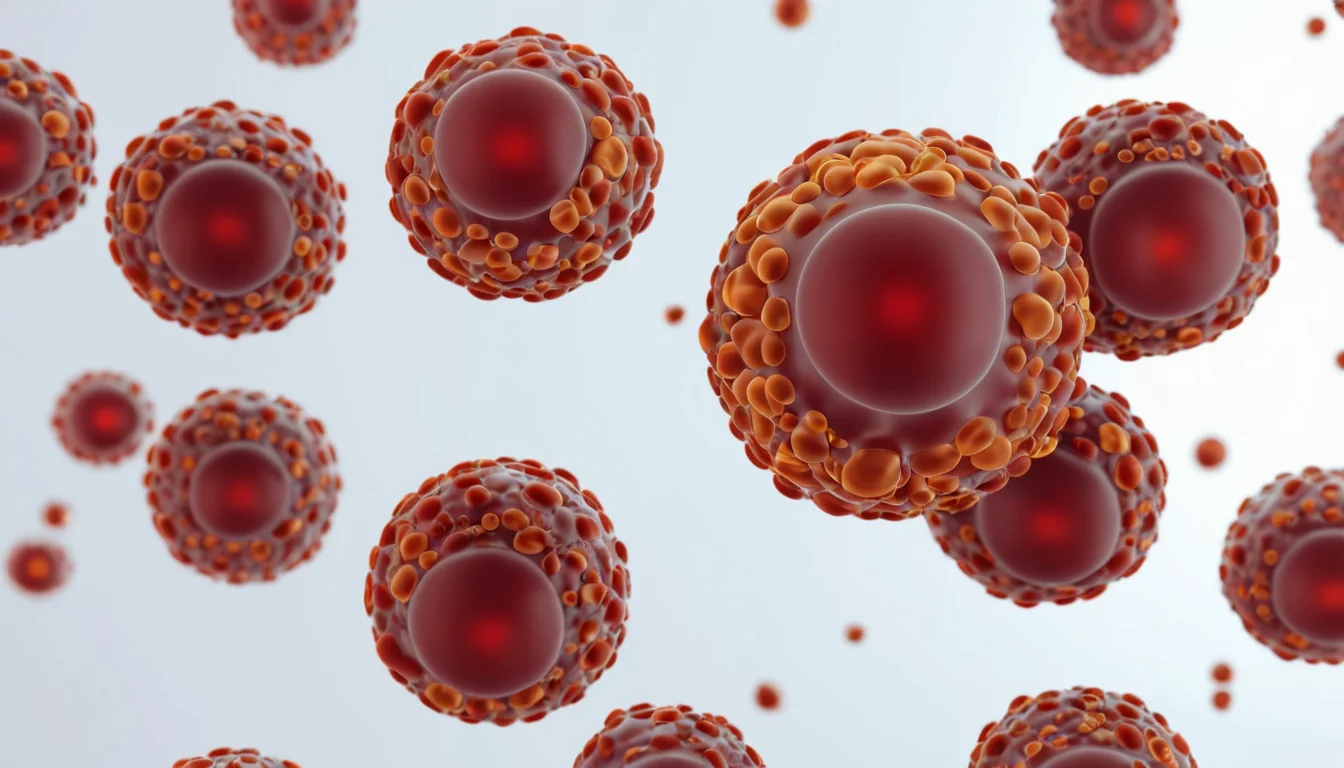
Hemolytic anemia is a blood disorder in which red blood cells are destroyed faster than your bone marrow can produce them, leaving your body without enough healthy cells to deliver oxygen effectively. This condition can range from mild to life-threatening and affects Canadians of all ages, making early recognition essential.
What Is Hemolytic Anemia and How Does It Affect Your Body?
Understanding the most common hemolytic anemia symptoms — such as persistent fatigue, dizziness, and shortness of breath — can help you seek timely medical care. In this comprehensive guide, you will learn what causes hemolytic anemia, how Canadian doctors diagnose it, and which treatment options are available across the country.
What Is Hemolytic Anemia?
| Type of Hemolytic Anemia | Key Characteristics | Common Causes | Management Approach |
|---|---|---|---|
| Autoimmune Hemolytic Anemia (AIHA) | Immune system produces antibodies that attack red blood cells; can be warm or cold antibody type | Lupus, lymphoma, certain medications, idiopathic | Corticosteroids, immunosuppressants, rituximab; splenectomy in refractory cases |
| Hereditary Spherocytosis | Genetic defect causes fragile, sphere-shaped red blood cells with shortened lifespan | Mutations in red blood cell membrane proteins; autosomal dominant inheritance | Folic acid supplementation, blood transfusions, splenectomy for moderate-to-severe cases |
| G6PD Deficiency | Enzyme deficiency triggers hemolysis upon exposure to oxidative stressors; X-linked condition | Inherited enzyme deficiency; triggered by infections, certain foods, or medications | Avoid triggers (e.g., fava beans, certain antibiotics), supportive care, transfusions if severe |
| Microangiopathic Hemolytic Anemia (MAHA) | Mechanical destruction of red blood cells within damaged or narrowed blood vessels | TTP, HUS, DIC, malignant hypertension | Treat underlying condition; plasma exchange for TTP; specialist referral through Canadian hospital centres |
| Sickle Cell Disease | Abnormal hemoglobin causes red blood cells to sickle, leading to chronic hemolysis and vascular occlusion | Inherited mutation in hemoglobin gene; autosomal recessive | Hydroxyurea, pain management, blood transfusions, hematopoietic stem cell transplant in eligible patients |
Red blood cells normally live for about 120 days before your body breaks them down and replaces them. With hemolytic anemia, that process is cut short. Your bone marrow simply cannot keep up with the rate of destruction.
The medical term for the breakdown of red blood cells is hemolysis. When hemolysis happens too fast, oxygen delivery throughout your body suffers. As a result, you may feel tired, dizzy, or short of breath even with light activity.
According to Health Canada, blood disorders like anemia are among the most common conditions managed by family doctors and specialists across the country.
Types of Hemolytic Anemia
There are two main types of hemolytic anemia: intrinsic and extrinsic. Understanding the difference helps your doctor choose the right treatment.
Intrinsic Hemolytic Anemia
Intrinsic hemolytic anemia starts inside the red blood cells themselves. A defect within the cell causes it to break down too early. These conditions are often inherited, meaning they are passed down through families.
Common examples include:
- Sickle cell disease — red blood cells become crescent-shaped and fragile
- Thalassemia — the body produces abnormal hemoglobin, weakening the cells
Because these are genetic conditions, they are usually diagnosed early in life. However, some people do not receive a diagnosis until adulthood.
Extrinsic Hemolytic Anemia
In extrinsic hemolytic anemia, the red blood cells are healthy when they form. However, outside forces later destroy them. This type is sometimes called immune hemolytic anemia.
Common causes include:
- Infections — such as hepatitis, cytomegalovirus (CMV), Epstein-Barr virus (EBV), typhoid fever, E. coli, or streptococcal infections
- Medications — including penicillin, anti-malarial drugs, sulfa drugs, or high doses of acetaminophen
- Autoimmune disorders — such as lupus, rheumatoid arthritis, Wiskott-Aldrich syndrome, or ulcerative colitis
- Blood cancers — including leukemia or lymphoma
- An enlarged spleen — which can trap and destroy red blood cells prematurely
Some forms of extrinsic hemolytic anemia improve with treatment and may go into remission. Others are chronic and cycle through periods of remission and flare-up over time.
Symptoms of Hemolytic Anemia
The symptoms of hemolytic anemia can vary depending on how quickly the red blood cells are being destroyed. Mild cases may cause only slight fatigue. Severe cases can lead to serious complications.
Common symptoms include:
- Unusual paleness of the skin
- Jaundice — yellowing of the skin, whites of the eyes, or mouth
- Dark or tea-coloured urine
- Fever
- Weakness and fatigue
- Dizziness or lightheadedness
- Confusion or difficulty concentrating
- Trouble with physical activity or exercise
- An enlarged spleen or liver
- Rapid heartbeat (tachycardia)
- Heart murmur
If you notice jaundice or very dark urine alongside fatigue, do not wait. These signs together can point to a more serious form of hemolytic anemia that needs prompt attention.
How Is Hemolytic Anemia Diagnosed?
Your family doctor will start with a full physical exam and a review of your medical history. From there, they may order a series of tests to confirm the diagnosis and find the underlying cause.
Blood Tests
Blood tests are the first step in diagnosing hemolytic anemia. Your doctor will look at your hemoglobin levels and count your reticulocytes. Reticulocytes are young red blood cells — a high count suggests your bone marrow is working overtime to replace destroyed cells.
Additional blood tests may check your liver function and look for certain antibodies that attack red blood cells. These results help your doctor understand whether your immune system is involved.
Bone Marrow Aspiration and Biopsy
In some cases, your doctor may recommend a bone marrow test. This procedure collects a small sample of fluid or solid tissue from your bone marrow, usually from the hip bone. The sample is then examined under a microscope to check the number, size, and maturity of blood cells.
This test sounds intimidating, but it is a routine procedure done in a hospital or specialist clinic. Your care team will explain what to expect and manage any discomfort. Learn more about blood disorders and testing at the Mayo Clinic’s anemia resource page.
Treatment Options for Hemolytic Anemia
Treatment for hemolytic anemia depends on what is causing it, how severe it is, and your overall health. Your doctor will create a plan that fits your specific situation. There is no single treatment that works for everyone.
Your doctor will consider:
- Your age and general health
- How quickly the condition is progressing
- Any medications or treatments you cannot tolerate
- Your personal preferences and goals for care
Common Treatments
For milder cases, treatment may include:
- Blood transfusions — to quickly raise your red blood cell count and relieve symptoms
- Intravenous immunoglobulin (IVIG) — a therapy that helps strengthen your immune system and slow red blood cell destruction
These treatments can often be managed through a hospital outpatient programme or a specialist’s office. In Canada, these services are covered under most provincial health plans, though wait times may vary by province.
Treatments for Severe Cases
More serious cases of hemolytic anemia may require hospitalization. In hospital, your care team may use:
- Exchange transfusion — a procedure where a large volume of blood is transfused while an equal amount of the damaged blood is removed
- Surgical removal of the spleen (splenectomy) — sometimes the spleen destroys red blood cells too aggressively, and removing it can help
- Immunosuppressive therapy — medications that calm an overactive immune system to stop it from attacking red blood cells
For inherited forms like sickle cell disease or thalassemia, long-term management plans are put in place. These often involve regular specialist visits, monitoring, and sometimes ongoing transfusion programmes.
For more information on treatment approaches, visit the World Health Organization’s page on sickle cell disease.
When to See a Doctor
If you have been feeling unusually tired, dizzy, or short of breath, it is worth booking an appointment with your family doctor. Do not ignore these symptoms, especially if they are getting worse over time.
You should seek care sooner — through a walk-in clinic or urgent care centre — if you notice any of the following:
- Sudden yellowing of your skin or eyes
- Very dark or cola-coloured urine
- A rapid or irregular heartbeat
- Severe fatigue that limits your daily activities
- Confusion or unusual mental fog
In Canada, your family doctor is the best first point of contact for ongoing symptoms. If you do not have a family doctor, a walk-in clinic can order initial blood work and refer you to a hematologist — a specialist in blood disorders — if needed. Most provincial health plans cover these referrals at no direct cost to you.
Do not try to diagnose or treat yourself. Only a qualified healthcare provider can properly evaluate your symptoms and recommend the right course of action.
What is the most common cause of hemolytic anemia?
The most common causes of hemolytic anemia include autoimmune disorders, certain infections, and inherited conditions like sickle cell disease or thalassemia. In autoimmune hemolytic anemia, the body’s immune system mistakenly attacks its own red blood cells. Your doctor can run blood tests to identify the specific cause in your case.
Can hemolytic anemia be cured?
Whether hemolytic anemia can be cured depends on its underlying cause. Some extrinsic forms — caused by medications or infections — can resolve once the trigger is removed. Inherited forms like sickle cell disease are lifelong conditions managed with ongoing treatment rather than cured outright.
Is hemolytic anemia serious?
Hemolytic anemia can range from mild to very serious. Mild cases may cause only fatigue and paleness, while severe cases can lead to heart complications or organ stress. Early diagnosis and treatment greatly improve outcomes, so it is important to see a doctor if you have concerning symptoms.
What does hemolytic anemia feel like?
People with hemolytic anemia often describe feeling extremely tired, dizzy, or breathless even with light activity. You may also notice your skin or eyes look yellowish — a sign called jaundice — or that your urine appears dark. These symptoms happen because your body does not have enough healthy red blood cells to carry oxygen efficiently.
How is hemolytic anemia treated in Canada?
In Canada, treatment for hemolytic anemia is guided by your family doctor or a hematologist and is covered under most provincial health plans. Options may include blood transfusions, immunoglobulin therapy, or medications to calm the immune system. Severe cases may require hospitalization for more intensive care such as exchange transfusions or surgery.
Can medications cause hemolytic anemia?
According to Mayo Clinic’s overview of hemolytic anemia, this information is supported by current medical research.
For more information, read our guide on hemoglobin blood test results and what they mean in Canada.
Yes, certain medications can trigger hemolytic anemia in some people. Common examples include penicillin, anti-malarial drugs, sulfa-based antibiotics, and in rare cases, high doses of acetaminophen. If you suspect a medication is affecting your blood health, speak with your doctor or pharmacist before stopping it on your own.
Key Takeaways
- Hemolytic anemia occurs when red blood cells are destroyed faster than your bone marrow can replace them.
- It can be intrinsic (caused by a defect within the cell, often inherited) or extrinsic (caused by outside factors like infections, medications, or autoimmune conditions).
- Common symptoms include fatigue, jaundice, dark urine, dizziness, and a rapid heartbeat.
- Diagnosis involves blood tests and sometimes a bone marrow biopsy, ordered by your family doctor or a specialist.
- Treatment depends on the cause and may include blood transfusions, IVIG therapy, immunosuppressive medications, or surgery.
- In Canada, most diagnostic tests and treatments are covered by provincial health plans — talk to your family doctor or visit a walk-in clinic to get started.
- Always consult a qualified healthcare provider for an accurate diagnosis and personalized treatment plan.
Frequently Asked Questions
What is hemolytic anemia?
Hemolytic anemia is a condition where red blood cells are destroyed faster than the bone marrow can replace them. This leads to a shortage of healthy red blood cells, reducing oxygen delivery throughout the body. It can be inherited or acquired through infections, medications, autoimmune disorders, or other underlying medical conditions.
What are the symptoms of hemolytic anemia?
Common symptoms include fatigue, pale or yellowish skin (jaundice), shortness of breath, rapid heartbeat, dark-coloured urine, dizziness, and an enlarged spleen or liver. Symptoms can range from mild to severe depending on how quickly red blood cells are being destroyed and the underlying cause.
How is hemolytic anemia treated in Canada?
Treatment depends on the underlying cause and may include corticosteroids, immunosuppressive medications, blood transfusions, folic acid supplements, or surgery to remove the spleen (splenectomy). In severe cases, bone marrow transplants may be considered. Canadian physicians typically tailor treatment plans based on whether the condition is inherited or acquired.
Can hemolytic anemia be prevented?
Inherited forms of hemolytic anemia cannot be prevented, but acquired forms may be preventable. Avoiding known triggers such as certain medications, infections, and toxins can reduce risk. Managing autoimmune conditions effectively and seeking early medical treatment for infections also helps lower the likelihood of developing this type of anemia.
When should you see a doctor for hemolytic anemia symptoms?
Seek medical attention promptly if you experience persistent fatigue, unexplained jaundice, dark or tea-coloured urine, rapid heartbeat, or severe shortness of breath. These can indicate significant red blood cell destruction requiring immediate evaluation. In Canada, visit your family doctor or an emergency department if symptoms appear suddenly or worsen quickly.

About the Author
Dr. Sarah Mitchell, MDDr. Sarah Mitchell is a board-certified family physician with over 15 years of clinical experience. She completed her MD at the University of Toronto and her residency at Toronto General Hospital. Dr. Mitchell specializes in preventive medicine and chronic disease management. She is a member of the College of Family Physicians of Canada (CFPC) and has published over 30 peer-reviewed articles on preventive health care.
View all articles →