Anxiety Relief: 5 Simple Ways to Feel Calmer (Canada)

Share
Anxiety relief is something millions of Canadians search for every day, and for good reason. Feeling worried, tense, or overwhelmed is one of the most common experiences we face, yet many people do not realize that effective relief is often within reach without medication or a specialist.
5 Proven Anxiety Relief Strategies That Work for Canadians
The good news is that learning how to calm anxiety naturally can start with small, everyday habits. According to Health Canada, anxiety disorders are among the most prevalent mental health concerns in the country, affecting people of all ages and backgrounds. In this article, you will discover five practical, expert-backed strategies designed to help you feel calmer, regain control, and protect your long-term mental health.
What Is Anxiety and Why Does It Happen?
| Treatment Option | Key Benefits | Considerations | Accessibility in Canada |
|---|---|---|---|
| Cognitive Behavioural Therapy (CBT) | Highly effective long-term anxiety relief; teaches coping skills; no medication side effects | Requires multiple sessions; may have waitlists in public system | Available through provincial health plans; also offered via BounceBack program (free) |
| Mindfulness-Based Stress Reduction (MBSR) | Reduces chronic anxiety and stress; improves emotional regulation; can be self-directed | Requires consistent practice; benefits take weeks to develop | Offered through many Canadian hospitals and community centres; apps like Calm widely used |
| Prescription Medication (SSRIs/SNRIs) | Clinically proven for moderate-to-severe anxiety; effective when combined with therapy | Possible side effects; requires physician supervision; not immediate relief | Covered under most provincial drug plans and private insurance; requires GP referral |
| Regular Physical Exercise | Natural anxiety relief; improves mood via endorphin release; benefits overall health | Requires motivation and consistency; severe anxiety may need additional support | Freely accessible; Canada’s 24-Hour Movement Guidelines recommend 150 min/week |
| Deep Breathing and Relaxation Techniques | Immediate calming effect; activates parasympathetic nervous system; no cost | Best used as a complementary tool; not sufficient as sole treatment for clinical anxiety | No referral needed; resources available through the Anxiety Canada website (anxietycanada.com) |
Anxiety is your body’s natural response to stress or perceived danger. It can show up as racing thoughts, a tight chest, trouble sleeping, or a constant sense of worry. For many Canadians, anxiety is a part of daily life.
In fact, Health Canada reports that anxiety disorders are among the most common mental health concerns in the country. Understanding what triggers your anxiety is the first step toward managing it well.
However, not all anxiety is the same. Some people feel mildly nervous before a big event. Others feel anxious almost every day. Both experiences are valid, and both can benefit from the strategies below.
5 Proven Anxiety Relief Strategies
These five methods are straightforward and do not require special equipment or training. You can start using them today. Furthermore, they work together — combining more than one will give you the best results.
1. Learn How to Truly Relax
Many of us think we are relaxing when we scroll through our phones or watch television. In reality, these activities can actually increase mental tension over time. True anxiety relief comes from giving your mind and body a genuine break.
Breathing exercises are one of the most effective tools available. Try slow, deep belly breathing for five minutes when you feel stressed. Breathe in for four counts, hold for four, and breathe out for four. This simple technique activates your body’s natural calming response.
Yoga is another excellent option. It combines gentle movement, controlled breathing, and mindfulness. As a result, it addresses both the physical and emotional sides of anxiety. Many community centres across Canada offer beginner-friendly yoga classes at low or no cost.
It is also worth noting that alcohol, tobacco, and other substances may feel like they reduce anxiety in the moment. However, this effect is only temporary. Over time, these substances can make anxiety worse and harder to manage.
2. Prioritise Sleep, Nutrition, and Exercise
Your physical health and your mental health are closely connected. When your body is well rested and properly fuelled, it is much better equipped to handle stress and anxiety.
Aim for seven to nine hours of sleep each night. Try to go to bed and wake up at the same time every day, even on weekends. Poor sleep is one of the biggest triggers for increased anxiety and low mood.
Nutrition also plays a key role. A diet rich in vegetables, fruits, whole grains, and fibre supports healthy brain function. The Mayo Clinic notes that what you eat can directly affect how you feel emotionally. Try to limit caffeine and sugar, as both can trigger or worsen feelings of anxiety.
Regular physical activity is one of the most well-researched forms of anxiety relief available. Exercise releases endorphins, which are natural mood-boosting chemicals in the brain. You do not need to run a marathon — a 30-minute walk three or four times a week can make a meaningful difference.
3. Practise Positive Thinking
Your thoughts have a powerful effect on how you feel. When anxiety takes hold, the mind tends to focus on worst-case scenarios. Learning to redirect your thinking is a core skill for long-term anxiety relief.
One helpful technique is to notice negative thoughts as they arise and gently challenge them. Ask yourself: is this thought based on fact or on fear? Often, the answer reveals that the worry is not as certain or as serious as it first seemed.
Allowing yourself to daydream, set personal goals, and imagine positive outcomes is not wishful thinking — it is a healthy mental habit. Focusing on what is going well in your life, even small things, can slowly shift your overall outlook. This approach is sometimes called gratitude practice, and research supports its effectiveness in reducing stress and anxiety.
In addition, setting small, achievable goals each day gives your mind something positive to focus on. Crossing items off your to-do list builds a sense of accomplishment and control, which directly counters the helplessness that anxiety often brings.
The Role of Social Connection in Managing Anxiety
4. Spend Quality Time With Friends and Family
Human connection is a powerful buffer against anxiety and stress. When you spend time with people you trust, your body releases oxytocin, a hormone that naturally reduces feelings of fear and tension.
Organise regular activities with the people who matter to you. It does not need to be elaborate — a walk together, a shared meal, or even a phone call can help. The important thing is to stay connected and not isolate yourself when anxiety feels overwhelming.
Talking openly about your worries with someone who listens without judgement can provide enormous relief. You may quickly discover that you are not alone in what you are feeling. Many Canadians struggle with anxiety, and sharing your experience can reduce its power over you.
Furthermore, offering support to others in your life can also benefit your own mental health. Helping a friend or neighbour shifts your focus outward and creates a sense of purpose and belonging, both of which support emotional well-being.
5. Spend Time in Nature
Stepping outside is one of the simplest and most accessible forms of anxiety relief available to Canadians. Research from the World Health Organization supports the idea that time in green spaces reduces stress hormones and improves overall mental health.
You do not need to travel far. A walk in your local park, time in your backyard, or even sitting near a window with natural light can have a calming effect. Canada is home to some of the most beautiful natural landscapes in the world, and taking advantage of them costs nothing.
Invite a friend, a family member, or a partner to join you. Combining social connection with fresh air and nature doubles the mental health benefit. If you prefer solitude, that is perfectly fine too — even a quiet walk alone can help reset your nervous system and clear your mind.
Make outdoor time a regular part of your routine, especially during the long Canadian winters when natural light is limited. Seasonal changes in mood and anxiety are very common in Canada, and staying active outdoors can help counteract those effects.
When to See a Doctor About Anxiety
The strategies above are effective for everyday anxiety and stress. However, if your anxiety is severe, persistent, or interfering with your work, relationships, or daily life, it is important to seek professional support.
Start by speaking with your family doctor. They can assess your symptoms, rule out any physical causes, and discuss treatment options including therapy, lifestyle changes, or medication if appropriate. If you do not have a family doctor, a walk-in clinic is a great first step and is covered by most provincial health plans.
You do not need to manage anxiety on your own. Canada has a range of mental health resources available, and your doctor can connect you with the right support for your situation. Early intervention almost always leads to better outcomes, so do not hesitate to reach out.
Frequently Asked Questions About Anxiety Relief
What is the fastest form of anxiety relief?
Deep breathing is one of the quickest methods of anxiety relief available. Try inhaling slowly for four counts, holding for four, and exhaling for four counts. This technique activates your body’s calming system within just a few minutes.
Can anxiety go away without medication?
Yes, many people find effective anxiety relief through lifestyle changes such as regular exercise, better sleep, and relaxation techniques. Therapy, particularly cognitive behavioural therapy (CBT), is also highly effective without the use of medication. Talk to your family doctor to find the best approach for your situation.
How does exercise help with anxiety relief?
Exercise releases endorphins, which are natural chemicals in the brain that improve mood and reduce stress. Regular physical activity also improves sleep quality, which is closely linked to anxiety levels. Even a 30-minute walk several times a week can provide meaningful anxiety relief.
Is anxiety covered under provincial health plans in Canada?
Visits to your family doctor or a walk-in clinic to discuss anxiety are covered by most provincial health plans across Canada. However, coverage for psychologists and therapists varies by province and employer benefit plan. Ask your doctor what mental health services are available to you at low or no cost.
What foods help with anxiety relief?
A diet high in fibre, vegetables, fruits, and whole grains supports healthy brain function and can reduce anxiety symptoms over time. Limiting caffeine, alcohol, and refined sugar is also helpful, as these can trigger or worsen feelings of anxiety. Staying well hydrated throughout the day also supports a calmer mood.
When should I see a doctor about my anxiety?
According to Health Canada’s mental health resources, this information is supported by current medical research.
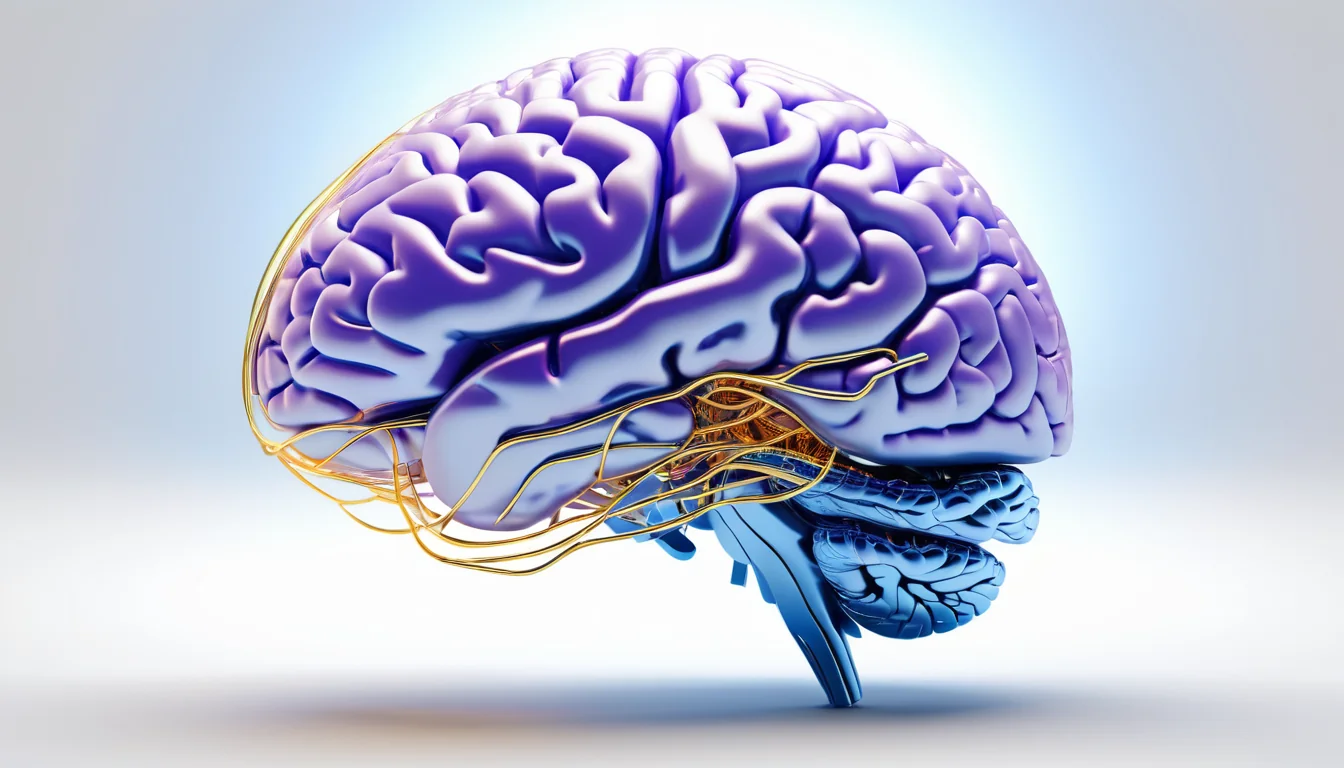
For more information, read our guide on how brain structures influence mental health.
You should speak to a doctor if your anxiety is frequent, intense, or affecting your daily life, relationships, or ability to work. Your family doctor or a walk-in clinic is a good starting point for anxiety relief and professional guidance. Most provincial health plans in Canada cover this type of visit at no out-of-pocket cost.
Key Takeaways
- Anxiety relief is possible through simple, everyday habits that support both your mind and body.
- True relaxation means more than screens — try deep breathing, yoga, or quiet time in nature.
- Sleep, a fibre-rich diet, and regular exercise are three of the most powerful tools for managing anxiety.
- Positive thinking and gratitude practices can gradually shift your mental outlook and reduce worry.
- Social connection and time spent with loved ones provide a natural buffer against stress and anxiety.
- Spending time outdoors in green spaces is a free and effective way to calm your nervous system.
- If anxiety is interfering with your daily life, speak with your family doctor or visit a walk-in clinic — help is available and covered by most provincial health plans.
Frequently Asked Questions
What is anxiety relief and how does it work?
Anxiety relief refers to strategies that reduce excessive worry, fear, and tension by calming the nervous system. Techniques like deep breathing, mindfulness, and physical activity lower cortisol levels and activate the parasympathetic nervous system, signaling your body that it’s safe and reducing the physical and emotional symptoms of anxiety.
What are the most common symptoms of anxiety in adults?
Common anxiety symptoms include persistent worry, racing heart, shortness of breath, muscle tension, difficulty concentrating, irritability, and trouble sleeping. Physical symptoms like sweating, trembling, and stomach upset are also frequent. In Canada, anxiety disorders affect approximately 1 in 4 people at some point during their lifetime.
What are the best anxiety relief methods recommended by Canadian doctors?
Canadian doctors commonly recommend deep diaphragmatic breathing, regular aerobic exercise, mindfulness meditation, limiting caffeine and alcohol, and maintaining consistent sleep schedules. Cognitive Behavioural Therapy (CBT) is considered the gold-standard psychological treatment. These approaches are supported by guidelines from the Canadian Mental Health Association.
Can anxiety be prevented through lifestyle changes?
Yes, consistent lifestyle habits can significantly reduce anxiety risk. Regular exercise, adequate sleep, balanced nutrition, social connection, and stress management techniques all build resilience against anxiety. Limiting caffeine, alcohol, and screen time before bed also helps regulate mood and the nervous system, lowering the likelihood of anxiety episodes.
When should you see a doctor in Canada for anxiety?
See a doctor if anxiety persists for six or more weeks, interferes with work, relationships, or daily activities, or causes physical symptoms like chest pain. In Canada, you can visit your family physician or contact a mental health crisis line like 1-833-456-4566. Early treatment significantly improves long-term outcomes.

About the Author
Dr. Linda Chen, RD, PhDDr. Linda Chen is a registered dietitian and PhD in Nutritional Sciences from the University of British Columbia. With expertise in clinical nutrition, sports dietetics, and gut health, she has worked with leading Canadian hospitals and sports organizations. Dr. Chen is a member of Dietitians of Canada and regularly contributes to national nutrition policy discussions.
View all articles →