Stress Relief Foods: 10 Best Foods to Eat (Canada 2025)

Share
Stress relief foods can make a real difference in how you feel each day, especially when chronic pressure starts taking a toll on your mind and body. Millions of Canadians deal with ongoing stress, which has been linked to serious health problems like high blood pressure, heart disease, and depression. The good news is that simple changes to what you eat can help your body cope more effectively.
The Top 10 Stress Relief Foods You Should Add to Your Diet
Research shows that certain foods that reduce stress work by supplying key vitamins, minerals, and amino acids your nervous system needs to stay balanced. From vitamin C-rich oranges to magnesium-packed almonds, the right dietary choices can lower cortisol levels and support a calmer mood. In this guide, we walk you through the top 10 foods and essential anti-stress nutrients that Canadian health experts recommend for better stress management.
What Stress Does to Your Body
| Food | Key Nutrients | Stress-Relief Benefit | Recommended Intake |
|---|---|---|---|
| Fatty Fish (Salmon, Mackerel) | Omega-3 fatty acids, Vitamin D | Reduces cortisol and adrenaline levels; supports serotonin production | 2 servings per week (Health Canada guideline) |
| Dark Leafy Greens (Spinach, Kale) | Magnesium, Folate, Vitamin C | Magnesium regulates the stress response; folate supports dopamine production | 1–2 cups daily, raw or cooked |
| Blueberries | Antioxidants, Vitamin C, Flavonoids | Neutralizes oxidative stress caused by chronic anxiety; supports brain function | ½ cup fresh or frozen daily |
| Pumpkin Seeds | Magnesium, Zinc, Potassium | Zinc deficiency is linked to anxiety; magnesium calms the nervous system | 1–2 tablespoons daily as a snack |
| Plain Yogurt (Probiotic) | Probiotics, Calcium, B Vitamins | Supports gut-brain axis; healthy gut microbiome is linked to reduced anxiety | ¾ cup daily (Canada’s Food Guide serving) |
| Dark Chocolate (70%+ Cocoa) | Flavonoids, Magnesium, Tryptophan | Lowers cortisol levels; stimulates endorphin and serotonin release | 1–1.5 oz (30–40g) per day in moderation |
Stress is your body’s response to pressure — physical, emotional, or environmental. When you feel stressed, your brain triggers a chain reaction. Your pituitary gland releases a hormone called ACTH, which tells your adrenal glands to pump out cortisol.
Cortisol causes your heart to beat faster, your breathing to speed up, and your blood vessels to tighten. This is helpful in short bursts. However, when stress goes on for weeks or months, it becomes harmful.
Long-term stress has been linked to many serious conditions, including:
- High blood pressure (hypertension)
- Heart attack and stroke
- Depression and anxiety
- Chronic fatigue syndrome
- Irritable bowel syndrome (IBS)
- Obesity and migraines
- A weakened immune system
Common symptoms of stress include a racing heart, dry mouth, sweating, trouble sleeping, headaches, and difficulty concentrating. If you notice these signs regularly, your diet may be one place to start making positive changes. According to the World Health Organization, mental health and physical health are closely connected.
How Stress Relief Foods Work
Certain foods contain nutrients that help your body manage the physical effects of stress. They do this in a few key ways. Some foods boost serotonin, a brain chemical that promotes feelings of calm and well-being. Others fight free radicals — unstable molecules your body releases under stress that can damage cells.
In addition, some nutrients support your nervous system, relax your muscles, and stabilise your blood sugar. When blood sugar is steady, your mood stays more even. Therefore, choosing the right foods every day is a simple but powerful tool for stress management.
The Top 10 Stress Relief Foods
1. Asparagus
Asparagus is rich in folic acid, a B vitamin that helps balance your mood. Your body needs B vitamins to produce serotonin, the feel-good chemical in your brain. Adding asparagus to your meals a few times a week is an easy win for your mental health.
2. Lean Beef
Lean beef contains high levels of zinc, iron, and B vitamins — all of which support a balanced mood. Iron is especially important for energy, and many Canadians, particularly women, do not get enough of it. A palm-sized serving a few times a week can help keep your levels topped up.
3. Milk
Milk is packed with antioxidants, including vitamins B2 and B12, along with protein and calcium. Calcium and magnesium together help keep your muscles relaxed and your nervous system calm. Starting your morning with a bowl of milk and whole-grain cereal is a simple, stress-fighting habit.
4. Cheese
Cheese offers a good mix of protein and calcium. Foods high in protein and low in sugar help keep your blood sugar steady, which means fewer mood swings throughout the day. A small serving of cheese as a snack is a satisfying and practical choice.
5. Oranges
Oranges are loaded with vitamin C, a powerful antioxidant that fights the free radicals your body releases during stressful periods. Vitamin C also helps shorten the duration of colds, which often strike when stress weakens your immune system. Other great sources include kiwi, strawberries, and rosehips.
6. Almonds
Almonds are a nutritional powerhouse for stress relief. They contain vitamins B2 and E, magnesium, and zinc. Magnesium has a calming effect on your muscles, while zinc helps strengthen your immune system. A small handful of almonds makes an ideal afternoon snack.
7. Blueberries
Blueberries are rich in vitamin C and a wide range of other antioxidants. These compounds help protect your cells from damage caused by stress hormones. Blueberries are widely available across Canada, fresh or frozen, making them an easy addition to smoothies, yogurt, or oatmeal.
8. Tuna
Tuna is an excellent source of vitamins B6 and B12, both of which are known to support a positive mood. It is also a lean, reliable source of protein. Canned tuna is affordable and easy to keep on hand for quick, healthy meals.
9. Fortified Cereals
Many whole-grain cereals are fortified with folic acid and other B vitamins that help reduce the body’s stress response. Look for cereals made from whole oats, brown rice, or whole wheat. For a quick and filling snack, mix fortified cereal with dried fruit and a handful of nuts.
10. Potatoes
Potatoes are a great source of complex carbohydrates. Complex carbs help raise serotonin levels gently and steadily, without spiking your blood sugar. As a result, they help take the edge off your body’s reaction to stress. Baked or boiled potatoes are a hearty, budget-friendly option for Canadian families.
Key Nutrients That Help with Stress
Biotin (Vitamin B7)
Biotin helps your body break down proteins, fats, and carbohydrates from food. During stressful periods, it helps your body use glucose efficiently and keeps other B vitamins in balance. Good sources include turkey, chicken, eggs, cheese, cauliflower, peanuts, and oysters.
Calcium
Calcium supports healthy nerve signals and muscle contractions. It also helps lower blood pressure, which often rises during stress. You can find calcium in broccoli, milk, tofu, soy products, salmon, and yogurt. Health Canada recommends daily calcium intake varies by age, so check the guidelines for your age group.
Fibre
Stress commonly causes digestive problems, including both constipation and diarrhoea. Insoluble fibre — found in figs, peas, wheat, and brown rice — helps relieve constipation. Soluble fibre — found in carrots, oats, and peas — absorbs excess water and eases diarrhoea. Both types support a healthy gut, which is closely linked to your mood.
Lysine
Lysine is an amino acid that helps prevent cold sore outbreaks. Many people find that cold sores flare up when they are under stress. Good sources of lysine include chicken, beef, turkey, potatoes, cheese, eggs, milk, and fish.
Niacin (Vitamin B3)
Niacin helps your body release energy from carbohydrates and plays an important role in controlling blood sugar. It also supports a healthy nervous system, which is essential for managing stress. You can find niacin in brown rice, tuna, lamb, chicken, turkey, pomegranate, and whole-wheat cereals.
Foods and Habits to Limit During Stressful Times
While adding stress relief foods to your diet is helpful, it is equally important to limit things that make stress worse. Caffeine can increase your heart rate and make anxiety feel stronger. Alcohol may feel relaxing at first, but it disrupts sleep and lowers your mood over time.
Furthermore, foods high in refined sugar cause rapid spikes and crashes in blood sugar, which can worsen irritability and fatigue. Processed snacks and fast food often lack the B vitamins and minerals your body needs to cope with pressure. Making small, consistent swaps — like choosing whole-grain bread over white, or water over a second coffee — adds up over time. For more guidance on building a balanced diet, Healthline offers practical tips on stress and nutrition.
When to See a Doctor
Diet is a great starting point, but it is not a replacement for professional care. If you are experiencing ongoing stress, anxiety, or depression, please speak with your family doctor. Your provincial health plan covers mental health visits, and your doctor can refer you to the right support.
If you do not have a family doctor, a walk-in clinic is a good first step. Many provinces also offer free mental health phone lines and online counselling programmes. You deserve support — and asking for help is a sign of strength, not weakness. Always consult a healthcare professional before making major changes to your diet, especially if you have existing health conditions.
Frequently Asked Questions About Stress Relief Foods
What are the best stress relief foods to eat every day?
The best stress relief foods include blueberries, almonds, oranges, milk, and whole-grain cereals. These foods are rich in B vitamins, vitamin C, magnesium, and antioxidants that help your body manage the physical effects of stress. Adding a variety of these foods to your daily meals is one of the simplest ways to support your mental health.
Can what you eat really reduce stress?
Yes, eating the right foods can help reduce the impact of stress on your body and mind. Certain nutrients, like B vitamins and magnesium, support serotonin production and calm your nervous system. While diet alone cannot eliminate stress, it is an important part of an overall healthy lifestyle.
Does vitamin C help with stress?
Vitamin C is a powerful antioxidant that fights free radicals your body produces during stressful periods. Eating stress relief foods rich in vitamin C, like oranges, kiwi, and strawberries, can help protect your cells and even shorten the duration of colds triggered by stress. Most Canadians can get enough vitamin C through a varied diet.
What foods should I avoid when I am stressed?
When you are stressed, it is best to limit caffeine, alcohol, and foods high in refined sugar. These can increase anxiety, disrupt sleep, and cause blood sugar swings that worsen your mood. Replacing these with whole, nutrient-rich stress relief foods will give your body better tools to cope.
How does magnesium help with stress?
Magnesium has a calming effect on the muscles and nervous system, which helps reduce the physical tension that comes with stress. Many Canadians do not get enough magnesium in their diet. Good sources include almonds, pumpkin seeds, dark leafy greens, and whole-grain foods.
Is stress affecting my immune system?
According to Health Canada’s guidelines on nutrition and mental wellness, this information is supported by current medical research.
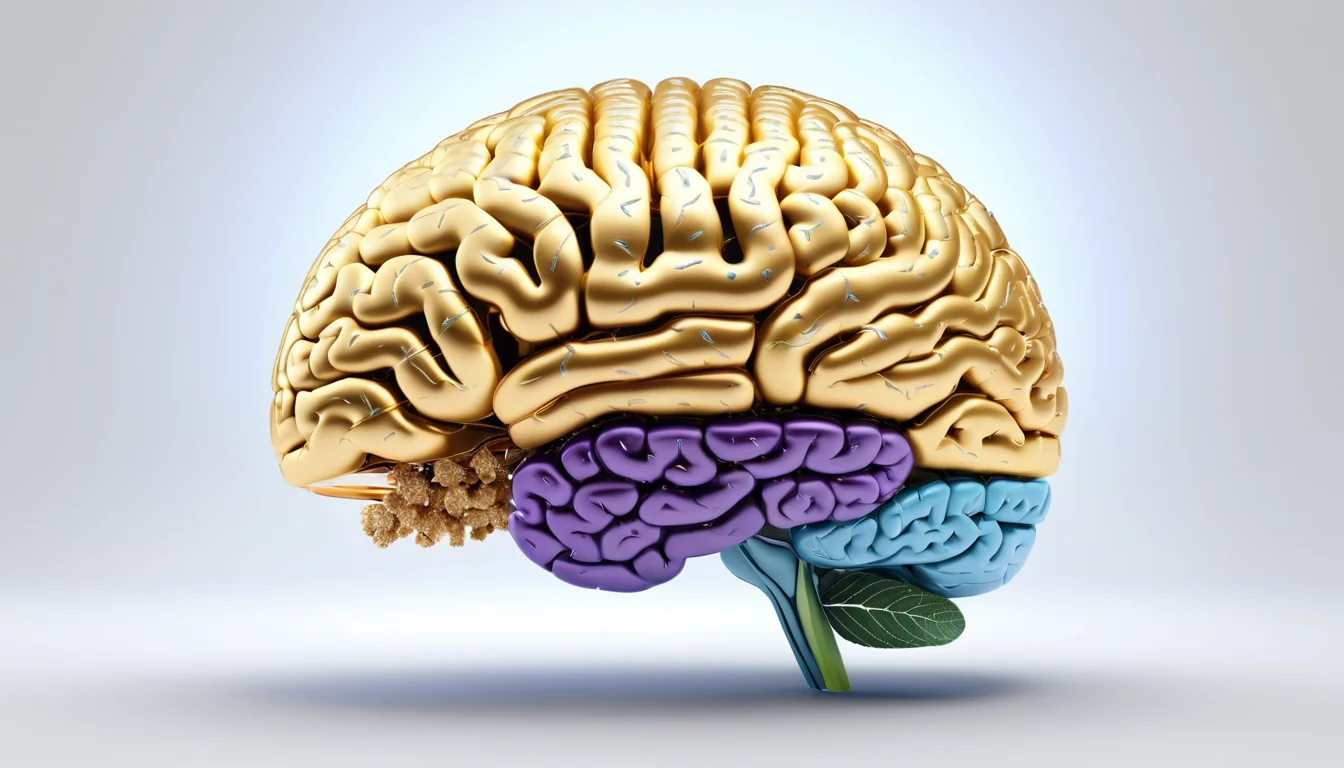
For more information, read our guide on how brain structures regulate your stress response.
Yes, long-term stress weakens the immune system and makes you more vulnerable to infections, colds, and other illnesses. Eating a diet rich in stress relief foods that contain zinc, vitamin C, and antioxidants can help support your immune defences. If you are getting sick frequently, speak with your family doctor or visit a walk-in clinic.
Key Takeaways
- Stress relief foods like almonds, blueberries, oranges, and whole grains contain nutrients that help calm your nervous system.
- B vitamins, vitamin C, calcium, magnesium, and zinc are among the most important nutrients for managing stress.
- Fibre supports gut health, which is closely linked to mood and mental well-being.
- Limiting caffeine, alcohol, and refined sugar can make a noticeable difference in how you feel under pressure.
- Diet is one piece of the puzzle — your family doctor or a walk-in clinic can connect you with broader mental health support covered by your provincial health plan.
- Small, consistent changes to what you eat can add up to a real improvement in your daily stress levels.
Frequently Asked Questions
What are the best stress relief foods to eat?
The best stress relief foods include dark chocolate, blueberries, salmon, avocado, oats, leafy greens, nuts, chamomile tea, yogurt, and bananas. These foods are rich in magnesium, omega-3 fatty acids, antioxidants, and B vitamins, which help regulate cortisol levels and support healthy brain function during stressful periods.
What are the symptoms of chronic stress in adults?
Chronic stress symptoms include persistent headaches, fatigue, irritability, difficulty sleeping, muscle tension, and digestive problems. Canadians may also experience anxiety, difficulty concentrating, weakened immunity, and mood changes. If these symptoms last longer than two weeks, they may indicate a stress-related condition requiring medical attention.
How do stress relief foods help reduce anxiety and cortisol levels?
Stress relief foods work by supplying key nutrients that regulate your body’s stress response. Magnesium in leafy greens calms the nervous system, omega-3s in salmon reduce inflammation, and antioxidants in berries lower oxidative stress. These nutrients help balance cortisol and serotonin levels, improving mood and reducing anxiety naturally.
Can changing your diet help prevent stress and burnout in Canada?
Yes, a nutrient-rich diet can help prevent stress and reduce burnout risk. Eating whole grains, lean proteins, fruits, and vegetables stabilizes blood sugar and supports neurotransmitter production. Avoiding excess caffeine, alcohol, and processed sugar also reduces stress vulnerability. Diet alone isn’t a cure but significantly supports overall mental resilience.
When should you see a doctor in Canada for stress-related symptoms?
See a doctor if stress symptoms persist beyond two to four weeks, significantly affect your daily functioning, or include chest pain, panic attacks, severe depression, or thoughts of self-harm. Canadian family physicians and mental health professionals can provide assessments, referrals, and treatment options including therapy, medication, and lifestyle counselling.

About the Author
Dr. Sarah Mitchell, MDDr. Sarah Mitchell is a board-certified family physician with over 15 years of clinical experience. She completed her MD at the University of Toronto and her residency at Toronto General Hospital. Dr. Mitchell specializes in preventive medicine and chronic disease management. She is a member of the College of Family Physicians of Canada (CFPC) and has published over 30 peer-reviewed articles on preventive health care.
View all articles →