Syringobulbia: Symptoms, Causes & Treatment in Canada

Share
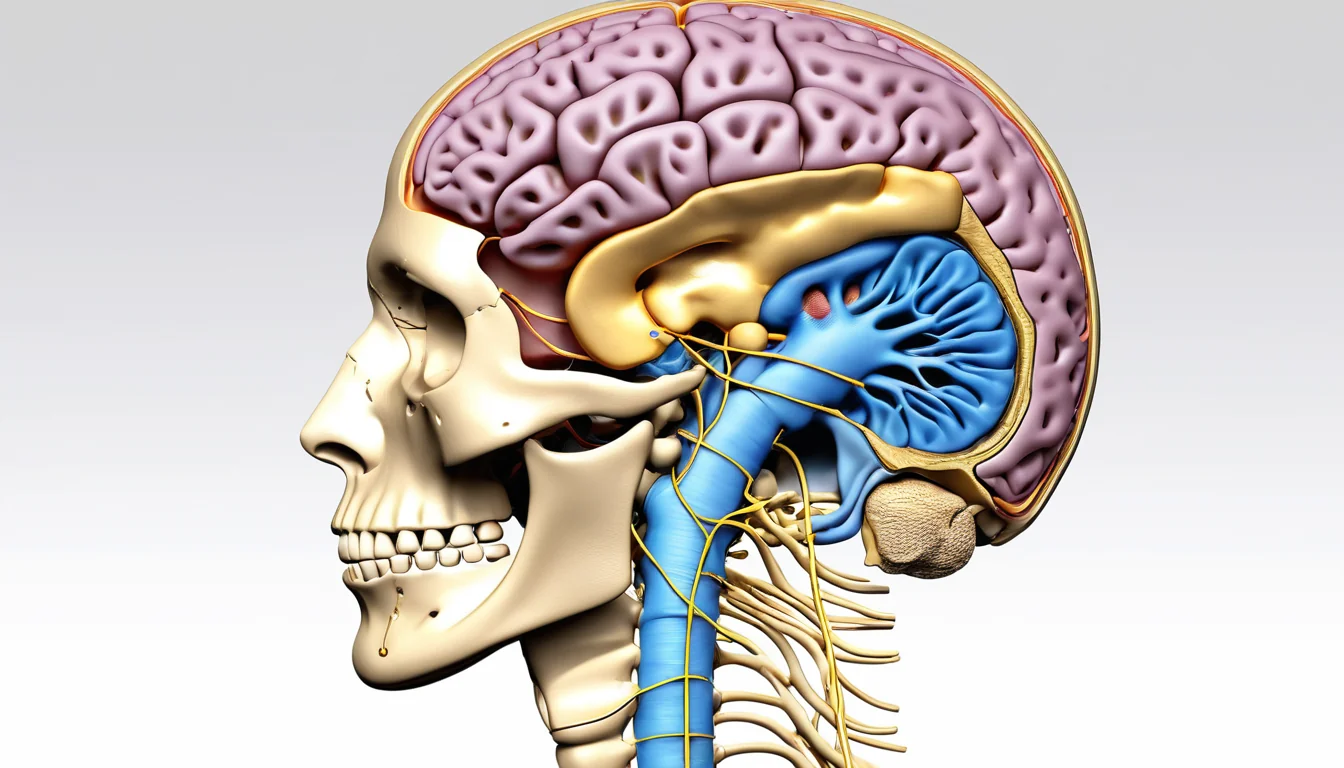
Syringobulbia is a rare but serious neurological disorder that occurs when a fluid-filled cavity, known as a syrinx, forms in the spinal cord and extends upward into the brainstem. This cavity can grow over time, pressing on nerve tissue and disrupting critical signals throughout the body. For Canadians seeking answers about this condition, understanding the warning signs early can make a meaningful difference in outcomes.
Understanding Syringobulbia: Causes and Risk Factors
The brainstem controls many of the body’s most vital functions, including breathing, swallowing, and facial sensation, which is why syringobulbia symptoms can be particularly alarming. In this comprehensive guide, we explain what causes this condition, how it is diagnosed within the Canadian healthcare system, and what treatment options are available. Whether you have been recently diagnosed or are researching on behalf of a loved one, this article provides the clear, evidence-based information you need.
What Is Syringobulbia?
| Symptom | Description | Severity | Affected Cranial Nerves / Structures |
|---|---|---|---|
| Facial Numbness or Pain | Loss of sensation or burning pain affecting one or both sides of the face, often in a cape-like distribution | Moderate to Severe | Trigeminal Nerve (CN V) |
| Dysphagia (Difficulty Swallowing) | Trouble swallowing solids or liquids due to impaired brainstem control of the swallowing reflex | Moderate to Severe | Glossopharyngeal (CN IX) and Vagus (CN X) |
| Dysarthria (Slurred Speech) | Difficulty articulating words clearly, resulting from weakness or incoordination of the muscles controlling speech | Mild to Moderate | Vagus (CN X) and Hypoglossal (CN XII) |
| Nystagmus and Vertigo | Involuntary rapid eye movements accompanied by dizziness or a spinning sensation, affecting balance and coordination | Mild to Moderate | Vestibulocochlear Nerve (CN VIII) |
| Hearing Loss or Tinnitus | Partial or progressive hearing impairment and ringing in the ears caused by brainstem involvement | Mild to Moderate | Vestibulocochlear Nerve (CN VIII) |
| Respiratory Dysfunction | Irregular breathing patterns or sleep apnea due to disruption of autonomic respiratory centres in the medulla | Severe | Vagus (CN X) and Medullary Respiratory Centre |
Syringobulbia develops when an abnormal, fluid-filled pocket — called a syrinx — forms inside the spinal cord and pushes into the brainstem. The brainstem controls many of the body’s most vital functions, including breathing, swallowing, and facial sensation. As the cavity grows, it compresses nearby nerve tissue and disrupts the pathways that carry signals between the brain and the rest of the body.
The condition is closely related to syringomyelia, a similar disorder where the fluid-filled cavity stays within the spinal cord only. In syringobulbia, however, the cavity extends further upward into the brainstem, which makes it more complex. Both conditions can disrupt the corticospinal and spinothalamic tracts — the nerve pathways responsible for movement and sensation.
Syringobulbia can appear at any age. However, it most commonly develops around age 20. Early-onset cases, including those in children, are not uncommon. For more background on neurological conditions like this one, you can visit the Health Canada neurological health resources.
What Causes Syringobulbia?
The exact cause of syringobulbia is not always clear. Researchers believe several different factors can trigger the formation of the fluid-filled cavity in the brainstem and spinal cord.
Abnormal Cerebrospinal Fluid Flow
The most common cause is a disruption in the normal flow of cerebrospinal fluid (CSF). CSF is the fluid that surrounds and cushions your brain and spinal cord. When its flow becomes blocked or uneven, pressure builds up and a cavity can form. Certain structural malformations of the skull or spine are known to cause this kind of blockage.
Spinal Dysraphism and Neural Tube Defects
Another known cause is spinal dysraphism — a condition where the neural tube does not close completely during early fetal development. This is sometimes associated with spina bifida. These structural abnormalities can interfere with CSF circulation and contribute to syrinx formation.
Other Associated Conditions
In some cases, syringobulbia is linked to hydrocephalus, a build-up of fluid inside the skull. It can also occur alongside Klippel-Feil syndrome, a rare bone disorder involving abnormal fusion of the cervical vertebrae in the neck. This fusion develops during the first few weeks of fetal development. In other cases, no identifiable cause is found — this is called idiopathic syringobulbia.
Recognising the Symptoms of Syringobulbia
The symptoms of syringobulbia can vary widely from person to person. They depend on where exactly the cavity forms in the brainstem and how large it grows. Because the brainstem controls so many functions, the symptoms can affect sensation, movement, balance, and more.
Sensory Symptoms
One of the most common early signs is a change in how the body feels temperature and pain. Many people notice they can no longer properly sense heat, cold, or sharp sensations — particularly in the upper limbs, shoulders, and chest. These changes may be uneven, with one side of the body affected more than the other. This happens because the spinothalamic tract — which carries pain and temperature signals — is often compressed by the growing cavity.
Some people also experience dysaesthesia, which means that even a light touch feels painful or burning. This can make everyday activities uncomfortable and difficult.
Motor and Facial Symptoms
As the cavity grows, it can affect the cranial nerves that control the face and throat. This may lead to facial numbness or paralysis, weakness or wasting of the tongue, and difficulty swallowing. Laryngeal paralysis — affecting the voice box — is also possible. These symptoms develop because the trigeminal nerve and other cranial nerves are compressed by the expanding syrinx.
Furthermore, some people experience weakness in their limb and breathing muscles. Changes in deep tendon reflexes may also be noticed during a neurological examination.
Balance and Eye Symptoms
When the vestibulocochlear nerve is affected, dizziness and vertigo can occur. Nystagmus — an involuntary, rapid movement of the eyes — is another possible symptom. These signs often point to involvement of the brainstem structures responsible for balance and coordination.
You can learn more about neurological symptom patterns at the Mayo Clinic’s guide to syringomyelia and related conditions.
How Is Syringobulbia Diagnosed?
Diagnosing syringobulbia requires medical imaging. A doctor will typically refer you to a neurologist or neurosurgeon for a full assessment. Your provincial health plan may cover these specialist referrals — talk to your family doctor to start the process.
MRI (Magnetic Resonance Imaging)
MRI is the gold standard for diagnosing syringobulbia. It provides highly detailed images of soft tissue, making it excellent for visualising the fluid-filled cavity within the brainstem and spinal cord. An MRI can clearly show the size, location, and extent of the syrinx.
CT Scan and X-Ray
A CT scan is particularly useful for identifying bony abnormalities of the spinal canal. Plain X-rays may also provide helpful information about the structure of the spine and skull base. In many cases, both MRI and CT are used together to build a complete picture of the condition.
Possible Complications
If left untreated or diagnosed late, syringobulbia can lead to serious complications. These include:
- Respiratory insufficiency — difficulty breathing due to nerve damage
- Paraplegia — paralysis of the lower limbs
- Autonomic dysfunction — problems with heart rate, blood pressure, and digestion
- Joint pain, especially in the elbows, shoulders, and small joints of the hand
- Scoliosis — abnormal curvature of the spine
- Painless skin ulcers on the hands or extension surfaces
- Horner syndrome — drooping of one eyelid, a constricted pupil, and absent sweating on one side of the face, caused by damage to sympathetic nerve fibres
Treatment Options for Syringobulbia
Treatment for syringobulbia is complex and highly individualised. It typically involves a combination of neurosurgery, physiotherapy, and ongoing rehabilitation. The goal is to stop the cavity from growing and to preserve as much neurological function as possible.
Surgical Treatment
Surgery is often the primary treatment. The neurosurgeon’s main goal is to drain the fluid from the cavity and relieve pressure on the surrounding nerve tissue. The specific type of surgery depends on the underlying cause and the location of the syrinx. For example, if a structural malformation is blocking CSF flow, surgery will aim to correct that blockage. Early surgery generally leads to better outcomes.
Physiotherapy and Rehabilitation
Rehabilitation is a vital part of recovery. Physiotherapy helps maintain the function of affected limbs and muscles. In Canada, rehabilitation programmes are available through hospitals, community health centres, and private physiotherapy clinics. Some of these services may be covered by your provincial health plan, depending on your province. Patients can also continue many rehabilitation exercises at home, under the guidance of a therapist.
The prognosis for syringobulbia varies. It depends on the size and location of the cavity, the underlying cause, and how early treatment begins. Earlier intervention generally improves outcomes. However, for many patients, the prognosis remains guarded, and ongoing monitoring is essential. For additional information on living with a chronic neurological condition, Healthline’s overview of syringomyelia and syrinx disorders provides accessible, evidence-based guidance.
When to See a Doctor
If you or a loved one experience unexplained facial numbness, sudden changes in how you feel temperature or pain, dizziness, or weakness in the arms and face, see a doctor as soon as possible. These symptoms can have many causes, but they should always be assessed by a medical professional.
Start by visiting your family doctor or, if you don’t have one, a walk-in clinic. Your doctor can perform an initial neurological assessment and arrange a referral to a neurologist if needed. Most provincial health plans cover neurologist referrals when made through a family doctor or walk-in clinic. Do not wait for symptoms to worsen — early diagnosis is key to the best possible outcome with syringobulbia.
Always consult a qualified healthcare provider for a proper diagnosis and personalised treatment plan. The information in this article is for educational purposes only and does not replace professional medical advice.
Frequently Asked Questions About Syringobulbia
What is the difference between syringobulbia and syringomyelia?
Syringomyelia refers to a fluid-filled cavity confined to the spinal cord. Syringobulbia is a more serious condition where the cavity extends upward into the brainstem. Because the brainstem controls critical functions like breathing and swallowing, syringobulbia tends to cause more complex symptoms.
Is syringobulbia a rare condition?
Yes, syringobulbia is considered a rare neurological disorder. It most often appears in young adults around age 20, though it can develop at any age. Because it is rare, it is important to be assessed by a neurologist with experience in spinal cord and brainstem conditions.
Can syringobulbia be cured?
There is no guaranteed cure for syringobulbia, but treatment can significantly slow or stop its progression. Surgery to drain the fluid cavity and relieve pressure is the most common approach. Combined with physiotherapy and rehabilitation, many patients are able to maintain a good quality of life.
What does syringobulbia feel like?
People with syringobulbia often describe numbness or tingling in the face, difficulty sensing temperature or pain, and dizziness. Some experience painful sensations from light touch, known as dysaesthesia. Facial weakness, difficulty swallowing, and problems with balance are also commonly reported symptoms.
How is syringobulbia diagnosed in Canada?
Diagnosis typically begins with a visit to your family doctor or a walk-in clinic, who will refer you to a neurologist. An MRI scan is the most accurate tool for diagnosing syringobulbia, as it clearly shows the fluid-filled cavity in the brainstem. CT scans may also be used to check for related bone abnormalities.
Is syringobulbia hereditary?
According to Mayo Clinic’s overview of syringomyelia and related conditions, this information is supported by current medical research.
For more information, read our guide on telehealth counselling services available across Canada.
Syringobulbia is not typically considered a hereditary condition. However, some of the structural abnormalities that can cause it — such as certain neural tube defects — may have a genetic component. If you have a family history of spinal or brainstem abnormalities, discuss this with your doctor.
Key Takeaways
- Syringobulbia is a rare neurological disorder involving a fluid-filled cavity that forms in the spinal cord and extends into the brainstem.
- Common symptoms include facial numbness, changes in temperature and pain sensation, dizziness, and difficulty swallowing.
- The most common cause is abnormal cerebrospinal fluid flow, often linked to structural malformations of the spine or skull base.
- MRI is the most accurate diagnostic tool for identifying the condition.
- Treatment involves neurosurgery to drain the cavity, combined with physiotherapy and rehabilitation programmes.
- Early diagnosis and treatment lead to the best outcomes — see your family doctor or a walk-in clinic if you notice relevant symptoms.
- Most provincial health plans in Canada cover neurologist referrals and diagnostic imaging when arranged through a primary care provider.
Frequently Asked Questions
What is syringobulbia?
Syringobulbia is a rare neurological condition where a fluid-filled cavity (syrinx) forms within the brainstem, specifically the medulla oblongata. It often occurs alongside syringomyelia and is frequently associated with Chiari malformation. The syrinx disrupts normal nerve function, causing progressive neurological symptoms affecting swallowing, speech, and sensation.
What are the symptoms of syringobulbia?
Common syringobulbia symptoms include difficulty swallowing (dysphagia), hoarseness, facial numbness, dizziness, hearing loss, and involuntary eye movements (nystagmus). Patients may also experience weakness in facial muscles, hiccups, and impaired gag reflex. Symptoms typically progress gradually and vary depending on which brainstem structures the syrinx affects.
How is syringobulbia treated in Canada?
Syringobulbia treatment focuses on addressing the underlying cause, most commonly through surgical decompression for Chiari malformation. Options include posterior fossa decompression, syrinx drainage, or shunting procedures. Canadian neurosurgeons at specialized centres assess each case individually. Symptom management and physiotherapy support long-term quality of life.
Can syringobulbia be prevented?
Syringobulbia cannot typically be prevented since it usually results from congenital conditions like Chiari malformation, spinal cord injuries, or tumours. However, early diagnosis and prompt treatment of underlying causes may slow progression. Avoiding spinal trauma and seeking timely medical evaluation for neck or brainstem symptoms can help reduce complications.
When should you see a doctor for syringobulbia symptoms?
See a doctor immediately if you experience sudden difficulty swallowing, unexplained facial numbness, persistent dizziness, progressive weakness, or speech changes. These symptoms may indicate brainstem involvement requiring urgent neurological assessment. Early MRI evaluation is critical, as delayed treatment of syringobulbia can lead to permanent and irreversible neurological damage.

About the Author
Dr. James Okafor, MD, PhDDr. James Okafor holds an MD and PhD in Neurological Sciences from McGill University. With 12 years of experience in clinical neurology and mental health research, he has contributed to landmark studies on depression, anxiety, and cognitive health. Dr. Okafor is a Fellow of the Royal College of Physicians and Surgeons of Canada and serves on the editorial board of two peer-reviewed journals.
View all articles →