
Patellofemoral Syndrome: Causes, Symptoms & Treatment

Share
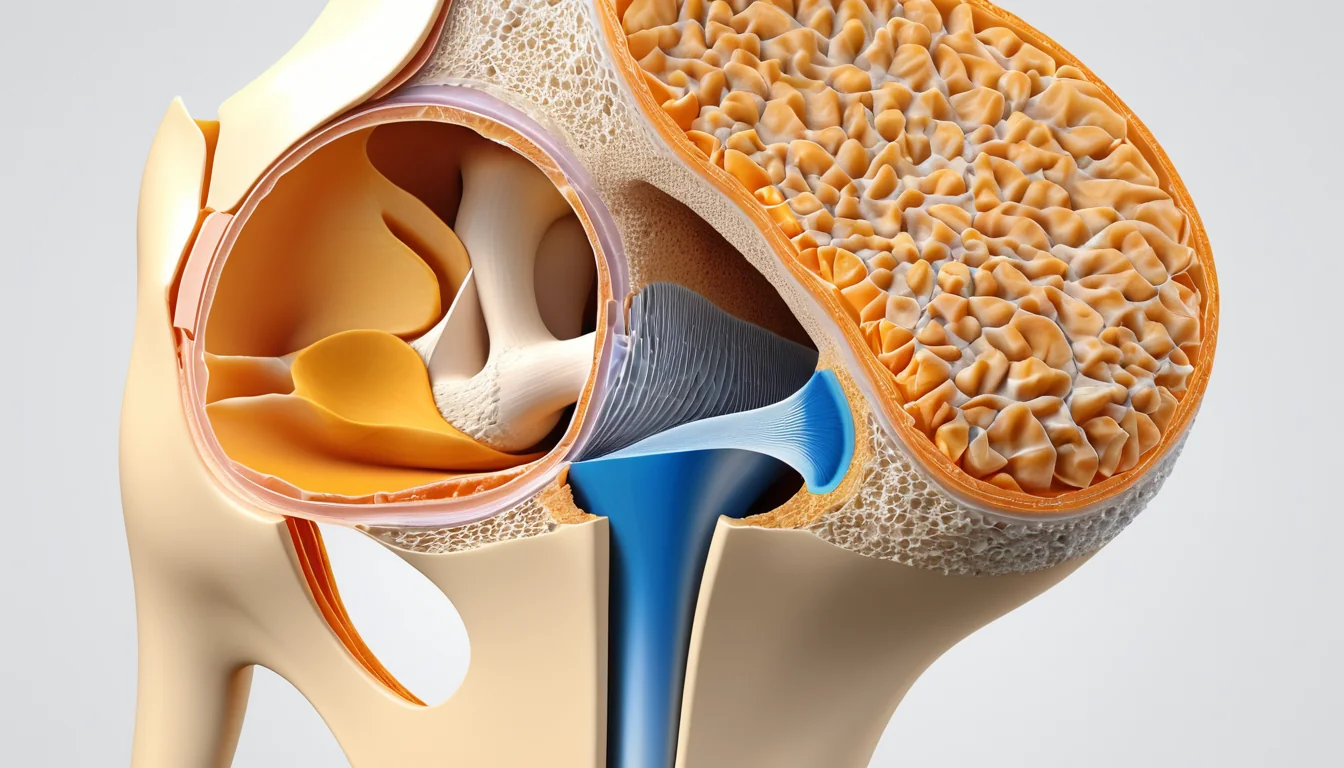
Patellofemoral syndrome is one of the most common knee conditions affecting Canadians, from teenage athletes to active adults and older individuals. It occurs when the cartilage beneath the kneecap softens and begins to break down, leading to persistent pain and discomfort during everyday movements like climbing stairs, squatting, or sitting for extended periods.
What Causes Patellofemoral Syndrome in Canadians?
Also known as chondromalacia patella, this condition develops when the kneecap no longer glides smoothly within its groove on the thigh bone. Many Canadians experiencing anterior knee pain may not realise that muscle weakness, overuse, or even normal growth spurts can trigger the problem. Understanding the causes, recognising the symptoms early, and exploring the right treatment options are essential steps toward protecting your knee health and staying active.
What Is Patellofemoral Syndrome?
| Treatment Option | Benefits | Considerations |
|---|---|---|
| Physiotherapy & Exercise Rehabilitation | Strengthens quadriceps and hip muscles; improves patellar tracking; long-term pain relief without medication | Requires consistent commitment; benefits may take 6–12 weeks to appear; should be guided by a registered physiotherapist |
| NSAIDs (e.g., Ibuprofen, Naproxen) | Reduces inflammation and acute pain; widely available over the counter in Canada; fast-acting relief | Not suitable for long-term use; may cause gastrointestinal side effects; consult a pharmacist or physician before use |
| Patellar Taping & Bracing | Provides immediate support; helps correct patellar alignment during activity; can reduce pain during rehabilitation | Temporary measure only; skin irritation possible with prolonged taping; proper technique is essential for effectiveness |
| Orthotics & Footwear Modification | Addresses biomechanical issues such as overpronation; reduces load on the knee; custom orthotics available through podiatrists covered by many provincial plans | Custom orthotics can be costly if not covered by insurance; over-the-counter options may not suit all foot types |
| Activity Modification & Rest | Allows tissue recovery; reduces symptom flare-ups; low-impact alternatives (swimming, cycling) maintain fitness | Complete rest may weaken supporting muscles; gradual return to activity must be carefully managed to prevent recurrence |
| Surgery (Rare Cases) | May correct structural abnormalities when conservative treatments fail; options include lateral release or tibial tubercle realignment | Reserved for severe or persistent cases; carries surgical risks; recovery period is lengthy; referral required through the Canadian healthcare system |
Your kneecap (patella) sits in a groove at the end of your thigh bone (femur). It is designed to glide smoothly up and down as you bend and straighten your leg. A layer of cartilage on the underside of the kneecap helps this movement stay smooth and pain-free.
With patellofemoral syndrome, also called chondromalacia patella, this cartilage softens and wears down. Instead of gliding smoothly, the kneecap rubs against the femur. Over time, this friction damages the cartilage surface.
The damage can range from a minor roughening of the cartilage to a complete loss of cartilage, leaving bone rubbing directly on bone. This is a serious condition that deserves attention early. According to Mayo Clinic’s overview of patellofemoral pain syndrome, this condition is one of the most common causes of knee pain seen by doctors.
What Causes Patellofemoral Syndrome?
There is no single cause of patellofemoral syndrome. However, several factors can increase your risk. Understanding these causes can help you make changes to protect your knees.
Injury or Trauma
A direct blow to the knee can crack or chip the cartilage beneath the kneecap. Sometimes, a larger fragment breaks off, taking a piece of bone with it. Doctors call this an osteochondral fracture. This type of injury often happens during sports, falls, or car accidents.
Overuse and Repetitive Stress
Repetitive movements put ongoing stress on the knee joint. Activities like running, cycling, skiing, and playing soccer can all contribute to cartilage wear over time. Many Canadians who train for recreational sports develop this condition without realising it until the pain sets in.
Muscle Weakness and Imbalance
The muscles around your knee help keep your kneecap tracking properly in its groove. When these muscles are weak or unbalanced, the kneecap can shift slightly off course. This misalignment causes uneven pressure on the cartilage, speeding up the wear and tear. In particular, weakness in the inner part of the quadriceps muscle is a common contributing factor.
Age and Growth Spurts
Patellofemoral syndrome is especially common in teenagers and young adults. During growth spurts, the bones may grow faster than the surrounding muscles and tendons. This temporary imbalance can affect how the kneecap moves in its groove. However, the condition can also develop in older adults as a result of long-term wear.
Recognising the Symptoms
The most common sign of patellofemoral syndrome is a dull, aching pain around or behind the kneecap. Many people describe it as a deep, nagging discomfort rather than a sharp pain. The pain often gets worse with activity and eases with rest.
Activities That Make It Worse
Going down stairs is one of the most common triggers for knee pain with this condition. The bending motion puts extra pressure on the kneecap. Other activities that can worsen symptoms include:
- Climbing stairs
- Squatting or kneeling
- Running or jogging
- Sitting for long periods with bent knees (sometimes called “theatre sign”)
- Cycling or skiing
Furthermore, some people notice a grinding or clicking sensation in the knee during movement. This can be a sign that the cartilage surface has become roughened or uneven.
Who Is Most at Risk?
Runners, cyclists, skiers, and soccer players are among the most commonly affected groups. Young women also tend to have a slightly higher risk, possibly due to differences in hip and knee alignment. In addition, people who suddenly increase their activity level — for example, training for a 5K run — may develop symptoms quickly.
How Is Patellofemoral Syndrome Diagnosed?
Your family doctor or a walk-in clinic physician will start with a full medical history and a physical exam of your knee. They will ask about your symptoms, your activity level, and any recent injuries. This conversation is a key part of reaching the right diagnosis.
An X-ray is often the next step. It can rule out other problems, such as a fracture or arthritis. For most people, a physical exam and X-ray are enough to confirm the diagnosis. Healthline’s guide to chondromalacia patella offers a helpful breakdown of how the condition is typically assessed.
When Is Arthroscopy Used?
Arthroscopy is a minimally invasive procedure where a small camera is inserted into the knee joint. It can confirm the extent of cartilage damage with great accuracy. However, doctors in Canada generally reserve arthroscopy for cases where surgery is already being considered. It is not typically used as a standalone diagnostic tool.
Treatment Options for Patellofemoral Syndrome
The good news is that most cases of patellofemoral syndrome respond well to non-surgical treatment. Many Canadians recover fully with the right combination of rest, exercise, and physical therapy. Treatment is generally focused on reducing pain and correcting the underlying muscle imbalance.
Exercise and Physical Therapy
Strengthening the muscles around the knee is the cornerstone of treatment. Most healthcare providers recommend exercises that target the inner part of the quadriceps muscle. These exercises help the kneecap track more evenly in its groove, reducing friction on the cartilage.
Swimming and stationary cycling are two excellent low-impact options. They allow you to build strength and maintain fitness without placing too much stress on the joint. However, it is important to keep the knee bent at no more than 90 degrees during cycling to avoid aggravating symptoms.
Electrical Muscle Stimulation
In some cases, physiotherapists use electrical muscle stimulation (EMS) to help activate and strengthen the quadriceps. This can be especially helpful when pain makes it difficult to perform traditional exercises. EMS is a safe and well-established technique available through most physiotherapy clinics across Canada.
Rest and Activity Modification
Reducing or temporarily stopping high-impact activities gives the knee a chance to recover. This does not mean you need to stop moving entirely. Instead, switch to gentler activities while the knee heals. Applying ice after activity can also help manage swelling and discomfort.
Arthroscopic Surgery
If non-surgical treatments do not bring enough relief after several months, your doctor may recommend arthroscopy. During this procedure, the surgeon can smooth the roughened cartilage surface and remove any loose fragments floating in the joint space. Recovery time is generally shorter than with open surgery.
More Extensive Surgery
In severe cases, open surgery may be necessary. The goal is to correct the alignment of the kneecap so it tracks properly in its groove. This might involve adjusting the angle of the kneecap or repositioning the tendons that control its movement. Your orthopaedic surgeon will discuss whether this is the right option for your situation.
For a broader look at knee health and joint conditions, Health Canada’s official health information portal is a reliable starting point for Canadians seeking trusted guidance.
When to See a Doctor
You should see a doctor if your knee pain lasts more than a few days, gets worse over time, or starts to interfere with your daily life. Do not wait and hope it goes away on its own, especially if you heard a pop or felt a sharp pain during an injury.
Start by booking an appointment with your family doctor. If you do not have one, a walk-in clinic is a great option. Most provinces also offer physiotherapy referrals through your provincial health plan, which can help cover the cost of treatment. Your doctor may refer you to an orthopaedic specialist if your symptoms are severe or not improving.
Early diagnosis and treatment lead to better outcomes. The longer cartilage damage goes untreated, the harder it can be to recover fully. Always speak with a qualified healthcare provider before starting any new exercise programme or treatment plan.
Frequently Asked Questions
What is the difference between patellofemoral syndrome and chondromalacia patella?
Patellofemoral syndrome is a broader term for pain around the kneecap caused by poor tracking or cartilage stress. Chondromalacia patella specifically refers to the softening and breakdown of the cartilage on the underside of the kneecap. Many doctors use the two terms interchangeably, though chondromalacia describes the physical cartilage damage more precisely.
Can patellofemoral syndrome heal on its own?
Mild cases of patellofemoral syndrome can improve with rest, activity modification, and targeted exercises. However, without addressing the underlying cause — such as muscle weakness or poor alignment — the problem often returns. It is best to speak with your family doctor or a physiotherapist for a proper treatment plan.
How long does it take to recover from patellofemoral syndrome?
Recovery time varies depending on the severity of the condition and how consistently you follow your treatment plan. Mild cases may improve within a few weeks, while more severe cartilage damage can take several months. Sticking with your strengthening exercises is one of the most important factors in a full recovery from patellofemoral syndrome.
Is it safe to exercise with patellofemoral syndrome?
Yes, but it is important to choose low-impact activities that do not aggravate the knee. Swimming and stationary cycling are generally safe options for people with patellofemoral syndrome, as long as the knee is not bent past 90 degrees. Always check with your doctor or physiotherapist before starting or changing your exercise routine.
Does patellofemoral syndrome require surgery?
Most people with patellofemoral syndrome do not need surgery. The majority of cases improve with physiotherapy, strengthening exercises, and activity changes. Surgery is generally considered only when conservative treatments have been tried for several months without adequate relief.
Can teenagers get patellofemoral syndrome?
According to Mayo Clinic’s overview of patellofemoral pain syndrome, this information is supported by current medical research.
For more information, read our guide on extended health benefits in Canada that may cover physiotherapy.
Yes, patellofemoral syndrome is actually very common in teenagers, particularly those who are active in sports. During growth spurts, the body’s muscles and tendons may not keep pace with bone growth, which can affect kneecap alignment. Young athletes who notice persistent knee pain should be assessed by a doctor promptly.
Key Takeaways
- Patellofemoral syndrome involves the softening and breakdown of cartilage beneath the kneecap.
- Common causes include injury, overuse, and muscle weakness around the knee.
- Symptoms include a dull ache behind the kneecap, worsened by stairs, squatting, and running.
- Diagnosis typically involves a physical exam and X-ray; arthroscopy is reserved for surgical cases.
- Most cases improve with physiotherapy, strengthening exercises, and low-impact activity.
- Surgery is available for severe cases that do not respond to conservative treatment.
- See your family doctor or a walk-in clinic if knee pain persists or worsens.
- Early treatment leads to better outcomes — do not ignore ongoing knee pain.
Frequently Asked Questions
What is patellofemoral syndrome?
Patellofemoral syndrome is a knee condition causing pain around or behind the kneecap (patella) where it connects with the thigh bone (femur). It occurs when the kneecap moves abnormally along its groove, creating friction and irritation. It is one of the most common knee complaints among active Canadians, particularly runners and athletes.
What are the symptoms of patellofemoral syndrome?
Common symptoms include a dull, aching pain at the front of the knee, increased discomfort when climbing stairs, squatting, kneeling, or sitting for long periods. Some people experience a grinding or popping sensation. Symptoms often worsen during physical activity and improve with rest. Swelling is occasionally present.
How is patellofemoral syndrome treated in Canada?
Treatment typically involves rest, ice, and anti-inflammatory medications like ibuprofen. Physiotherapy is the cornerstone of recovery, focusing on strengthening hip and quadriceps muscles and correcting movement patterns. Orthotics, knee bracing, and activity modification are also commonly recommended. Surgery is rarely required and considered only when conservative treatments fail.
Can patellofemoral syndrome be prevented?
Yes, patellofemoral syndrome can often be prevented by maintaining strong hip, glute, and quadriceps muscles that support proper kneecap tracking. Wearing supportive footwear, warming up before exercise, gradually increasing activity intensity, and avoiding prolonged kneeling or squatting can significantly reduce your risk of developing this condition.
When should you see a doctor for knee pain?
See a doctor or physiotherapist if knee pain persists longer than a few days, worsens with activity, or interferes with daily tasks. Seek prompt medical attention if your knee is significantly swollen, locks up, gives way, or if pain follows an injury. Early assessment prevents long-term damage and speeds recovery.

About the Author
Dr. James Okafor, MD, PhDDr. James Okafor holds an MD and PhD in Neurological Sciences from McGill University. With 12 years of experience in clinical neurology and mental health research, he has contributed to landmark studies on depression, anxiety, and cognitive health. Dr. Okafor is a Fellow of the Royal College of Physicians and Surgeons of Canada and serves on the editorial board of two peer-reviewed journals.
View all articles →