Neck Muscle Spasms: Causes, Symptoms & Relief Canada

Share
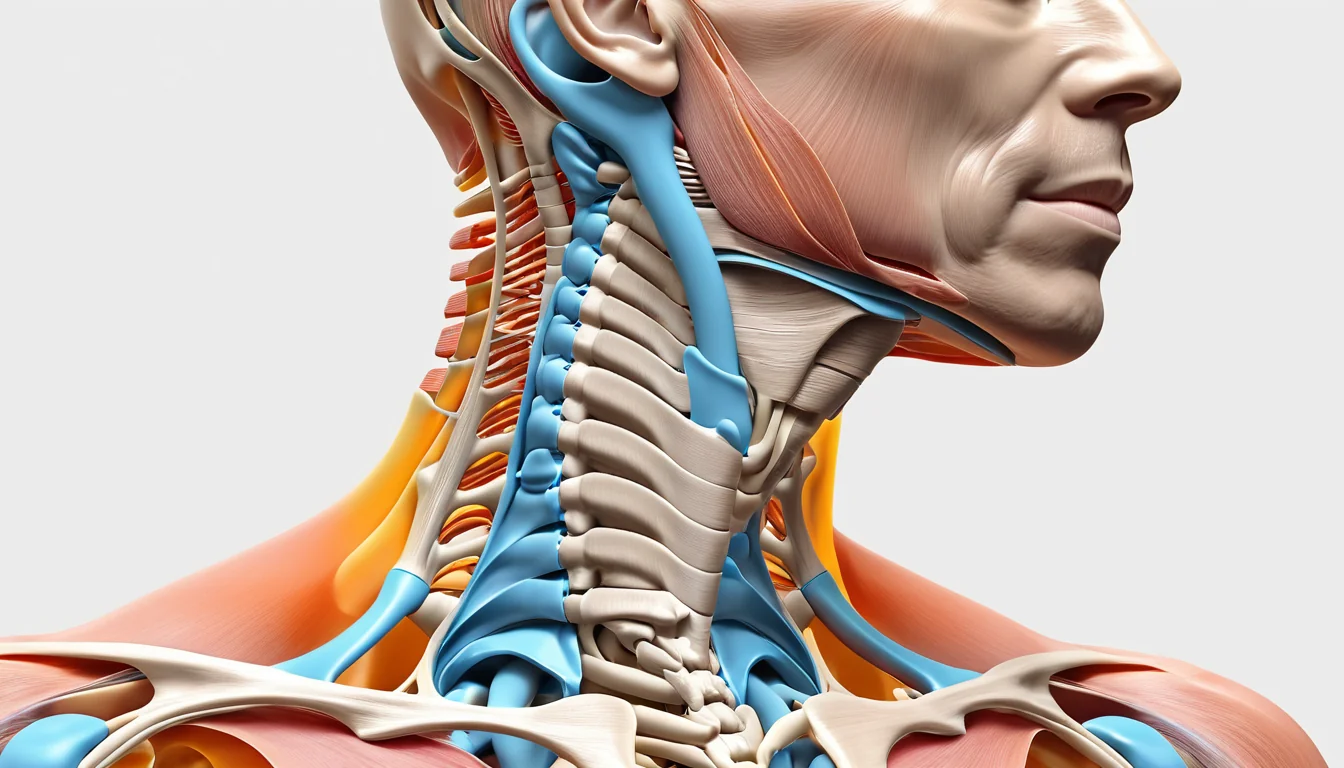
Neck muscle spasms are sudden, involuntary contractions in the muscles of your neck that can strike anyone at any time — and they are one of the most common musculoskeletal complaints seen by Canadian healthcare providers. These painful episodes can last from a few minutes to several weeks, often making it difficult to move your head, neck, or shoulders comfortably.
What Causes Neck Muscle Spasms and How Can You Find Relief?
Understanding what causes neck spasms is the first step toward finding effective relief. Whether your pain stems from poor posture at a desk, stress, or an underlying medical condition, most Canadians can manage mild to moderate neck stiffness remedies safely at home. In this article, we explain the key causes and symptoms of neck muscle spasms, walk you through proven home treatment options, and help you recognize when it is time to see your family doctor.
What Are Neck Muscle Spasms?
| Treatment Option | How It Helps | Best For | Important Considerations |
|---|---|---|---|
| Heat and Cold Therapy | Cold reduces initial inflammation; heat relaxes tight muscles and improves blood flow | Mild to moderate acute neck muscle spasms within the first 48–72 hours | Apply for 15–20 minutes at a time; avoid direct skin contact to prevent burns or frostbite |
| Physiotherapy | Targeted stretching, strengthening, and manual therapy address underlying muscle imbalances | Recurring or chronic neck muscle spasms; postural or work-related causes | Covered under many provincial health plans or extended benefits in Canada; requires consistent attendance |
| Over-the-Counter Medications (NSAIDs/Acetaminophen) | Reduces pain and inflammation to allow rest and movement recovery | Short-term relief of mild to moderate pain and muscle tension | Consult a pharmacist; NSAIDs may not be suitable for those with kidney issues, ulcers, or blood thinners |
| Massage Therapy | Releases muscle tension, improves circulation, and reduces stress-related tightness | Stress-induced or chronic neck muscle spasms; tension headaches associated with neck tightness | Registered Massage Therapists (RMTs) are recognized healthcare providers in most Canadian provinces |
| Chiropractic Care | Spinal manipulation and mobilization can restore joint movement and relieve associated muscle spasms | Neck spasms linked to spinal misalignment or restricted cervical joint movement | Regulated profession in all Canadian provinces; discuss history of osteoporosis or vascular conditions before treatment |
| Prescription Muscle Relaxants | Reduces severe involuntary muscle contractions and allows restorative rest | Severe or debilitating neck muscle spasms that do not respond to first-line treatments | Requires a physician’s prescription in Canada; may cause drowsiness and are typically recommended for short-term use only |
A neck muscle spasm happens when one or more muscles in your neck contract suddenly and without control. This is not something you can predict or easily stop. The result is often sharp pain and stiffness that ranges from mildly uncomfortable to severely limiting.
Your neck has more than 20 muscles, along with many ligaments, tendons, and nerves. Any of these can be involved in a spasm. In most cases, neck muscle spasms are linked to a muscle strain or an underlying musculoskeletal issue. The good news is that most people recover well with home treatment.
Common Symptoms of Neck Muscle Spasms
The most obvious sign of a neck muscle spasm is a sudden, sharp pain in your neck. However, there are several other symptoms that often come along with it. Knowing what to look for helps you respond quickly and effectively.
Common symptoms include:
- Sudden, sharp pain that gets worse when you try to move your neck
- Deep, aching pain in the neck or surrounding muscles
- Stiffness that limits how far you can turn or tilt your head
- Difficulty moving your head, neck, or shoulders freely
- Headache that starts at the base of the skull
- Dizziness or lightheadedness associated with the spasm
Symptoms can vary widely from person to person. For some, the discomfort is mild and fades within a day. For others, the pain is intense and lasts for weeks. Either way, it is important to pay attention to how your body feels and respond accordingly.
What Causes Neck Muscle Spasms?
There is rarely just one cause of neck muscle spasms. In fact, they can develop from everyday habits you may not even notice. Understanding the causes helps you make changes that reduce your risk.
Everyday Lifestyle Causes
The most common cause of neck muscle spasms is a muscle strain. This happens when the muscles or tissues in your neck are overstretched or forced beyond their comfortable range. Even minor tissue damage can trigger painful spasms.
Other common everyday causes include:
- Poor posture — slouching at a desk or hunching your shoulders
- Screen time — looking down at your phone for long periods (sometimes called “tech neck”)
- Computer or TV position — holding your neck in an awkward position for hours
- Carrying a heavy bag on one shoulder, which pulls the neck muscles unevenly
- Physical overexertion — straining neck muscles during exercise without warming up
- Teeth grinding (bruxism) — clenching your jaw creates tension that travels up into the neck
- Chronic stress — ongoing emotional stress causes people to tighten their neck and shoulder muscles without realising it
- Sleeping in a poor position — especially on your stomach, or with your neck twisted to one side
- Dehydration and electrolyte imbalances — muscles need proper hydration and minerals to function well
Underlying Medical Conditions
In some cases, neck muscle spasms are a sign of a more serious underlying condition. These cases are less common, but they do require medical attention. If your spasms are frequent, severe, or come with other unexplained symptoms, speak with your family doctor or visit a walk-in clinic.
Medical conditions that can cause neck spasms include:
- Cervical spondylosis — age-related wear on the neck’s bones and discs
- Herniated disc — a disc in the spine that slips out of place and presses on nearby nerves
- Ankylosing spondylitis — a form of inflammatory arthritis affecting the spine
- Cervical dystonia (torticollis) — a neurological condition that causes involuntary neck muscle contractions
- Osteoarthritis — joint degeneration in the neck
- Spinal stenosis — narrowing of the spinal canal
- Temporomandibular joint (TMJ) disorders — jaw problems that create referred tension in the neck
- Meningitis — a serious infection causing neck stiffness (seek emergency care immediately if you suspect this)
- Traumatic injuries — such as whiplash from a car accident
Sometimes, no clear cause is found at all. Doctors call this an idiopathic spasm. It can be frustrating, but it does not mean your pain is not real or treatable.
Risk Factors
Anyone can develop neck muscle spasms, regardless of age or fitness level. However, certain habits and circumstances increase your risk. People who spend long hours at a computer, frequently look down at their phones, or carry heavy bags regularly are at higher risk.
Furthermore, people who experience high levels of chronic stress, have a history of neck injuries, or sleep on unsupportive pillows are also more likely to experience spasms. Even physically active people are not immune — poor form during exercise can trigger a sudden spasm just as easily as a sedentary lifestyle can.
How Are Neck Muscle Spasms Diagnosed?
A diagnosis usually starts with a visit to your family doctor or a walk-in clinic. Your doctor will ask you about your symptoms, how long they have lasted, and whether you have had any recent injuries. They will also examine your neck and may ask you to move your head in different directions to check your range of motion.
Be sure to mention any recent trauma, such as a fall or car accident. If your doctor suspects an underlying musculoskeletal condition, they may refer you to a specialist or order additional tests such as an X-ray or MRI. In Canada, these referrals and imaging tests are generally covered under your provincial health plan, though wait times can vary by province.
For more information on navigating specialist referrals in Canada, you can visit Health Canada’s official health information resource.
Home Treatment Options for Neck Muscle Spasms
Most people with neck muscle spasms treat them at home successfully. There are several safe, practical strategies you can try to ease the pain and help your muscles relax. As a result, many people recover without needing further medical intervention.
Stretching and Gentle Movement
Gentle, controlled neck stretches can help release tight muscles. Slowly tilt your head to one side, hold for a few seconds, then repeat on the other side. Do not force any movement that causes sharp pain.
It is also important to keep moving as much as you comfortably can. Resting is helpful at first, but prolonged inactivity can actually make stiffness worse. Light activities such as walking, yoga, or low-intensity exercise help increase blood flow to the muscles and support recovery.
Hot and Cold Therapy
Applying an ice pack to the affected area can reduce inflammation and ease spasms. Wrap the ice pack in a cloth and apply it for 20 minutes at a time, several times a day. Do not apply ice directly to bare skin.
If cold does not help, try heat instead. A warm towel, heating pad, or hot shower can increase blood flow to the area and relax tight muscles. Heat works especially well for chronic tension or spasms that have lasted more than 48 hours. You can learn more about this approach from the Mayo Clinic’s guide to muscle spasms.
Massage
Gently massaging the tense muscles in your neck can provide real relief. You can do this yourself using slow, circular movements with your fingertips. Alternatively, ask someone you trust to help, or book an appointment with a registered massage therapist (RMT).
In many provinces, massage therapy services are partially covered under extended health benefit plans. Check your plan details or speak with your benefits provider for more information.
Over-the-Counter Pain Relief
Non-prescription pain relievers such as ibuprofen or acetaminophen can help manage pain and reduce inflammation temporarily. They will not fix the underlying cause, but they can make it easier to rest and recover. Always follow the dosage instructions on the package, and speak with your pharmacist or doctor if you have any concerns.
Stress Management
Chronic stress is a surprisingly common trigger for neck muscle spasms. When you are stressed, your body tends to hold tension in your neck and shoulders without you realising it. Practices such as meditation, deep breathing, and yoga can help your muscles — and your mind — relax.
Sleep Position
How you sleep matters more than you might think. Sleeping on your back or on your side helps keep your cervical spine properly aligned. In addition, using a supportive pillow that keeps your neck in a neutral position can prevent spasms from developing overnight. Avoid sleeping on your stomach, as this forces your neck into an unnatural twist for hours at a time.
When to See a Doctor
Most neck muscle spasms improve with home treatment within a few days. However, there are situations where you should seek medical attention promptly. Do not wait if your symptoms are severe or unusual.
See your family doctor or visit a walk-in clinic if you experience any of the following:
- Spasms that do not improve after several days of home treatment
- Pain that is severe or getting progressively worse
- Numbness, tingling, or weakness in your arms or hands
- Spasms following a recent head or neck injury
- Fever, headache, or stiff neck together (this combination can signal meningitis — call 911 or go to an emergency room immediately)
- Frequent or recurring spasms that disrupt your daily life
Your family doctor can help determine whether a referral to a physiotherapist, orthopaedic specialist, or neurologist is appropriate. In Canada, physiotherapy is available through private pay, extended benefits, or in some cases through provincial programmes depending on your situation. For evidence-based information on neck pain and when to seek care, the Healthline overview of neck spasms is a helpful resource to review before your appointment.
Prevention Tips
While neck muscle spasms are not always preventable, there are steps you can take to significantly lower your risk. Small, consistent changes to your daily routine can make a big difference over time.
Consider the following habits:
- Stretch regularly — incorporate gentle neck stretches into your morning or evening routine to maintain flexibility
- Warm up before exercise — always prepare your muscles before any physical activity, even light workouts
- Adjust your workspace — position your monitor at eye level and keep your back supported while sitting
- Take screen breaks — follow the 20-20-20 rule: every 20 minutes, look at something 20 feet away for 20 seconds, and roll your shoulders gently
- Stay hydrated — drink enough water throughout the day to keep your muscles functioning well
- Distribute weight evenly — use a backpack with two straps rather than a single-shoulder bag
- Manage your stress — find healthy outlets for stress before it builds up as physical tension in your body
- Sleep on a supportive pillow — invest in a pillow that keeps your neck aligned with your spine
Frequently Asked Questions
How long do neck muscle spasms usually last?
Neck muscle spasms can last anywhere from a few minutes to several weeks, depending on the cause and severity. Most mild spasms improve within a few days with proper home care such as rest, stretching, and heat or ice therapy. However, if your neck muscle spasms persist beyond a week or are getting worse, it is a good idea to see your family doctor or visit a walk-in clinic.
What is the fastest way to relieve a neck muscle spasm?
For fast relief from neck muscle spasms, try applying an ice pack wrapped in a cloth to the area for 20 minutes, or use a warm compress if heat feels more soothing. Gentle stretching and slow, circular self-massage can also help the muscles relax quickly. Over-the-counter pain relievers like ibuprofen or acetaminophen can reduce pain while your muscles recover.
Can stress cause neck muscle spasms?
Yes, stress is one of the most common triggers of neck muscle spasms. When you are under chronic stress, your body unconsciously holds tension in the neck and shoulder muscles, which can eventually lead to a painful spasm. Managing stress through practices like yoga, meditation, or deep breathing can help prevent this from happening.
Should I use heat or ice for a neck muscle spasm?
According to Mayo Clinic’s guide to muscle cramps and spasms, this information is supported by current medical research.
For more information, read our guide on abdominal cramps and other muscle pain causes.
Both heat and ice can help with neck muscle spasms, but they work in different ways. Ice is most useful in the first 48 hours to reduce inflammation and numb sharp pain, while heat works better for ongoing stiffness and muscle tension by increasing blood flow. You may need to try both to see which one brings you
Frequently Asked Questions
What are neck muscle spasms?
Neck muscle spasms are involuntary contractions of one or more muscles in the neck, causing sudden tightness, stiffness, or pain. They occur when muscles tighten unexpectedly and fail to relax. Common triggers include poor posture, stress, dehydration, injury, or sleeping in an awkward position.
What are the symptoms of neck muscle spasms?
Symptoms include sudden sharp or aching neck pain, stiffness that limits head movement, muscle tightness or knots, headaches, and pain radiating to the shoulders or upper back. Some people experience tingling or numbness if nearby nerves are irritated. Symptoms can last from a few minutes to several days.
How do you relieve neck muscle spasms fast?
Apply heat or ice to the affected area for 15–20 minutes, take over-the-counter pain relievers like ibuprofen or acetaminophen, and gently stretch the neck. Massage, rest, and staying hydrated also help. Most neck muscle spasms improve within a few days with consistent home treatment.
How can you prevent neck muscle spasms?
Maintain good posture when sitting and using screens, use a supportive pillow, take regular breaks from desk work, stay hydrated, and manage stress through relaxation techniques. Strengthening neck and upper back muscles through regular exercise also significantly reduces the frequency of recurring spasms.
When should you see a doctor for neck muscle spasms?
See a doctor if spasms are severe, last longer than one week, follow a head or neck injury, or are accompanied by numbness, tingling, weakness in the arms, difficulty swallowing, or intense headaches. These symptoms may indicate a more serious underlying condition requiring professional medical evaluation.

About the Author
Dr. Michael Ross, MD, FRCSCDr. Michael Ross is a fellowship-trained orthopedic surgeon at the University of Alberta Hospital, specializing in joint replacement and sports medicine. A Fellow of the Royal College of Surgeons of Canada (FRCSC), he has over 18 years of surgical experience and has authored multiple textbook chapters on musculoskeletal health. Dr. Ross is passionate about patient education and evidence-based medicine.
View all articles →