Hyperlordosis: Symptoms, Causes & Treatment in Canada

Share
Hyperlordosis is a spinal condition where the lower back curves too far inward, creating an exaggerated C-shape that can lead to chronic pain, muscle stiffness, and long-term damage if left untreated. This condition affects Canadians of all ages and is one of the most common postural imbalances seen by physiotherapists and family doctors across the country.
What Is Hyperlordosis and How Does It Affect Your Spine?
The good news is that most cases of excessive lumbar lordosis are both preventable and manageable. Whether your symptoms stem from poor posture, a sedentary lifestyle, or an underlying medical condition, understanding the causes and treatment options can help you take control of your spinal health. This guide breaks down the symptoms, causes, recommended hyperlordosis exercises, and when to seek professional care in Canada.
What Is Hyperlordosis?
| Treatment Option | Key Benefits | Considerations | Best Suited For |
|---|---|---|---|
| Physiotherapy & Exercise | Strengthens core and gluteal muscles; improves posture; non-invasive; widely available across Canada | Requires consistent effort and multiple sessions; results take weeks to months | Mild to moderate hyperlordosis; most age groups |
| Chiropractic Care | Spinal adjustments may reduce pain and improve alignment; available in most Canadian provinces | Costs may not be fully covered by provincial health plans; ongoing sessions often needed | Adults with musculoskeletal pain and postural misalignment |
| Bracing & Orthotics | Provides external lumbar support; helps correct posture during daily activities | Discomfort with prolonged wear; does not address underlying muscle weakness | Adolescents with growing spines; moderate cases needing structural support |
| Pain Management (NSAIDs) | Reduces inflammation and short-term pain; medications like ibuprofen widely accessible in Canada | Not a long-term solution; potential gastrointestinal side effects with extended use | Individuals experiencing acute pain episodes alongside other treatments |
| Surgical Intervention | Corrects severe structural deformity; provides lasting spinal stabilization | Reserved for severe cases only; lengthy recovery; carries standard surgical risks | Severe hyperlordosis unresponsive to conservative treatment; significant neurological symptoms |
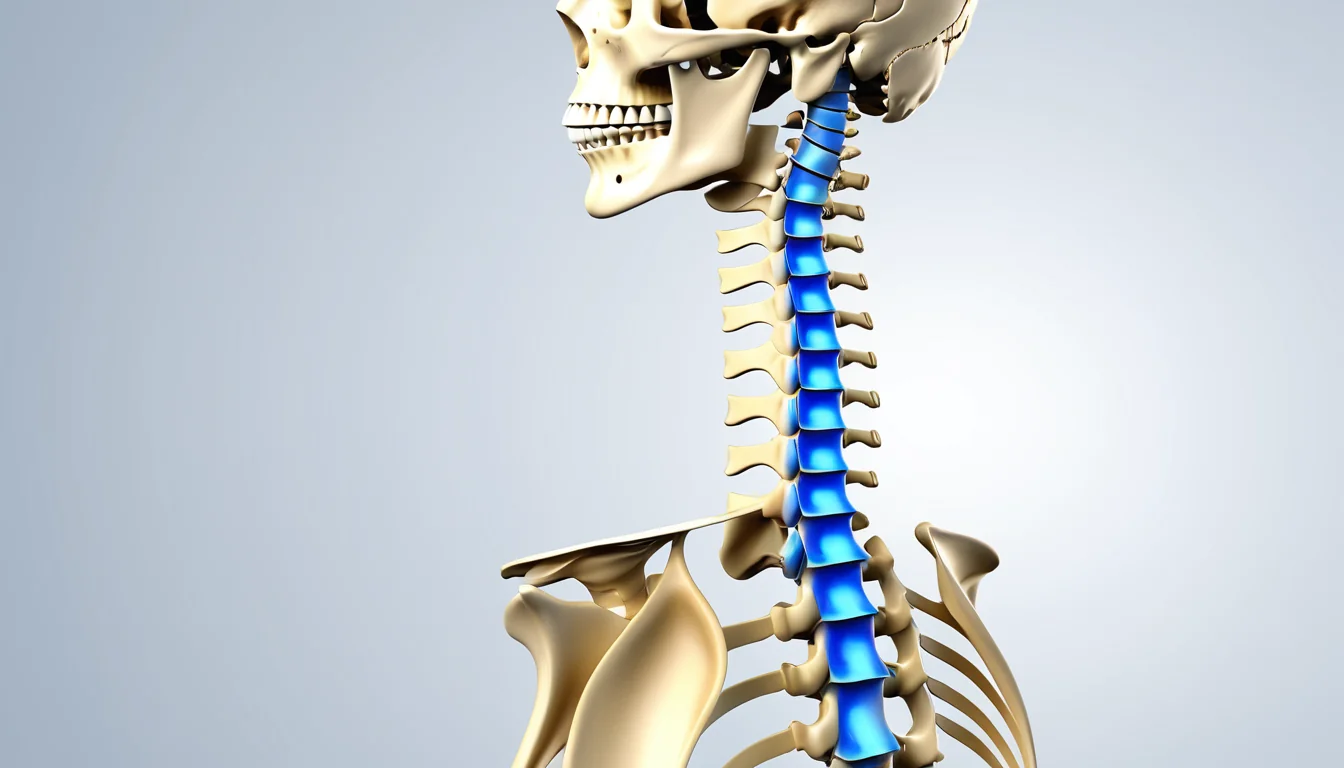
Your spine has natural curves that help you stand, move, and absorb shock. However, when the inward curve in your lower back becomes excessive, this is called hyperlordosis. From the side, the lower back bows inward too deeply, and the abdomen and buttocks may appear more prominent.
Hyperlordosis most often affects the lumbar (lower back) region. In some cases, it can also develop in the cervical (neck) region. Both forms can cause discomfort and affect your quality of life.
It is important to understand the difference between a healthy spinal curve and an abnormal one. A certain degree of lumbar curve is completely normal. The problem begins when that curve becomes too pronounced. For more background on spinal health, visit the Mayo Clinic’s overview of lordosis.
Common Symptoms of Hyperlordosis
Symptoms of hyperlordosis can range from mild to severe. Some people notice changes in their posture before they feel any pain. Others experience discomfort that gradually worsens over time.
Common symptoms include:
- Visible spinal curve: A deep inward curve in the lower back, visible from the side
- Lower back pain: Pain that ranges from mild to severe and may worsen with movement
- Muscle stiffness and spasms: Tightness or cramping in the lower back or neck muscles
- Numbness or tingling: A pins-and-needles sensation in the back, arms, or legs
- Prominent abdomen or buttocks: These areas may appear to push forward due to the curve
In more serious cases, hyperlordosis can damage the soft tissues surrounding the spine. It may also press on nerves, which leads to tingling or numbness in the limbs. Therefore, it is important not to ignore ongoing back pain.
When Symptoms Become Serious
Most cases of hyperlordosis cause manageable discomfort. However, certain symptoms signal a more urgent problem. You should seek medical attention promptly if you experience bladder or bowel changes, severe numbness, or a curve that does not reduce when you bend forward.
These symptoms may indicate nerve compression or another underlying spinal condition. In these situations, waiting too long can make treatment more difficult.
What Causes Hyperlordosis?
Several factors can lead to hyperlordosis. Understanding the root cause is key to choosing the right treatment approach. In many cases, lifestyle habits play a major role.
Poor Posture
Poor posture is one of the most common causes of hyperlordosis. When the body holds an incorrect position for long periods, the muscles in the lower back work harder to stabilize the spine. Over time, this gradually pulls the spine out of alignment and increases the curve.
Many Canadians spend long hours sitting at desks, driving, or looking down at screens. These habits place extra strain on the lumbar spine. People who wear high heels regularly or stand for extended periods are also at higher risk.
Lack of Physical Activity
Weak core and back muscles cannot properly support the spine. As a result, the lower back compensates by curving more than it should. A sedentary lifestyle is one of the leading contributors to this muscle weakness.
Furthermore, physical inactivity and excess body weight often go hand in hand. Together, they significantly increase the risk of developing hyperlordosis. The Health Canada physical activity guidelines recommend regular movement for all age groups to support musculoskeletal health.
Obesity and Excess Abdominal Weight
Carrying extra weight around the abdomen puts added pressure on the lower spine. This forward pull shifts the body’s centre of gravity and forces the lumbar curve to deepen. Managing body weight is therefore an important part of both preventing and treating hyperlordosis.
Pregnancy
Research from a 2007 study found that lumbar curvature in women evolved partly to help the body adapt to the extra weight of pregnancy. As the baby grows, the lower back naturally curves more to maintain balance. In most cases, this resolves after delivery, though exercises and physiotherapy can help speed recovery.
Other Medical Conditions
In some cases, hyperlordosis develops as a result of another spinal condition. These include spondylolisthesis (where a vertebra slips out of place), osteoporosis, kyphosis (upper back rounding), and rickets. Neuromuscular diseases and spinal injuries can also cause abnormal curvature.
A 2017 study also found a link between abnormal spinal curves and osteoarthritis, a degenerative joint disease that breaks down cartilage between the joints. This highlights the importance of addressing spinal alignment early.
How Is Hyperlordosis Diagnosed?
If you suspect you have hyperlordosis, a healthcare provider can confirm the diagnosis with a physical exam and imaging tests. Early diagnosis allows for more effective treatment.
The most common diagnostic tool is a spinal X-ray. This allows the doctor to see the degree of curvature and measure how far it deviates from normal. In some cases, an MRI (magnetic resonance imaging) or CT scan may also be ordered.
These advanced scans give a clearer picture of the soft tissues around the spine. They can reveal whether nerves or other structures are being compressed. If nerve-related symptoms are present, the doctor may also request a neurological exam.
Keeping a symptom journal before your appointment is a helpful step. Note when pain occurs, how severe it is, and how it affects your daily activities. This information helps your doctor make a more accurate diagnosis.
When to See a Doctor
Many mild cases of hyperlordosis can improve with better posture and regular exercise. However, you should speak with a healthcare provider if your symptoms are persistent or worsening.
Visit your family doctor or a walk-in clinic if you notice any of the following:
- A lower back curve that stays visible even when bending forward
- Back pain that does not improve after a few weeks of home care
- Tingling, numbness, or weakness in your back, arms, or legs
- Bladder or bowel problems you cannot explain
- Digestive discomfort linked to your back condition
In Canada, your family doctor is a great first point of contact. They can refer you to a physiotherapist, orthopaedic specialist, or spine clinic if needed. If you do not have a family doctor, most walk-in clinics can assess back pain and provide a referral. Provincial health plans generally cover medically necessary imaging and specialist visits, though wait times may vary by province.
As always, consult your doctor before starting any new exercise programme or making significant changes to manage a spinal condition.
Treatment Options for Hyperlordosis
Treatment for hyperlordosis depends on the underlying cause and the severity of symptoms. In most cases, a conservative approach is highly effective. Surgery is rarely needed.
Pain Relief and Short-Term Management
A doctor may prescribe pain relievers or muscle relaxants to ease discomfort in the short term. These medications help manage symptoms while longer-term strategies take effect. They do not correct the curve on their own, but they make it easier to participate in physiotherapy.
Physiotherapy and Posture Correction
Physiotherapy is one of the most effective treatments for hyperlordosis. A physiotherapist will teach you correct posture and design an exercise programme tailored to your needs. This approach addresses the muscle imbalances that contribute to the excessive curve.
For children and teenagers with hyperlordosis, a back brace may be recommended to support correct posture during growth. This is a common and non-invasive option that helps guide the spine as the child develops.
Recommended Exercises
Your doctor or physiotherapist may recommend specific exercises to strengthen the muscles that support your spine. These commonly include:
- Abdominal crunches: Strengthen the core to reduce lumbar strain
- Superman extensions: Target the lower back muscles
- Squats: Build leg and glute strength to support pelvic alignment
- Plank exercises: Improve overall core stability
- Glute bridges: Strengthen the posterior chain and reduce lower back curvature
These exercises work best when done consistently and with proper form. A physiotherapist can show you the correct technique to avoid injury.
Weight Management and Nutrition
If excess body weight is contributing to hyperlordosis, your doctor may refer you to a registered dietitian. Reaching a healthy body weight reduces pressure on the lumbar spine and can significantly improve symptoms. Combined with regular physical activity, weight management is a powerful long-term strategy. Learn more about Healthline’s guide to hyperlordosis management for additional practical tips.
Surgical Treatment
Surgery for hyperlordosis is rare. It is typically only considered when the condition is severe, progressive, or caused by a structural spinal problem that does not respond to conservative care. Your specialist will discuss all options with you before recommending surgery.
How to Prevent Hyperlordosis
Prevention is the best approach when it comes to hyperlordosis. Many of the risk factors are within your control. Small, consistent changes to your daily habits can make a significant difference over time.
Here are key prevention strategies:
- Maintain a healthy weight: Aim for a body mass index (BMI) within the healthy range to reduce spinal load
- Stay active: Regular physical activity keeps your muscles strong and your spine well-supported
- Practise good posture: Sit and stand with your spine in a neutral position, ears over shoulders and hips level
- Avoid prolonged sitting: Take regular breaks to stand, stretch, and move throughout the day
- Choose supportive footwear: Limit the use of high heels and choose shoes that support your natural gait
- Strengthen your core: A strong core acts like a natural corset for your spine
In addition, ergonomic adjustments at your workstation can help reduce postural strain. Ensure your chair supports your lower back and your screen is at eye level. These simple changes can protect your spine during long hours at a desk.
Frequently Asked Questions About Hyperlordosis
Can hyperlordosis be corrected without surgery?
Yes, in most cases hyperlordosis can be corrected without surgery. Physiotherapy, targeted exercises, posture correction, and weight management are usually very effective. Surgery is only considered in rare, severe cases that do not respond to conservative treatment.
What does hyperlordosis look like?
Hyperlordosis creates an exaggerated inward curve in the lower back that is visible from the side. The abdomen and buttocks may appear to stick out more than usual. In some people, the lower back appears very hollow or arched even when standing relaxed.
Is hyperlordosis the same as lordosis?
Lordosis refers to the natural inward curve of the spine in the lower back and neck. Hyperlordosis means that curve has become excessive, going beyond the normal range. Not all lordosis is a problem — it becomes a concern only when the curve is too pronounced and causes symptoms.
What exercises help fix hyperlordosis?
Exercises that strengthen the core and gluteal muscles are most helpful for hyperlordosis. Planks, glute bridges, abdominal crunches, and squats are commonly recommended. Always check with your doctor or physiotherapist before starting a new exercise programme to make sure it is safe for your condition.
Can sitting all day cause hyperlordosis?
Prolonged sitting, especially with poor posture, is a known risk factor for hyperlordosis. Sitting for long periods weakens the core and hip flexor muscles, which can pull the lower spine into an excessive curve. Taking regular movement breaks and adjusting your workstation ergonomics can help reduce this risk.
Should I see a doctor or a physiotherapist for hyperlordosis?
According to Mayo Clinic’s overview of back pain causes and treatment, this information is supported by current medical research.
For more information, read our guide on abdominal discomfort and its common causes in Canada.
It is a good idea to start with your family doctor or a walk-in clinic to get a proper diagnosis for hyperlordosis. Your doctor can refer you to a physiotherapist, who will design a personalised treatment programme. In Canada, physiotherapy referrals may be covered in part by provincial health plans or extended health benefits.
Key Takeaways
- Hyperlordosis is an excessive inward curve of the lower spine that can cause pain, stiffness, and nerve symptoms.
- The most common causes are poor posture, weak core muscles, obesity, and sedentary behaviour.
- Symptoms include lower back pain, visible arching of the back, and tingling or numbness in the lim
Frequently Asked Questions
What is hyperlordosis?
Hyperlordosis is an excessive inward curve of the lower spine, creating an exaggerated ‘swayback’ posture. While the lumbar spine naturally curves inward, hyperlordosis occurs when this curve becomes abnormally pronounced. It can affect people of all ages and may cause pain, stiffness, and movement problems if left untreated.
What are the symptoms of hyperlordosis?
Common symptoms include lower back pain, muscle stiffness, and a visibly exaggerated inward curve when standing. Some people experience difficulty moving certain ways, numbness or tingling in the legs, and muscle weakness. In mild cases, hyperlordosis may cause no noticeable discomfort but can worsen over time without proper care.
How is hyperlordosis treated in Canada?
Hyperlordosis treatment typically includes physiotherapy, targeted stretching and strengthening exercises, and posture correction. Canadian healthcare providers may also recommend chiropractic care, massage therapy, or anti-inflammatory medications for pain relief. Severe cases may require bracing or surgery, though most patients improve significantly with consistent conservative treatment and lifestyle adjustments.
Can hyperlordosis be prevented or corrected with exercise?
Yes, hyperlordosis can often be prevented and improved through regular exercise. Strengthening core muscles, hip flexors, and glutes while stretching tight lower back muscles helps correct posture alignment. Maintaining a healthy weight, avoiding prolonged sitting, and practising proper ergonomics at work also significantly reduce the risk of developing or worsening the condition.
When should you see a doctor for back curvature or posture problems?
See a doctor if you experience persistent lower back pain lasting more than a few weeks, noticeable postural changes, leg numbness, or weakness. Canadian family physicians or specialists can assess spinal curvature through physical examination and X-rays. Early diagnosis helps prevent complications and ensures timely access to physiotherapy or specialist referrals through provincial healthcare systems.
About the Author
Dr. Michael Ross, MD, FRCSCDr. Michael Ross is a fellowship-trained orthopedic surgeon at the University of Alberta Hospital, specializing in joint replacement and sports medicine. A Fellow of the Royal College of Surgeons of Canada (FRCSC), he has over 18 years of surgical experience and has authored multiple textbook chapters on musculoskeletal health. Dr. Ross is passionate about patient education and evidence-based medicine.
View all articles →