Enlarged Prostate: Symptoms, Causes & Treatment Canada

Share
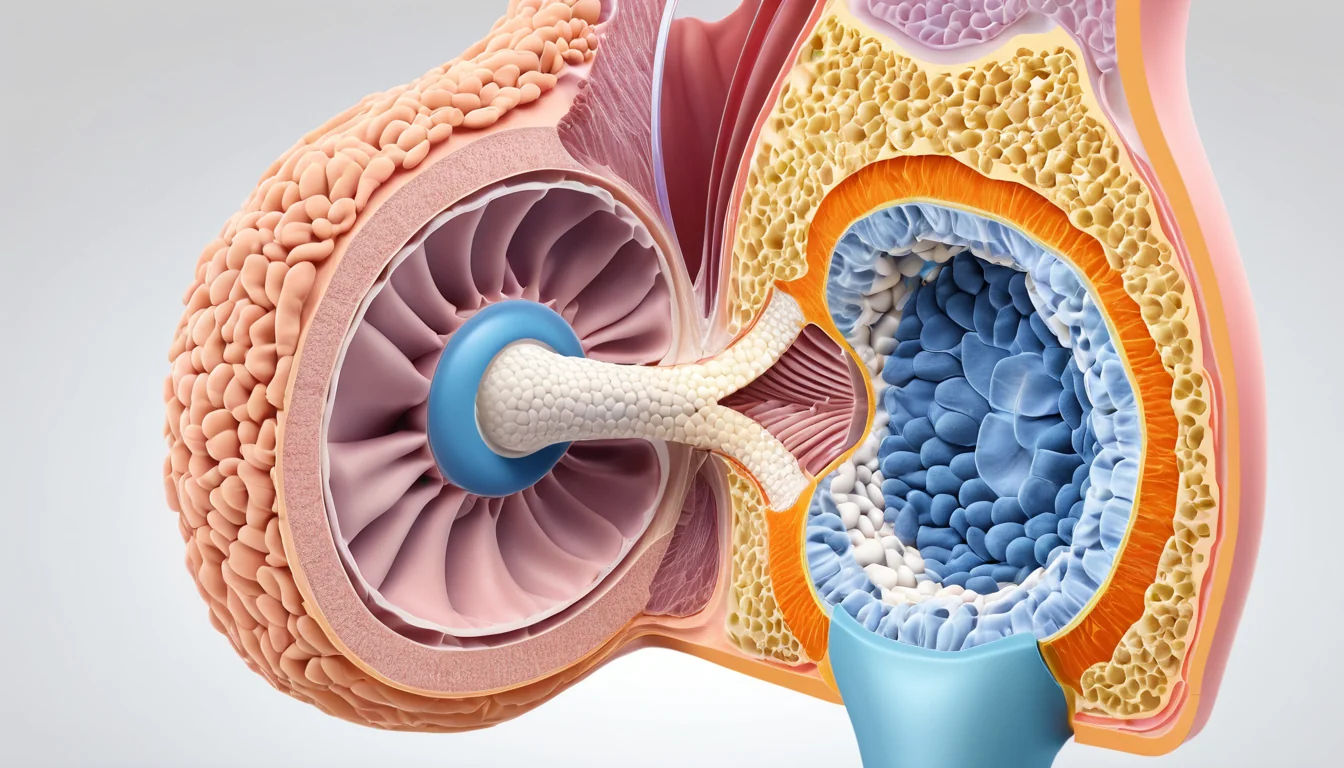
An enlarged prostate is one of the most common health concerns affecting Canadian men, especially those over the age of 50. Also known as benign prostatic hyperplasia (BPH), this condition occurs when the prostate gland gradually increases in size and begins pressing against the urethra — the tube responsible for carrying urine out of the body. While not cancerous, an enlarged prostate can lead to frustrating and sometimes disruptive urinary symptoms.
What Causes an Enlarged Prostate in Canadian Men?
Understanding enlarged prostate symptoms early is key to managing the condition before it affects your quality of life. In Canada, effective treatments ranging from lifestyle adjustments to medication and surgery are widely available through your family doctor, urologist, or even a walk-in clinic. This guide covers everything Canadian men need to know about BPH — from causes and stages to the latest treatment options.
What Is an Enlarged Prostate?
| Treatment Option | How It Works | Benefits | Considerations |
|---|---|---|---|
| Watchful Waiting (Active Monitoring) | Regular check-ups with no immediate intervention; lifestyle modifications recommended | No medication side effects; appropriate for mild symptoms | Requires annual follow-up with a physician; symptoms may progress over time |
| Alpha-Blockers (e.g., tamsulosin) | Relax muscles in the prostate and bladder neck to improve urine flow | Fast-acting relief; widely available through Canadian pharmacies | May cause dizziness or low blood pressure; does not shrink the prostate |
| 5-Alpha Reductase Inhibitors (e.g., finasteride) | Reduce prostate size by blocking hormones that cause prostate growth | Can shrink the prostate by up to 25%; reduces long-term risk of urinary retention | Takes 6–12 months for full effect; may affect sexual function |
| Combination Drug Therapy | Uses both alpha-blockers and 5-alpha reductase inhibitors together | More effective than either medication alone for moderate to severe symptoms | Higher risk of side effects; higher medication cost; covered variably by provincial drug plans |
| Minimally Invasive Procedures (e.g., TURP, UroLift) | Surgical techniques that remove or reduce obstructing prostate tissue | Long-lasting symptom relief; effective for moderate to severe enlarged prostate cases | Requires referral to a urologist; recovery time varies; available at most Canadian hospitals |
The prostate is a small, walnut-shaped gland found at the base of the bladder. It surrounds the upper part of the urethra and plays an important role in the male reproductive system.
As men age, the prostate naturally tends to grow in size. When this growth puts pressure on the urethra, it can block or slow the flow of urine. This condition is known as an enlarged prostate, or BPH.
BPH is not prostate cancer, and having it does not increase your risk of cancer. However, the symptoms can seriously affect your quality of life if left untreated. According to Health Canada, prostate conditions are among the top urological concerns for aging men in this country.
What Causes an Enlarged Prostate?
The exact cause of BPH is not fully understood. However, researchers believe that changes in hormone levels — particularly testosterone — play a major role.
As men age, the balance between testosterone and other hormones shifts. This hormonal change appears to trigger abnormal cell growth in the prostate gland. In addition, men whose testicles were removed before age 40 — or those with low pituitary gland activity — rarely develop BPH. This finding strongly supports the hormonal theory.
Other factors that may contribute to an enlarged prostate include:
- Ageing (most common in men over 50)
- Family history of BPH
- Obesity and low physical activity
- Type 2 diabetes
- Heart disease and the use of beta-blockers
Stages of an Enlarged Prostate
Doctors generally classify BPH into three stages based on how much the condition has progressed.
Stage 1: Microscopic Growth
At this early stage, the prostate has begun to grow at a cellular level. There are usually no noticeable symptoms yet. Most men are unaware anything is changing.
Stage 2: Visible Growth Without Symptoms
The prostate has grown large enough to be detected on imaging or physical exam. However, urinary symptoms may still be mild or absent. This is often when watchful waiting — regular monitoring without active treatment — begins.
Stage 3: Clinical or Symptomatic BPH
At this stage, the enlarged prostate is causing clear urinary problems. Treatment is usually recommended. Options include lifestyle changes, medication, or surgery depending on the severity.
Symptoms of an Enlarged Prostate
Symptoms of an enlarged prostate tend to develop slowly over time. Many men simply adjust their habits without realising a medical issue is at play.
The most common symptoms include:
- Frequent urination — especially at night (called nocturia)
- Weak or slow urine stream — the bladder struggles to push urine past the blockage
- Difficulty starting urination — a feeling of straining or hesitation
- Incomplete bladder emptying — a lingering sense that the bladder is not fully empty
- Urgency — a sudden, strong need to urinate that is hard to control
- Burning or discomfort during urination (called dysuria)
- Urinary leakage or dribbling — particularly in advanced stages
Fatigue is also common in men with BPH. Frequent nighttime trips to the bathroom interrupt sleep, leaving men tired and less focused during the day.
How Symptoms Progress Over Time
In the early phase, symptoms are mild and easy to overlook. As the condition advances, the bladder works harder to overcome the blockage. Over time, the bladder muscle may weaken.
In severe cases, the bladder becomes overstretched. At this point, urine may leak involuntarily — first at night and then during the day. The lower abdomen may also feel or appear swollen due to a full bladder that cannot empty properly.
For a detailed overview of how BPH progresses, the Mayo Clinic’s guide to benign prostatic hyperplasia is an excellent resource.
Complications of an Enlarged Prostate
When BPH goes untreated, it can lead to more serious health problems. These complications are important to understand so you can act early.
Acute Urinary Retention
This is a sudden and complete inability to urinate. It is a medical emergency. If this happens, go to your nearest emergency department or call 911. Treatment involves inserting a catheter to drain the bladder.
Blood in the Urine
Blood in the urine (called haematuria) can occur when pressure inside the bladder causes small veins to burst. This can be alarming and may last several days. Always report blood in the urine to a doctor right away.
Urinary Tract Infections
Urine that sits in the bladder too long becomes a breeding ground for bacteria. As a result, men with BPH have a higher risk of urinary tract infections (UTIs). Recurring UTIs can also damage the kidneys over time.
Bladder Stones
Incomplete bladder emptying can lead to the formation of bladder stones. These can cause pain, infection, and further urinary problems.
Kidney Damage
In advanced, untreated cases, the pressure built up in the bladder can back up into the kidneys. This may eventually lead to kidney damage or even kidney failure. This outcome is rare but serious.
Certain behaviours can make symptoms suddenly worse. These include eating very large meals, drinking alcohol, becoming constipated, or staying in bed for long periods. Being aware of these triggers can help you manage flare-ups.
Treatment Options for an Enlarged Prostate
Treatment for an enlarged prostate depends on how severe your symptoms are and how much they affect your daily life. Your doctor will help you weigh the options.
Watchful Waiting
For mild symptoms, your doctor may recommend active monitoring rather than immediate treatment. This means regular check-ups and lifestyle changes. It is a safe first step for many men.
Lifestyle Changes
Simple changes can make a real difference. These include:
- Reducing caffeine and alcohol intake
- Avoiding large amounts of fluid in the evening
- Exercising regularly to maintain a healthy weight
- Practising bladder training (urinating on a schedule)
- Eating a diet high in fibre to prevent constipation
Medication
Several types of medication can help. Alpha-blockers relax the muscles around the prostate and bladder neck, making urination easier. 5-alpha reductase inhibitors shrink the prostate over time by blocking the hormones that drive its growth. Your family doctor can prescribe these and explain which option suits you best.
Surgery
When medications do not work well enough, surgery may be recommended. The most common procedure is called TURP (transurethral resection of the prostate). A urologist removes part of the prostate tissue through the urethra. No external cuts are needed. Most men see significant improvement after surgery.
For further reading on treatment options, Healthline’s overview of BPH treatments provides clear and up-to-date information.
When to See a Doctor
You should speak with your family doctor if you notice any changes in your urinary habits — even if they seem minor. Many men delay seeking help because they feel embarrassed or assume the symptoms are just part of ageing. However, early treatment leads to better outcomes.
Visit a walk-in clinic or call your provincial health line (such as 811 in most provinces) if you cannot get a quick appointment with your regular doctor. Most provincial health plans in Canada cover diagnosis and treatment for BPH.
Seek emergency care immediately if you:
- Cannot urinate at all
- Have blood in your urine
- Experience severe pain in your lower abdomen
- Have a fever along with urinary symptoms (which may signal a kidney infection)
As always, this article is for general information only. Please consult your family doctor or a qualified healthcare provider for personal medical advice and diagnosis.
Frequently Asked Questions About Enlarged Prostate
What is the main sign of an enlarged prostate?
The most common sign of an enlarged prostate is trouble with urination — including a weak stream, frequent trips to the bathroom, or difficulty starting to urinate. Waking up multiple times at night to urinate is also a very common early symptom. If you notice any of these changes, speak with your family doctor.
At what age does an enlarged prostate usually develop?
An enlarged prostate most commonly affects men over the age of 50, and the risk increases significantly after age 60. By the time men reach their 80s, the majority have some degree of prostate enlargement. Regular check-ups with your doctor become especially important as you age.
Is an enlarged prostate the same as prostate cancer?
No — an enlarged prostate (BPH) is a benign condition and is not cancer. BPH does not turn into prostate cancer and does not increase your risk of developing it. However, both conditions can cause similar symptoms, so it is important to get a proper diagnosis from your doctor.
Can an enlarged prostate be treated without surgery?
Yes, many men manage an enlarged prostate successfully with lifestyle changes and medication alone. Alpha-blockers and 5-alpha reductase inhibitors are commonly prescribed and work well for mild to moderate symptoms. Surgery is usually only considered when other treatments have not provided enough relief.
What foods or drinks make enlarged prostate symptoms worse?
Alcohol, caffeine, and very large meals can all trigger a sudden worsening of enlarged prostate symptoms. Drinking large amounts of fluid in the evening can also increase nighttime urination. Reducing these in your diet may help you manage symptoms more comfortably day to day.
Does an enlarged prostate affect sexual function?
According to Mayo Clinic’s overview of benign prostatic hyperplasia, this information is supported by current medical research.
For more information, read our guide on telehealth services in Canada for convenient medical consultations.
BPH itself does not directly cause erectile dysfunction, but the two conditions often occur together in older men. Some medications used to treat an enlarged prostate can affect ejaculation or sexual function as a side effect. Talk openly with your doctor about any sexual health concerns so they can choose the most suitable treatment for you.
Key Takeaways
- An enlarged prostate (BPH) is a very common, non-cancerous condition in Canadian men over 50.
- It occurs when the prostate gland grows and squeezes the urethra, causing urinary problems.
- Symptoms include frequent urination, weak urine stream, urgency, and nighttime bathroom trips.
- Left untreated, BPH can lead to complications such as urinary retention, infections, and kidney damage.
- Treatment options range from watchful waiting and lifestyle changes to medication and surgery.
- Most provincial health plans in Canada cover assessment and treatment for BPH.
- See your family doctor or visit a walk-in clinic early — the sooner you act, the better your outcome.
- Always speak with a qualified healthcare provider before starting or stopping any treatment.
Frequently Asked Questions
What is an enlarged prostate?
An enlarged prostate, medically known as benign prostatic hyperplasia (BPH), is a non-cancerous increase in prostate gland size. It commonly affects men over 50 and can press against the urethra, restricting urine flow. BPH is not prostate cancer but requires medical evaluation if symptoms develop.
What are the symptoms of an enlarged prostate?
Common enlarged prostate symptoms include frequent or urgent urination, weak urine stream, difficulty starting urination, incomplete bladder emptying, nighttime urination (nocturia), and dribbling after urination. Symptoms range from mild to severe and tend to worsen gradually with age if left untreated.
How is an enlarged prostate treated in Canada?
Enlarged prostate treatment in Canada depends on symptom severity. Options include watchful waiting for mild cases, medications like alpha-blockers or 5-alpha reductase inhibitors, and minimally invasive procedures or surgery for severe cases. Canadian urologists typically follow guidelines from the Canadian Urological Association to guide treatment decisions.
Can an enlarged prostate be prevented?
There is no guaranteed way to prevent an enlarged prostate, but healthy lifestyle choices may reduce risk. Regular exercise, maintaining a healthy weight, limiting alcohol and caffeine, and eating a balanced diet rich in vegetables may help. Some studies suggest that staying physically active significantly lowers BPH risk.
When should I see a doctor about prostate problems?
See a doctor promptly if you experience difficulty urinating, painful urination, blood in urine, complete inability to urinate, or recurring urinary tract infections. Canadian health guidelines recommend men over 50 discuss prostate health with their doctor regularly, even without symptoms, for early detection and better treatment outcomes.

About the Author
Dr. Sarah Mitchell, MDDr. Sarah Mitchell is a board-certified family physician with over 15 years of clinical experience. She completed her MD at the University of Toronto and her residency at Toronto General Hospital. Dr. Mitchell specializes in preventive medicine and chronic disease management. She is a member of the College of Family Physicians of Canada (CFPC) and has published over 30 peer-reviewed articles on preventive health care.
View all articles →