Pituitary Tumours: Symptoms, Types & Treatment Canada

Share
Pituitary tumours are abnormal growths that develop in the pituitary gland, a small pea-sized organ located deep at the base of the brain. While the majority of these tumours are non-cancerous (benign), they can still cause significant health problems by disrupting hormone levels throughout the body. In Canada, thousands of people are diagnosed with this condition each year, and effective treatment is available through the public health system.
Understanding Pituitary Tumours: Types, Causes, and Classification
Understanding pituitary gland tumour symptoms early is essential for timely diagnosis and better outcomes. The pituitary gland is often called the “master gland” because it controls many other hormone-producing glands, regulating everything from growth and metabolism to reproduction and stress response. When a tumour develops in this critical gland, it can throw the body’s entire hormonal balance off course. This article explains the different types of pituitary tumours, the warning signs Canadians should watch for, and the treatment options available across Canada’s healthcare system.
What Is the Pituitary Gland?
| Type of Pituitary Tumour | Key Characteristics | Common Symptoms | Primary Management |
|---|---|---|---|
| Prolactinoma | Most common type; secretes excess prolactin; more frequent in women aged 20–50 | Irregular periods, breast milk production (women); reduced libido, erectile dysfunction (men) | Dopamine agonist medications (cabergoline, bromocriptine); surgery if medication fails |
| Corticotroph Tumour (ACTH-secreting) | Causes Cushing’s disease; overproduces adrenocorticotropic hormone; often small at diagnosis | Weight gain (especially abdomen/face), easy bruising, stretch marks, high blood pressure | Transsphenoidal surgery as first-line; radiation or medication (pasireotide) if needed |
| Somatotroph Tumour (GH-secreting) | Causes acromegaly in adults or gigantism in children; often large at diagnosis | Enlarged hands and feet, facial changes, joint pain, excessive sweating, sleep apnea | Surgery, followed by somatostatin analogues (octreotide, lanreotide) or radiation therapy |
| Non-functioning Adenoma | Does not secrete active hormones; second most common type; often discovered incidentally | Headaches, vision problems (bitemporal hemianopia), hormone deficiencies due to compression | Surgical removal via transsphenoidal approach; monitoring with MRI for smaller tumours |
| Thyrotroph Tumour (TSH-secreting) | Rarest functioning type; causes hyperthyroidism secondary to excess TSH production | Rapid heartbeat, weight loss, heat intolerance, tremor, goitre | Surgery and/or radiation; somatostatin analogues to reduce TSH secretion pre-operatively |
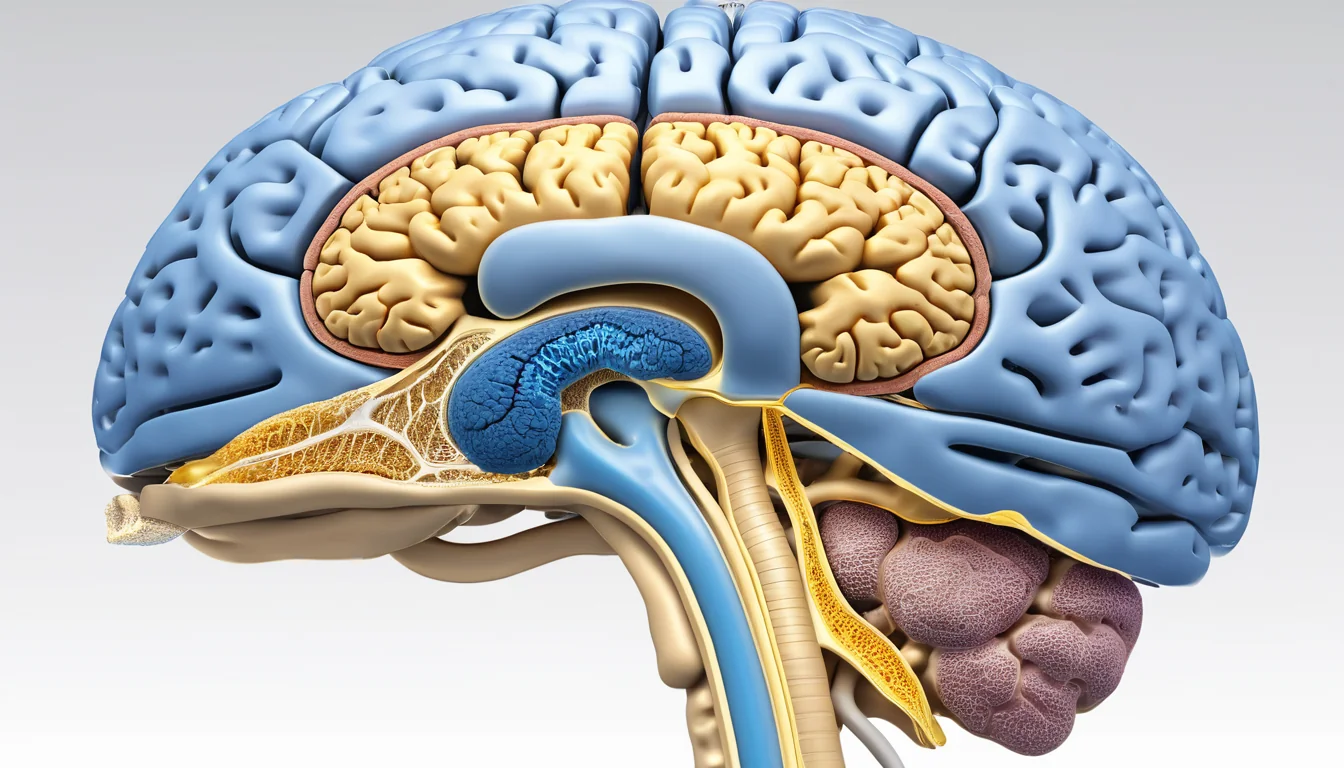
The pituitary gland sits at the base of the brain, just behind the nose. It is often called the “master gland” because it controls the activity of many other hormone-producing glands in the body. It works closely with the hypothalamus to regulate hormones that affect growth, metabolism, reproduction, and stress response.
When a tumour develops in this gland, it can disrupt the normal balance of hormones in the body. As a result, a wide range of symptoms can appear, depending on which hormones are affected. For more background on how the endocrine system works, visit Health Canada’s health information resources.
Understanding Pituitary Tumours: Types and Classification
Doctors classify pituitary tumours in two main ways: by whether they produce hormones, and by whether they have come back after treatment.
Hormone-Producing (Functioning) Tumours
These tumours release one or more hormones into the bloodstream. Unlike normal gland tissue, they do not respond to the body’s natural signals to stop producing hormones. This overproduction is often what causes symptoms and leads to a diagnosis.
The most common types of functioning pituitary tumours include:
- ACTH-secreting tumours: These produce adrenocorticotropic hormone (ACTH), which tells the adrenal glands to release stress hormones called glucocorticoids. Too much ACTH leads to Cushing’s disease.
- Prolactin-secreting tumours (prolactinomas): These are the most common type of pituitary tumour. They produce prolactin, the hormone responsible for breast milk production. In women who are not pregnant, they can cause breast milk discharge and missed periods (amenorrhea). In men, they can cause erectile dysfunction.
- Growth hormone-secreting tumours: These produce excess growth hormone (GH). In adults, this leads to a condition called acromegaly. In children and teenagers whose bones are still growing, it can cause gigantism, where the entire body grows unusually large.
Non-Functioning Tumours
Some pituitary tumours do not produce hormones. These are called non-functioning or non-secreting tumours. They may grow silently for years before causing symptoms. When symptoms do appear, they are often caused by the tumour pressing on nearby structures in the brain, such as the optic nerves, leading to vision problems or headaches.
Recurrent Tumours
A recurrent pituitary tumour is one that comes back after treatment. It may return in the pituitary gland itself or, in rare cases, in another part of the body. Regular follow-up with your specialist is important to catch any recurrence early.
Pituitary Tumours and Related Conditions
Because pituitary tumours affect hormone levels, they are closely linked to several other medical conditions. Understanding these connections can help you recognise symptoms earlier.
Cushing’s Disease
Cushing’s disease happens when an ACTH-secreting tumour causes the body to produce too many glucocorticoid hormones, such as cortisol. This leads to a distinctive pattern of fat buildup on the face, back, and chest, while the arms and legs may become thinner and weaker.
Other symptoms of Cushing’s disease include:
- High blood sugar levels
- Muscle weakness
- Bone loss (osteopenia or osteoporosis)
- Redness or flushing of the face
- High blood pressure
Acromegaly
Acromegaly develops when a pituitary tumour releases too much growth hormone in adults. The most noticeable signs are enlargement of the hands, feet, and facial features. The changes tend to happen slowly, so many people do not notice them right away.
In younger people whose bones are still developing, excess growth hormone causes gigantism instead. This means the whole body grows much larger and taller than expected. According to the Mayo Clinic’s overview of acromegaly, early diagnosis significantly improves outcomes for this condition.
Prolactinoma Effects
A prolactinoma can affect both men and women. In women, the most common effects are milky breast discharge outside of pregnancy or breastfeeding, and irregular or absent menstrual cycles. In men, the condition often causes reduced sex drive and erectile dysfunction. These symptoms are frequently the first sign that something is wrong.
Symptoms of Pituitary Tumours
Symptoms vary widely depending on whether the tumour produces hormones and how large it has grown. However, some symptoms are common across different types of pituitary tumours.
General symptoms to watch for include:
- Headaches — often persistent and not relieved by over-the-counter pain medication
- Vision problems — particularly tunnel vision or loss of peripheral (side) vision
- Nausea and vomiting
- Unexplained fatigue
- Hormonal symptoms — such as irregular periods, unexpected weight gain, or abnormal growth patterns
These symptoms can also be caused by many other conditions. Therefore, it is important not to self-diagnose. Always speak with a healthcare provider if you notice any of these changes.
Diagnosis: How Are Pituitary Tumours Detected?
If your doctor suspects a pituitary tumour, they will likely start with blood and urine tests to check your hormone levels. Abnormal results can point toward a specific type of tumour and help guide further testing.
Imaging Tests
The most common imaging test used is an MRI (magnetic resonance imaging) scan. An MRI uses magnetic waves, not radiation, to create detailed pictures of brain structures. It can show the size and location of a tumour clearly. In some cases, a CT (computed tomography) scan may also be used.
Assessing the Tumour
Once a tumour is found, your specialist will assess how invasive it is, which hormones it produces (if any), and how it is affecting nearby structures. This information helps determine the best course of treatment. Your recovery outlook depends on the type of tumour, your age, and your overall health.
Treatment Options for Pituitary Tumours
The good news is that effective treatments exist for all types of pituitary tumours. In Canada, these treatments are typically covered through provincial health plans, and your specialist team will work with you to find the best approach. There are three main treatment options.
Surgery
Surgery is the most common treatment for pituitary tumours. The most widely used procedure is called transsphenoidal surgery. The surgeon accesses the pituitary gland through a small incision inside the nose or under the upper lip, avoiding the need to open the skull. This approach reduces recovery time and risk.
In some cases, a traditional craniotomy (opening of the skull) may be required if the tumour is very large or has grown into surrounding tissue.
Radiation Therapy
Radiation therapy uses high-energy X-rays or other forms of radiation to destroy tumour cells. It is often used after surgery if some tumour tissue remains, or for tumours that cannot be removed surgically. Modern techniques, such as stereotactic radiosurgery (sometimes called Gamma Knife), allow doctors to target tumours very precisely while protecting surrounding brain tissue.
Medication
For some types of pituitary tumours, medication is the first-line treatment. For example, prolactinomas often respond very well to drugs called dopamine agonists, which reduce prolactin levels and can shrink the tumour. Medications are also available to control the effects of excess growth hormone or cortisol while other treatments take effect.
Your endocrinologist and neurosurgeon will discuss which combination of treatments is right for your specific situation. Learn more about treatment approaches from the Healthline guide to pituitary tumour treatments.
When to See a Doctor
You should speak with a healthcare provider if you experience persistent headaches, changes in your vision, unexplained hormonal symptoms, or any of the signs listed above. Do not wait to see if symptoms go away on their own.
In Canada, you have several options for getting care. Start by booking an appointment with your family doctor, who can order initial blood tests and refer you to a specialist such as an endocrinologist or neurosurgeon. If you do not have a family doctor, a walk-in clinic can provide an initial assessment and arrange referrals. In urgent cases — for example, if you have sudden severe headache or rapidly worsening vision — go to your nearest emergency department right away.
Early diagnosis leads to better outcomes. Most pituitary tumours respond well to treatment when caught at an early stage.
Frequently Asked Questions About Pituitary Tumours
Are pituitary tumours cancerous?
Most pituitary tumours are benign (non-cancerous), meaning they do not spread to other parts of the body. However, even benign pituitary tumours can cause serious health problems by disrupting hormone production or pressing on nearby brain structures. Malignant (cancerous) pituitary tumours are rare but do occur.
What are the most common symptoms of a pituitary tumour?
The most common symptoms of pituitary tumours include persistent headaches, vision changes (especially loss of peripheral vision), unexplained fatigue, and hormonal changes such as irregular periods or unexpected weight gain. Because symptoms vary widely by tumour type, many people are diagnosed only after routine testing for another condition.
Can a pituitary tumour be cured?
Many pituitary tumours can be successfully treated or managed with surgery, radiation, medication, or a combination of these approaches. Some tumours, such as prolactinomas, respond so well to medication that surgery is not needed at all. Your specialist will discuss realistic outcomes based on the specific type and size of your pituitary tumour.
How are pituitary tumours diagnosed in Canada?
In Canada, pituitary tumours are typically diagnosed through a combination of blood and urine hormone tests and an MRI scan of the brain. Your family doctor or a walk-in clinic physician can arrange initial testing and refer you to an endocrinologist or neurosurgeon for specialist care, all covered under most provincial health plans.
What is the difference between acromegaly and gigantism?
Both acromegaly and gigantism are caused by a pituitary tumour producing too much growth hormone. Gigantism occurs in children and teenagers whose bones are still growing, causing unusually tall stature and large body size. Acromegaly occurs in adults after bone growth has stopped, causing enlargement of the hands, feet, and facial features instead.
Do pituitary tumours run in families?
According to Mayo Clinic’s overview of pituitary tumours, this information is supported by current medical research.
For more information, read our guide on anemia symptoms that may accompany hormonal imbalances.
Most pituitary tumours occur randomly and are not inherited. However, in a small number of cases, they can be part of a hereditary condition such as Multiple Endocrine Neoplasia type 1 (MEN1). If you have a family history of pituitary tumours or related endocrine disorders, speak with your doctor about whether genetic testing is appropriate for you.
Key Takeaways
- Pituitary tumours are abnormal growths in the pituitary gland, located at the base of the brain.
- Most pituitary tumours are benign (non-cancerous), but they can disrupt hormone production and cause significant health problems.
- Tumours are classified as functioning (hormone-producing) or non-functioning, and by specific hormone type (ACTH, prolactin, or growth hormone).
- Related conditions include Cushing’s disease, acromegaly, gigantism, and prolactinoma.
- Common symptoms include headaches, vision changes, and hormonal disruptions — see your doctor if these occur.
- Treatment options include surgery, radiation therapy, and medication, all available through Canada’s provincial health systems.
- Early diagnosis improves outcomes significantly. Start with your family doctor or a walk-in clinic if you have concerns.
- This article is for informational purposes only. Always consult your doctor or a qualified healthcare provider for personal medical advice and before making any decisions about your health.
Frequently Asked Questions
What are pituitary tumours?
Pituitary tumours are abnormal growths that develop in the pituitary gland, a small structure at the base of the brain. Most are benign (non-cancerous) and called adenomas. They can affect hormone production, potentially disrupting multiple body functions including metabolism, reproduction, growth, and blood pressure regulation.
What are the symptoms of pituitary tumours?
Common symptoms include persistent headaches, vision problems (especially peripheral vision loss), unexplained weight gain or loss, fatigue, and hormonal imbalances. Some people experience changes in menstrual cycles, erectile dysfunction, or unusual growth of hands and feet, depending on which hormones are affected by the tumour.
How are pituitary tumours treated in Canada?
Pituitary tumour treatment in Canada typically includes surgery (transsphenoidal surgery through the nose), radiation therapy, or medication to shrink the tumour or control hormone levels. Treatment depends on tumour size, type, and hormone activity. Canadian neurosurgeons and endocrinologists often collaborate to create personalized treatment plans.
Can pituitary tumours be prevented?
Currently, there is no known way to prevent pituitary tumours. Most develop without a clear cause. A small percentage are linked to inherited genetic conditions like Multiple Endocrine Neoplasia Type 1 (MEN1). Genetic counselling may be recommended for individuals with a family history of related endocrine disorders.
When should you see a doctor about a pituitary tumour?
See a doctor promptly if you experience sudden severe headaches, sudden vision changes or loss, unexplained hormonal symptoms, or significant fatigue and weakness. Seek emergency care for sudden vision loss or extremely severe headache, as these may indicate pituitary apoplexy, a rare but serious medical emergency.

About the Author
Dr. Michael Ross, MD, FRCSCDr. Michael Ross is a fellowship-trained orthopedic surgeon at the University of Alberta Hospital, specializing in joint replacement and sports medicine. A Fellow of the Royal College of Surgeons of Canada (FRCSC), he has over 18 years of surgical experience and has authored multiple textbook chapters on musculoskeletal health. Dr. Ross is passionate about patient education and evidence-based medicine.
View all articles →