HIV and AIDS: Difference, Symptoms & Treatment Canada

Share
HIV and AIDS are two terms that often appear together, but understanding how they are connected — and how they differ — is essential for protecting your health. HIV is a virus that attacks your immune system, while AIDS is the most advanced stage of HIV infection. Not everyone living with HIV will develop AIDS, especially with the effective treatments now available across Canada.
Understanding HIV and AIDS: Key Differences Every Canadian Should Know
Knowing the difference between HIV and AIDS empowers you to recognize warning signs early and seek the right care. In Canada, provincial and territorial health programs provide access to life-saving antiretroviral therapy, allowing most people with HIV to live long, healthy lives. This guide breaks down the stages of HIV infection, symptoms to watch for, how the virus spreads, and where Canadians can get tested and treated.
What Is HIV?
HIV stands for human immunodeficiency virus. It attacks a specific type of immune cell called a CD4 cell, also known as a T cell. Over time, HIV destroys more and more of these cells.
As your CD4 count drops, your body becomes less able to fight off infections and certain cancers. HIV inserts itself directly into your DNA. This means it is a lifelong condition — there is currently no cure. However, researchers around the world are actively working to find one.
The good news is that treatment works very well. With proper medical care, people with HIV can manage the virus and live for many decades. Health Canada supports access to HIV treatment for Canadians through provincial and territorial health programmes.
How Does HIV Spread?
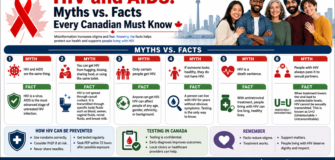
HIV spreads through specific body fluids. You cannot get it through casual contact like hugging, sharing food, or shaking hands.
The fluids that can transmit HIV include:
- Blood
- Semen
- Vaginal and rectal fluids
- Breast milk
Transmission happens during unprotected sex, sharing needles, or from a mother to her baby during pregnancy, birth, or breastfeeding. Using condoms and not sharing needles greatly reduces your risk.
Signs and Symptoms of HIV
HIV symptoms can vary from person to person. However, many people experience flu-like symptoms within two to four weeks of infection. This early phase is called acute HIV infection.
Early HIV Symptoms
Early symptoms of HIV may include:
- Fever and chills
- Swollen lymph nodes
- General body aches
- Skin rash
- Sore throat
- Headache
- Nausea or upset stomach
These symptoms often go away on their own within a few weeks. After that, HIV may cause no symptoms for years. This is called the chronic or clinical latency stage. During this time, the virus is still active and can still spread to others.
HIV Symptoms in Women
HIV symptoms are largely similar in men and women. However, women with HIV face some additional health risks. These include:
- Recurring vaginal infections
- Bacterial vaginosis
- Pelvic inflammatory disease (PID)
- Changes to the menstrual cycle
- Higher risk of human papillomavirus (HPV), which can cause genital warts and may lead to cervical cancer
Furthermore, having HIV can increase your chances of getting other sexually transmitted infections (STIs) such as gonorrhoea, chlamydia, syphilis, and trichomoniasis. If you think you may have been exposed to HIV, it is a good idea to get tested for other STIs at the same time.
What Is AIDS and How Does It Differ from HIV?
AIDS stands for acquired immunodeficiency syndrome. It is the most advanced stage of HIV and AIDS progression. However, not everyone with HIV will develop AIDS.
A person is diagnosed with AIDS when one of two things happens. First, their CD4 cell count drops below 200 cells per cubic millimetre. A healthy adult typically has between 500 and 1,500 CD4 cells per cubic millimetre. Second, they develop what is called an opportunistic infection — a serious illness that the body cannot fight because the immune system is too weak.
Symptoms of AIDS
When the immune system is severely weakened, the body struggles to defend itself. Symptoms of AIDS can include:
- Recurring fever
- Chronically swollen lymph glands, especially in the armpits, neck, and groin
- Extreme and persistent fatigue
- Night sweats
- Dark spots under the skin or inside the mouth, nose, or eyelids
- Sores or lesions on the mouth, genitals, or anus
- Rapid, unexplained weight loss
- Recurring or chronic diarrhoea
- Neurological problems such as memory loss, difficulty concentrating, and confusion
- Anxiety and depression
As a result of these serious complications, AIDS requires prompt and aggressive medical care. If HIV is caught early and treated properly, a person will usually never reach this stage.
The Three Stages of HIV
Understanding how HIV and AIDS progress can help you take action early. HIV infection moves through three distinct stages.
Stage 1: Acute HIV Infection
This is the earliest stage, occurring in the first few weeks after the virus enters the body. The viral load — meaning the amount of HIV in the blood — is very high. This makes it especially easy to spread the virus to others. Many people feel like they have the flu during this stage.
Stage 2: Chronic HIV (Clinical Latency)
In this stage, HIV is still active but reproduces more slowly. A person may have no symptoms at all for years, sometimes a decade or longer. However, they can still transmit the virus. Without treatment, this stage eventually progresses.
Stage 3: AIDS
This is the most advanced stage. The immune system is severely damaged. The body can no longer fight off most diseases and infections. With early HIV treatment, most Canadians will never reach this stage.
Treatment Options for HIV
Treatment for HIV should begin as soon as possible after diagnosis. The main treatment is called antiretroviral therapy (ART). It involves taking a combination of daily medications that stop the virus from making copies of itself.
When ART works well, it protects your CD4 cells and keeps your immune system strong. It also lowers the risk of passing HIV to others. With effective treatment, your viral load can become “undetectable.” This means the virus cannot be found in routine blood tests.
It is important to understand that “undetectable” does not mean cured. The virus is still in your body. If you stop taking your medication, the viral load will rise again. Therefore, staying on your prescribed treatment plan is essential.
In addition to stopping HIV from progressing, ART greatly reduces the risk of developing AIDS. Most people on treatment take only one or two pills per day. The Mayo Clinic provides a detailed overview of HIV treatment options that may be helpful for further reading.
How HIV Treatment Is Covered in Canada
In Canada, HIV medications are largely covered through provincial and territorial drug benefit programmes. Coverage varies depending on where you live. Many provinces also offer special programmes for people with HIV who do not have private drug coverage. Ask your family doctor or an HIV specialist about what is available in your province.
Origins of HIV
Scientists believe HIV originated from a virus found in African chimpanzees called simian immunodeficiency virus (SIV). Researchers think SIV jumped from chimpanzees to humans when people consumed chimpanzee meat carrying the virus. This likely happened as far back as the 1920s.
Over several decades, HIV spread from person to person across Africa. Eventually, the virus reached other parts of the world. Scientists first identified HIV in a human blood sample in 1959. The World Health Organization (WHO) has published key facts about HIV and AIDS that explain its global history and impact.
When to See a Doctor
You should speak with a healthcare provider if you think you may have been exposed to HIV. Testing is the only way to know for certain whether you have the virus. In Canada, HIV testing is available through your family doctor, a walk-in clinic, or a local sexual health centre.
If you have had unprotected sex, shared needles, or experienced any of the symptoms described in this article, do not wait. Early diagnosis leads to early treatment, and early treatment saves lives. Many walk-in clinics across Canada offer confidential HIV testing without a referral.
If you have already been diagnosed with HIV and are not yet on treatment, speak with your doctor as soon as possible. Starting antiretroviral therapy early makes a significant difference in long-term health outcomes. Always consult your doctor or a qualified healthcare professional before making any decisions about your treatment.
Frequently Asked Questions About HIV and AIDS
What is the difference between HIV and AIDS?
HIV is the virus that causes infection, while AIDS is the most advanced stage of that infection. Not everyone with HIV will develop AIDS. With proper treatment, most people with HIV never progress to AIDS.
Can you have HIV without knowing it?
Yes, many people with HIV have no symptoms for years. This is why regular testing is so important, especially if you have had unprotected sex or shared needles. HIV testing is widely available at walk-in clinics and family doctor offices across Canada.
Is HIV and AIDS curable?
There is currently no cure for HIV or AIDS. However, antiretroviral therapy (ART) can control the virus very effectively, allowing people to live long and healthy lives. Researchers around the world continue to work toward finding a cure.
How is HIV transmitted from person to person?
HIV spreads through specific body fluids including blood, semen, vaginal fluids, rectal fluids, and breast milk. It is most commonly transmitted through unprotected sex or sharing needles. HIV does not spread through casual contact such as hugging, kissing, or sharing food.
How long can you live with HIV without treatment?
Without treatment, HIV typically progresses to AIDS within ten years, though this varies from person to person. Once AIDS develops, serious infections can be life-threatening. With antiretroviral therapy, people with HIV can live a near-normal lifespan.
Where can I get tested for HIV in Canada?
According to Government of Canada’s HIV and AIDS resource page, this information is supported by current medical research.
For more information, read our guide on best extracurricular activities for children with ADHD.
HIV testing is available through your family doctor, local walk-in clinic, or sexual health centre in most Canadian cities and towns. Many provinces offer free and confidential testing. You do not always need a referral — just walk in and ask.
For a complete overview, read our guide: HIV and AIDS in Canada: Complete Guide.
Key Takeaways
- HIV is a virus that attacks your immune system’s CD4 cells.
- AIDS is the most advanced stage of HIV infection — but it is not inevitable.
- HIV spreads through blood, semen, vaginal fluids, rectal fluids, and breast milk.
- Early symptoms can look like the flu, but many people have no symptoms for years.
- Antiretroviral therapy (ART) is highly effective and can make HIV undetectable in the blood.
- With treatment, most people with HIV never develop AIDS and live long, healthy lives.
- Testing is the only way to know if you have HIV — ask your family doctor or visit a walk-in clinic.
- Always speak with a qualified healthcare provider for personalized medical advice about HIV and AIDS.

About the Author
Dr. James Okafor, MD, PhDDr. James Okafor holds an MD and PhD in Neurological Sciences from McGill University. With 12 years of experience in clinical neurology and mental health research, he has contributed to landmark studies on depression, anxiety, and cognitive health. Dr. Okafor is a Fellow of the Royal College of Physicians and Surgeons of Canada and serves on the editorial board of two peer-reviewed journals.
View all articles →