Online Slot Addiction: How It Affects Your Health (2025)

Share
Online slot addiction is a growing health concern that affects thousands of Canadians every year. What often begins as harmless entertainment can quietly develop into a compulsive habit that damages your brain, disrupts your sleep, and takes a serious toll on your overall wellbeing. Understanding the health risks is the first step toward protecting yourself or someone you love.
How Online Slot Addiction Affects Your Brain and Body
Across Canada, easy access to digital casinos has made gambling addiction Canada’s fastest-rising behavioural health issue. Online slots are available around the clock on phones and computers, removing the barriers that once limited how often people could gamble. This article breaks down exactly how online slots affect your body and mind, the warning signs to watch for, and where Canadians can turn for professional help.
What Makes Online Slots So Hard to Stop?
| Symptom | Description | Severity Level |
|---|---|---|
| Preoccupation with Gambling | Constant thoughts about playing online slots, planning next session, or reliving past wins; difficulty focusing on daily responsibilities | Moderate – Early Warning Sign |
| Loss of Control | Inability to stop playing despite repeated attempts; spending more time and money than intended on online slot games | Severe – Core Diagnostic Criterion |
| Withdrawal Symptoms | Irritability, restlessness, anxiety, or depression when unable to access online slots; may include sleep disturbances and mood swings | Severe – Requires Clinical Attention |
| Financial Consequences | Borrowing money, depleting savings, or accumulating debt to fund online slot play; concealing financial losses from family members | Severe – Immediate Intervention Needed |
| Social Withdrawal | Neglecting relationships, work, or hobbies in favour of online gambling; isolation from friends and family due to shame or secrecy | Moderate to Severe |
| Physical Health Decline | Disrupted sleep patterns, poor nutrition, sedentary behaviour, headaches, and fatigue resulting from prolonged online slot sessions | Moderate – Worsens Over Time |
Online slots are designed to be fast, colourful, and exciting. They have simple rules, bright graphics, and constant sound effects. These features make them easy to pick up — and very hard to put down.
Unlike many other forms of gambling, online slots are available 24 hours a day on your phone or computer. You don’t have to leave your home to play. This easy access is one reason online slots carry a higher risk of problem gambling than many other games.
In addition, slots are designed so that you lose more often than you win. Frequent small losses keep players chasing a win that rarely comes. This cycle is a key driver of online slot addiction.
How Online Slot Addiction Affects Your Brain
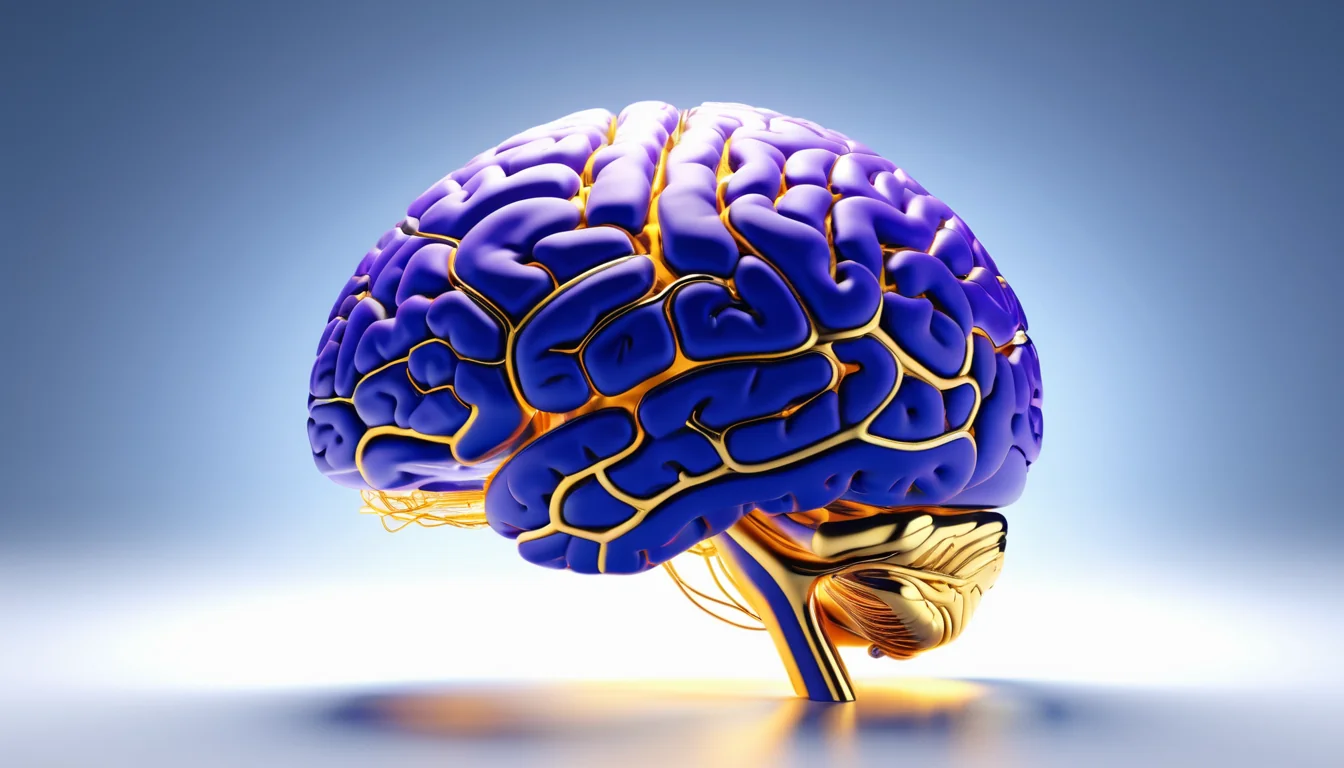
Every time you play online slots, your brain releases dopamine. Dopamine is a chemical that creates feelings of pleasure and reward. The possibility of winning — even a small amount — is enough to trigger this response.
At first, this feels good. However, the more you play, the more your brain gets used to the dopamine rush. Over time, your brain needs more stimulation to feel the same level of pleasure. This is called tolerance, and it works the same way as tolerance to alcohol or drugs.
As a result, players often bet more money and spend more time playing just to feel normal. This is one of the clearest signs that casual play has crossed into online slot addiction. Learn more about compulsive gambling symptoms at Mayo Clinic.
Can Online Slots Have Any Positive Effects on the Brain?
Some researchers suggest that playing strategy-based games can stimulate cognitive activity. Your brain works to track patterns and make quick decisions. For some people, this kind of mental engagement may feel rewarding in the short term.
However, it is important to be realistic. Playing online slots will not make you smarter or sharper. Any positive effect is minor and short-lived. The risks far outweigh the benefits when play becomes frequent or compulsive.
The Effect of Online Slots on Your Sleep
Playing online slots before bed is a common habit — and a harmful one. The bright colours, loud sounds, and fast-paced action stimulate your nervous system. This makes it very difficult for your brain to wind down and prepare for sleep.
Even one late-night session can leave you feeling restless and unable to fall asleep. Furthermore, if you play online slots every evening, you may develop chronic insomnia over time. Your brain stops following the natural pattern it needs to move into sleep mode.
Poor sleep has serious effects on your physical and mental health. It weakens your immune system, affects your mood, and makes it harder to concentrate the next day. If you notice your sleep getting worse, your evening screen habits may be a contributing factor.
Tips to Protect Your Sleep
- Stop all screen-based gambling at least one hour before bed.
- Replace the habit with a calming activity, such as reading or light stretching.
- Keep your bedroom free of devices when possible.
- Set a firm stop time and stick to it every night.
How Online Slots Can Harm Your Eyesight
Staring at a small screen for long periods puts significant strain on your eyes. This is especially true when playing on a smartphone. The bright, flashing graphics in online slots make this worse.
Common symptoms include dry eyes, blurred vision, and headaches. These are signs of digital eye strain, sometimes called computer vision syndrome. Medical research supports a link between prolonged screen time and eye discomfort and fatigue.
You can reduce the risk by taking regular breaks — look away from your screen for at least 20 seconds every 20 minutes. Playing on a larger screen such as a laptop or desktop computer also reduces strain. Make sure the room is well lit and lower your screen brightness when possible.
Recognising the Warning Signs of Online Slot Addiction
Problem gambling does not always look obvious. Many people with online slot addiction hide it from family and friends. Knowing the warning signs can help you — or someone you care about — get help sooner.
Health Canada offers resources on problem gambling and addiction support.
Common Warning Signs
- Spending more time or money on online slots than you planned.
- Feeling anxious, irritable, or restless when you try to stop playing.
- Borrowing money or hiding spending related to gambling.
- Continuing to play even after significant losses, hoping to win it back.
- Neglecting work, family, or social activities because of gambling.
- Using gambling to escape stress, loneliness, or difficult emotions.
If you recognise several of these signs in yourself or a loved one, it is important to take them seriously. Online slot addiction is a recognised mental health condition — not a character flaw or a lack of willpower.
The Link Between Gambling Addiction and Mental Health
Problem gambling is closely linked to anxiety, depression, and social isolation. Many people start gambling to feel better, but over time it makes mental health worse. The financial stress of gambling losses adds another layer of pressure.
In Canada, problem gambling affects an estimated 1 to 3 percent of adults. That means hundreds of thousands of Canadians are struggling right now. Many of them never seek help because of shame or because they do not realise help is available.
The good news is that effective treatment exists. Cognitive behavioural therapy (CBT) is one of the most successful approaches. It helps people identify the thoughts and behaviours that fuel compulsive gambling and replace them with healthier patterns. The World Health Organization recognises gambling disorder as a serious public health concern.
When to See a Doctor
If you are worried about your gambling habits, talk to your family doctor. They can assess your situation without judgement and connect you with the right support. If you do not have a family doctor, visit a walk-in clinic — you do not need a referral to discuss mental health concerns.
Your provincial health plan covers many mental health services, including counselling and referrals to addiction specialists. In some provinces, dedicated gambling addiction programmes are available at no cost. Your doctor or a walk-in clinic can point you toward these resources in your area.
Do not wait until things feel out of control. Speaking to a healthcare professional early gives you the best chance of getting back on track quickly. This article is for general information only — please consult your doctor or a qualified health professional for advice that applies to your personal situation.
Frequently Asked Questions
Is online slot addiction a real medical condition?
Yes, online slot addiction is recognised as a real mental health condition. Health organisations including the World Health Organization classify gambling disorder as a diagnosable condition that requires professional support. It affects the brain in ways similar to substance addiction, making it very difficult to stop without help.
How do I know if I have a gambling problem?
Common signs of a gambling problem include spending more than you can afford, feeling unable to stop, and hiding your gambling from others. If online slot addiction is affecting your finances, relationships, or sleep, these are important warning signs. Speaking to your family doctor or visiting a walk-in clinic is a good first step.
Can online slots cause insomnia?
Yes, playing online slots in the evening can disrupt your sleep. The fast-paced graphics and sounds stimulate your brain and make it harder to wind down. Regular evening play can lead to chronic insomnia over time, which has serious effects on your overall health.
Where can I get help for gambling addiction in Canada?
You can start by speaking with your family doctor or visiting a walk-in clinic anywhere in Canada. Many provinces offer free gambling addiction programmes and counselling covered by your provincial health plan. The Responsible Gambling Council and ConnexOntario are also helpful national and provincial resources.
Are online slots more addictive than other types of gambling?
Many addiction experts consider online slots to carry a higher addiction risk than many other forms of gambling. Their constant availability, fast play speed, and frequent small losses create a powerful cycle that encourages continued play. Online slot addiction can develop more quickly than people expect, especially with 24-hour access on smartphones.
Can playing online slots damage your eyesight?
According to Government of Canada’s guidance on problem gambling, this information is supported by current medical research.
For more information, read our guide on what every Canadian should know about managing chronic health conditions.
Prolonged screen time, especially on small smartphone screens, can cause digital eye strain. Symptoms include dry eyes, blurred vision, and headaches. Taking regular screen breaks and playing in a well-lit room can help reduce this risk.
Key Takeaways
- Online slot addiction is a recognised health condition that affects the brain similarly to substance addiction.
- Frequent play triggers dopamine release, but over time your brain needs more stimulation to feel the same pleasure.
- Playing online slots before bed can cause poor sleep and, over time, chronic insomnia.
- Long sessions on small screens can lead to digital eye strain and vision discomfort.
- Warning signs include hiding gambling, borrowing money to play, and feeling unable to stop.
- Help is available across Canada through family doctors, walk-in clinics, and provincial addiction programmes covered by your health plan.
- If you are concerned about your gambling habits, speak to a healthcare professional as early as possible.
Frequently Asked Questions
What is online slot addiction?
Online slot addiction is a recognized behavioural disorder where a person compulsively plays digital slot games despite negative consequences. Classified under gambling disorder in the DSM-5, it involves loss of control, preoccupation with gambling, and continued play despite financial, emotional, or relationship harm.
What are the warning signs of online slot addiction?
Common warning signs include spending increasing amounts of time and money on slots, lying about gambling habits, feeling restless when not playing, chasing losses, neglecting work or relationships, and experiencing anxiety or depression. Physical symptoms can include sleep disruption, headaches, and chronic stress-related conditions.
How does online slot addiction affect your mental and physical health?
Online slot addiction can trigger anxiety, depression, and suicidal ideation. Physically, chronic stress from compulsive gambling raises cortisol levels, increasing risks of hypertension and cardiovascular disease. Sleep disorders, poor nutrition, and social isolation are also common, creating a cycle that significantly worsens overall health outcomes.
What treatments are available for online slot addiction in Canada?
Effective treatments include Cognitive Behavioural Therapy (CBT), motivational interviewing, and support groups like Gamblers Anonymous. Canadian provinces offer free problem gambling helplines and counselling services. In severe cases, psychiatrists may prescribe medications targeting impulse control. Most provinces fund evidence-based treatment through provincial health programs.
When should you see a doctor about online gambling or slot addiction?
See a doctor if gambling is causing financial hardship, strained relationships, mood disorders, or thoughts of self-harm. Canadian physicians can provide referrals to addiction specialists and mental health professionals. Early medical intervention significantly improves recovery outcomes, so do not wait until the situation becomes a crisis.

About the Author
Dr. Michael Ross, MD, FRCSCDr. Michael Ross is a fellowship-trained orthopedic surgeon at the University of Alberta Hospital, specializing in joint replacement and sports medicine. A Fellow of the Royal College of Surgeons of Canada (FRCSC), he has over 18 years of surgical experience and has authored multiple textbook chapters on musculoskeletal health. Dr. Ross is passionate about patient education and evidence-based medicine.
View all articles →