Addiction in Canada: What It Is & How to Get Help

Share
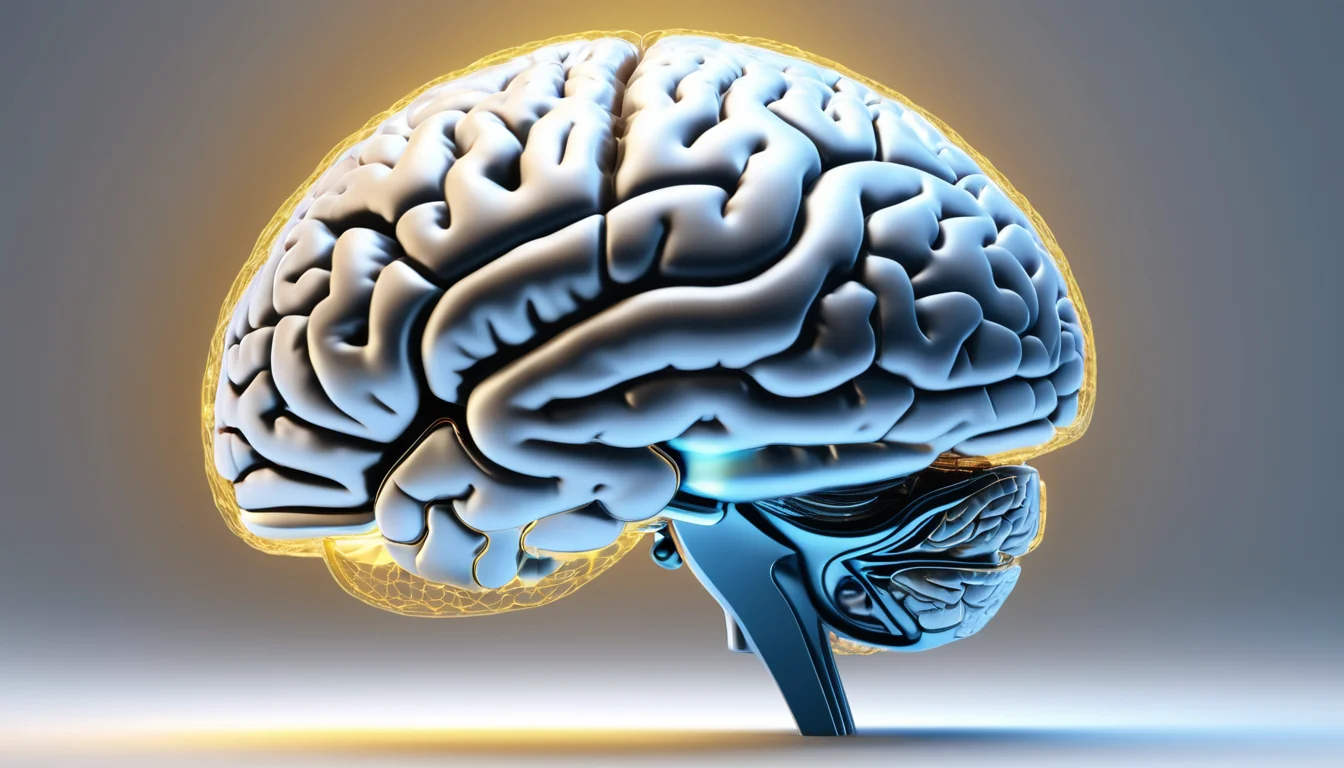
Addiction in Canada affects millions of people, and it goes far beyond drugs or alcohol. Work, food, sex, gaming, and even the constant pressure to be the perfect parent can quietly become compulsive patterns that take over daily life. Understanding what addiction really is means looking beyond substances and recognizing how everyday habits can spiral out of control.
Understanding Addiction in Canada: Why It Develops
Knowing the signs of addiction early can make all the difference for Canadians seeking help. Whether it involves a substance or a behaviour, addiction develops when the brain becomes dependent on something to feel okay — and breaking free requires more than willpower alone. This article explains why addiction happens, the most common types Canadians face, and practical steps you can take to start recovery.
What Is Addiction, Really?
| Treatment Option | Key Benefits | Important Considerations |
|---|---|---|
| Medication-Assisted Treatment (MAT) | Reduces withdrawal symptoms and cravings; evidence-based; covered under many provincial health plans (e.g., methadone, buprenorphine) | Requires regular medical supervision; may involve daily clinic visits; not suitable for all substance types |
| Residential Rehabilitation Programs | Structured, immersive environment; 24/7 support; addresses co-occurring mental health conditions | Waitlists can be lengthy in Canada; costs vary; requires time away from work and family |
| Outpatient Counselling and Therapy | Flexible scheduling; includes Cognitive Behavioural Therapy (CBT); covered through provincial health systems or employee benefits | Requires strong personal motivation; limited support outside session hours; not recommended for severe addiction without additional support |
| Peer Support and Community Programs | Free and widely accessible; reduces isolation; includes groups such as Alcoholics Anonymous (AA) and SMART Recovery Canada | Not a clinical treatment; effectiveness varies by individual; may not address underlying trauma or mental health needs |
| Harm Reduction Services | Saves lives; reduces disease transmission; non-judgmental access point for treatment; supported by Health Canada | Does not treat addiction directly; may face social stigma; availability varies significantly by province and region |
When we hear the word addiction, we usually think of illegal drugs or heavy drinking. However, addiction is far broader than that. It can develop around behaviours, routines, and even positive things — when taken too far.
According to Health Canada’s substance use resources, addiction involves a compulsive need to continue a behaviour or substance use, even when it causes harm. But modern health experts now recognize that non-substance behaviours can trigger the same patterns in the brain.
In other words, addiction is not just about what you consume. It is about the relationship you build with something — and how dependent you become on it to feel okay.
Why Does Addiction Develop?
Addiction rarely appears out of nowhere. Most of the time, it starts as a way to cope. We all face stress, loneliness, self-doubt, and pressure to succeed. When life feels overwhelming, we look for shortcuts to feel better — and fast.
Food is a clear example. Eating something delicious brings genuine pleasure. Over time, however, some people begin turning to food not just for enjoyment, but as a response to stress, boredom, or sadness. The brain starts expecting that quick relief, and soon it takes more and more food to get the same feeling. For many people, food also fills a social gap — it becomes a substitute for company and connection.
This pattern can happen with almost anything. Work, exercise, shopping, social media, gambling — even the drive to be a perfect parent. The Mayo Clinic explains that addiction changes brain chemistry, making it harder to stop even when you want to.
The Role of Creativity in Addictive Behaviour
Here is something surprising: creative people may actually be more prone to addiction. Why? Because creative minds are always looking for new ways to solve problems and manage discomfort. That is a strength — but it can backfire.
When a creative person does not have healthy outlets, they may unconsciously invent clever ways to escape negative feelings. Those inventive coping strategies can easily become addictive patterns. The good news is that the same creativity that leads to addiction can also be used to overcome it.
Common Types of Addiction in Everyday Life
Addiction does not always look dramatic. In fact, many Canadians live with mild-to-moderate addictive behaviours without ever realizing it. Here are some common examples:
- Food addiction: Using eating to manage emotions rather than hunger.
- Work addiction: Feeling unable to rest or switch off, even at the cost of relationships and health.
- Social media addiction: Compulsively checking notifications, feeling anxious without your phone.
- Sex addiction: Using sexual behaviour to escape emotional pain or stress.
- Perfectionism addiction: Obsessively chasing an impossible standard, often driven by fear of failure.
- Shopping addiction: Buying things impulsively for emotional relief, even when it creates financial strain.
None of these are signs of weakness. They are signs that a person is struggling and has found a way — however imperfect — to cope. Recognizing the pattern is the first and most important step.
How Addiction Affects the People Around You
Addiction is rarely a private matter. It affects partners, children, friends, and colleagues. Often, the people closest to you notice the problem before you do. They may try to tell you — gently or directly — that something seems off.
This is worth paying attention to. The people in your life are often the first signal that a habit has crossed a line. Furthermore, addictive behaviour can create cycles of guilt and secrecy that damage trust and intimacy over time.
The World Health Organization notes that harmful use of substances and addictive behaviours contribute significantly to family breakdown and mental health challenges worldwide. Canada is no exception.
Breaking the Cycle Without Making It Worse
One important thing to understand: quitting an addiction abruptly can be harder than it sounds. Behind every addiction is something uncomfortable that the behaviour was hiding — anxiety, grief, loneliness, or low self-worth.
When you suddenly stop the addictive behaviour, all of that discomfort comes rushing back. You are left asking: “How do I cope now?” This is why cold-turkey approaches often fail without proper support. It is not a lack of willpower. It is simply the nature of how addiction works in the brain.
What You Can Do About Addiction
The first step is honest self-reflection. Ask yourself: Are there habits in your life that you rely on too heavily? Do you feel anxious or irritable when you cannot engage in a certain behaviour? Have people you trust raised concerns?
Acknowledging the possibility of an addictive pattern — even a small one — takes real courage. But it is also a turning point. Here are some practical steps you can take:
- Name the behaviour: Be specific about what you are doing and when. Awareness is powerful.
- Identify the trigger: What emotion or situation tends to set it off? Stress? Loneliness? Boredom?
- Find a healthy substitute: Replace the addictive coping strategy with something constructive — a walk, a phone call to a friend, a creative hobby.
- Build a support system: Tell someone you trust. Recovery is much harder alone.
- Consider professional help: Psychotherapy, group therapy, or counselling can make a significant difference.
Prevention always works better than treatment. The sooner you recognize a pattern and act on it, the easier it is to change course.
The Role of Psychotherapy
Psychotherapy is one of the most effective tools for addressing addiction of all kinds. It helps you understand what you are truly trying to escape and teaches you healthier ways to manage those feelings.
There is no single “best” type of therapy. What matters most is finding a therapist you feel comfortable with — someone you trust and can be honest with. Different approaches work for different people. Some may benefit from individual therapy, while others find couples counselling, family therapy, or group sessions more helpful.
In addition, relaxation techniques, recreational activities, and physical exercise can all support recovery. These activities help fill the emotional space that the addiction once occupied.
When to See a Doctor
If you suspect you or someone you love is struggling with addiction, it is important to reach out for help. You do not need to wait until things feel out of control.
Start by booking an appointment with your family doctor. They can assess what is happening, rule out any underlying physical or mental health conditions, and refer you to appropriate services — such as a registered psychologist, addictions counsellor, or mental health programme in your province.
If you do not have a family doctor, a walk-in clinic is a good starting point. Most provinces also offer free or low-cost mental health and addictions services through provincial health plans. Your doctor or clinic can help you navigate what is available in your area.
Do not wait for things to get worse. Early action leads to better outcomes — every time.
Frequently Asked Questions About Addiction
Can you develop an addiction to something that is not a drug or alcohol?
Yes, absolutely. Addiction can develop around behaviours like eating, gambling, shopping, work, or social media use. These behavioural addictions follow the same brain patterns as substance addiction, creating a compulsive need to repeat the behaviour even when it causes harm.
What are the early warning signs of addiction?
Early signs of addiction include relying on a behaviour or substance to manage stress, feeling irritable or anxious when you cannot engage in it, and continuing despite negative consequences. People around you noticing changes in your behaviour is also a common early signal worth taking seriously.
Is addiction covered by provincial health plans in Canada?
Many addiction treatment services are covered or subsidized through provincial health plans, though coverage varies by province. Your family doctor or a walk-in clinic can refer you to publicly funded addiction and mental health programmes in your area.
Can addiction be treated without medication?
Yes, many forms of addiction respond well to psychotherapy, counselling, and lifestyle changes without medication. However, some addictions — particularly to alcohol or opioids — may require medical supervision during withdrawal. Always consult your doctor before stopping any substance use abruptly.
How does stress lead to addictive behaviour?
When we feel stressed, our brains look for quick ways to feel relief. Over time, if we repeatedly turn to the same behaviour — eating, drinking, scrolling — our brain begins to expect that response to stress. This is how a coping habit gradually becomes an addiction.
What is the difference between a habit and an addiction?
A habit is a routine behaviour you can choose to change without significant distress. Addiction, on the other hand, involves a compulsive need to continue the behaviour, even when you want to stop and even when it causes problems in your life. The key difference is the loss of control.
Key Takeaways
- Addiction goes beyond drugs and alcohol — it can develop around food, work, sex, shopping, and more.
- Most addictions start as coping strategies for stress, loneliness, or emotional pain.
- Creative people may be more prone to addiction — but that same creativity can help with recovery.
- Quitting abruptly can backfire — professional support helps you address what the addiction was hiding.
- Psychotherapy is highly effective — individual, group, couples, and family therapy can all play a role.
- Act early — talk to your family doctor or visit a walk-in clinic. Provincial health plans often cover addiction services.
- You are not alone — addiction is a health issue, not a character flaw, and help is available across Canada.
According to Health Canada’s substance use and addiction resources, this information is supported by current medical research.
For more information, read our guide on substance use disorder and HIV risks every Canadian should know.
This article is for general information only. Always speak with a qualified healthcare provider — such as your family doctor or a registered mental health professional — before making changes to your health or treatment plan.
Frequently Asked Questions
What is addiction in Canada?
Addiction in Canada is a chronic brain disorder characterized by compulsive substance use or behaviour despite harmful consequences. It affects over 21% of Canadians in their lifetime. Addiction alters brain chemistry, impairing judgment and self-control. It is recognized as a medical condition, not a moral failing, and requires proper treatment.
What are the common symptoms of addiction?
Common addiction symptoms include strong cravings, loss of control over use, neglecting responsibilities, withdrawal from social activities, developing tolerance, and continuing use despite negative consequences. Physical signs may include changes in sleep, appetite, and energy levels. Behavioural signs include secrecy, mood swings, and financial problems.
How is addiction treated in Canada?
Addiction in Canada is treated through a combination of medical detox, behavioural therapies, counselling, and medication-assisted treatment. Programs are available through provincial health systems, community health centres, and private clinics. Evidence-based approaches include cognitive behavioural therapy, peer support groups, and harm reduction strategies tailored to individual needs.
Can addiction be prevented?
Addiction can be significantly reduced through early education, mental health support, and addressing risk factors like trauma and family history. Delaying first substance use, building strong social connections, and developing healthy coping skills all lower risk. Screening programs and community-based prevention initiatives have proven effective across Canadian populations.
When should you see a doctor about addiction?
See a doctor immediately if substance use is affecting your health, relationships, or daily functioning, or if you experience withdrawal symptoms when stopping. Early medical intervention improves outcomes significantly. Canadian doctors provide confidential, non-judgmental support and can connect you with local treatment resources, referrals, and medication-assisted therapy options.

About the Author
Dr. Sarah Mitchell, MDDr. Sarah Mitchell is a board-certified family physician with over 15 years of clinical experience. She completed her MD at the University of Toronto and her residency at Toronto General Hospital. Dr. Mitchell specializes in preventive medicine and chronic disease management. She is a member of the College of Family Physicians of Canada (CFPC) and has published over 30 peer-reviewed articles on preventive health care.
View all articles →