Osgood-Schlatter Disease: Causes, Symptoms & Treatment

Share
Osgood-Schlatter disease is one of the most common causes of knee pain in active Canadian children and teenagers. It develops when repeated stress from running, jumping, or quick direction changes irritates the growing part of the shinbone just below the kneecap. While the name may sound alarming, this condition is not dangerous, and most young people recover fully without surgery.
What Causes Osgood-Schlatter Disease in Young Athletes?
Across Canada, thousands of young athletes experience knee pain in children related to growth spurts and high-intensity sports each year. Understanding what causes this condition, how to recognize its symptoms early, and which treatments work best can help your child get back to the activities they love. In this guide, you will learn everything Canadian parents need to know about managing and preventing Osgood-Schlatter disease.
What Is Osgood-Schlatter Disease?
| Treatment Option | Benefits | Considerations |
|---|---|---|
| Rest and Activity Modification | Reduces stress on the tibial tubercle; allows natural healing; no side effects | May require temporary reduction or pause in sports participation; can be challenging for active youth |
| Ice Therapy (Cryotherapy) | Reduces local inflammation and pain; easy to apply at home; no cost | Apply for 15–20 minutes post-activity only; avoid direct skin contact to prevent frostbite |
| Physiotherapy | Strengthens quadriceps and hamstrings; improves flexibility; reduces recurrence risk | Requires referral or out-of-pocket cost if not covered by provincial health plan or private insurance |
| Over-the-Counter Pain Relievers (e.g., ibuprofen, acetaminophen) | Manages pain and inflammation effectively; widely available at Canadian pharmacies | NSAIDs should be used cautiously in adolescents; consult a pharmacist or physician before use |
| Patellar Tendon Strap or Knee Brace | Offloads pressure from the tibial tubercle during activity; allows continued participation in sport | Must be properly fitted; not a standalone treatment; available at most Canadian sporting goods stores |
| Surgical Intervention | Reserved for severe, persistent cases; can remove ossicles causing ongoing pain in adults | Rare and only considered after skeletal maturity; recovery time required; referred to orthopedic specialist |
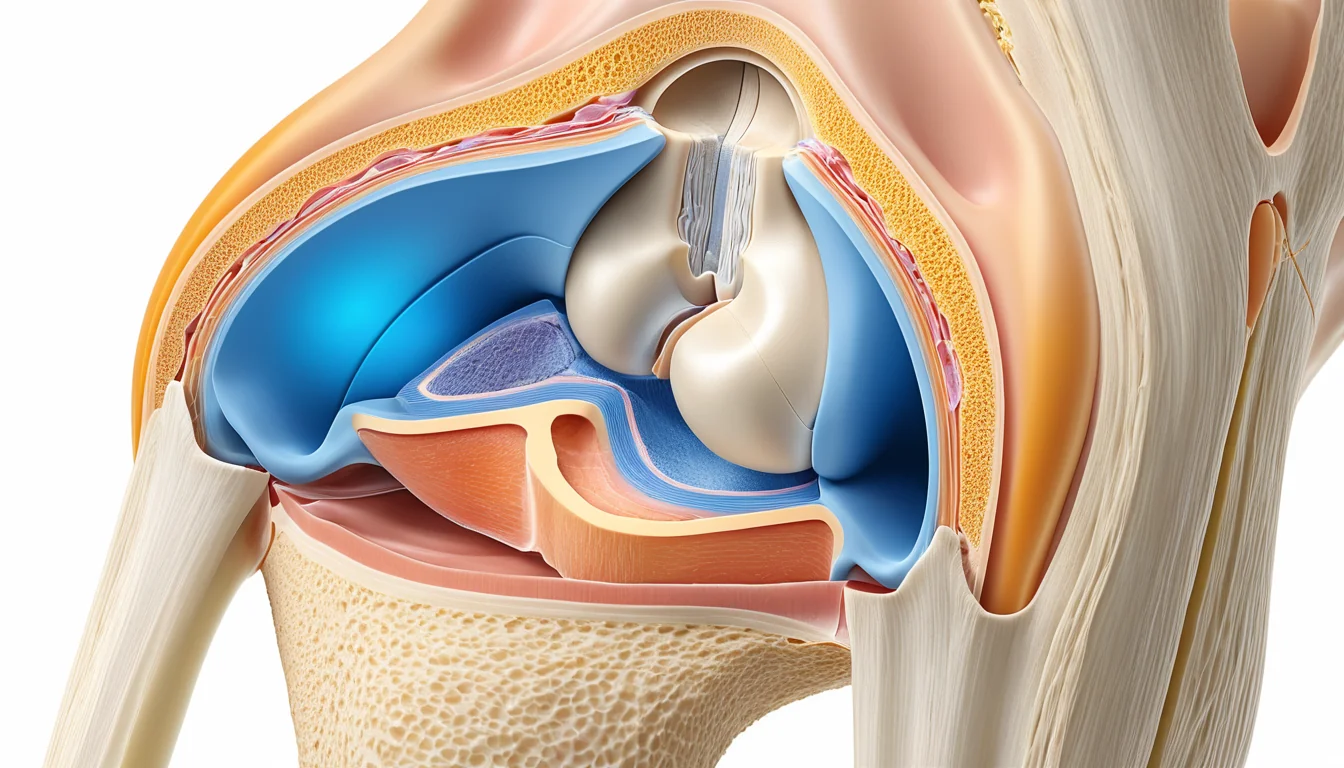
Osgood-Schlatter disease affects the tibial tubercle — a bony bump just below the kneecap at the top of the shinbone. The patellar tendon connects the kneecap to this bump. When a child runs, jumps, or changes direction repeatedly, this tendon pulls hard on the growth plate of the bone.
Growth plates are soft areas of developing cartilage near the ends of bones in children. Because they are still forming, they are more vulnerable to stress than adult bone. Over time, repeated pulling causes inflammation, pain, and sometimes small bone fragments to break away from the tibial tubercle.
In more serious cases, this can lead to an avulsion — where the tendon pulls away a small piece of bone. However, avulsions are less common than simple inflammation at the site.
Who Gets Osgood-Schlatter Disease?
This condition most often affects children between the ages of 10 and 15. Boys are affected more often than girls, though the gap has narrowed as more girls participate in competitive sports. According to Mayo Clinic’s overview of Osgood-Schlatter disease, active children who play sports involving running and jumping are at the highest risk.
Sports like soccer, basketball, volleyball, gymnastics, and hockey are common triggers. These activities place a high, repeated load on the patellar tendon and the tibial growth plate. However, even children who are moderately active can develop the condition during a growth spurt.
It is also possible for both knees to be affected at the same time, though one side is usually worse than the other.
Risk Factors to Know
- Age: Most common during the adolescent growth spurt
- Sex: More frequent in boys, but girls are also affected
- Sport type: High-impact sports increase the risk
- Training intensity: Rapid increases in training volume raise the risk
- Growth spurts: Bones grow faster than tendons during these periods
Symptoms of Osgood-Schlatter Disease
The most common symptom of Osgood-Schlatter disease is pain directly below the kneecap. The pain usually gets worse during physical activity and improves with rest. Many children and teens describe the pain as a dull ache that becomes sharp during sports.
A firm, tender bump on the shinbone just below the kneecap is another key sign. This bump may feel hard and can remain visible even after the pain goes away. In some children, the bump persists into adulthood, though it causes no lasting harm.
Normal knee movement is usually not affected. Most children can still walk, climb stairs, and bend the knee without major difficulty. However, activities like kneeling, squatting, or going up stairs may cause discomfort.
How Long Do Symptoms Last?
Symptoms can last several months and may come back throughout the growing years. For most children, the pain fully resolves once the growth plate closes — usually between the ages of 14 and 18. In the meantime, pain may flare up during activity and ease off during quieter periods.
It is important not to ignore persistent knee pain in a child or teenager. While Osgood-Schlatter disease is usually benign, other conditions can cause similar symptoms and need a different approach.
How Is Osgood-Schlatter Disease Diagnosed?
Doctors usually diagnose Osgood-Schlatter disease based on the child’s symptoms and a physical examination. Your family doctor or a walk-in clinic physician will ask about your child’s activity level, when the pain started, and what makes it better or worse.
During the exam, the doctor will press gently on the tibial tubercle to check for tenderness and swelling. This simple test is often enough to confirm the diagnosis.
Do You Need an X-Ray?
X-rays are not always needed, but your doctor may order one to rule out other causes of knee pain. An X-ray may look completely normal. In some cases, it shows small bone fragments around the tibial tubercle, which is a typical finding in this condition.
If the diagnosis is unclear, your doctor may refer your child to a paediatric orthopaedic specialist. In most Canadian provinces, your family doctor can arrange this referral through your provincial health plan. You can also learn more from Health Canada’s resources on bone and musculoskeletal health.
Treatment Options for Osgood-Schlatter Disease
The good news is that Osgood-Schlatter disease often gets better on its own without any special treatment. The main goal is to manage pain and keep your child comfortable while their bones finish growing. Most treatment plans focus on reducing activity, applying ice, and doing gentle exercises.
Ice and Rest
Applying an ice pack to the sore area for 15 to 20 minutes after activity can reduce swelling and ease pain. Wrap the ice in a cloth — never apply it directly to the skin. Rest is also important, especially after a flare-up.
Your child does not need to stop all physical activity. However, it helps to avoid high-impact sports during painful periods. If the pain is severe, a short break from sport may be recommended.
Stretching and Strengthening Exercises
A physiotherapist can teach your child gentle stretches for the quadriceps and hamstrings. Strong, flexible muscles reduce the amount of stress placed on the patellar tendon. Strengthening exercises are often used alongside rest and ice for better results.
Your family doctor can provide a referral to a physiotherapist. In many provinces, some physiotherapy visits are partially covered through extended health benefits or provincial programmes, so check with your insurer or provincial health authority.
Knee Supports and Padding
Children who want to keep playing sports can wear a knee brace or patellar tendon strap during activity. This helps reduce the pulling force on the tibial tubercle. After sports, applying ice to the knee can help manage any remaining discomfort.
Knee pads are also useful for sports where kneeling or falling is common, such as volleyball or hockey. They protect the sensitive bump from direct impact.
Pain Relievers
Over-the-counter pain relievers like ibuprofen or acetaminophen can help manage discomfort. Always follow the dosage instructions on the label and speak with your pharmacist or doctor before giving medication to a child. Do not give ASA (Aspirin) to children without medical advice.
Reducing Sport Intensity
Your child’s doctor may suggest limiting vigorous sports temporarily. If your child experiences sharp pain during exercise, they should reduce the activity until the pain is at a tolerable level. Pushing through severe pain can make the condition worse and delay recovery.
For more detailed guidance on managing sports injuries in young athletes, Healthline’s article on Osgood-Schlatter disease treatment offers a helpful overview.
When to See a Doctor
You should take your child to see a family doctor or visit a walk-in clinic if the knee pain is severe, if it does not improve with rest, or if it is affecting your child’s ability to do everyday activities. Early assessment helps rule out other conditions and gets your child the right support faster.
Seek medical attention promptly if your child has sudden, intense pain after an injury. This could indicate a more serious problem, such as a fracture or complete tendon avulsion, which needs immediate care.
If your child’s pain lasts more than a few weeks without improvement, a referral to an orthopaedic specialist or sports medicine doctor may be appropriate. In Canada, your family doctor can arrange this through your provincial health plan. If you do not have a family doctor, a walk-in clinic can provide an initial assessment and referral.
As always, this article is for general information only. Please consult your family doctor or a qualified healthcare provider before starting any treatment programme for your child.
Frequently Asked Questions About Osgood-Schlatter Disease
Is Osgood-Schlatter disease serious?
Osgood-Schlatter disease is not considered a serious or dangerous condition. In most cases, it resolves on its own once a child finishes growing. However, it is important to manage the pain properly and avoid activities that make symptoms worse.
Can a child still play sports with Osgood-Schlatter disease?
Many children with Osgood-Schlatter disease can continue moderate sports activity with the help of a knee brace and ice therapy after exercise. However, if pain is severe during activity, it is best to reduce sport participation until the discomfort is manageable. Always follow the guidance of your child’s doctor or physiotherapist.
How long does Osgood-Schlatter disease last?
Osgood-Schlatter disease typically lasts for several months and may flare up repeatedly during the growing years. Most children see full relief from symptoms once their growth plates close, usually between ages 14 and 18. In rare cases, mild discomfort or a visible bump may persist into adulthood.
What does the bump below the knee mean in Osgood-Schlatter disease?
The bump below the kneecap is the tibial tubercle, which becomes enlarged due to repeated stress from the patellar tendon. This is one of the hallmark signs of Osgood-Schlatter disease. The bump may remain visible even after the pain goes away, but it is generally harmless.
Does Osgood-Schlatter disease require surgery?
Surgery is very rarely needed for Osgood-Schlatter disease. The vast majority of children recover fully with rest, ice, stretching, and activity modification. Surgery may only be considered in unusual cases where loose bone fragments cause persistent pain in adulthood.
Can adults get Osgood-Schlatter disease?
According to Mayo Clinic’s overview of Osgood-Schlatter disease, this information is supported by current medical research.
For more information, read our guide on differences between MRI and CT scans for diagnosing knee conditions.
Osgood-Schlatter disease primarily affects children and teenagers during periods of rapid growth. Once the growth plates close in late adolescence, the condition typically resolves. However, adults who had the disease as children may experience occasional knee discomfort or notice a persistent bump at the tibial tubercle.
Key Takeaways
- Osgood-Schlatter disease causes pain and swelling just below the kneecap in active children and teens.
- It results from repeated stress on the tibial growth plate, often during sports involving running and jumping.
- Most cases resolve on their own once bone growth is complete.
- Ice, rest, stretching, and knee supports are the main treatments.
- Children can often continue moderate activity with proper protection and pain management.
- See your family doctor or visit a walk-in clinic if pain is severe, persistent, or affecting daily life.
- Surgery is rarely needed and most children recover fully without any long-term problems.
Frequently Asked Questions
What is Osgood-Schlatter disease?
Osgood-Schlatter disease is a common knee condition causing pain and swelling just below the kneecap, where the patellar tendon attaches to the shinbone. It primarily affects active children and adolescents during growth spurts. The repeated stress from physical activity causes inflammation at the tibial tubercle, resulting in a painful bony bump.
What are the symptoms of Osgood-Schlatter disease?
The main symptoms include pain, swelling, and tenderness just below the kneecap at the top of the shinbone. Pain typically worsens during running, jumping, or kneeling and improves with rest. A visible or palpable bony bump may develop over time. Symptoms usually affect one knee but can occur in both.
How is Osgood-Schlatter disease treated?
Treatment focuses on managing pain and reducing inflammation. Rest, ice application, and over-the-counter pain relievers like ibuprofen are first-line approaches. Stretching and strengthening exercises help long-term recovery. A knee strap or patellar tendon band can reduce discomfort during activity. Most cases resolve completely once a child stops growing.
Can Osgood-Schlatter disease be prevented in active kids?
While it cannot always be prevented, the risk can be reduced by incorporating regular stretching of the quadriceps and hamstrings, allowing adequate rest between intense training sessions, and avoiding overtraining during growth spurts. Proper warm-up routines and wearing supportive footwear during sports also help minimize stress on the knee.
When should I see a doctor for knee pain in my child?
See a doctor if your child has persistent knee pain that does not improve with rest, significantly limits physical activity, or is accompanied by severe swelling, redness, or warmth. A healthcare provider can confirm diagnosis and rule out more serious conditions. Early assessment ensures appropriate management and prevents worsening of symptoms.

About the Author
Dr. James Okafor, MD, PhDDr. James Okafor holds an MD and PhD in Neurological Sciences from McGill University. With 12 years of experience in clinical neurology and mental health research, he has contributed to landmark studies on depression, anxiety, and cognitive health. Dr. Okafor is a Fellow of the Royal College of Physicians and Surgeons of Canada and serves on the editorial board of two peer-reviewed journals.
View all articles →