Achilles Tendon Problems: Causes, Symptoms & Treatment

Share
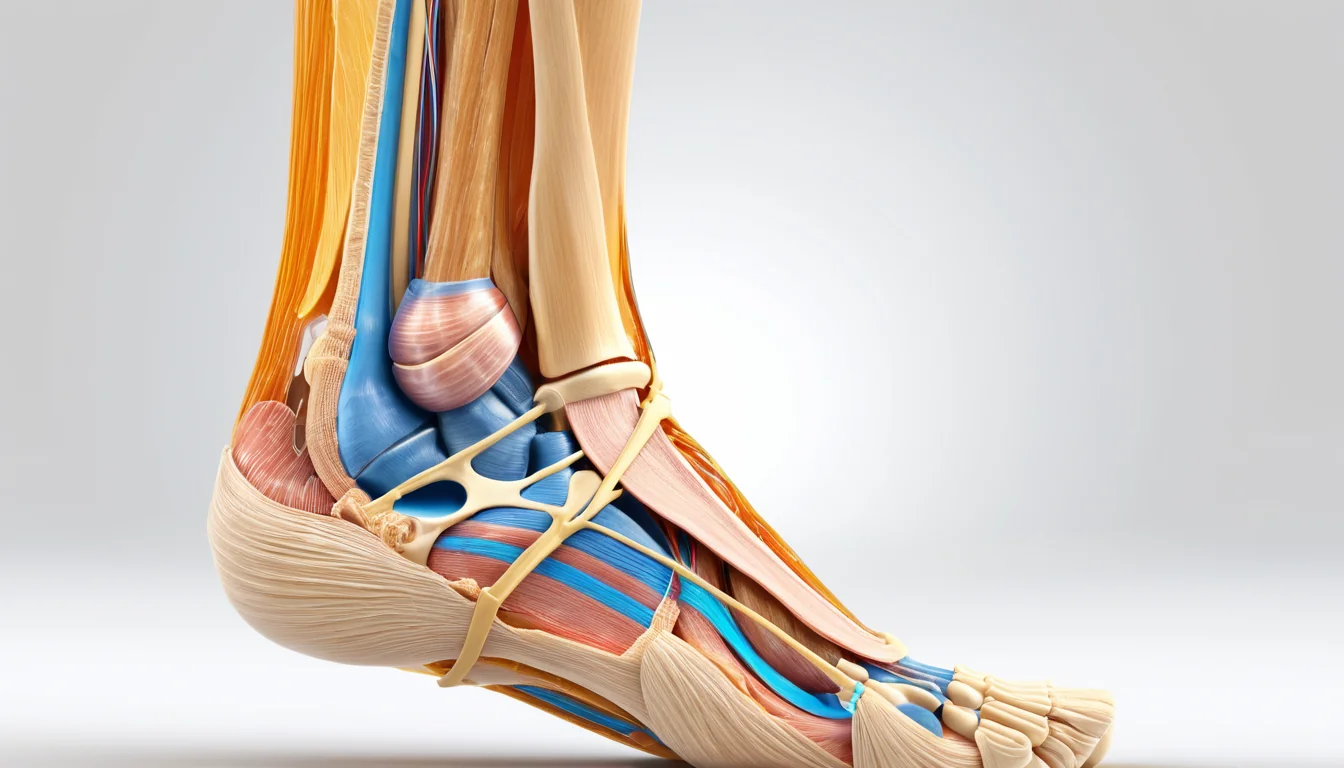
Achilles tendon problems are among the most common lower-leg injuries affecting active Canadians of all ages. Whether you are a weekend runner, a daily commuter who walks to work, or someone who simply enjoys staying on your feet, issues with the Achilles tendon can turn everyday movements into painful challenges. This thick band of tissue connects your heel bone to your calf muscles and plays a critical role every time you walk, run, jump, or climb stairs.
What Causes Achilles Tendon Problems in Canadians?
Understanding the root causes of Achilles tendon pain is the first step toward effective treatment and lasting recovery. In Canada, thousands of people seek medical attention each year for tendon injuries ranging from mild inflammation to complete ruptures. This guide breaks down the types, causes, risk factors, and symptoms of Achilles tendon conditions so you can recognize warning signs early and take the right action.
What Are Achilles Tendon Problems?
| Type | Key Characteristics | Who Is Most Affected | Recommended Management |
|---|---|---|---|
| Insertional Achilles Tendinopathy | Pain and stiffness at the point where the tendon attaches to the heel bone; may involve bone spurs; worse in the morning | Adults over 45; individuals with a sedentary lifestyle; those with flat feet or high arches | Physiotherapy, heel lifts, anti-inflammatory medications, activity modification; surgery in persistent cases |
| Non-Insertional Achilles Tendinopathy | Pain and swelling in the middle portion of the tendon (2–6 cm above the heel); thickening of the tendon; stiffness after rest | Active adults aged 30–50; runners and athletes; males more commonly than females | Eccentric strengthening exercises, physiotherapy, orthotics, shockwave therapy; surgical debridement if conservative care fails |
| Acute Achilles Tendon Rupture | Sudden sharp pain in the back of the lower leg; audible “pop” at time of injury; significant weakness or inability to push off the foot | Recreational athletes aged 30–50 (“weekend warriors”); individuals returning to activity after a long break | Surgical repair or functional rehabilitation with bracing; physiotherapy for strength and return to activity; recovery typically 6–12 months |
| Achilles Tendon Bursitis (Retrocalcaneal Bursitis) | Inflammation of the bursa sac located between the tendon and heel bone; localized swelling and tenderness; pain aggravated by footwear | Athletes involved in repetitive running or jumping; individuals wearing poorly fitting footwear | Rest, ice, NSAIDs, footwear modifications, physiotherapy; corticosteroid injection in refractory cases; rarely surgical |
| Partial Achilles Tendon Tear | Incomplete disruption of tendon fibres; persistent aching pain with activity; localized tenderness and mild swelling; reduced strength | Older athletes; individuals with pre-existing tendinopathy; those on fluoroquinolone antibiotics | Conservative management with physiotherapy and load management; bracing or casting in moderate tears; surgical repair considered if no improvement after 3–6 months |
Achilles tendon problems fall into two main categories: tendinopathy and tendon rupture. Understanding the difference helps you take the right steps toward recovery.
Achilles Tendinopathy
Tendinopathy is an umbrella term that covers two related conditions. The first is tendinitis, which means inflammation of the tendon. The second is tendinosis, which involves tiny tears — called microtears — inside or along the edges of the tendon.
Most Achilles tendon pain is actually caused by tendinosis, not tendinitis. However, many doctors and patients still use the term tendinitis out of habit. Both conditions cause pain and can limit your movement.
Achilles Tendon Rupture
A rupture means the tendon has torn, either partially or completely. A partial rupture may cause only mild symptoms or none at all. A complete rupture, however, causes sudden intense pain and a loss of strength and movement in the affected foot.
For more detail on tendon injuries, visit the Mayo Clinic’s guide to Achilles tendinitis.
Common Causes of Achilles Tendon Problems
Achilles tendon problems rarely happen without a reason. In most cases, there is a clear cause that can be identified and addressed.
Causes of Tendinopathy
- Overuse or repetitive movement during exercise, work, or sports. Small microtears form faster than the tendon can heal.
- Sudden changes in training, such as increasing your running distance quickly or switching from flat pavement to hilly terrain.
- Stop-and-start movements common in basketball, tennis, and dance.
- Poor warm-up habits, including skipping stretching before and after physical activity.
- Improper footwear, especially shoes with low arch support or a stiff heel.
Causes of Tendon Rupture
- Sudden, forceful movements that overload the calf muscles, such as explosive sprinting or jumping. This is especially common in middle-aged men.
- Pre-existing tendinopathy that has gradually weakened the tendon over time.
- Corticosteroid injections into or near the tendon. These were once a common treatment but are now known to weaken tendon tissue.
- Repeated stress on an already damaged tendon.
Risk Factors to Know
Certain factors make Achilles tendon problems more likely. Knowing your personal risk can help you take steps to prevent injury.
Physical and Lifestyle Factors
- Sports and physical activity: Running, basketball, tennis, soccer, and football all place heavy demand on the Achilles tendon. Physical labour in construction or agriculture also raises the risk.
- Training errors: Skipping warm-ups, increasing intensity too quickly, or changing your running surface (for example, from asphalt to sand) all increase your risk.
- Age: Blood flow to tendons decreases as we get older. Most complete Achilles ruptures happen after age 30.
- Body weight: Carrying extra weight puts more stress on the tendon with every step.
- Sex: Men are more likely than women to experience Achilles tendon injuries.
Medical and Medication-Related Factors
- A previous Achilles tendon injury or rupture.
- Regular use of corticosteroid medications.
- Use of fluoroquinolone antibiotics (such as ciprofloxacin or ofloxacin), especially in people over 60 who also take corticosteroids.
- Conditions such as osteoarthritis, gout, or rheumatoid arthritis.
- Chronic kidney disease, including patients on dialysis or awaiting a kidney transplant.
If any of these risk factors apply to you, speak with your family doctor or visit a walk-in clinic to discuss ways to protect your tendons. You can also review general information on musculoskeletal health at Health Canada.
Recognising the Symptoms
The symptoms of Achilles tendon problems depend on whether you have tendinopathy or a rupture. Catching symptoms early makes treatment more effective.
Symptoms of Achilles Tendinopathy
- Pain at the back of the lower leg, along the tendon. It may be mild or severe.
- Swelling around the tendon, which may or may not be present.
- Tenderness that is often worse in the morning.
- Stiffness in the tendon that eases once you start moving.
- Reduced strength and range of motion in the affected foot.
Symptoms of Achilles Tendon Rupture
- A sudden, sharp pain — often described as feeling like a direct blow to the back of the heel.
- A loud pop or snapping sound at the moment of injury.
- Bruising and swelling that develops quickly.
- Severe heel pain.
- Inability to put weight on the foot, stand, or walk normally.
In a partial rupture, strength and movement may remain close to normal. The pain is usually less severe than with a complete tear. However, a partial rupture still needs medical attention.
How Achilles Tendon Problems Develop
Understanding how these injuries progress can help you act before things get worse.
Achilles tendinosis often begins quietly. Small, repeated tears form in the tendon without obvious symptoms or with only mild discomfort during activity. Over time, these microtears accumulate. As a result, the tendon becomes weaker and less flexible. Nodules — small lumps — may develop along the tendon, causing it to thicken.
Rest and early treatment often relieve pain. However, returning too quickly to activity without proper rehabilitation can restart the cycle of damage. Physiotherapy exercises are key to restoring flexibility and strength. A proper warm-up routine that targets the lower leg plays an important role in long-term recovery and prevention.
For a deeper look at how tendons heal and recover, Healthline’s overview of Achilles tendon injuries is a reliable resource.
When to See a Doctor
Do not try to push through severe Achilles tendon pain on your own. Some injuries need prompt medical care to prevent permanent damage.
You should contact your family doctor or visit a walk-in clinic if you experience any of the following:
- Persistent heel or calf pain that does not improve with rest after a few days.
- Significant swelling or bruising around the tendon.
- A popping sound during activity, followed by pain and weakness.
- Difficulty walking or bearing weight on the affected foot.
- Worsening pain despite home care, such as ice and over-the-counter pain relievers.
A complete tendon rupture is a medical emergency. If you hear a loud snap and suddenly cannot walk or move your foot properly, go to your nearest emergency department or urgent care centre right away. Early diagnosis through physical examination or imaging (such as an ultrasound or MRI) will guide the best treatment plan for your situation. Treatment may involve physiotherapy, a walking boot, or surgery, depending on the severity of the injury. Your provincial health plan covers most diagnostic services and referrals through your family doctor.
Always speak with a qualified healthcare provider before starting any treatment programme for Achilles tendon problems. Every case is different, and self-treatment without guidance can make the injury worse.
Frequently Asked Questions
What are the most common Achilles tendon problems in adults?
The most common Achilles tendon problems are tendinopathy and tendon rupture. Tendinopathy includes tendinitis (inflammation) and tendinosis (microtears in the tendon). Ruptures, which can be partial or complete, are less common but more serious and require immediate medical attention.
How long does it take for Achilles tendon problems to heal?
Healing time depends on the severity of the injury. Mild Achilles tendon problems may improve within a few weeks with rest and physiotherapy. A complete rupture can take six months or longer to heal, especially if surgery is required.
Can I still walk with Achilles tendon pain?
Mild Achilles tendon pain may allow limited walking, but you should reduce activity and avoid anything that worsens the pain. If you cannot walk comfortably or put weight on your foot, this could signal a rupture and you should seek medical care right away.
What is the difference between Achilles tendinitis and tendinosis?
Achilles tendinitis refers to inflammation of the tendon, while tendinosis involves tiny structural tears within the tendon tissue. In practice, most Achilles tendon problems diagnosed as tendinitis are actually tendinosis. Your doctor can help clarify the exact nature of your injury.
Are Achilles tendon problems covered under provincial health plans in Canada?
Yes, diagnosis and medically necessary treatment for Achilles tendon problems are generally covered under provincial health plans across Canada. This includes doctor visits, referrals to specialists, and hospital-based procedures. Coverage for physiotherapy varies by province, so check your specific plan for details.
What medications increase the risk of Achilles tendon problems?
According to Mayo Clinic’s guide to Achilles tendinitis, this information is supported by current medical research.
For more information, read our guide on MRI vs CT scan for diagnosing heel tendon injuries.
Fluoroquinolone antibiotics, such as ciprofloxacin and ofloxacin, are linked to a higher risk of Achilles tendon problems, particularly in people over 60. Corticosteroid injections near the tendon can also weaken the tissue over time. Talk to your doctor or pharmacist if you have concerns about your medications.
Key Takeaways
- Achilles tendon problems include tendinopathy (tendinitis and tendinosis) and tendon rupture.
- Most Achilles tendon pain is caused by tendinosis — tiny tears in the tendon — not inflammation.
- Common causes include overuse, sudden changes in training, poor footwear, and certain medications.
- Risk factors include age over 30, male sex, excess body weight, and conditions like gout or rheumatoid arthritis.
- Symptoms range from morning stiffness and heel pain to a sudden snap and inability to walk.
- A complete rupture is a medical emergency — seek care at an emergency department or urgent care centre immediately.
- For non-emergency concerns, contact your family doctor or visit a walk-in clinic covered under your provincial health plan.
- Early treatment and physiotherapy lead to the best outcomes. Always consult a healthcare professional before starting any treatment programme.
Frequently Asked Questions
What are Achilles tendon problems?
Achilles tendon problems refer to injuries or conditions affecting the large tendon connecting your calf muscles to your heel bone. These include tendinitis (inflammation), tendinosis (degeneration), and ruptures. They are common among athletes and active adults, causing pain, stiffness, and limited mobility in the back of the lower leg.
What are the symptoms of Achilles tendon problems?
Common symptoms include pain and stiffness along the back of the heel, especially in the morning, swelling near the tendon, tenderness when touched, and reduced ankle strength. A complete rupture causes sudden sharp pain, a popping sensation, and inability to push off the foot or walk normally.
How are Achilles tendon problems treated in Canada?
Treatment typically begins conservatively with rest, ice, physiotherapy, and anti-inflammatory medications. Orthotics and heel lifts can relieve pressure. For severe tendinosis or complete ruptures, surgical repair may be recommended. Most Canadians access treatment through their family doctor, physiotherapist, or orthopaedic specialist referral.
How can you prevent Achilles tendon injuries?
Prevention involves gradually increasing exercise intensity, performing regular calf-stretching and strengthening exercises, wearing supportive footwear, and avoiding sudden increases in training volume. Maintaining a healthy weight reduces tendon stress. Warming up properly before physical activity significantly lowers your risk of developing Achilles tendon injuries.
When should you see a doctor for Achilles tendon pain?
See a doctor immediately if you hear a pop, experience sudden severe pain, or cannot walk after an injury — this may indicate a rupture. Also seek medical attention if pain persists beyond a few days, worsens with rest, or significantly limits daily activities, as untreated conditions can worsen considerably.

About the Author
Dr. Sarah Mitchell, MDDr. Sarah Mitchell is a board-certified family physician with over 15 years of clinical experience. She completed her MD at the University of Toronto and her residency at Toronto General Hospital. Dr. Mitchell specializes in preventive medicine and chronic disease management. She is a member of the College of Family Physicians of Canada (CFPC) and has published over 30 peer-reviewed articles on preventive health care.
View all articles →