
Kidney Disease Symptoms: 10 Warning Signs Canada

Share
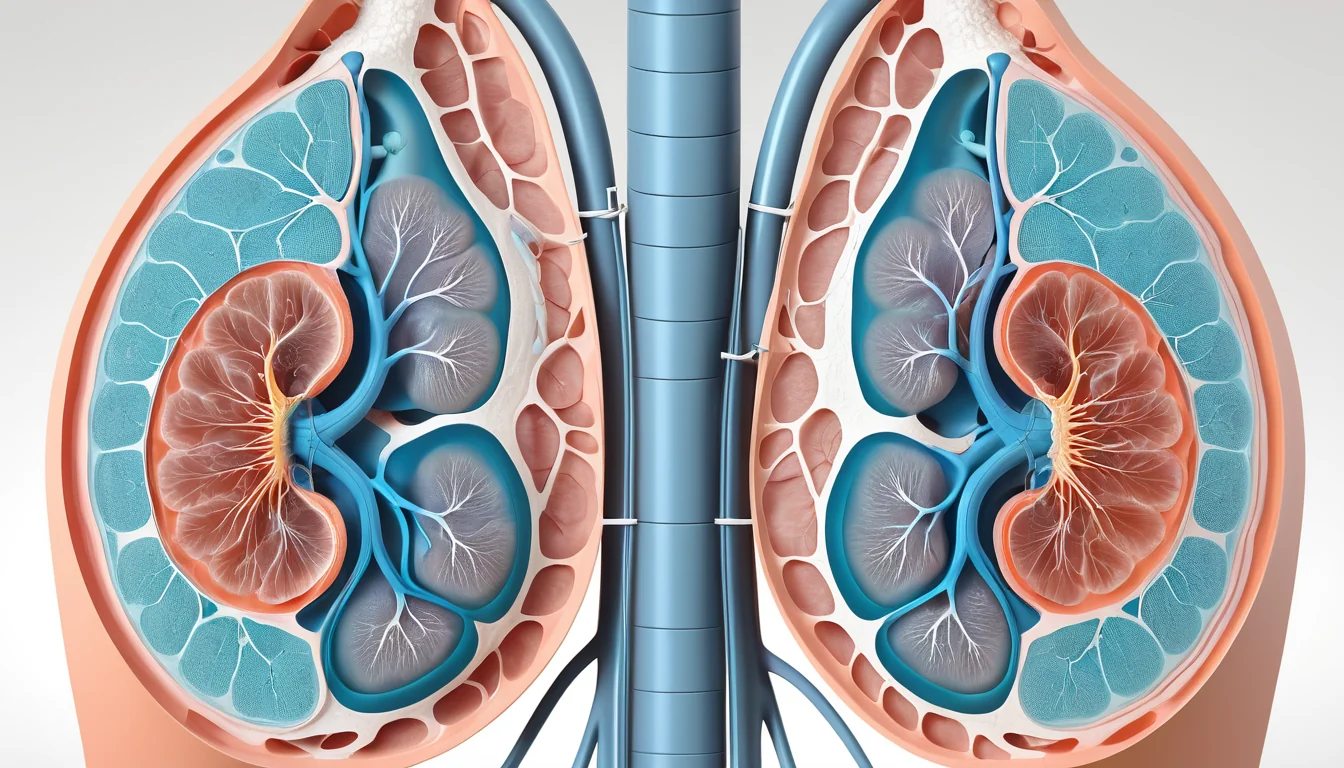
Kidney disease symptoms are surprisingly easy to overlook, and most Canadians living with this condition have no idea anything is wrong. Chronic kidney disease often develops silently, causing little to no discomfort until the kidneys are already significantly damaged. Because early detection can dramatically improve outcomes, knowing what to watch for — and when to act — could protect your long-term health.
10 Common Kidney Disease Symptoms Every Canadian Should Know
Understanding the early signs of kidney failure is especially important if you have risk factors like high blood pressure, diabetes, or a family history of kidney problems. In Canada, kidney disease affects an estimated 4 million people, yet many go undiagnosed for years. This guide covers 10 critical warning signs that your kidneys may not be working as they should, along with advice on when to speak with your family doctor or visit a walk-in clinic.
Why Kidney Disease Symptoms Are So Easy to Miss
| Symptom | Description | Severity Level | Recommended Action |
|---|---|---|---|
| Changes in Urination | Urinating more or less frequently, foamy or dark-coloured urine, or blood in urine (hematuria) | Moderate to High | See a family doctor promptly; request urine and blood tests |
| Swelling (Edema) | Puffiness or fluid retention in the ankles, feet, legs, hands, or face due to kidneys failing to remove excess fluid | Moderate to High | Consult a physician; may require imaging or specialist referral |
| Persistent Fatigue | Severe tiredness and weakness caused by a buildup of toxins and reduced red blood cell production (anemia) | Moderate | Schedule a doctor’s appointment; request complete blood count (CBC) |
| Shortness of Breath | Difficulty breathing due to fluid accumulation in the lungs or anemia associated with reduced kidney function | High | Seek urgent or emergency care, especially if sudden or severe |
| Persistent Nausea or Vomiting | Buildup of waste products (uremia) in the blood causes ongoing digestive upset and loss of appetite | Moderate to High | See a doctor; may indicate significant decline in kidney function |
| Persistent Back or Flank Pain | Dull ache or sharp pain below the ribcage on one or both sides, which may indicate kidney stones, infection, or structural problems | Moderate to High | Visit a doctor or walk-in clinic; imaging such as ultrasound may be needed |
Your kidneys are two small, bean-shaped organs located in the lower part of your back, one on each side of your spine. Their job is to filter waste and extra fluid from your blood, keeping your body in balance. When they stop working properly, the effects can be widespread — but subtle at first.
According to Health Canada, risk factors for kidney disease include high blood pressure, diabetes, a family history of kidney failure, and being over 60 years of age. If any of these apply to you, ask your doctor about annual kidney function testing. It is a simple blood and urine test that your provincial health plan typically covers.
However, even people without obvious risk factors can develop kidney problems. That is why recognising the early warning signs matters so much.
10 Common Kidney Disease Symptoms to Watch For
1. Changes in Urination
One of the most noticeable kidney disease symptoms involves changes in how often or how easily you urinate. You may find yourself needing to go more frequently, especially at night. You might also notice that urination feels difficult or uncomfortable.
Your urine itself may look different — cloudy, foamy, or darker than usual. These changes happen because the kidneys’ filtering system is not working properly. It is worth mentioning any changes to your family doctor, even if they seem minor.
2. Blood in the Urine
Healthy kidneys keep blood cells inside the body when they filter waste. When the filters become damaged, blood cells can leak into your urine. This may make urine appear pink, red, or brown.
In addition to kidney disease, blood in the urine can signal a urinary tract infection, kidney stones, or in some cases, a tumour. Therefore, this symptom always deserves prompt medical attention. Visit a walk-in clinic or call your family doctor right away.
3. Foamy or Bubbly Urine
Excessive foam in the toilet — especially bubbles that do not disappear after several flushes — can be a sign of protein in the urine. This condition is called proteinuria. It occurs when damaged kidney filters allow protein, such as albumin, to leak through.
Protein in the urine is often one of the earliest detectable signs of kidney damage. Your doctor can check for this with a simple urine test, which is routinely available through your provincial health plan.
4. Swelling in the Legs, Ankles, Feet, or Face
When the kidneys cannot remove excess fluid from the body, that fluid builds up in the tissues. As a result, you may notice puffiness or swelling in your legs, ankles, feet, hands, or around your eyes. The swelling can sometimes become painful.
Reduced kidney function can also cause the body to retain sodium, which worsens fluid build-up. However, swelling in the lower limbs can also point to heart disease, liver disease, or chronic vein problems. For this reason, it is important to get properly assessed by a healthcare provider.
5. Fatigue and Weakness
Healthy kidneys produce a hormone called erythropoietin (EPO), which tells your body to make red blood cells. When kidney function drops, EPO production falls too. Fewer red blood cells means less oxygen reaches your muscles and brain — this is called anaemia.
Anaemia related to kidney disease can leave you feeling deeply exhausted, even after a full night of sleep. Furthermore, a build-up of waste products in the blood can cause weakness and difficulty concentrating. Many people mistakenly blame these feelings on stress or aging.
6. Skin Rash and Itching
Your kidneys help remove waste from the bloodstream. When they cannot keep up, waste products accumulate in the blood and can cause severe itching. Patients often describe this itch as deep — not just on the skin surface, but seemingly reaching into the tissue beneath.
Dry, itchy skin can also be a sign of mineral and bone disease, which commonly accompanies advanced kidney disease. In this case, the kidneys can no longer maintain the right balance of minerals like calcium and phosphorus in the blood. A moisturiser may offer temporary relief, but the underlying cause needs medical attention.
7. Metallic Taste or Ammonia Breath
As kidney function declines, waste products such as urea build up in the blood — a condition called uraemia. This can change the way food tastes, often described as metallic or bitter. It can also cause breath that smells like ammonia or urine.
These kidney disease symptoms are easy to dismiss or attribute to dental issues or diet. However, a persistent bad taste in your mouth combined with other signs on this list is a reason to see a doctor promptly.
8. Nausea, Vomiting, and Loss of Appetite
The same build-up of toxins that affects taste can also upset the stomach. Many people with declining kidney function experience nausea, vomiting, and a general loss of appetite. Over time, eating less leads to unintentional weight loss.
If you are losing weight without trying, or simply have no desire to eat, do not assume it is due to stress. Unexplained appetite loss is a symptom worth discussing with your family doctor, particularly if other kidney-related signs are present.
9. Shortness of Breath
Kidney disease can affect breathing in two ways. First, fluid that builds up in the body can settle in the lungs, making it harder to breathe. Second, anaemia caused by low red blood cell counts means less oxygen circulates through the body.
As a result, even light activity — like climbing stairs or walking to the car — may leave you feeling short of breath. Some people also experience difficulty sleeping or feel anxious without a clear reason. These symptoms should never be ignored.
10. Feeling Cold All the Time
Anaemia caused by kidney disease can make you feel cold even when others around you are comfortable. You may find yourself reaching for a sweater in a warm room or feeling a persistent chill in your hands and feet.
This symptom is often overlooked because it seems unrelated to kidney health. However, persistent cold sensitivity — especially alongside fatigue or other symptoms on this list — is worth mentioning to your doctor. For more information, the Mayo Clinic’s overview of chronic kidney disease provides a helpful summary of how kidney problems affect the whole body.
Who Is Most at Risk for Kidney Disease in Canada?
Kidney disease does not affect everyone equally. Certain health conditions and lifestyle factors raise the risk significantly. Understanding your personal risk can help you and your doctor decide how often to check your kidney function.
The main risk factors include:
- Type 1 or Type 2 diabetes — the leading cause of kidney failure in Canada
- High blood pressure (hypertension) — damages the tiny blood vessels inside the kidneys
- Family history of kidney disease — genetics play a role in kidney health
- Age over 60 — kidney function naturally declines with age
- Cardiovascular disease — heart and kidney health are closely linked
- Obesity — increases strain on the kidneys over time
- Certain medications — long-term use of anti-inflammatory drugs (like ibuprofen) can affect kidney function
According to the World Health Organization, chronic kidney disease affects approximately 10% of the global population. Many of those people have no idea they are affected.
When to See a Doctor About Kidney Disease Symptoms
If you notice one or more of the kidney disease symptoms described above, do not wait for things to get worse. Early-stage kidney disease is far more manageable than advanced kidney failure.
Here is what you can do right now:
- Book an appointment with your family doctor. Ask specifically about kidney function tests — a serum creatinine blood test and a urine albumin test are standard starting points.
- Visit a walk-in clinic if you do not have a family doctor or cannot get an appointment quickly. Walk-in clinics across Canada can order basic kidney tests and refer you to a specialist if needed.
- Check your provincial health plan. Kidney function tests are covered under most provincial and territorial health insurance plans in Canada when ordered by a physician.
Do not try to self-diagnose based on symptoms alone. Many of the signs of kidney disease overlap with other conditions. Only proper medical testing can confirm whether your kidneys are the source of the problem.
If you experience sudden and severe symptoms — such as an inability to urinate, extreme swelling, or chest pain — seek emergency care immediately.
Frequently Asked Questions About Kidney Disease Symptoms
What are the first signs of kidney disease?
The earliest kidney disease symptoms are often very subtle. They may include changes in urination, foamy urine, mild swelling in the ankles, or unexplained fatigue. Because these signs are easy to overlook, many Canadians with early kidney disease do not know they have it until a routine blood or urine test reveals a problem.
Can you have kidney disease without any symptoms?
Yes — this is actually very common. Chronic kidney disease often causes no noticeable symptoms in its early stages. Many people only discover they have kidney disease during a routine check-up or blood test for another condition. This is why regular screening is especially important if you have diabetes, high blood pressure, or a family history of kidney problems.
How is kidney disease diagnosed in Canada?
Kidney disease is typically diagnosed through two simple tests: a blood test that measures creatinine levels (to estimate how well the kidneys are filtering), and a urine test that checks for protein (albumin). Your family doctor or walk-in clinic can order these tests, and they are generally covered under provincial health plans for those at risk.
What does kidney pain feel like?
Kidney pain is usually felt as a dull ache or sharp pain in the upper back or sides, just below the rib cage. It is different from general back pain because it tends to be deeper and may be accompanied by fever, chills, or changes in urination. However, many kidney disease symptoms do not include pain at all, especially in the early stages.
Can kidney disease be reversed?
Some forms of kidney damage can be slowed or partially reversed if caught early, depending on the underlying cause. For example, managing blood pressure and blood sugar levels can protect the kidneys from further damage. However, advanced chronic kidney disease is generally not reversible, which is why recognising kidney disease symptoms early and speaking with a doctor is so important.
Is kidney disease common in Canada?
According to Health Canada’s guidelines on kidney disease risk factors, this information is supported by current medical research.
For more information, read our guide on high blood pressure headaches and warning signs.
Yes, kidney disease is a significant health concern in Canada. It is estimated that 1 in 10 Canadians has some form of kidney disease, and many are unaware of it. Rates are higher among people with diabetes, high blood pressure, and among some Indigenous communities. Kidney disease symptoms are worth taking seriously no matter your background or age.
Key Takeaways
- Kidney disease often causes no symptoms in the early stages, making routine testing essential for those at risk.
- The 10 main kidney disease symptoms include changes in urination, blood or foam in urine, swelling, fatigue, skin itching, metallic taste, nausea, shortness of breath, and feeling cold.
- Major risk factors include diabetes, high blood pressure, age over 60, and family history of kidney disease.
- Simple blood and urine tests, available through your family doctor or walk-in clinic, can detect kidney problems early.
- Most provincial health plans in Canada cover kidney screening tests when ordered by a physician for at-risk patients.
- Early detection gives you the best chance of slowing or managing kidney disease before it becomes severe.
- Always consult a qualified healthcare provider before drawing conclusions about your kidney health based on symptoms alone.
Frequently Asked Questions
What is kidney disease?
Kidney disease occurs when the kidneys are damaged and cannot properly filter waste and excess fluid from the blood. It can be acute (sudden) or chronic (developing over time). In Canada, approximately 3 million people live with kidney disease, and many cases go undiagnosed because early symptoms are often subtle or absent.
What are the early kidney disease symptoms to watch for?
Early kidney disease symptoms include fatigue, swollen ankles or feet, puffy eyes, frequent urination (especially at night), foamy or dark urine, persistent itching, and loss of appetite. Many symptoms are nonspecific, which is why routine blood and urine testing is important, particularly for those with diabetes or high blood pressure.
How are kidney disease symptoms treated in Canada?
Treatment depends on the underlying cause and stage. Options include blood pressure medications, diabetes management, dietary changes, and diuretics. Advanced cases may require dialysis or a kidney transplant. Canadian provincial health plans cover most kidney disease treatments. Early intervention significantly slows progression and improves quality of life.
Can kidney disease be prevented?
Yes, many cases of kidney disease can be prevented or delayed. Key prevention strategies include controlling blood pressure and blood sugar, staying well hydrated, avoiding excessive use of NSAIDs like ibuprofen, quitting smoking, eating a balanced low-sodium diet, and getting regular checkups, especially if you have diabetes or a family history of kidney problems.
When should you see a doctor about kidney disease symptoms?
See a doctor promptly if you notice swelling in your legs or face, persistent fatigue, changes in urination frequency or urine appearance, unexplained shortness of breath, or high blood pressure. In Canada, you can visit your family doctor or a walk-in clinic. Early diagnosis through simple blood and urine tests can prevent serious kidney damage.

About the Author
Dr. Sarah Mitchell, MDDr. Sarah Mitchell is a board-certified family physician with over 15 years of clinical experience. She completed her MD at the University of Toronto and her residency at Toronto General Hospital. Dr. Mitchell specializes in preventive medicine and chronic disease management. She is a member of the College of Family Physicians of Canada (CFPC) and has published over 30 peer-reviewed articles on preventive health care.
View all articles →