ADHD Diet: Foods That Help & Hurt Symptoms in Canada

Share
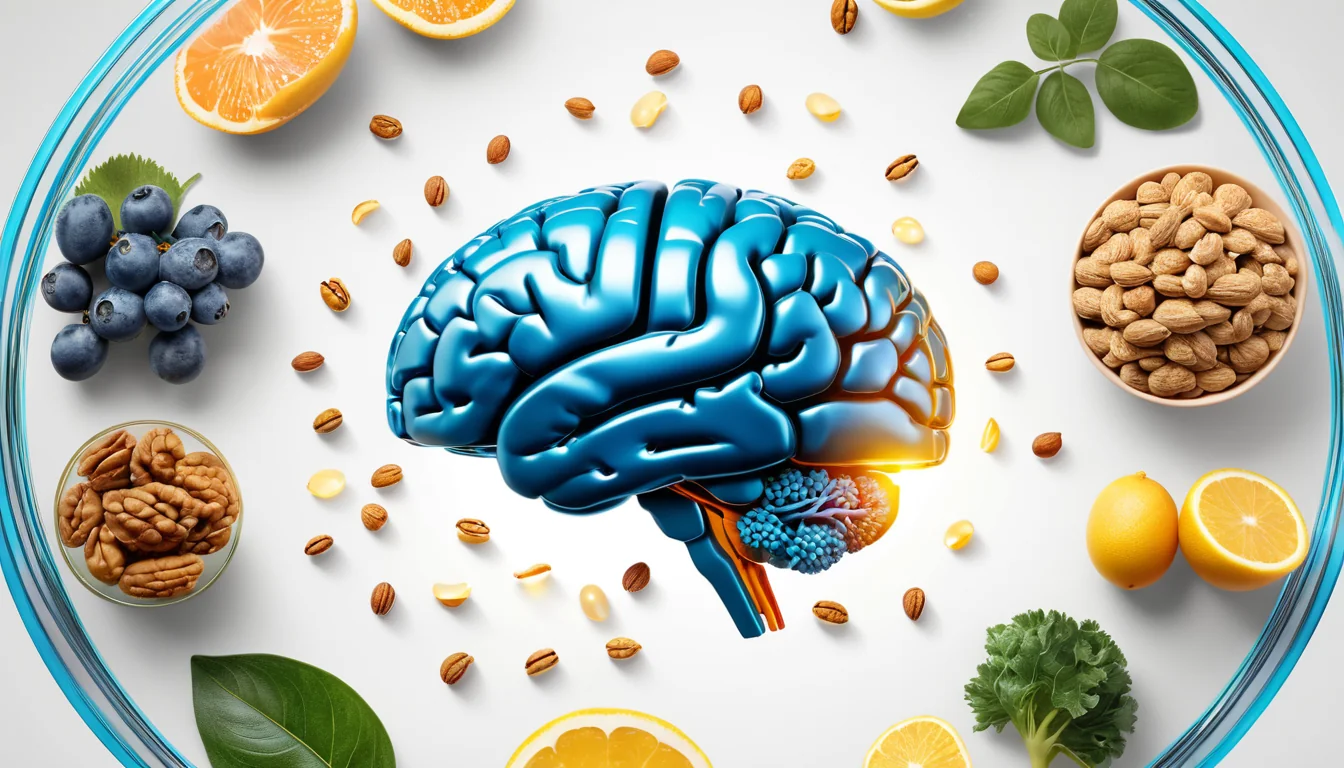
An ADHD diet may not be a cure, but growing research shows that what you eat can genuinely affect focus, mood, and behaviour for Canadians living with attention deficit hyperactivity disorder. Whether you are managing symptoms yourself or supporting a loved one, understanding the connection between food and ADHD is one of the most practical steps you can take toward better daily functioning.
How an ADHD Diet Supports Brain Function in Canada
Over the past decade, scientists have studied how ADHD nutrition plans that emphasize omega-3 for ADHD, lean protein, and complex carbohydrates can reduce restlessness and improve concentration. At the same time, certain everyday foods may quietly make symptoms worse. In this Canadian guide, we break down the foods that help, the foods to limit, and how to build a sustainable eating pattern that supports brain health.
What Is an ADHD Diet?
| Dietary Approach | Potential Benefits for ADHD | Key Considerations | Level of Evidence |
|---|---|---|---|
| Omega-3 Fatty Acid Supplementation (fish oil) | May improve attention, reduce hyperactivity, and support neurotransmitter function | Health Canada recommends consulting a physician before supplementing; look for EPA and DHA sources | Moderate — supported by multiple randomized controlled trials |
| Elimination of Artificial Dyes and Additives | Some children show reduced hyperactivity when artificial colours and preservatives are removed | Highly individualized; a registered dietitian can help identify specific triggers safely | Low to Moderate — evidence stronger in children than adults |
| Few Foods (Oligoantigenic) Diet | May reduce ADHD symptoms by identifying food sensitivities that worsen behaviour and focus | Restrictive and difficult to maintain; requires supervision by a healthcare professional | Low — limited large-scale studies; used cautiously in clinical practice |
| Iron and Zinc-Rich Foods | Adequate levels support dopamine production; deficiencies are linked to worsened ADHD symptoms | Blood levels should be tested before supplementing; excess iron can be harmful | Moderate — deficiency correction shows benefit; routine supplementation not broadly recommended |
| Reduced Sugar and Processed Food Intake | Stabilizes blood glucose and energy levels, which may support sustained attention and mood regulation | Sugar itself is not proven to cause ADHD, but a whole-foods diet supports overall brain health | Low to Moderate — indirect benefits via general nutrition and gut-brain health |
An ADHD diet is a way of eating that aims to support brain function and reduce symptoms like restlessness, poor concentration, and impulsive behaviour. It is not one single plan. Instead, it is a combination of food choices and, sometimes, supplements that work together to help the brain perform at its best.
Researchers have spent the last decade studying the link between nutrition and ADHD symptoms. Their findings suggest that certain foods can make symptoms worse, while others can help calm them. However, every person is different, so results will vary.
Foods That Can Make ADHD Symptoms Worse
Understanding which foods to limit is just as important as knowing which ones to eat more of. Some common everyday foods may be quietly making ADHD symptoms harder to manage.
Sugar and High-Fructose Corn Syrup
Sugar causes a rapid spike in blood glucose levels. Your body responds by releasing insulin, which then triggers a release of adrenaline. As a result, blood sugar swings up and down quickly, and this rollercoaster effect can worsen ADHD symptoms like hyperactivity and difficulty focusing.
High-fructose corn syrup, found in many soft drinks and processed snacks, is considered the most problematic form of sugar for people with ADHD. Even natural sweeteners like honey and raw sugar can trigger these blood sugar swings. Therefore, limiting added sugars is one of the most helpful steps you can take.
Artificial Food Additives
Artificial colours, flavours, and preservatives are found in many packaged foods. These chemical additives act as toxins in the body. If your body cannot clear them efficiently, they may trigger headaches, worsen asthma, and intensify ADHD episodes.
Reading food labels carefully is a smart habit. Look for items with short ingredient lists and avoid anything that contains artificial dyes, such as Red 40 or Yellow 5, or chemical preservatives like sodium benzoate. Choosing whole, minimally processed foods is a simple and effective strategy.
Foods That Support Brain Function and Reduce ADHD Symptoms
Fortunately, a well-planned ADHD diet includes plenty of delicious, everyday foods. These foods support the brain and nervous system in ways that can reduce the most disruptive symptoms of ADHD.
Omega-3 Fatty Acids
Research shows that low levels of omega-3 fatty acids may be linked to a higher risk of ADHD. This makes sense because the protective sheaths around your nerve cells, called myelin sheaths, are made almost entirely of fatty acids. Getting enough omega-3s helps keep these sheaths healthy and your brain working well.
Good food sources of omega-3s include salmon, mackerel, sardines, flaxseed, and walnuts. In addition, some health professionals recommend omega-3 supplements of around 3,000 milligrams per day for people with ADHD. Always speak with your family doctor before starting any new supplement. You can learn more about omega-3 and brain health from Healthline’s guide to omega-3 fatty acids.
Protein
Protein is essential for everyone, but it plays a particularly important role for people with ADHD. Your body breaks down protein into amino acids, which are then used to make neurotransmitters like dopamine and serotonin. These brain chemicals control mood, motivation, and the ability to concentrate.
Good protein sources include eggs, chicken, turkey, fish, legumes, nuts, and low-fat dairy. Starting your day with a protein-rich breakfast can help stabilize your mood and focus for the morning ahead. For example, eggs with whole-grain toast is a simple, brain-friendly meal that takes minutes to prepare.
Complex Carbohydrates
Carbohydrates are the brain’s primary fuel source. However, the type of carbohydrate matters greatly. Simple carbs, like white bread, sugary cereals, and pastries, cause rapid blood sugar spikes and crashes. Complex carbohydrates, on the other hand, release energy slowly and steadily.
Many people with ADHD rely too heavily on sugary drinks and refined grains. Switching to whole grains, oats, brown rice, sweet potatoes, and legumes can make a noticeable difference in energy levels and concentration throughout the day. Look for products labelled “whole grain” at your local grocery store or bulk food section.
Caffeine in Moderation
Small amounts of caffeine may actually help improve focus and attention in people with ADHD. A cup of coffee in the morning or a cup of green tea in the afternoon can offer a gentle boost without the crashes associated with sugar. However, too much caffeine can cause anxiety, poor sleep, and irritability, so moderation is key.
Nutritional Supplements and the ADHD Diet
Beyond whole foods, certain nutritional supplements may help fill the gaps in an ADHD diet. Research suggests that some people with ADHD are deficient in specific vitamins and minerals that are important for brain function.
Commonly studied supplements for ADHD include omega-3 fatty acids, zinc, magnesium, iron, and vitamin B6. These nutrients support the nervous system and help regulate the production of brain chemicals. However, supplements are not a replacement for a balanced diet or prescribed medication.
The Health Canada healthy eating guidelines recommend getting most nutrients from whole foods first. Before adding any supplement to your or your child’s routine, check with your family doctor or a registered dietitian. Dosing matters, and more is not always better.
The ADHD Elimination Diet
Research over the past 15 years suggests that people with ADHD have a higher rate of food sensitivities and allergies. Many people do not realize that certain foods are making their ADHD symptoms worse. An elimination diet is one approach used to identify these triggers.
The idea behind an elimination diet is straightforward. You remove suspected problem foods from your diet for a set period, usually two to four weeks. Then you slowly reintroduce them one at a time and watch carefully for any changes in behaviour or mood.
\p>Common foods that may act as triggers include gluten, dairy, eggs, soy, artificial additives, and high-sugar foods. However, triggers are highly individual. What bothers one person may be perfectly fine for another. Keeping a food and symptom journal can be a helpful way to spot patterns over time.
One well-known approach, developed in the 1960s, removes foods containing salicylates, such as aspirin and certain artificial additives and dyes. This approach originally targeted food allergy symptoms but showed unexpected positive results in reducing certain behavioural problems as well. Decades of follow-up research have continued to support the idea that diet and behaviour are closely connected.
For a thorough overview of how food sensitivities connect to ADHD, the Mayo Clinic’s ADHD resource page offers reliable, evidence-based information.
Herbal Support: Ginseng
Some people with ADHD explore herbal remedies as part of their overall approach. Ginseng, in particular, has been studied for its potential to improve brain function, attention, and memory. Some research suggests it may also help prevent cognitive decline over time.
If you are curious about ginseng, consider trying it consistently for about one month to see whether you notice any improvement in your concentration or energy. Keep in mind that herbal supplements can interact with prescription medications, including those used to treat ADHD. Always discuss any herbal remedy with your family doctor first.
When to See a Doctor
Diet changes can be a helpful addition to an overall ADHD management plan, but they are not a replacement for professional medical care. If you or your child is struggling with ADHD symptoms, please speak with your family doctor as a first step.
If you do not have a family doctor, a walk-in clinic is a good option for an initial assessment. Most provincial health plans in Canada cover visits to discuss ADHD diagnosis and management. Your doctor may refer you to a specialist, a psychologist, or a registered dietitian depending on your needs.
It is especially important to see a doctor before making major dietary changes or starting new supplements, particularly for children. What works well for one person may not be right for another, and professional guidance helps ensure that you are making safe and effective choices.
Frequently Asked Questions About ADHD Diet
Can an ADHD diet replace medication?
An ADHD diet is not a replacement for prescribed medication or behavioural therapy. However, it can be a helpful complement to your overall treatment plan. Always talk to your family doctor before making any changes to your medication or treatment approach.
What foods should someone with ADHD avoid?
People following an ADHD diet are generally advised to limit added sugars, high-fructose corn syrup, artificial food dyes, and chemical preservatives. Heavily processed snacks and sugary drinks are also worth reducing. These foods can cause blood sugar swings and may worsen symptoms like restlessness and poor focus.
Do omega-3 supplements help with ADHD?
Research suggests that omega-3 fatty acids play an important role in brain health and may help reduce some ADHD symptoms. Many health professionals recommend omega-3-rich foods like salmon and flaxseed as part of an ADHD diet. Talk to your doctor before starting omega-3 supplements to find the right dose for you.
Is an elimination diet safe for children with ADHD?
An elimination diet can be explored for children with ADHD, but it should always be done with guidance from a doctor or registered dietitian. Children have specific nutritional needs, and removing too many foods at once can lead to deficiencies. A supervised approach ensures the child continues to get all the nutrients they need while identifying potential food triggers.
How long does it take to see results from an ADHD diet?
Most people who try an ADHD diet are advised to stick with the changes for at least four to six weeks before evaluating results. Some people notice improvements in focus and behaviour within a few weeks, while others may take longer. Keeping a daily journal of meals and symptoms can help you and your doctor track progress over time.
Does sugar really make ADHD worse?
According to Mayo Clinic’s guide to ADHD diagnosis and treatment, this information is supported by current medical research.
For more information, read our guide on ADHD in adults and children: symptoms, causes, and treatment.
Sugar can cause rapid spikes and drops in blood glucose, which may worsen symptoms like hyperactivity and difficulty focusing in people with ADHD. High-fructose corn syrup is considered especially problematic. Reducing sugar intake is one of the most commonly recommended steps in an ADHD diet.
Key Takeaways
- An ADHD diet supports brain function and may help reduce symptoms like poor focus and restless behaviour.
- Limit added sugars and artificial additives, as these can cause blood sugar swings and worsen ADHD symptoms.
- Eat more protein, omega-3 fatty acids, and complex carbohydrates to fuel your brain steadily throughout the day.
- An elimination diet can help identify personal food triggers, but it works best when done with professional guidance.
- Supplements like omega-3s may be helpful, but always check with your family doctor before starting them.
- Diet changes work best alongside medical treatment, not as a replacement for it. Speak with your family doctor or visit a walk-in clinic to build a plan that is right for you.
Frequently Asked Questions
What is an ADHD diet?
An ADHD diet is an eating plan designed to support brain function and help manage ADHD symptoms through nutrition. It typically emphasizes protein-rich foods, complex carbohydrates, and omega-3 fatty acids while limiting sugar, artificial additives, and processed foods. It complements — but does not replace — medical treatment prescribed by a doctor.
What foods make ADHD symptoms worse?
Foods that may worsen ADHD symptoms include refined sugars, artificial food dyes, preservatives, and highly processed snacks. Some individuals are sensitive to gluten or dairy. Skipping meals can also cause blood sugar crashes that intensify hyperactivity, inattention, and mood instability, particularly in children and adults already managing ADHD.
Can an ADHD diet replace medication in Canada?
No, an ADHD diet cannot replace medication. Health Canada-approved medications like methylphenidate and amphetamines remain the most evidence-based treatments. However, a nutrient-rich diet can support medication effectiveness, improve focus, and reduce symptom severity. Always consult a Canadian healthcare provider before making changes to any ADHD treatment plan.
What are the best foods to eat on an ADHD diet?
The best foods for an ADHD diet include lean proteins like eggs, chicken, and legumes, which stabilize blood sugar and support dopamine production. Omega-3-rich foods like salmon and flaxseeds support brain health. Complex carbohydrates from vegetables and whole grains provide steady energy, helping improve focus and reduce impulsivity throughout the day.
When should you see a doctor about ADHD symptoms in Canada?
See a doctor if you or your child experiences persistent inattention, hyperactivity, or impulsivity that interferes with school, work, or relationships for more than six months. Canadian family physicians and psychiatrists can provide formal ADHD assessments, diagnoses, and treatment plans, including guidance on whether dietary changes may benefit your specific situation.

About the Author
Dr. James Okafor, MD, PhDDr. James Okafor holds an MD and PhD in Neurological Sciences from McGill University. With 12 years of experience in clinical neurology and mental health research, he has contributed to landmark studies on depression, anxiety, and cognitive health. Dr. Okafor is a Fellow of the Royal College of Physicians and Surgeons of Canada and serves on the editorial board of two peer-reviewed journals.
View all articles →