Renal Tubular Acidosis: Causes, Symptoms & Treatment

Share
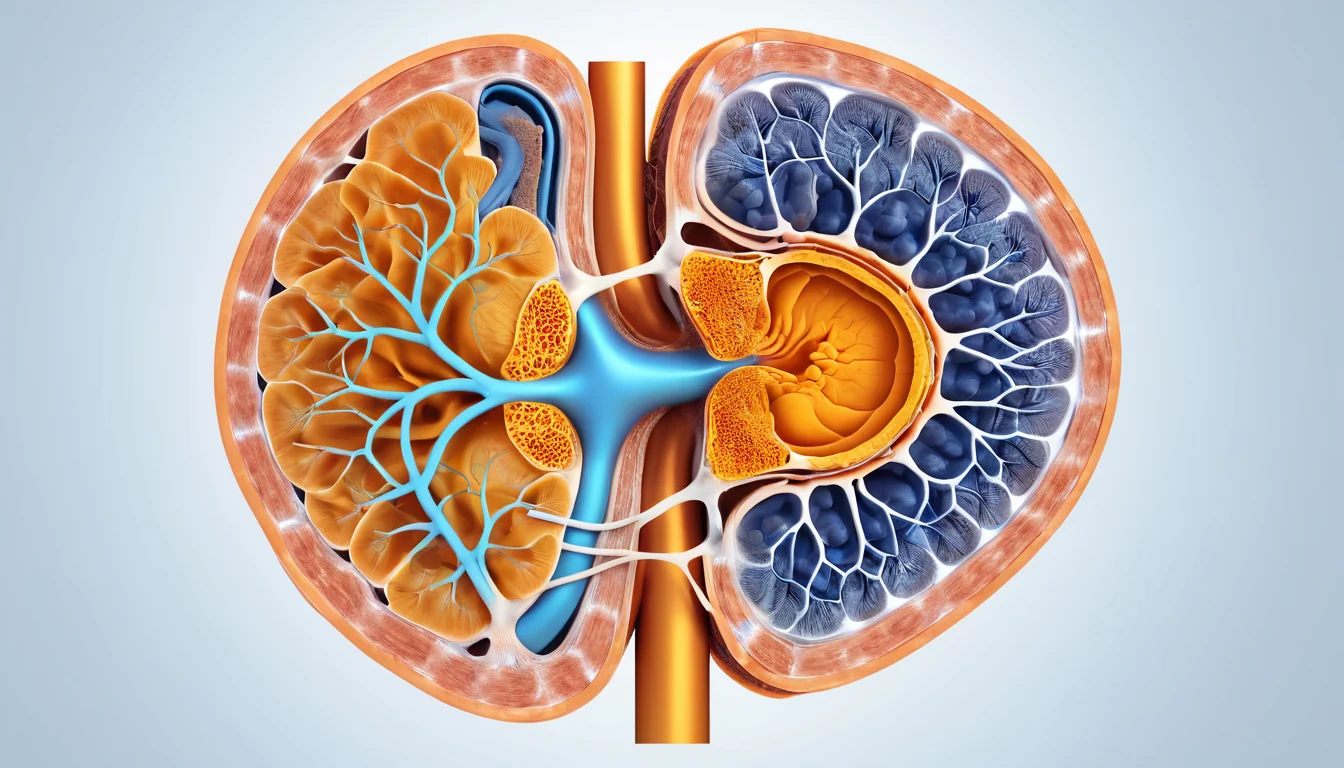
Renal tubular acidosis is a rare but serious kidney condition where the tubules inside your kidneys fail to remove enough acid from your blood. This causes acid to build up, disrupting essential functions throughout your body. The condition affects both children and adults in Canada and is frequently misdiagnosed due to its overlapping symptoms with other disorders.
What Is Renal Tubular Acidosis and How Does It Affect Your Body?
Understanding the renal tubular acidosis symptoms early can make a significant difference in outcomes. When left untreated, RTA can lead to bone weakness, kidney stones, muscle problems, and growth delays in children. In this comprehensive guide, we explain the types, causes, diagnosis, and treatment options available to Canadians so you can take the right steps toward better kidney health.
What Is Renal Tubular Acidosis?
| Type | Cause & Mechanism | Key Features | Management Approach |
|---|---|---|---|
| Type 1 (Distal RTA) | Failure of distal tubules to excrete hydrogen ions; associated with autoimmune conditions, medications, or genetic disorders | Urine pH above 5.5, severe hypokalemia, nephrocalcinosis, kidney stones, bone pain | Oral alkali therapy (sodium bicarbonate or sodium citrate); potassium supplementation; treat underlying cause |
| Type 2 (Proximal RTA) | Impaired bicarbonate reabsorption in proximal tubules; often linked to Fanconi syndrome, multiple myeloma, or certain medications | Urine pH below 5.5 when acidosis is severe, hypokalemia, phosphate wasting, rickets or osteomalacia | High-dose bicarbonate replacement; phosphate and vitamin D supplementation; manage underlying condition |
| Type 3 (Combined RTA) | Rare combined defect of proximal and distal tubules; often due to carbonic anhydrase II deficiency | Features of both Type 1 and Type 2; osteopetrosis, cerebral calcification possible in genetic cases | Alkali therapy tailored to dominant defect; genetic counselling recommended; multidisciplinary specialist care |
| Type 4 (Hyperkalemic RTA) | Aldosterone deficiency or resistance leading to impaired potassium and hydrogen ion excretion; common in diabetic nephropathy and chronic kidney disease | Mild acidosis, elevated potassium (hyperkalemia), urine pH typically below 5.5, most common type in adults | Dietary potassium restriction; fludrocortisone for aldosterone deficiency; furosemide; manage diabetes and underlying kidney disease |
Your kidneys filter your blood and remove waste through urine. One of their key jobs is to keep your blood at the right acid level. When the tiny tubes inside your kidneys — called tubules — stop working properly, acid builds up in your blood. This is called renal tubular acidosis, or RTA.
A small amount of acid in the blood is completely normal. However, when acid levels rise too high, your body struggles to function well. Bones, muscles, the heart, and growth in children can all be affected. According to Mayo Clinic, this condition is considered uncommon but treatable when caught early.
Types of Renal Tubular Acidosis
There are three main types of renal tubular acidosis. Each type involves a different part of the kidney tubule and carries its own set of risks.
Type 1 RTA (Distal RTA)
Type 1 is caused by a problem in the distal tubule — the far end of the kidney’s filtering tube. This type can be inherited or triggered by other conditions. It is the most common form found in children.
Type 2 RTA (Proximal RTA)
Type 2 involves a problem in the proximal tubule — the part closer to the beginning of the filtering system. This type is often linked to another underlying health condition. Fanconi syndrome, a disorder that affects how the kidneys reabsorb nutrients, is one well-known cause.
Type 4 RTA (Hyperkalemic RTA)
Type 4 is linked to high potassium levels in the blood. It occurs when the hormone aldosterone is low or when the kidneys do not respond to it properly. This type is more common in adults with diabetes or chronic kidney disease.
A Type 3 RTA does exist in medical literature. However, it is rarely used in practice because it is simply a combination of Types 1 and 2.
Who Is at Risk?
Renal tubular acidosis can affect anyone, but some people face a higher risk. Understanding your risk factors can help you and your family doctor catch the condition sooner.
You may be at higher risk if you:
- Have a parent who carries certain gene mutations linked to RTA
- Have an autoimmune disease such as lupus or Sjögren’s syndrome
- Have been diagnosed with Fanconi syndrome
- Live with sickle cell disease or Ehlers-Danlos syndrome
- Are currently undergoing chemotherapy or treatment for hepatitis, glaucoma, or epilepsy
- Take certain medications, including ACE inhibitors, some diuretics, or non-steroidal anti-inflammatory drugs (NSAIDs)
Furthermore, conditions like diabetic nephropathy, HIV/AIDS, amyloidosis, and kidney transplant rejection can all increase your chances of developing renal tubular acidosis.
Signs and Symptoms of Renal Tubular Acidosis
Symptoms vary depending on the type of RTA. However, many people experience low energy and muscle-related problems. Parents should watch for signs in children, especially delayed growth.
Symptoms of Types 1 and 2 RTA
Both Type 1 and Type 2 involve low potassium and bicarbonate levels in the blood. Because potassium supports nerve function, muscle health, and heart rhythm, a drop in potassium causes noticeable symptoms.
Common symptoms include:
- Extreme weakness or fatigue
- Heart palpitations (irregular or rapid heartbeat)
- Muscle paralysis in severe cases
- Slow or stunted growth in children
- Bone pain or dental problems in adults with Type 2 RTA
Symptoms of Type 4 RTA
Type 4 RTA involves high potassium levels, which create a different set of symptoms. These can develop gradually and are sometimes mistaken for other conditions.
Common symptoms include:
- Abdominal pain
- Persistent fatigue
- Loss of appetite
- Sudden weight changes
- Muscle weakness
- Heart rhythm problems, including arrhythmia
In serious cases, untreated Type 4 RTA can lead to cardiac arrest. Therefore, it is important not to ignore these warning signs.
Causes of Renal Tubular Acidosis
The causes of renal tubular acidosis differ by type. Some forms are inherited, while others develop as a result of another health condition or medication use.
Causes of Type 1 RTA
Researchers have identified at least three genes that can contribute to Type 1 RTA. In addition, the following conditions and medications are linked to this type:
- Sickle cell disease
- Ehlers-Danlos syndrome
- Chronic urinary tract infections
- Hereditary hearing loss
- Medications for bipolar disorder
- Certain pain relievers
- Kidney transplant rejection
Causes of Type 2 RTA
Type 2 often develops alongside another illness. Common underlying causes include:
- Fanconi syndrome
- Fructose intolerance
- Wilson’s disease
- Chemotherapy drugs
- Medications for viral hepatitis, glaucoma, or epilepsy
Causes of Type 4 RTA
Type 4 develops when the body has too little aldosterone, or when the kidneys ignore this hormone. Aldosterone controls how the kidneys manage sodium, which is closely tied to potassium and acid levels in the blood.
Medications that can trigger Type 4 include ACE inhibitors, certain diuretics used for congestive heart failure, some blood thinners, immunosuppressants, NSAIDs, and certain antibiotics.
Other linked conditions include Addison’s disease, congenital adrenal insufficiency, diabetic nephropathy, lupus, amyloidosis, HIV/AIDS, and urinary tract obstruction. For more detail on how kidney disease develops, visit Health Canada’s kidney health resources.
How Is Renal Tubular Acidosis Diagnosed?
Your doctor will start by reviewing your medical history and current medications. They will then order blood and urine tests to measure acid, bicarbonate, and potassium levels.
If your blood is more acidic than it should be, your doctor will investigate renal tubular acidosis as a possible cause. They will also need to rule out other reasons for high acid levels. Electrolyte results from both blood and urine tests help identify which type of RTA you have.
In Canada, your family doctor can order these tests and refer you to a kidney specialist (nephrologist) if needed. Most provincial health plans cover these diagnostic tests.
Treatment Options for Renal Tubular Acidosis
The good news is that renal tubular acidosis is treatable. The main goal is to reduce acid levels in the blood and prevent long-term complications like kidney stones or kidney failure.
Sodium Bicarbonate Therapy
For all types of RTA, a sodium bicarbonate solution is the standard treatment. Bicarbonate is an alkaline substance — the opposite of acid. It lowers blood acidity and helps prevent kidney stones from forming.
Potassium and Vitamin D Supplements
Children with Type 1 RTA often need potassium supplements as part of their treatment. However, older children and most adults generally do not need them. Some adults with Type 2 RTA may benefit from Vitamin D supplements to protect bone health.
Treating the Underlying Cause
If RTA develops as a result of another condition, your doctor must treat that condition too. Without addressing the root cause, the acidosis will return. For example, if a medication is causing the problem, your doctor may adjust your prescription. Always speak with your healthcare provider before stopping any medication. You can also learn more about managing metabolic conditions through Healthline’s kidney health section.
When to See a Doctor
You should speak with your family doctor if you notice persistent fatigue, muscle weakness, heart palpitations, or unexplained weight changes. Parents should be especially alert if a child shows signs of delayed growth.
If you do not have a family doctor, a walk-in clinic can run initial blood and urine tests and refer you to a specialist. In Canada, most provincial and territorial health plans cover visits for kidney-related concerns. Early diagnosis makes a significant difference in managing renal tubular acidosis and avoiding serious complications.
As always, speak with your doctor before starting or stopping any treatment. This article is for informational purposes only and does not replace professional medical advice.
Can Renal Tubular Acidosis Be Prevented?
Unfortunately, types of RTA with a genetic component cannot be prevented. There is also not enough research yet to confirm whether diet, alcohol use, or lifestyle choices directly affect your risk.
However, managing existing conditions — such as diabetes, autoimmune diseases, or infections — can lower your risk of developing a secondary form of RTA. Regular checkups with your family doctor are the best preventive step you can take.
Frequently Asked Questions About Renal Tubular Acidosis
What is renal tubular acidosis in simple terms?
Renal tubular acidosis is a kidney condition where the kidneys cannot remove enough acid from the blood. As a result, acid builds up and causes problems with muscles, bones, and heart function. It affects both children and adults and is treatable with the right medical care.
What are the most common symptoms of renal tubular acidosis?
Common symptoms include extreme fatigue, muscle weakness, heart palpitations, and abdominal pain. Children with renal tubular acidosis may also show delayed growth. The specific symptoms depend on which type of RTA a person has.
Is renal tubular acidosis a serious condition?
Yes, renal tubular acidosis can become serious if left untreated. It can lead to kidney stones, kidney failure, bone disease, and heart rhythm problems. However, with proper treatment, most people manage the condition well.
How is renal tubular acidosis treated in Canada?
Treatment for renal tubular acidosis typically involves sodium bicarbonate to reduce blood acidity. Some patients also need potassium or Vitamin D supplements. Your family doctor or a kidney specialist (nephrologist) can create a treatment plan covered under most provincial health plans.
What causes renal tubular acidosis?
Renal tubular acidosis can be inherited through gene mutations or caused by other health conditions such as lupus, diabetes, or Fanconi syndrome. Certain medications — including ACE inhibitors, NSAIDs, and some antibiotics — can also trigger the condition. Your doctor will determine the cause through blood and urine tests.
Can children get renal tubular acidosis?
According to Mayo Clinic’s overview of renal tubular acidosis, this information is supported by current medical research.
For more information, read our guide on high blood pressure and its warning signs.
Yes, renal tubular acidosis affects both children and adults. In children, it often appears as delayed growth or development, along with low potassium levels. Early diagnosis through your child’s paediatrician or family doctor can prevent long-term complications.
Key Takeaways
- Renal tubular acidosis is a kidney condition that causes too much acid to build up in the blood.
- There are three main types: Type 1 (distal), Type 2 (proximal), and Type 4 (hyperkalemic).
- Symptoms include fatigue, muscle weakness, heart palpitations, and delayed growth in children.
- Causes range from inherited gene mutations to autoimmune diseases, other illnesses, and certain medications.
- Diagnosis involves blood and urine tests ordered by your family doctor or at a walk-in clinic.
- Treatment includes sodium bicarbonate therapy and, in some cases, potassium or Vitamin D supplements.
- Treating the underlying cause is essential to long-term management.
- Genetic forms of RTA cannot be prevented, but early detection greatly improves outcomes.
- Always consult your doctor if you notice symptoms — early care makes a real difference.
Frequently Asked Questions
What is renal tubular acidosis?
Renal tubular acidosis (RTA) is a kidney disorder where the tubules fail to properly regulate acid-base balance, causing excess acid to accumulate in the blood. This leads to a condition called metabolic acidosis. It can be inherited or caused by autoimmune diseases, medications, or kidney damage, and affects people of all ages across Canada.
What are the symptoms of renal tubular acidosis?
Common symptoms include persistent fatigue, muscle weakness, bone pain, frequent urination, and kidney stones. Children may experience slow growth and delayed development. Severe cases can cause abnormal heart rhythms due to low potassium levels. Symptoms often develop gradually and may be mistaken for other conditions, making early diagnosis important.
How is renal tubular acidosis treated in Canada?
Treatment focuses on correcting blood acidity using oral alkali supplements such as sodium bicarbonate or potassium citrate. Potassium replacement may also be required. Treating the underlying cause — such as stopping a harmful medication or managing an autoimmune condition — is equally essential. Most patients manage RTA effectively with ongoing monitoring by a nephrologist.
Can renal tubular acidosis be prevented?
RTA cannot always be prevented, especially when inherited. However, risk can be reduced by staying well-hydrated, managing autoimmune conditions like Sjögren’s syndrome, avoiding nephrotoxic medications when possible, and attending regular kidney health checkups. Early detection of underlying causes significantly reduces the risk of developing serious complications such as kidney stones or bone disease.
When should you see a doctor about kidney acid problems?
See a doctor promptly if you experience unexplained fatigue, muscle weakness, recurring kidney stones, bone pain, or growth problems in children. Seek immediate care for irregular heartbeat or severe muscle cramping, which may signal dangerous potassium imbalances. Canadians with chronic kidney disease, autoimmune disorders, or a family history of RTA should request regular kidney function testing.

About the Author
Dr. Michael Ross, MD, FRCSCDr. Michael Ross is a fellowship-trained orthopedic surgeon at the University of Alberta Hospital, specializing in joint replacement and sports medicine. A Fellow of the Royal College of Surgeons of Canada (FRCSC), he has over 18 years of surgical experience and has authored multiple textbook chapters on musculoskeletal health. Dr. Ross is passionate about patient education and evidence-based medicine.
View all articles →