
ADHD in Adults: Symptoms, Effects & Tips for Canadians

Share
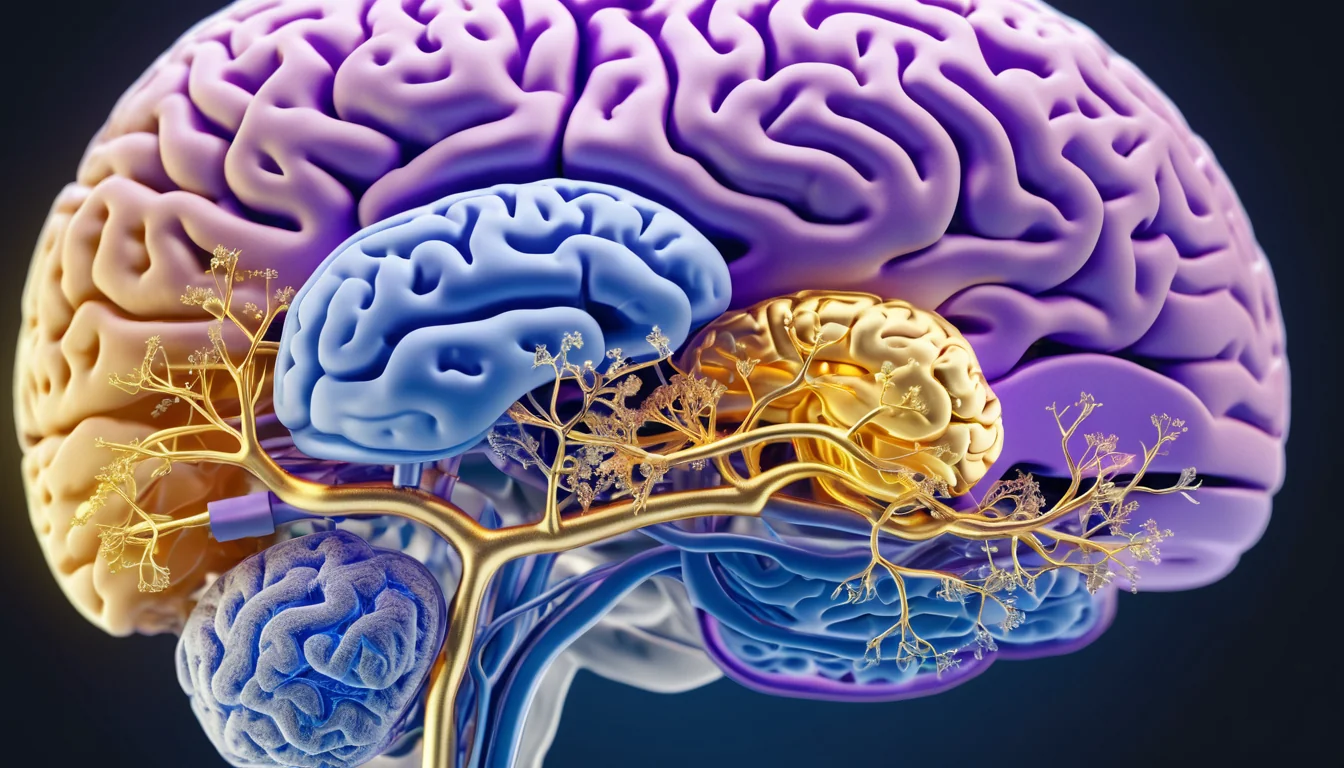
ADHD in adults is far more common than many Canadians realize, yet it often goes undiagnosed well into adulthood. Attention-deficit/hyperactivity disorder does not simply disappear after childhood. For millions of people, the challenges of focus, impulse control, and organization persist long after school years are over, quietly affecting careers, finances, and personal well-being.
How ADHD in Adults Impacts Everyday Life in Canada
Recognizing adult ADHD symptoms is the first step toward regaining control of daily life. In Canada, growing awareness and improved access to mental health resources mean that more adults are finally getting the support they need. This article explains what ADHD looks like in grown-ups, how it impacts work and relationships, and offers practical, evidence-based tips to help Canadian adults manage their symptoms effectively.
What Is ADHD in Adults?
| Symptom | Description | Severity Range |
|---|---|---|
| Inattention | Difficulty sustaining focus on tasks, frequent mind-wandering, easily distracted by external stimuli or unrelated thoughts during work or conversations | Mild to Severe |
| Impulsivity | Acting without thinking, interrupting others, making hasty decisions, difficulty waiting for one’s turn, and trouble regulating emotional reactions | Mild to Severe |
| Hyperactivity | Persistent restlessness, difficulty sitting still, excessive talking, and an internal sense of being “driven by a motor” — often less visible in adults than in children | Mild to Moderate |
| Executive Dysfunction | Challenges with planning, organizing, prioritizing tasks, managing time effectively, and completing multi-step projects at work or home | Moderate to Severe |
| Emotional Dysregulation | Low frustration tolerance, mood swings, heightened sensitivity to criticism, and difficulty managing stress — a frequently overlooked symptom in adults | Mild to Severe |
| Forgetfulness | Regularly losing everyday items, missing appointments or deadlines, forgetting instructions, and difficulty retaining verbal information in daily and professional life | Mild to Moderate |
ADHD stands for attention-deficit/hyperactivity disorder. Most people think of it as a childhood condition. However, research shows that many children diagnosed with ADHD continue to experience symptoms as adults.
According to Health Canada, mental health conditions like ADHD can have a significant impact on a person’s quality of life. The way ADHD shows up in adults can look different from how it appears in children. Adults may show less obvious hyperactivity but still struggle with focus, impulse control, and organization.
The impact of ADHD in adults is multidimensional. It can affect personal relationships, job performance, and even simple daily tasks. Understanding the condition is the first step toward managing it well.
Common Symptoms of ADHD in Adults
Adult ADHD can show up in many different ways. Symptoms vary from person to person depending on lifestyle and environment. Here are some of the most common signs to watch for.
Difficulty Focusing and Staying on Task
Adults with ADHD often find it hard to concentrate for long periods. They may start a task and then quickly lose interest or get distracted. As a result, projects are left unfinished or completed at the last minute.
This difficulty with focus can make people appear lazy or uninterested. In reality, their brain processes attention differently. This is not a character flaw — it is a neurological difference.
Impulsive Behaviour
Impulsivity is one of the most challenging symptoms of ADHD in adults. This can include interrupting others during conversations, making quick decisions without thinking them through, or even compulsive behaviours like excessive shopping or gambling.
Adults with ADHD may lash out verbally in the moment and feel regret afterward. These outbursts can damage relationships at home and at work. Furthermore, impulsive behaviour can sometimes lead to risky choices involving substances or finances.
Poor Time Management and Organization
Many adults with ADHD struggle to manage their time effectively. They may frequently arrive late to appointments, miss deadlines, or lose important items. This creates ongoing stress and frustration for both the individual and those around them.
Organizing daily tasks and planning ahead can feel overwhelming. Even simple routines may require extra effort. In addition, breaking larger goals into smaller steps can be difficult without support or structure.
Hyperactivity and Restlessness
Hyperactivity in adults looks different than it does in children. Rather than running around, adults may feel internally restless. They may fidget, tap their fingers, or feel a constant need to stay busy.
This restlessness often comes with impulsivity. Adults may jump from one task to another without completing anything. They may take on too many activities at once, leading to burnout and frustration.
Emotional Sensitivity and Low Self-Esteem
ADHD in adults can take a real toll on emotional wellbeing. Many adults with ADHD are very sensitive to criticism. They may feel like they are always failing or falling short of expectations.
Over time, this can lead to low self-esteem, anxiety, and depression. According to the Mayo Clinic’s overview of adult ADHD, emotional dysregulation is a key but often overlooked part of the condition. These feelings of frustration can become a cycle that makes symptoms worse.
How ADHD in Adults Affects Daily Life
The effects of adult ADHD go beyond the workplace. Relationships at home can suffer when a partner or family member feels ignored, interrupted, or let down by missed responsibilities.
At work, adults with ADHD may be capable and intelligent but still struggle to perform consistently. They may be seen as unreliable, even when they are working harder than anyone else. This gap between effort and outcome is one of the most frustrating parts of living with ADHD.
Social situations can also be challenging. Impulsive comments, difficulty listening, and emotional reactions can create misunderstandings. However, with the right support and strategies, adults with ADHD can build strong, healthy relationships.
Practical Tips to Manage ADHD in Adults
There is no single solution for managing ADHD in adults. A combination of strategies tends to work best. These practical tips can make a meaningful difference in daily life.
Build a Daily Routine
A stable daily routine can help adults with ADHD stay organized and on track. Try waking up at the same time each day and scheduling meals, work blocks, and rest periods. Having a predictable structure reduces the mental effort needed to decide what to do next.
Use a planner, phone calendar, or whiteboard to map out your day. Visual reminders can be especially helpful. Over time, a consistent routine becomes second nature.
Set Realistic Goals
Setting goals that are too large can feel overwhelming for someone with ADHD. Therefore, break big goals into smaller, more manageable steps. Celebrate small wins along the way to stay motivated.
It also helps to honestly assess how long tasks will take. Many adults with ADHD underestimate time. Building in extra buffer time can reduce the stress of running late or missing deadlines.
Prioritize Tasks Effectively
Not every task needs to be done right now. Learning to sort tasks by importance and urgency is a valuable skill. Try making a short list each morning of the top three things that must get done that day.
Focus on completing one task at a time before moving to the next. This reduces the chance of starting many things and finishing none. In addition, crossing items off a list gives a satisfying sense of progress.
Practise Active Listening
Communication can be a challenge for adults with ADHD. Impulsivity often leads to interrupting others or responding before they finish speaking. Practising active listening — making eye contact, nodding, and waiting for a pause — can improve relationships significantly.
If you feel the urge to interrupt, try writing down your thought so you do not forget it. This way, you can share your idea without cutting the other person off.
Create a Supportive Environment
Your physical environment matters. A cluttered, noisy workspace makes it harder to focus. Try to create a clean, organized space with minimal distractions. Noise-cancelling headphones or quiet background music can also help some people concentrate.
At work, it is okay to talk to your employer about accommodations. Many Canadian workplaces are required to make reasonable adjustments under human rights legislation. A supportive environment can make a big difference in your performance and wellbeing.
Stay Connected Socially
Social connections are important for everyone, but especially for adults with ADHD. Spending quality time with friends and family helps build confidence and reduce feelings of isolation. Group activities and community involvement can also provide positive structure.
Furthermore, connecting with others who have ADHD — through support groups or online communities — can be validating and empowering. Knowing you are not alone makes a real difference.
When to See a Doctor
If you think you or a loved one may have ADHD, it is important to seek a professional assessment. Start by booking an appointment with your family doctor. They can discuss your symptoms, review your history, and refer you to a specialist if needed.
If you do not have a family doctor, a walk-in clinic is a good first step. Many provinces also offer mental health programmes through provincial health plans. In some cases, a referral to a psychologist or psychiatrist may be required for a formal ADHD diagnosis.
Treatment for ADHD in adults may include medication, behavioural therapy, or a combination of both. The World Health Organization recognizes ADHD as a significant mental health condition that benefits from proper diagnosis and care. Do not wait — early support leads to better outcomes.
Always speak with a qualified healthcare provider before making any changes to your treatment or health plan.
Frequently Asked Questions About ADHD in Adults
Can adults be diagnosed with ADHD for the first time?
Yes, ADHD in adults can be diagnosed at any age. Some people reach adulthood without ever receiving a childhood diagnosis. A family doctor or mental health specialist can assess symptoms and provide a formal diagnosis.
What are the most common signs of ADHD in adults?
The most common signs of ADHD in adults include difficulty focusing, poor time management, impulsive behaviour, restlessness, and emotional sensitivity. These symptoms can interfere with work, relationships, and daily responsibilities. If you recognize these signs, speak with your doctor.
Is ADHD in adults covered by provincial health plans in Canada?
Coverage varies by province, but many assessments and treatments for ADHD in adults are at least partially covered through provincial health plans. Medications prescribed for ADHD may be covered depending on your province and drug plan. Check with your provincial health authority or pharmacist for details.
Can ADHD in adults be treated without medication?
Yes, many adults manage ADHD effectively through behavioural therapy, lifestyle changes, and coping strategies without medication. Building routines, improving sleep, and working with a therapist can all reduce symptoms. However, for some people, medication is an important part of treatment — your doctor can help you decide what is right for you.
How does ADHD in adults affect relationships?
ADHD in adults can strain relationships due to forgetfulness, impulsive behaviour, and difficulty listening. Partners or family members may feel ignored or frustrated. Open communication and couples or family counselling can help both parties understand the condition and work together more effectively.
Where can I get help for ADHD in Canada?
According to Government of Canada mental health resources, this information is supported by current medical research.
For more information, read our guide on ADHD symptoms, causes, and treatment options for adults in Canada.
Start by talking to your family doctor or visiting a walk-in clinic. They can refer you to a psychologist, psychiatrist, or ADHD specialist. Many provinces also have mental health programmes and community support groups specifically for adults with ADHD.
Key Takeaways
- ADHD in adults is a real and recognized condition that often continues from childhood.
- Common symptoms include poor focus, impulsive behaviour, time management struggles, and emotional sensitivity.
- ADHD can affect work performance, personal relationships, and overall mental health.
- Practical strategies like building routines, setting realistic goals, and prioritizing tasks can make a meaningful difference.
- Treatment may include medication, therapy, or lifestyle changes — often a combination works best.
- If you think you have ADHD, speak with your family doctor or visit a walk-in clinic as a first step.
- Support is available across Canada through provincial health plans and mental health programmes.
Frequently Asked Questions
What is ADHD in adults?
ADHD in adults is a neurodevelopmental disorder characterized by persistent inattention, hyperactivity, and impulsivity that interferes with daily functioning. While symptoms begin in childhood, many Canadians aren’t diagnosed until adulthood. It affects organization, focus, relationships, and work performance, and is managed through medication, therapy, and lifestyle strategies.
What are the symptoms of ADHD in adults?
Common symptoms of ADHD in adults include chronic disorganization, difficulty concentrating, forgetfulness, impulsive decision-making, restlessness, poor time management, and mood swings. Unlike children, adults may show less obvious hyperactivity but struggle significantly with maintaining focus, meeting deadlines, and managing responsibilities at work or home.
How is ADHD treated in Canada?
ADHD treatment in Canada typically combines stimulant medications like methylphenidate or amphetamines, cognitive behavioural therapy (CBT), and coaching strategies. Non-stimulant options are available for those who can’t tolerate stimulants. Treatment is managed by a family doctor, psychiatrist, or psychologist, and is often covered under provincial health plans.
Can ADHD in adults be prevented?
ADHD cannot be prevented, as it has strong genetic and neurological roots. However, early diagnosis and consistent management can significantly reduce its impact. Avoiding prenatal exposure to alcohol, tobacco, and toxins may lower risk. Healthy sleep, exercise, and structured routines help adults manage symptoms more effectively over time.
When should an adult see a doctor about ADHD symptoms?
See a doctor if you consistently struggle with focus, organization, impulsivity, or time management that disrupts work, relationships, or daily life. If these patterns have persisted since childhood and aren’t explained by anxiety or depression, a formal ADHD assessment is recommended. Early diagnosis leads to better long-term outcomes.

About the Author
Dr. Sarah Mitchell, MDDr. Sarah Mitchell is a board-certified family physician with over 15 years of clinical experience. She completed her MD at the University of Toronto and her residency at Toronto General Hospital. Dr. Mitchell specializes in preventive medicine and chronic disease management. She is a member of the College of Family Physicians of Canada (CFPC) and has published over 30 peer-reviewed articles on preventive health care.
View all articles →