Hereditary Kidney Disease: Types, Causes & Symptoms

Share
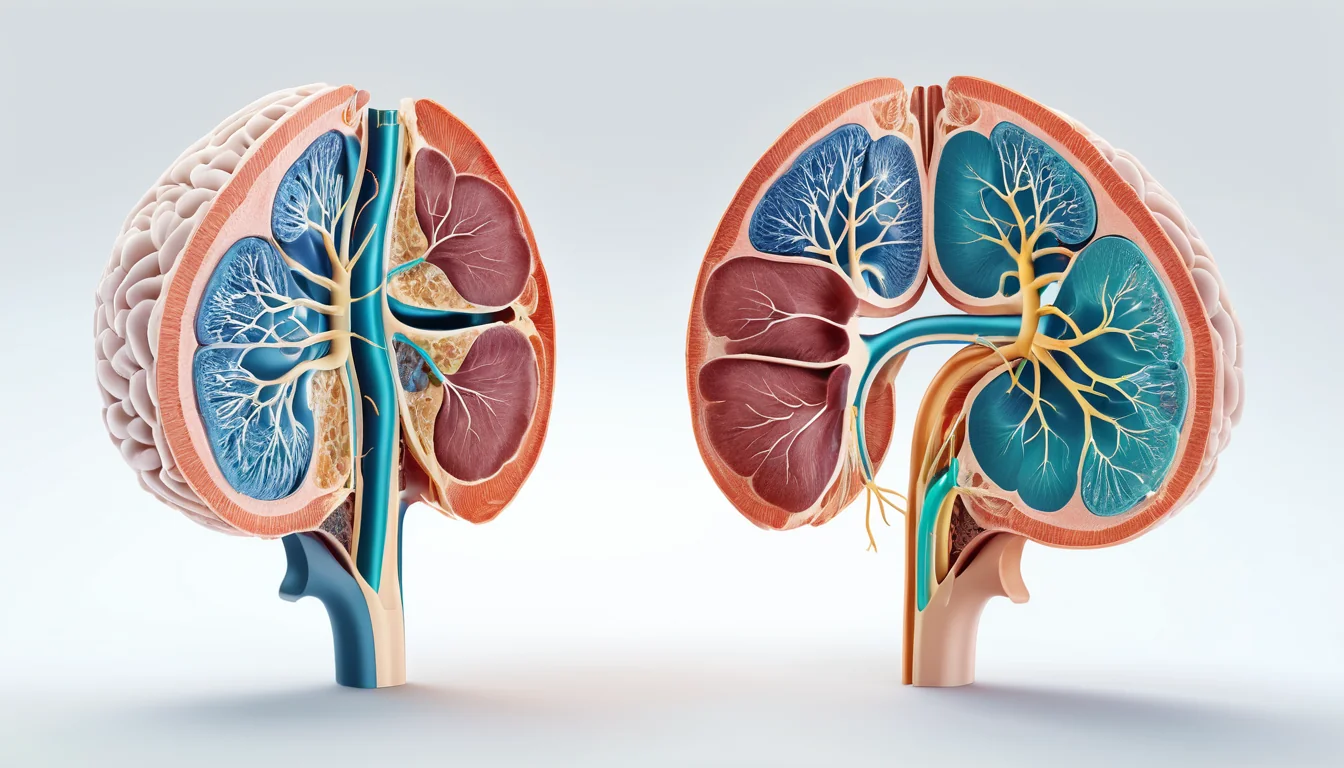
Hereditary kidney disease encompasses a group of over 300 genetic conditions that impair how the kidneys filter waste and maintain fluid balance. These inherited disorders range from common conditions like polycystic kidney disease to rarer syndromes, and they affect thousands of Canadian families each year. If one or both of your parents carry a kidney-related genetic mutation, your risk of developing these conditions may be significantly higher.
What Is Hereditary Kidney Disease and How Does It Develop?
Understanding genetic kidney conditions is essential for early detection and better long-term outcomes. Some inherited kidney disorders appear at birth, while others may not cause symptoms until adulthood. This guide covers the most common types, their causes, warning signs, and what Canadian patients can do to protect their kidney health through screening, genetic testing, and proactive medical care.
What Is Hereditary Kidney Disease?
| Type of Hereditary Kidney Disease | Key Characteristics | Common Symptoms | Management Approach |
|---|---|---|---|
| Autosomal Dominant Polycystic Kidney Disease (ADPKD) | Most common inherited kidney disorder; fluid-filled cysts develop on kidneys; caused by mutations in PKD1 or PKD2 genes | Flank pain, high blood pressure, blood in urine, frequent kidney infections, abdominal fullness | Blood pressure control, tolvaptan (Jynarque) therapy, pain management, dialysis or transplant in advanced stages |
| Alport Syndrome | Affects the glomerular basement membrane; caused by mutations in COL4A3, COL4A4, or COL4A5 genes; more severe in males | Blood in urine (often from childhood), progressive kidney failure, hearing loss, eye abnormalities | ACE inhibitors or ARBs to slow progression, hearing aids if needed, kidney transplant when indicated |
| Autosomal Recessive Polycystic Kidney Disease (ARPKD) | Rarer form affecting infants and children; caused by mutations in the PKHD1 gene; often involves liver as well | Enlarged kidneys at birth, high blood pressure, poor kidney function, liver fibrosis, breathing difficulties in newborns | Blood pressure management, nutritional support, respiratory care in infants, dialysis or transplant in severe cases |
| Fabry Disease | X-linked lysosomal storage disorder caused by GLA gene mutation; leads to alpha-galactosidase A enzyme deficiency | Burning pain in hands and feet, skin rash (angiokeratomas), kidney dysfunction, heart and stroke complications | Enzyme replacement therapy (agalsidase alfa or beta), migalastat for eligible patients, kidney protection medications |
| Nephronophthisis | Leading genetic cause of kidney failure in children and young adults; caused by mutations in NPHP genes; affects kidney tubules | Excessive thirst and urination, fatigue, anaemia, slow growth in children, progressive kidney failure | Supportive care for symptoms, managing anaemia and growth issues, dialysis or kidney transplant (transplant is curative) |
Your kidneys filter waste and extra fluid from your blood. When a genetic mutation affects the proteins that build kidney tissue, the kidneys may not function properly. This is the foundation of hereditary kidney disease.
These diseases can be passed down from parent to child, but mutations can also appear on their own — even without a family history. Each person carries around 25,000 genes in every cell, with two copies of each gene — one from each parent.
Some hereditary kidney diseases follow what is called an autosomal dominant pattern. This means only one mutated copy of the gene is needed to cause the disease. Each child of an affected parent has a 50% chance of inheriting it. Others follow an autosomal recessive pattern, where mutations must be present on both copies of the gene. In these cases, parents may carry the gene without showing any symptoms at all.
Common Types of Hereditary Kidney Disease
There are many forms of hereditary kidney disease. Some are well known, while others are quite rare. Here are the most commonly seen types in clinical practice.
Autosomal Dominant Polycystic Kidney Disease (ADPKD)
This is the most common form of hereditary kidney disease. In ADPKD, the kidneys develop multiple fluid-filled cysts that gradually damage healthy kidney tissue. If one parent has ADPKD, each child has a 50% chance of developing it as well.
Importantly, doctors can diagnose ADPKD before age 40, even when symptoms have not yet appeared. These cysts can also lead to kidney infections, kidney stones, and blood in the urine. Early treatment can slow the progression of the disease by many years. For more information, visit Health Canada’s kidney health resources.
Alport Syndrome
Alport syndrome causes blood and protein to leak into the urine. Over time, it leads to kidney failure. It is most often diagnosed in childhood or adolescence, but adults and older Canadians can also be affected.
Cystinosis
Cystinosis directly damages kidney cells and can cause a complication called Fanconi syndrome, which leads to kidney failure. Patients with cystinosis lose large amounts of electrolytes and amino acids through their urine.
Fabry Disease
Fabry disease can be difficult to diagnose because it mimics many other conditions. Patients often experience heart problems, vision changes, skin changes, reduced sweating, and declining kidney function. Early diagnosis and treatment are critical for these patients.
Thin Basement Membrane Disease
This condition involves dysfunction of the kidney’s filtering membrane. It affects a small percentage of the population and typically requires a kidney biopsy to confirm the diagnosis.
Bartter Syndrome
Bartter syndrome is a group of genetic disorders that cause the kidneys to lose too much sodium, potassium, calcium, magnesium, and acids through the urine. This imbalance can affect the entire body.
Focal Segmental Glomerulosclerosis (FSGS)
FSGS causes large amounts of protein and blood to leak into the urine. It can lead to severe swelling throughout the body and malnutrition. FSGS has both hereditary and non-hereditary causes, and the treatment differs depending on which form a patient has. Learn more at the Mayo Clinic’s kidney disease overview.
Congenital Kidney Defects
Beyond inherited genetic conditions, some Canadians are born with structural kidney problems. These are called congenital defects, meaning they are present from birth.
Common congenital kidney defects include:
- Single kidney (renal agenesis): Born with only one kidney
- Hypoplastic kidney: One or both kidneys are smaller than normal
- Ectopic kidney: A kidney that is located in an unusual position in the body
- Urinary tract abnormalities: Structural changes that affect how urine drains from the kidneys
These defects are usually found right after birth or during childhood. However, in some cases, they are only discovered later in adulthood, often during tests for another health concern.
Causes and Risk Factors
Every form of hereditary kidney disease is caused by changes in specific genes that code for proteins involved in building and maintaining kidney tissue. These gene changes — also called mutations — can be inherited from one or both parents.
However, mutations can also occur on their own, with no family history of kidney disease. This is why even people without a family history should be aware of the symptoms.
Who Is at Higher Risk?
A family history of kidney disease is the single biggest risk factor for hereditary kidney disease. If one or both of your parents have a kidney condition, screening your children is strongly recommended. Other health conditions can also raise the risk of kidney damage and speed up the progression of disease.
Conditions that increase your risk include:
- Diabetes
- Heart disease
- High blood pressure (hypertension)
- Recurring kidney infections
- Kidney stones
Without treatment, these conditions can seriously damage kidney tissue and lead to chronic kidney failure. Maintaining a healthy lifestyle and managing related conditions can help slow the progression of kidney disease. The World Health Organization provides global data on kidney disease risk factors that is relevant to Canadians as well.
Signs and Symptoms of Hereditary Kidney Disease
The symptoms of hereditary kidney disease vary widely in type and severity. Some people have no symptoms at all in the early stages. Unfortunately, symptoms tend to appear and worsen over time as kidney function declines.
These symptoms occur because the kidneys can no longer properly filter waste and excess fluid from the blood. As a result, these substances build up and affect the whole body.
Common symptoms include:
- High blood pressure
- Swelling in the legs, feet, and ankles
- Fatigue and general weakness
- Headaches or difficulty concentrating
- Pain in the sides of the abdomen or lower back
- A feeling of fullness or pressure in the abdomen
- Changes in urine colour, especially reddish or dark urine
- Urinating more or less than usual
- Muscle cramps
- Itchy skin
Therefore, if you notice any of these symptoms — especially if you have a family history of kidney problems — it is important to speak with a healthcare provider as soon as possible.
When to See a Doctor
If you have a family history of kidney disease, do not wait for symptoms to appear. Talk to your family doctor about your risk and ask whether genetic screening or regular kidney function tests are right for you.
If you do not have a family doctor, a walk-in clinic can order basic blood and urine tests to check your kidney function. Most provincial health plans in Canada — including those in Ontario, British Columbia, Alberta, and Quebec — cover these tests when ordered by a physician.
Seek medical attention sooner if you experience any of the following:
- Blood in your urine
- Sudden swelling in your legs or face
- A significant and unexplained change in how much you urinate
- Severe pain in your back or sides
Early diagnosis makes a real difference. In many hereditary kidney diseases, starting treatment early can slow the disease significantly and protect your quality of life for years to come. Always consult your doctor before making any changes to your health routine or if you are concerned about kidney disease.
Frequently Asked Questions
What is the most common hereditary kidney disease?
The most common form of hereditary kidney disease is autosomal dominant polycystic kidney disease (ADPKD). It causes fluid-filled cysts to grow in the kidneys over time, gradually reducing kidney function. It can often be detected before symptoms appear, which is why screening is important for those with a family history.
Can hereditary kidney disease skip a generation?
Yes, it is possible for hereditary kidney disease to appear to skip a generation, particularly in autosomal recessive conditions. In these cases, parents carry the mutated gene but show no symptoms themselves. The disease only appears when a child inherits the faulty gene from both parents.
How is hereditary kidney disease diagnosed in Canada?
Diagnosis of hereditary kidney disease in Canada typically involves blood tests, urine tests, ultrasound imaging, and sometimes genetic testing. Your family doctor or a kidney specialist (nephrologist) can guide you through the right tests. Most provincial health plans cover standard kidney function testing when ordered by a physician.
Is there a cure for hereditary kidney disease?
Most forms of hereditary kidney disease do not have a cure, but many can be managed effectively with treatment. Medications, lifestyle changes, and careful monitoring can slow the progression of the disease. In advanced cases, dialysis or a kidney transplant may become necessary.
Should my children be tested if I have hereditary kidney disease?
Yes, if you have been diagnosed with a hereditary kidney disease, your children may be at risk and should be screened. Talk to your family doctor or a genetics specialist about appropriate testing. Early detection gives children the best chance of managing the condition before serious damage occurs.
What lifestyle changes help with hereditary kidney disease?
According to Mayo Clinic’s guide to polycystic kidney disease, this information is supported by current medical research.
For more information, read our guide on early kidney disease symptoms Canadians should watch for.
Managing blood pressure, controlling blood sugar, eating a kidney-friendly diet, staying hydrated, and avoiding smoking are all important steps for anyone living with hereditary kidney disease. Regular exercise and maintaining a healthy weight also help protect kidney function. Always work with your healthcare team to develop a plan suited to your specific condition.
Key Takeaways
- There are over 300 types of hereditary kidney disease, ranging from very common to extremely rare.
- The most common type is autosomal dominant polycystic kidney disease (ADPKD), which can be detected before symptoms appear.
- A family history of kidney disease is the most significant risk factor — screening is strongly recommended.
- Other conditions such as diabetes, high blood pressure, and heart disease can worsen hereditary kidney disease.
- Symptoms include swelling, fatigue, changes in urine colour, high blood pressure, and back or abdominal pain.
- Early diagnosis and treatment can significantly slow the progression of most hereditary kidney diseases.
- Speak with your family doctor or visit a walk-in clinic if you have concerns — most provincial health plans cover basic kidney testing.
- Always consult a qualified healthcare professional before making health decisions based on this information.
Frequently Asked Questions
What is hereditary kidney disease?
Hereditary kidney disease is a group of genetic conditions where faulty genes passed from parents to children cause abnormal kidney structure or function. Common types include polycystic kidney disease, Alport syndrome, and nephronophthisis. These conditions can progressively damage the kidneys and may lead to chronic kidney disease or kidney failure over time.
What are the symptoms of hereditary kidney disease?
Common symptoms include blood in the urine (hematuria), protein in the urine, high blood pressure, swelling in the legs or ankles, frequent urination, fatigue, and flank pain. Some people have no early symptoms, making genetic screening important if there is a known family history of kidney disease.
Can hereditary kidney disease be treated?
There is no cure for most hereditary kidney diseases, but treatments can slow progression and manage symptoms. Options include blood pressure medications, dietary changes, and tolvaptan for polycystic kidney disease. In advanced cases, dialysis or a kidney transplant may be required. Early diagnosis significantly improves long-term outcomes.
Can hereditary kidney disease be prevented?
You cannot prevent an inherited genetic mutation, but you can reduce disease progression through healthy lifestyle choices. Controlling blood pressure, staying hydrated, avoiding nephrotoxic medications, limiting sodium, and not smoking all help protect kidney function. Genetic counselling is recommended for individuals with a family history before family planning.
When should you see a doctor about hereditary kidney disease?
See a doctor promptly if you notice blood in your urine, persistent swelling, unexplained high blood pressure, or reduced urine output — especially with a family history of kidney disease. Early evaluation through urine tests, blood work, and imaging allows timely intervention to protect kidney function and prevent serious complications.

About the Author
Dr. Sarah Mitchell, MDDr. Sarah Mitchell is a board-certified family physician with over 15 years of clinical experience. She completed her MD at the University of Toronto and her residency at Toronto General Hospital. Dr. Mitchell specializes in preventive medicine and chronic disease management. She is a member of the College of Family Physicians of Canada (CFPC) and has published over 30 peer-reviewed articles on preventive health care.
View all articles →