Amyloidosis Symptoms: Causes & Treatment in Canada

Share
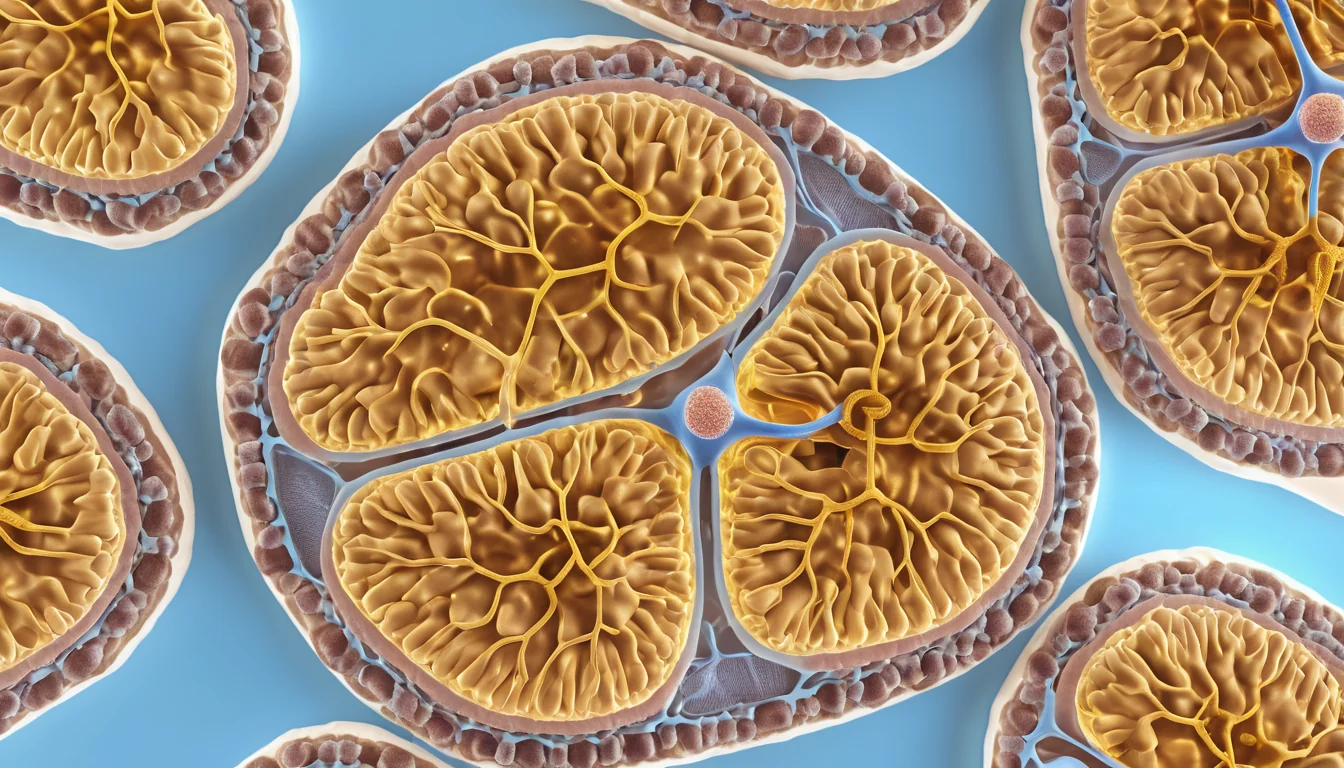
Amyloidosis symptoms can be difficult to recognize early, but catching them in time can make a life-saving difference. Amyloidosis is a group of rare but serious diseases caused by the build-up of abnormal proteins called amyloid in your body’s tissues and organs. These misfolded proteins clump together and collect outside of cells, where they slowly damage the organs around them, including the kidneys, heart, liver, spleen, and nervous system.
Recognizing Amyloidosis Symptoms Early
Understanding the causes and treatment options for amyloidosis is essential for Canadians who may be at risk. Because amyloid protein buildup happens gradually, many people don’t notice anything is wrong until significant organ damage has already occurred. That’s why learning to spot the early warning signs — and knowing when to talk to your doctor — can dramatically improve outcomes for those living with this condition in Canada.
What Is Amyloidosis?
| Body System Affected | Amyloidosis Symptoms | Description | Typical Severity |
|---|---|---|---|
| Heart | Shortness of breath, irregular heartbeat, fatigue | Amyloid protein deposits stiffen the heart muscle, reducing its ability to pump blood effectively and leading to heart failure | Severe — can be life-threatening if untreated |
| Kidneys | Swelling in legs and ankles, foamy urine, decreased urination | Protein buildup damages the kidney’s filtering units, causing protein to leak into urine and impairing waste removal | Moderate to Severe — may progress to kidney failure |
| Nervous System | Numbness, tingling, pain in hands and feet, dizziness upon standing | Nerve damage (peripheral neuropathy) and autonomic dysfunction affect sensation, balance, and blood pressure regulation | Moderate — significantly impacts daily function |
| Digestive System | Nausea, diarrhea, constipation, unintended weight loss, poor appetite | Amyloid deposits in the gastrointestinal tract disrupt normal digestion, nutrient absorption, and bowel motility | Mild to Moderate — varies widely among patients |
| Liver and Spleen | Abdominal swelling, feeling of fullness, elevated liver enzymes | Organ enlargement (hepatomegaly or splenomegaly) occurs as amyloid accumulates, reducing normal organ function | Mild to Moderate — often detected on imaging |
| General/Whole Body | Extreme fatigue, unintended weight loss, enlarged tongue (macroglossia) | Systemic amyloid deposition affects multiple organs simultaneously, causing widespread energy depletion and physical changes | Moderate to Severe — early medical evaluation essential |
Normally, your body breaks down proteins at roughly the same rate it produces them. However, amyloid proteins are unusually stable. Your body cannot break them down fast enough, so they build up over time.
These deposits can be localized (found in one area) or systemic (spread throughout the body). Systemic amyloidosis is the more serious form. It can damage multiple organs at the same time and lead to organ failure if left untreated.
For more background on how proteins affect the body, visit Health Canada’s health information resources.
Types of Amyloidosis
Doctors classify amyloidosis based on the type of protein involved. Each type causes different symptoms and affects different organs. There are at least twenty known types of amyloid fibres linked to human disease.
AL Amyloidosis (Light Chain Amyloidosis)
AL amyloidosis is the most common type. It happens when abnormal antibody proteins, called light chains, build up in the body. This type is often linked to a blood cancer called multiple myeloma, though not always.
AL amyloidosis most commonly affects the kidneys, heart, intestinal tract, liver, and spleen. Damage to the kidneys can lead to kidney failure. Damage to the heart can cause congestive heart failure.
AA Amyloidosis
AA amyloidosis develops as a result of another long-term illness. It is most often linked to chronic inflammatory conditions such as rheumatoid arthritis, chronic infections, or a hereditary condition called familial Mediterranean fever.
This type also affects the kidneys, liver, and spleen. In addition, it can involve the adrenal glands, lymph nodes, and circulatory system. Kidney failure is the most common cause of death in AA amyloidosis. This type occurs in roughly one percent of people with inflammatory diseases.
ATTR Amyloidosis (Transthyretin Amyloidosis)
ATTR amyloidosis involves a protein called transthyretin, which normally carries thyroid hormone and vitamin A in the blood. When this protein misfolds, it forms amyloid deposits. This type is linked to hereditary nerve damage (familial amyloid polyneuropathy) and age-related cardiac amyloidosis.
AB2M Amyloidosis (Dialysis-Related Amyloidosis)
This type affects people who have been on kidney dialysis for a long time. Dialysis is a treatment that filters waste products from the blood when the kidneys can no longer do this on their own. Over time, a protein called beta2-microglobulin builds up and forms amyloid deposits.
Symptoms of Amyloidosis
The symptoms of amyloidosis vary widely. They depend entirely on which organs are affected. Unfortunately, the disease is often not diagnosed until serious organ damage has already occurred.
Common symptoms and signs include:
- Proteinuria — protein in the urine, often the first sign in AL and AA types
- Swelling in the legs, ankles, or around the eyes
- Fatigue and weakness
- Shortness of breath, especially with exertion
- Irregular heartbeat or feeling that the heart is racing
- Numbness or tingling in the hands or feet (peripheral neuropathy)
- Enlarged organs — the liver, spleen, kidneys, or heart may grow larger than normal
- Cognitive changes — memory problems or confusion, in cases where amyloid deposits form in the brain
- Unintended weight loss
- Digestive problems, including diarrhea or constipation
Because these symptoms overlap with many other conditions, amyloidosis can be difficult to spot. However, if you notice several of these signs together — especially swelling with fatigue and shortness of breath — it is important to speak with a healthcare provider.
How Is Amyloidosis Diagnosed?
Diagnosing amyloidosis requires a biopsy — a small sample of tissue taken from the body and examined under a microscope. Amyloid fibres show up clearly in these tissue samples when stained with a special dye called Congo red.
For systemic amyloidosis, doctors may take a biopsy from several sites, including:
- Abdominal fat (a fat pad aspirate, which is a simple and low-risk procedure)
- Rectal tissue
- The kidneys
Your doctor will also likely order blood tests, urine tests, and imaging studies such as an echocardiogram (heart ultrasound) or MRI. These help assess how much organ damage has occurred. The Mayo Clinic provides a detailed overview of amyloidosis diagnosis and testing.
Treatment Options for Amyloidosis
There is no single cure for amyloidosis, but treatment has improved significantly in recent years. The goal of treatment is to slow or stop the production of the abnormal proteins, prevent further deposits from forming, and — where possible — help the body reabsorb existing deposits.
Treating AL Amyloidosis
Treatment for AL amyloidosis often involves chemotherapy drugs that target the abnormal plasma cells producing the light chain proteins. In some cases, a stem cell transplant may be an option. Your specialist will tailor the treatment plan based on how far the disease has progressed and which organs are affected.
Treating AA Amyloidosis
For AA amyloidosis, the focus is on managing the underlying inflammatory disease. When the root cause — such as rheumatoid arthritis or a chronic infection — is brought under control, the production of amyloid proteins may slow down significantly. Anti-inflammatory medications play a key role in this approach.
Treating ATTR and Hereditary Amyloidosis
For hereditary forms of amyloidosis, genetic counselling is an important part of the care plan. In some cases, a liver transplant has proven effective. The liver produces the mutant transthyretin protein, so removing and replacing it can stop the disease from progressing. Some patients have even seen improvement in their autonomic nervous system function after transplant.
Newer targeted therapies are also available for ATTR amyloidosis, including drugs that stabilize the transthyretin protein or silence the gene responsible for its production. Your specialist can advise whether these are appropriate for your situation.
Supportive Care
Supportive care helps manage symptoms and protect organ function. This may include medications for heart failure, diuretics to reduce swelling, and dialysis for kidney failure. A team of specialists — including cardiologists, nephrologists, and neurologists — often works together to manage amyloidosis. Healthline offers a helpful patient-friendly guide to amyloidosis treatment.
When to See a Doctor
If you notice unexplained swelling, persistent fatigue, shortness of breath, or protein in your urine, do not wait. These symptoms can point to amyloidosis or other serious conditions that need prompt attention.
Start by making an appointment with your family doctor. If you do not have a family doctor, a walk-in clinic can assess your symptoms and refer you to a specialist if needed. Most provincial health plans in Canada cover specialist referrals when ordered by a primary care provider.
Early diagnosis gives you more treatment options and a better chance of preserving organ function. Please always consult a qualified healthcare professional before making any decisions about your health or treatment.
Frequently Asked Questions About Amyloidosis
What is amyloidosis and how serious is it?
Amyloidosis is a disease where abnormal proteins called amyloid build up in organs and tissues, causing them to stop working properly. It ranges from mild to life-threatening depending on which organs are affected. With early diagnosis and treatment, many people are able to slow the progression of the disease significantly.
What are the first signs of amyloidosis?
The earliest sign of amyloidosis is often protein in the urine (proteinuria), which a routine urine test can detect. Other early signs include swelling in the legs or ankles, unusual fatigue, and numbness or tingling in the hands or feet. Because these symptoms are common to many conditions, amyloidosis is often diagnosed late.
Is amyloidosis a form of cancer?
Amyloidosis itself is not cancer, but the AL type is often linked to multiple myeloma, which is a blood cancer. The amyloid proteins in AL amyloidosis are produced by abnormal plasma cells — the same cells involved in myeloma. However, many people with AL amyloidosis do not have myeloma.
Can amyloidosis be cured?
There is currently no complete cure for amyloidosis, but treatment can slow or stop the disease from getting worse. In hereditary forms, a liver transplant has shown real benefits, including halting disease progression. Newer drugs targeting specific amyloid proteins are also showing promising results in clinical studies.
How is amyloidosis diagnosed in Canada?
In Canada, amyloidosis is typically diagnosed through a combination of blood tests, urine tests, and a tissue biopsy. Your family doctor or walk-in clinic can order initial tests and refer you to an internist or specialist. Provincial health plans generally cover the cost of these diagnostic tests and specialist visits with a referral.
Which organs does amyloidosis affect most?
According to Mayo Clinic’s overview of amyloidosis, this information is supported by current medical research.
For more information, read our guide on warning signs of kidney disease in Canada.
Amyloidosis most commonly affects the kidneys, heart, liver, spleen, and nervous system. The kidneys and heart are the organs most at risk for serious damage, including kidney failure and congestive heart failure. The specific organs involved depend on the type of amyloidosis a person has.
Key Takeaways
- Amyloidosis is caused by the build-up of abnormal proteins (amyloid) in the body’s organs and tissues.
- The three main types are AL, AA, and ATTR — each linked to different underlying causes.
- The kidneys and heart are most commonly and most seriously affected.
- Early symptoms include protein in the urine, swelling, fatigue, and shortness of breath.
- Diagnosis requires a biopsy along with blood and urine tests.
- Treatment focuses on reducing amyloid production, managing symptoms, and protecting organ function.
- If you have concerns, speak with your family doctor or visit a walk-in clinic — early action leads to better outcomes.
- Always consult a healthcare professional for medical advice tailored to your personal situation.
Frequently Asked Questions
What is amyloidosis?
Amyloidosis is a rare but serious disease where abnormal proteins called amyloids build up in organs and tissues, disrupting their normal function. It can affect the heart, kidneys, liver, and nervous system. There are several types, including AL, AA, and hereditary amyloidosis, each with different underlying causes and treatment approaches.
What are the early warning signs of amyloidosis symptoms?
Early amyloidosis symptoms include unexplained fatigue, swelling in the ankles or legs, shortness of breath, numbness or tingling in hands and feet, and unintentional weight loss. Carpal tunnel syndrome appearing without obvious cause can also be an early indicator. Symptoms vary depending on which organs are affected.
What are the most common amyloidosis symptoms in Canada?
Common amyloidosis symptoms reported in Canada include severe fatigue, irregular heartbeat, difficulty swallowing, protein in urine, enlarged tongue, and skin changes such as easy bruising around the eyes. Because symptoms mimic other conditions, diagnosis is often delayed, making awareness of these warning signs critically important for Canadians.
How is amyloidosis treated in Canada?
Amyloidosis treatment in Canada focuses on reducing abnormal protein production and managing organ damage. Options include chemotherapy, stem cell transplants, and newer targeted therapies like daratumumab. Treatment is tailored to the amyloidosis type and affected organs. Canadian patients are typically referred to specialized hematology or internal medicine centres for comprehensive care.
When should you see a doctor about amyloidosis symptoms?
See a doctor promptly if you experience unexplained swelling, persistent fatigue, shortness of breath, irregular heartbeat, or numbness in your limbs. These symptoms can indicate amyloidosis or other serious conditions requiring urgent evaluation. Early diagnosis significantly improves treatment outcomes, so don’t delay consulting your family physician or a Canadian specialist.

About the Author
Dr. Sarah Mitchell, MDDr. Sarah Mitchell is a board-certified family physician with over 15 years of clinical experience. She completed her MD at the University of Toronto and her residency at Toronto General Hospital. Dr. Mitchell specializes in preventive medicine and chronic disease management. She is a member of the College of Family Physicians of Canada (CFPC) and has published over 30 peer-reviewed articles on preventive health care.
View all articles →