Acute Kidney Failure: Causes, Symptoms & Treatment Canada

Share
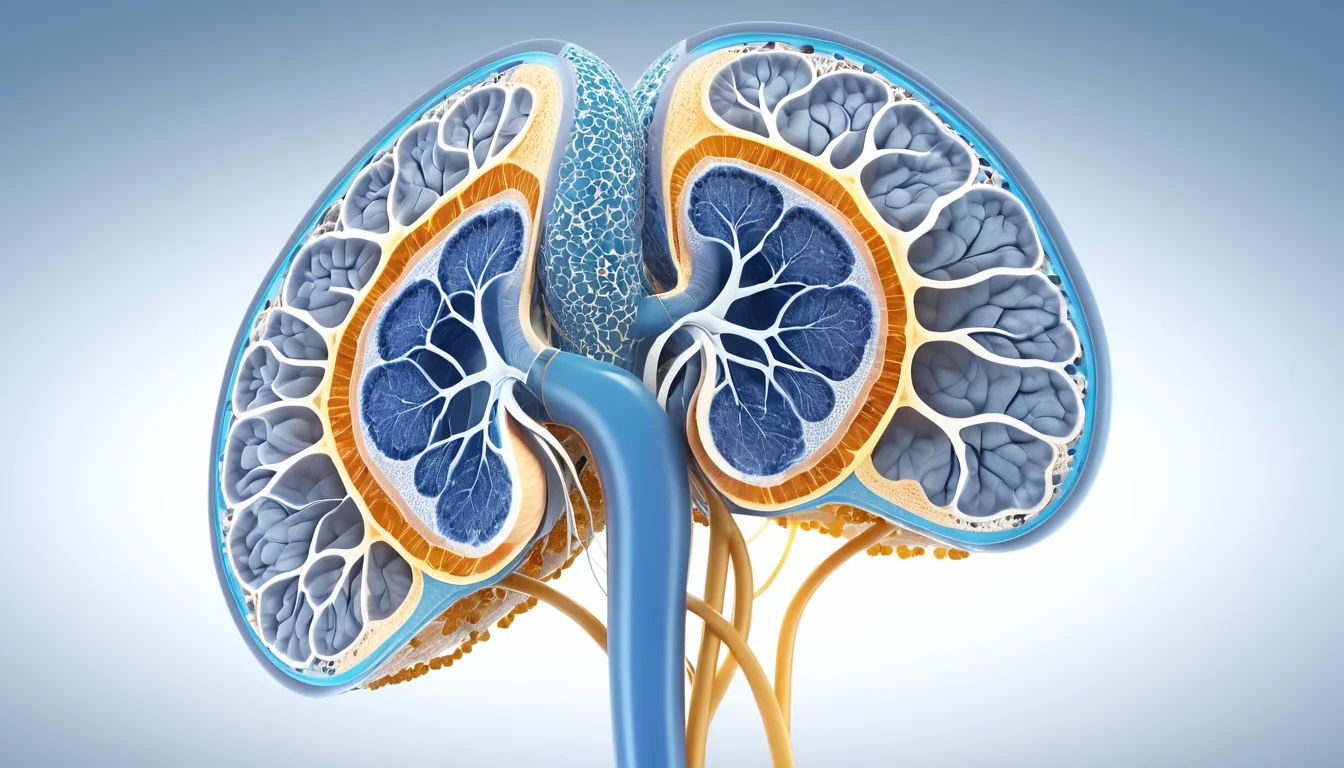
Acute kidney failure happens when your kidneys suddenly lose their ability to filter waste and excess fluids from your blood, and it can become life-threatening within hours or days if left untreated. Also known as acute renal failure, this condition requires immediate medical attention to prevent dangerous toxin buildup in your body. For Canadians, understanding the warning signs can mean the difference between a full recovery and lasting kidney damage.
What Is Acute Kidney Failure and How Does It Develop?
Your kidneys work around the clock to remove waste products, balance electrolytes, and regulate fluid levels. When acute renal failure causes this process to break down suddenly, the results can be serious. However, with prompt diagnosis and treatment through Canada’s healthcare system, many patients recover full kidney function. Recognizing the early signs of kidney failure is essential for getting timely care and improving your outcome.
What Is Acute Kidney Failure?
| Symptom | Clinical Description | Severity Level | When to Seek Care |
|---|---|---|---|
| Decreased Urine Output | Significantly reduced urination or complete absence of urine (oliguria/anuria), often one of the earliest warning signs of acute kidney failure | Severe | Seek emergency care immediately |
| Swelling (Edema) | Fluid retention causing noticeable swelling in the legs, ankles, feet, and sometimes the face due to the kidneys’ inability to remove excess fluid | Moderate to Severe | Contact your doctor or visit an emergency department |
| Fatigue and Confusion | Buildup of waste products in the blood (uremia) causes extreme tiredness, difficulty concentrating, and in advanced cases, altered mental status | Moderate to Severe | Seek prompt medical evaluation |
| Nausea and Vomiting | Accumulation of toxins in the bloodstream triggers persistent nausea, loss of appetite, and vomiting, contributing to dehydration | Moderate | Contact your healthcare provider within 24 hours |
| Shortness of Breath | Fluid accumulation in the lungs (pulmonary edema) caused by kidney dysfunction, leading to laboured breathing and reduced oxygen levels | Severe | Call 911 or go to the nearest emergency department |
| Chest Pain or Pressure | Inflammation around the heart (pericarditis) or electrolyte imbalances such as high potassium levels can cause chest discomfort associated with acute kidney failure | Severe | Call 911 immediately |
Acute kidney failure — also called acute renal failure — means your kidneys have lost their ability to filter waste and excess fluid from your blood. Unlike chronic kidney disease, which develops slowly over years, acute kidney failure comes on fast. However, with prompt medical care, many people make a full recovery.
Your kidneys normally work around the clock to clean your blood. They remove waste products from metabolism, keep your electrolytes balanced, and control how much water stays in your body. When this process breaks down suddenly, the results can be serious.
For more background on how your kidneys work, visit Health Canada’s health information resources.
Common Causes of Acute Kidney Failure
Many different conditions can trigger acute kidney failure. Doctors usually group these causes into three categories: problems before the kidney, problems within the kidney, and blockages after the kidney.
Reduced Blood Flow to the Kidneys
The most common cause is reduced blood flow reaching the kidneys. This can happen after major blood loss from a serious injury or surgery. Severe dehydration from vomiting, diarrhea, or overuse of diuretics (water pills) can also cut off blood supply to the kidneys.
Serious heart conditions can reduce blood flow as well. These include heart failure, heart attack, abnormal heart rhythms (arrhythmia), and very high blood pressure.
Direct Damage to the Kidneys
Some conditions directly damage kidney tissue. For example, nephrotic syndrome, lupus, liver cirrhosis, and inflammation of the blood vessels (vasculitis) can all harm the kidneys directly.
Certain medications can also cause direct kidney damage. These include some antibiotics such as gentamicin, ACE inhibitors used for high blood pressure, non-steroidal anti-inflammatory drugs (NSAIDs) like ibuprofen and aspirin, and contrast dyes used in some X-ray procedures. Always tell your family doctor or pharmacist about every medication you take.
Blockages in the Urinary Tract
A sudden blockage in the urinary tract can prevent urine from draining out of the kidneys. Kidney stones, tumours, urinary tract injuries, or an enlarged prostate can all cause this type of blockage. As a result, urine backs up and damages the kidneys.
In addition, serious illnesses like severe infections (sepsis), severe burns, crush injuries, and severe malnutrition can also lead to acute kidney failure.
Signs and Symptoms of Acute Kidney Failure
Acute kidney failure often causes no obvious symptoms at first. In fact, many cases are discovered through blood tests done for a completely different reason, often while a person is already in hospital.
However, when symptoms do appear, they may include:
- Swelling in the legs, ankles, or feet
- Little or no urine output
- Feeling very thirsty with a dry mouth
- A fast heartbeat (tachycardia)
- Dizziness when standing up
- Loss of appetite, nausea, or vomiting
- Confusion, anxiety, or unusual drowsiness
- Pain in the side, just below the ribs down to the waist (flank pain)
Serious Complications to Watch For
If acute kidney failure goes untreated, it can lead to dangerous complications. Uraemic syndrome (uraemia) is one of the most serious. It can cause severe dizziness, confusion, seizures, an irregular heartbeat, and fluid buildup in the lungs (pulmonary oedema).
High potassium levels in the blood (hyperkalaemia) are another serious complication. This condition can cause life-threatening heart problems. Furthermore, the immune system weakens during kidney failure, making infections much more likely.
Learn more about kidney disease complications from the Mayo Clinic’s guide to acute kidney failure.
Who Is at Risk for Acute Kidney Failure?
Acute kidney failure most often affects people who are already seriously ill, especially those in hospital or intensive care units. Therefore, understanding your personal risk factors is important.
You may be at higher risk if you have any of the following conditions:
- Existing kidney or liver disease, such as nephrotic syndrome or liver cirrhosis
- Diabetes
- Heart failure
- High blood pressure (hypertension)
- Obesity
Older adults are also at greater risk because kidney function naturally declines with age. In addition, people who have recently had major surgery — especially heart or abdominal surgery — or a bone marrow transplant face higher risk.
Acute kidney failure is not something that typically develops at home out of nowhere. It usually occurs alongside another serious medical event.
How Is Acute Kidney Failure Treated?
Treatment for acute kidney failure focuses on finding and fixing the underlying cause. In most cases, this means hospital care. Your medical team will work to restore proper blood flow to the kidneys, remove any blockages, or stop medications that may be causing damage.
Fluid and Electrolyte Management
Doctors carefully manage your fluid intake and monitor your electrolyte levels. This may involve giving you fluids through an IV or, in some cases, restricting fluids if your kidneys cannot process them. Potassium and sodium levels need close monitoring.
Dialysis
In severe cases, dialysis may be needed temporarily. Dialysis is a machine-based process that filters your blood when your kidneys cannot do the job. For many people with acute kidney failure, dialysis is temporary. However, a small number of patients develop permanent kidney damage and may need ongoing dialysis or a kidney transplant.
The good news is that roughly half of people who experience acute kidney failure recover well. Most regain enough kidney function to live a normal life. However, older adults and those with serious underlying health conditions are less likely to make a complete recovery.
For a broader perspective on kidney disease worldwide, see the World Health Organization’s fact sheet on kidney disease.
When to See a Doctor
Acute kidney failure is usually diagnosed during a hospital stay for another illness. However, if you notice symptoms at home — especially swelling in your legs, very little urine output, or sudden confusion — do not wait.
Contact your family doctor right away if you are concerned about your kidney health. If your family doctor is not available, go to a walk-in clinic or your nearest emergency department. In Canada, your provincial health plan covers emergency kidney care. Do not delay seeking help.
If you have existing risk factors such as diabetes, heart disease, or high blood pressure, talk to your family doctor about regular kidney function tests. Early detection makes a real difference in outcomes.
Always speak with a qualified healthcare provider before making any decisions about your health. This article is for informational purposes only and does not replace professional medical advice.
Frequently Asked Questions About Acute Kidney Failure
What are the early warning signs of acute kidney failure?
Early signs of acute kidney failure can include swelling in the legs or feet, producing very little urine, and feeling unusually tired or confused. Some people also experience nausea, loss of appetite, or flank pain. Because symptoms can be subtle, many cases are first detected through blood tests in a hospital setting.
Can acute kidney failure be reversed?
Yes, acute kidney failure can often be reversed with prompt medical treatment. Approximately half of people who develop this condition recover enough kidney function to live a normal life. However, some people — particularly older adults or those with serious underlying illnesses — may develop permanent kidney damage.
How quickly does acute kidney failure develop?
Acute kidney failure can develop within just a few hours to a few days. This is what makes it different from chronic kidney disease, which progresses slowly over months or years. Because it develops so quickly, acute kidney failure is considered a medical emergency that requires immediate attention.
What medications can cause acute kidney failure?
Several common medications can contribute to acute kidney failure, including certain antibiotics, NSAIDs like ibuprofen and aspirin, ACE inhibitors used for high blood pressure, and contrast dyes used during X-ray or imaging procedures. Always inform your family doctor or pharmacist about all medications and supplements you take, especially if you have existing kidney or heart conditions.
Is acute kidney failure the same as chronic kidney disease?
No, they are different conditions. Acute kidney failure comes on suddenly and is often reversible with treatment. Chronic kidney disease develops slowly over time and is generally not reversible. However, an episode of acute kidney failure that is not properly treated can sometimes lead to chronic kidney disease.
Does acute kidney failure always require dialysis?
According to Mayo Clinic’s overview of acute kidney failure, this information is supported by current medical research.
For more information, read our guide on early warning signs of kidney disease in Canada.
Not always. Dialysis is used in severe cases of acute kidney failure when the kidneys cannot filter blood on their own. For many patients, dialysis is a temporary measure used while the kidneys heal. Only a small percentage of people with acute kidney failure go on to need long-term dialysis or a kidney transplant.
Key Takeaways
- Acute kidney failure means the kidneys suddenly stop filtering waste from the blood — it can develop within hours or days.
- Common causes include severe dehydration, blood loss, serious infections, certain medications, heart conditions, and urinary tract blockages.
- Symptoms include swollen legs, little or no urine, dizziness, nausea, confusion, and flank pain — but some people have no symptoms at all.
- Risk factors include diabetes, heart failure, high blood pressure, obesity, liver disease, and being older.
- Treatment focuses on addressing the underlying cause and is usually managed in hospital. Dialysis may be needed in severe cases.
- About half of all people with acute kidney failure recover well. Early diagnosis and treatment improve outcomes significantly.
- If you are concerned about your kidney health, contact your family doctor, visit a walk-in clinic, or go to the emergency department if symptoms are severe.
Frequently Asked Questions
What is acute kidney failure?
Acute kidney failure, also called acute kidney injury (AKI), is a sudden loss of kidney function that develops within hours or days. The kidneys can no longer filter waste products and excess fluids from the blood. It is a serious medical condition that requires prompt treatment, but it is often reversible with proper care.
What are the warning signs of acute kidney failure?
Common warning signs include decreased or no urine output, swelling in the legs and ankles, shortness of breath, fatigue, confusion, nausea, chest pain, and irregular heartbeat. Some people experience no symptoms at all. If you notice sudden changes in urination or unexplained swelling, seek medical attention immediately.
How is acute kidney failure treated in Canada?
Treatment for acute kidney failure depends on the underlying cause and may include IV fluids or diuretics to restore fluid balance, medications to control complications, dietary changes, and dialysis in severe cases. Canadian hospitals provide supportive care in intensive care units when necessary, with the goal of restoring normal kidney function.
When should you see a doctor for acute kidney failure symptoms?
See a doctor immediately or go to your nearest emergency room if you experience a sudden decrease in urine output, severe swelling, difficulty breathing, extreme fatigue, or confusion. These symptoms can indicate a life-threatening condition. Early intervention significantly improves outcomes and reduces the risk of permanent kidney damage.
Can acute kidney failure be prevented?
Many cases of acute kidney failure can be prevented by staying well hydrated, managing chronic conditions like diabetes and high blood pressure, avoiding overuse of NSAIDs and nephrotoxic medications, and following your doctor’s guidance during illnesses or surgeries. Regular kidney function testing is recommended for Canadians with high-risk health conditions.

About the Author
Dr. James Okafor, MD, PhDDr. James Okafor holds an MD and PhD in Neurological Sciences from McGill University. With 12 years of experience in clinical neurology and mental health research, he has contributed to landmark studies on depression, anxiety, and cognitive health. Dr. Okafor is a Fellow of the Royal College of Physicians and Surgeons of Canada and serves on the editorial board of two peer-reviewed journals.
View all articles →