Hydronephrosis: Causes, Symptoms & Treatment in Canada

Share
Hydronephrosis is a condition where urine builds up inside one or both kidneys, causing them to swell and potentially leading to serious damage if left untreated. It develops when something blocks the normal flow of urine out of the kidney, putting increasing pressure on delicate kidney tissue. For Canadians experiencing unexplained flank pain or urinary changes, understanding this condition is an important first step toward getting the right care.
How Hydronephrosis Affects Your Kidney Health
Recognizing swollen kidney causes early can make a significant difference in treatment outcomes. Whether the blockage stems from kidney stones, an enlarged prostate, or another underlying issue, timely diagnosis through your family doctor, a walk-in clinic, or a Canadian emergency department can help prevent permanent kidney damage. This article covers the causes, symptoms, diagnosis, and treatment options available across Canada.
What Is Hydronephrosis?
| Treatment Option | How It Works | Benefits | Considerations |
|---|---|---|---|
| Watchful Waiting | Regular monitoring with ultrasound and urine tests; no immediate intervention | Non-invasive; appropriate for mild hydronephrosis or prenatal cases that may resolve on their own | Requires consistent follow-up appointments; not suitable if infection or significant obstruction is present |
| Ureteral Stent Placement | A thin, flexible tube is inserted into the ureter to keep it open and allow urine to drain | Rapid relief of obstruction; minimally invasive; can be done under local or general anaesthesia | May cause discomfort or urinary urgency; typically a temporary measure; requires removal or replacement |
| Percutaneous Nephrostomy | A drainage tube is inserted directly into the kidney through the back to bypass the blockage | Provides immediate drainage when other methods are not feasible; effective in emergency situations | Carries a small risk of infection or bleeding; external drainage bag required; limits daily activities |
| Pyeloplasty (Surgical Repair) | Reconstructive surgery to remove the narrowed or obstructed segment of the ureter and reconnect it | Long-term solution with high success rates; often curative for ureteropelvic junction (UPJ) obstruction | Requires general anaesthesia and recovery time; laparoscopic or robotic options available at major Canadian centres |
| Antibiotics | Prescribed when hydronephrosis is caused or complicated by a urinary tract or kidney infection | Treats underlying infection; prevents progression to serious kidney damage or sepsis | Must be combined with addressing the underlying obstruction; antibiotic selection guided by urine culture results |
Your kidneys filter waste from your blood and produce urine. That urine travels through a tube called the ureter and into the bladder. When something blocks that path, urine backs up and puts pressure on the kidney.
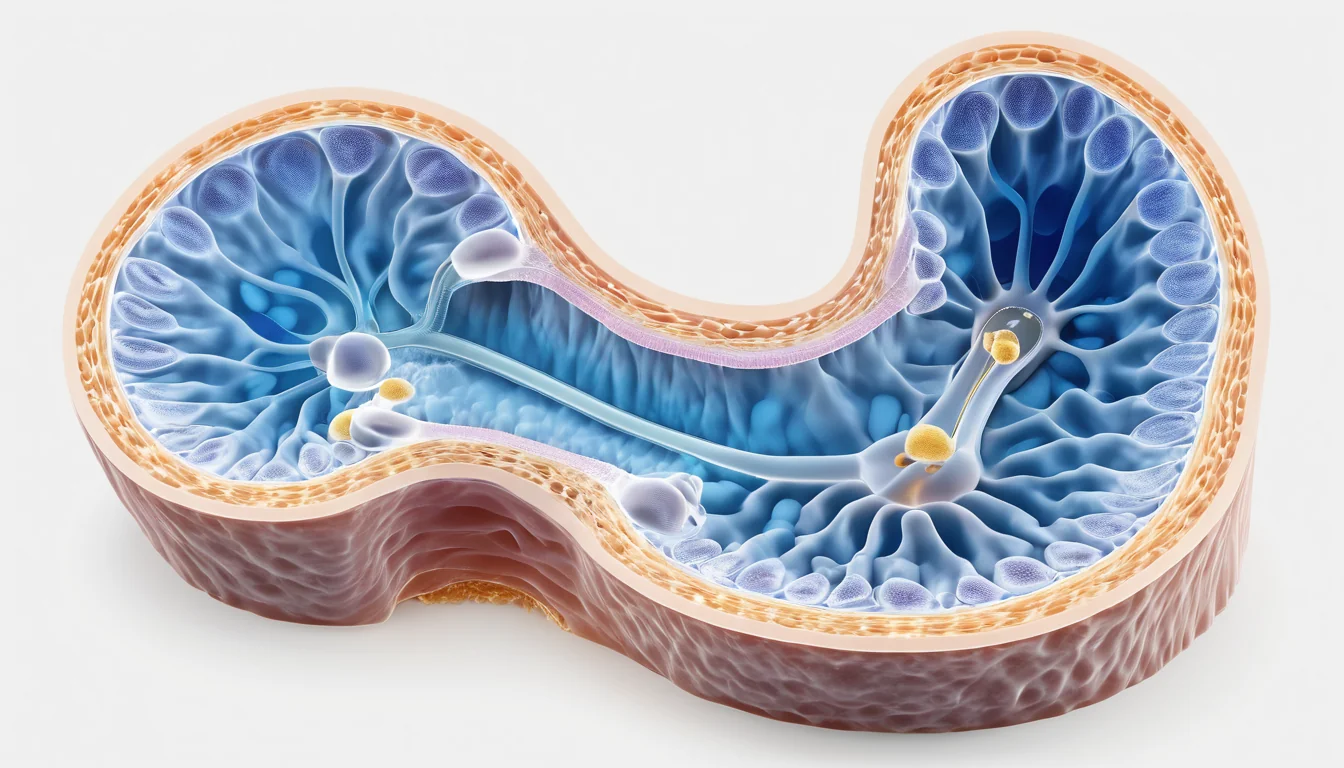
This backup causes the inner part of the kidney — called the renal pelvis — to swell. The small collecting tubes inside the kidney, called calyces, also widen under that pressure. In more advanced cases, the kidney tissue itself can thin out and stop working properly.
Hydronephrosis can affect one kidney or both. When the blockage happens at or below the bladder, both kidneys are usually affected. According to Mayo Clinic, this condition can develop quickly or slowly depending on the cause.
Common Causes of Hydronephrosis
Many different things can block urine flow and lead to hydronephrosis. Some causes are present from birth, while others develop over time.
The most common causes include:
- Kidney stones: Hard mineral deposits that form in the kidney and can get stuck in the ureter
- Congenital blockages: Narrowing at the spot where the renal pelvis meets the ureter, present from birth
- Tumours: Growths pressing on the ureter or bladder from outside
- Enlarged prostate: In men, a large prostate can block urine from leaving the bladder
- Ureter kinking: A bend or twist in the ureter that stops urine from flowing freely
- Infections: Tuberculosis or other infections that cause scarring inside the urinary tract
- Bladder outlet obstruction: A blockage at the base of the bladder that affects both ureters
Kidney stones are the leading cause of hydronephrosis in Canada. Even a small stone can cause significant damage depending on where it lodges and how long it stays there.
How Kidney Stones Cause a Blockage
A kidney stone can be complete or partial in the way it blocks urine flow. A complete blockage stops urine entirely, while a partial blockage still allows some urine to pass. Both types raise pressure inside the urinary tract above the stone.
This raised pressure is what drives the swelling and eventual damage to the kidney. The longer the blockage stays in place, the greater the risk of permanent kidney injury.
How Hydronephrosis Affects the Kidney
When urine cannot drain properly, pressure builds up in the renal pelvis and calyces. Over time, this pressure damages the tiny filtering units inside the kidney called nephrons.
As nephrons are destroyed, the kidney loses its ability to filter waste from the blood. The kidney tissue becomes thin and may scar. In severe or long-standing cases, the kidney can lose most of its function.
Furthermore, the high pressure can cause urine to leak into the tissue surrounding the kidney. This can trigger inflammation around the kidney and ureter, leading to scarring that may affect urinary function even after the blockage is removed.
For more on how kidneys work and what affects them, visit Health Canada’s kidney health resources.
Signs and Symptoms of Hydronephrosis
The symptoms of hydronephrosis depend on how quickly the blockage develops, how complete it is, and whether an infection is also present. Some people have very noticeable symptoms, while others may have none at all.
Pain
Pain is one of the most common signs of hydronephrosis. When a kidney stone causes a sudden, complete blockage, the result is a renal colic — a sharp, cramping pain in the side or back that can be severe. The pain often comes in waves and may spread to the groin or lower abdomen.
However, when a blockage develops slowly and only partially blocks urine flow, the pain may be a dull ache rather than sharp cramping. This duller pain is called nephralgia and is typical with stones lodged in the calyces.
Other Common Symptoms
Beyond pain, hydronephrosis can also cause:
- Nausea and vomiting
- Frequent urge to urinate
- Burning sensation when urinating
- Cloudy or foul-smelling urine (a sign of infection)
- Fever and chills (if infection is present)
- Swelling or a lump in the abdomen in severe cases
- Decreased urine output
In newborns and infants, hydronephrosis is sometimes found on a prenatal ultrasound before any symptoms appear. In these cases, the condition is monitored closely after birth.
When Symptoms Are Silent
Some forms of hydronephrosis cause little to no pain, especially when the blockage develops slowly. As a result, the condition may go unnoticed until a routine test or imaging scan picks it up. This is why regular check-ups with your family doctor matter, especially if you have a history of kidney stones.
How Is Hydronephrosis Diagnosed?
Your doctor will start with a physical exam and ask about your symptoms and medical history. From there, they will order tests to confirm the diagnosis and find the cause of the blockage.
Common diagnostic tests include:
- Ultrasound: The first test used in most cases. It shows swelling in the kidney without any radiation.
- CT scan: Provides detailed images of the kidney, ureter, and bladder. Very effective at spotting kidney stones.
- MRI: Used when more detail is needed or when avoiding radiation is a priority.
- Urine tests: Check for infection, blood, or signs of kidney stress.
- Blood tests: Measure how well the kidneys are filtering waste (creatinine and eGFR levels).
In Canada, these tests are typically covered under provincial health plans. Your family doctor can refer you for imaging and lab work, or you can visit a walk-in clinic if your symptoms come on suddenly.
Treatment Options for Hydronephrosis
Treatment depends on the cause, how severe the blockage is, and whether the kidney is already damaged. The main goal is to relieve the obstruction and protect kidney function.
Treating the Underlying Cause
If a kidney stone is causing the blockage, treatment may include drinking extra fluids, pain medication, or procedures to remove or break up the stone. Smaller stones often pass on their own. Larger stones may need shock wave therapy, a scope procedure, or surgery.
If a tumour or enlarged prostate is pressing on the ureter, treatment will focus on addressing that condition directly. Your family doctor will refer you to the appropriate specialist, such as a urologist or oncologist.
Surgical Options
In some cases, surgery is needed to fix the problem permanently. A procedure called pyeloplasty reshapes the junction between the renal pelvis and the ureter to restore normal urine flow. This procedure prevents further kidney damage from ongoing pressure.
In emergency situations where the kidney is severely blocked, a temporary drain called a nephrostomy tube or a ureteral stent may be placed to relieve pressure right away while a longer-term plan is developed.
For a detailed overview of urinary tract conditions, Healthline’s urology section offers helpful, evidence-based information.
When to See a Doctor
You should contact your family doctor if you notice any persistent back or side pain, blood in your urine, or changes in how often you urinate. These can all be early signs of hydronephrosis or another urinary tract problem.
Go to a walk-in clinic or emergency department right away if you experience:
- Severe, sudden pain in your side or back
- High fever with chills and pain when urinating
- Significantly reduced urine output
- Nausea and vomiting alongside back or flank pain
If hydronephrosis is caught early, treatment is usually very effective. However, delays in care can lead to permanent kidney damage. Do not wait to seek help if something feels wrong.
As always, speak with your doctor or a qualified healthcare provider before making any decisions about your health. This article is for general information only and does not replace professional medical advice.
What is hydronephrosis and is it serious?
Hydronephrosis is a condition where urine backs up and causes the kidney to swell due to a blockage in the urinary tract. It can be serious if not treated, as ongoing pressure from blocked urine can permanently damage kidney tissue. Early diagnosis and treatment usually lead to a good outcome.
What are the most common causes of hydronephrosis?
Kidney stones are the most common cause of hydronephrosis, but the condition can also result from congenital blockages, tumours, an enlarged prostate, or scarring from infections. The location and size of the blockage determine how quickly symptoms appear and how severe they become.
Can hydronephrosis go away on its own?
In some cases, hydronephrosis caused by a small kidney stone may resolve on its own once the stone passes. However, most causes of hydronephrosis require medical treatment to prevent lasting kidney damage. Always consult your family doctor if you suspect you have this condition.
What does hydronephrosis feel like?
Hydronephrosis often causes pain in the side, back, or flank area that can range from a dull ache to sharp, severe cramping known as renal colic. Some people also experience nausea, fever, or changes in urination. In mild or slowly developing cases, there may be no noticeable symptoms at all.
How is hydronephrosis treated in Canada?
Treatment for hydronephrosis in Canada depends on the underlying cause and is typically covered under provincial health plans. Options range from watchful waiting and medication to procedures that remove kidney stones or surgery to correct a blockage. Your family doctor can refer you to a urologist for specialist care.
Is hydronephrosis the same as a kidney stone?
According to Mayo Clinic’s overview of hydronephrosis, this information is supported by current medical research.
For more information, read our guide on warning signs of kidney disease in Canada.
No, hydronephrosis and kidney stones are not the same thing, though kidney stones are a leading cause of hydronephrosis. A kidney stone is a hard mineral deposit, while hydronephrosis refers to the swelling and pressure that builds up in the kidney when urine cannot drain properly. One can lead to the other if a stone blocks the urinary tract.
Key Takeaways
- Hydronephrosis means the kidney is swollen due to a blocked urine flow.
- Kidney stones are the most common cause in Canada.
- Symptoms include flank pain, changes in urination, fever, and nausea — but some cases cause no symptoms at all.
- Left untreated, hydronephrosis can permanently damage kidney function.
- Diagnosis usually involves ultrasound, CT scan, and blood or urine tests — all covered under most provincial health plans.
- Treatment depends on the cause and may include stone removal, medication, or surgery such as pyeloplasty.
- See your family doctor promptly if you have ongoing back or side pain, or visit a walk-in clinic if symptoms are sudden or severe.
Frequently Asked Questions
What is hydronephrosis?
Hydronephrosis is a condition where one or both kidneys become swollen due to a buildup of urine caused by a blockage or obstruction in the urinary tract. It can affect people of any age, including unborn babies, and ranges from mild to severe depending on the underlying cause and duration.
What are the symptoms of hydronephrosis?
Common symptoms include pain in the side, back, or groin, frequent or painful urination, nausea, vomiting, and fever if infection is present. Some people experience no symptoms at all, particularly with mild cases, which are often discovered incidentally during imaging tests for another condition.
How is hydronephrosis treated in Canada?
Treatment depends on the underlying cause and severity. Options include placing a ureteral stent or nephrostomy tube to drain urine, treating infections with antibiotics, or surgery to remove blockages such as kidney stones or tumours. Mild cases may only require monitoring by a urologist or nephrologist.
When should you see a doctor for hydronephrosis?
Seek immediate medical attention if you experience severe flank or back pain, high fever, chills, blood in your urine, or an inability to urinate. These symptoms may indicate a serious blockage or kidney infection requiring urgent treatment to prevent permanent kidney damage.
Can hydronephrosis be prevented?
Not all cases can be prevented, but reducing risk factors helps. Staying well hydrated, treating urinary tract infections promptly, managing kidney stones early, and attending regular medical checkups can lower your risk. Pregnant women should monitor kidney health, as hydronephrosis is relatively common during pregnancy.

About the Author
Dr. James Okafor, MD, PhDDr. James Okafor holds an MD and PhD in Neurological Sciences from McGill University. With 12 years of experience in clinical neurology and mental health research, he has contributed to landmark studies on depression, anxiety, and cognitive health. Dr. Okafor is a Fellow of the Royal College of Physicians and Surgeons of Canada and serves on the editorial board of two peer-reviewed journals.
View all articles →