Acute Glomerulonephritis: Causes, Symptoms & Treatment

Share
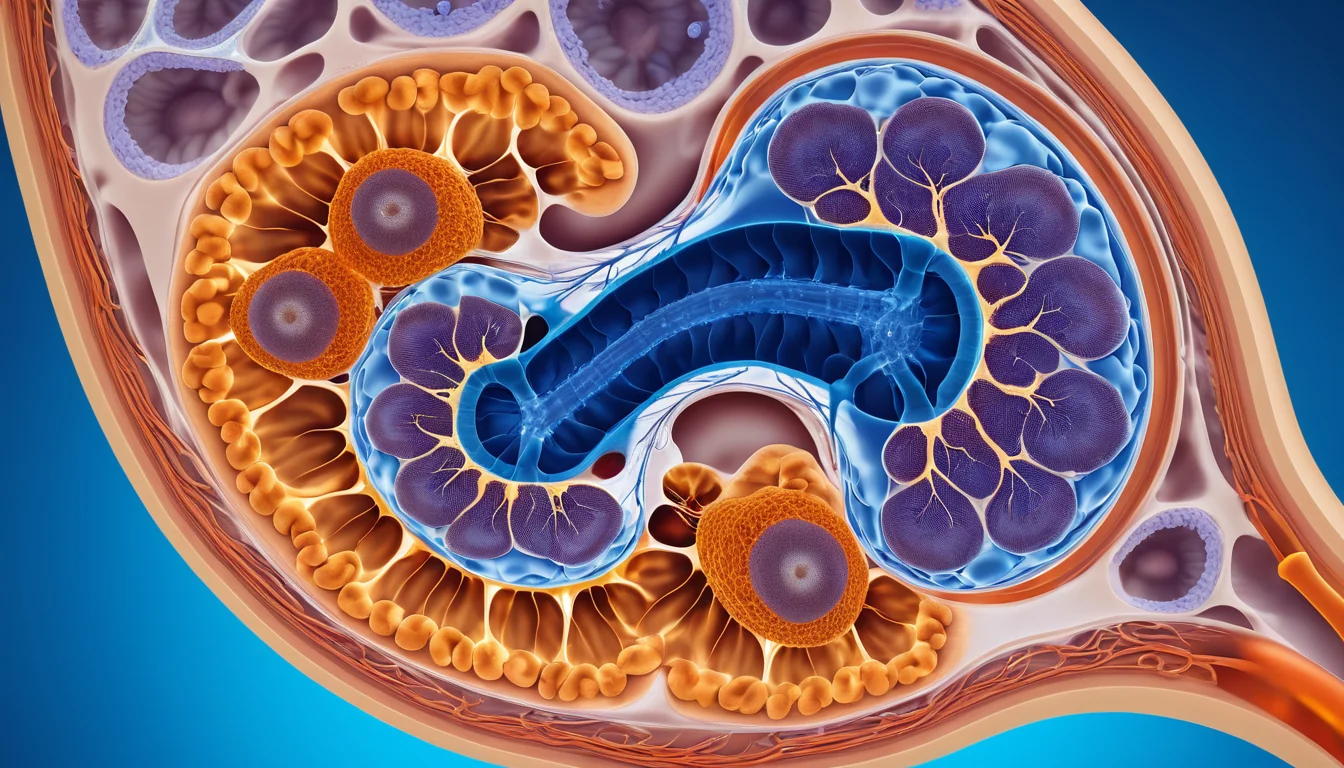
Acute glomerulonephritis is a serious kidney condition in which the tiny filtering units inside your kidneys — called glomeruli — become rapidly inflamed, impairing their ability to clean waste from your blood. This condition can develop at any age but is most commonly seen in Canadian children between six and ten years old, often following a bacterial or viral infection.
What Causes Acute Glomerulonephritis in Canadian Patients?
Understanding the kidney inflammation causes behind this disease is essential for early detection and timely treatment. In Canada, where access to primary care and nephrology specialists varies by province, knowing the warning signs of glomerulonephritis symptoms can help you seek medical attention faster and protect your long-term kidney health.
What Is Acute Glomerulonephritis?
| Symptom | Description | Severity | When to Seek Care |
|---|---|---|---|
| Hematuria (Blood in Urine) | Urine appears tea-coloured, brown, or pink due to red blood cells leaking through damaged glomeruli | Moderate to Severe | Seek care promptly — visit your family doctor or walk-in clinic within 24–48 hours |
| Edema (Swelling) | Fluid retention causing puffiness around the eyes, face, ankles, and legs due to reduced kidney filtration | Mild to Severe | See a doctor if swelling is sudden, worsening, or accompanied by difficulty breathing |
| Hypertension (High Blood Pressure) | Elevated blood pressure resulting from fluid retention and impaired kidney regulation of blood pressure hormones | Moderate to Severe | Go to an emergency department if readings exceed 180/120 mmHg or cause headache or vision changes |
| Proteinuria (Protein in Urine) | Foamy or frothy urine caused by excess protein escaping through damaged glomerular membranes | Mild to Moderate | Schedule a doctor’s appointment within a few days for urine and blood tests |
| Oliguria (Reduced Urine Output) | Significantly decreased urine production due to severely impaired kidney filtration capacity | Severe | Seek emergency care immediately — this may indicate acute kidney injury requiring urgent treatment |
| Fatigue and Malaise | Persistent tiredness and general feeling of illness caused by toxin buildup and systemic inflammation | Mild to Moderate | See a doctor if fatigue is persistent and accompanied by other urinary or swelling symptoms |
Your kidneys contain millions of tiny filters called glomeruli. Their job is to remove waste and extra fluid from your blood. When these filters become inflamed, they stop working properly. This is what happens in acute glomerulonephritis.
The inflammation is usually triggered by your immune system reacting to an infection or another disease. Instead of targeting just the infection, your immune system accidentally attacks kidney tissue. As a result, the glomeruli swell, scar, and lose their ability to filter blood effectively.
Acute glomerulonephritis is one of the leading causes of chronic kidney failure worldwide, accounting for about 25% of cases. In children, the condition can have a mortality rate of up to 7% in severe cases. However, most patients — especially children — recover well with proper treatment. Learn more about how the kidneys work at Health Canada’s kidney health resources.
Common Causes of Acute Glomerulonephritis
There are three main groups of causes: post-infectious, systemic diseases, and primary kidney diseases. Each one triggers the immune system in a different way.
Post-Infectious Causes
The most well-known cause is a streptococcal infection — the same bacteria behind strep throat and some skin infections. This is called post-streptococcal glomerulonephritis. It is the most studied form because doctors can clearly identify what triggers the immune reaction.
However, many other infections can also lead to acute glomerulonephritis. These include:
- Bacterial infections: staphylococci, mycobacteria, salmonella, and syphilis (Treponema pallidum)
- Viral infections: hepatitis B, Epstein-Barr virus, cytomegalovirus, and Coxsackie virus
- Parasitic infections: malaria (Plasmodium falciparum or malariae), Schistosoma, and Toxoplasma
- Infections in organs, such as pneumonia, abscesses, or endocarditis (heart valve infection)
Systemic Disease Causes
Some body-wide diseases can also inflame the glomeruli. These conditions affect multiple organs, including the kidneys. Common examples include:
- Lupus (Systemic Lupus Erythematosus): an autoimmune disease that attacks joints, skin, and organs
- Granulomatosis with polyangiitis (formerly Wegener’s granulomatosis): a rare blood vessel disease
- Henoch-Schönlein purpura: a condition causing small blood vessel inflammation, more common in children
- Goodpasture syndrome: a rare autoimmune disease targeting the kidneys and lungs
- Cryoglobulinemia and polyarteritis nodosa: other forms of blood vessel inflammation
In addition, certain medications — including penicillin and gold compounds — have been linked to glomerulonephritis in some patients.
Primary Kidney Disease Causes
Sometimes the problem starts directly within the kidneys themselves. The most common example worldwide is IgA nephropathy, also known as Berger’s disease. In this condition, the immune protein IgA builds up in the glomeruli, causing ongoing inflammation. Other primary causes include membranoproliferative glomerulonephritis and mesangial proliferative glomerulonephritis.
How Acute Glomerulonephritis Affects the Kidneys
When immune complexes — clumps of antibodies and antigens — deposit inside the glomeruli, they trigger a chain reaction. The kidney tissue becomes swollen and filled with inflammatory cells. Under a microscope, doctors can see immune proteins and complement fragments building up inside the filters.
This leads to four key types of damage:
- Cell proliferation: Too many cells grow inside the glomerulus, crowding and thickening the filter walls
- White blood cell buildup: Immune cells flood the area, making inflammation worse
- Thickening of the basement membrane: The walls of the tiny capillaries inside the glomerulus become thick and stiff
- Scarring (sclerosis and hyalinisation): These are permanent, irreversible changes to the kidney tissue
As a result of these changes, the kidneys begin to leak protein and blood into the urine, produce less urine overall, and struggle to control blood pressure. For a deeper look at kidney disease progression, visit the Mayo Clinic’s guide to glomerulonephritis.
Symptoms of Acute Glomerulonephritis
Acute glomerulonephritis tends to come on suddenly, sometimes when a person seems otherwise healthy. The typical patient is a boy between 2 and 14 years old who develops puffy eyes and face following a strep infection. However, adults can be affected too.
Some symptoms are general and easy to miss. These include fatigue, body aches, abdominal pain, fever, and a general feeling of being unwell. However, other signs point more directly to a kidney problem.
Key Kidney-Related Symptoms
- Blood in the urine (haematuria): This affects all patients with acute glomerulonephritis. About 30% notice visibly red or brown urine. The rest have blood found only through urine tests.
- Low urine output (oliguria): The damaged kidneys produce much less urine than normal.
- Swelling (oedema): Puffiness around the eyes and face appears in about 85% of patients, especially children. Swelling in the legs and feet is also common.
- High blood pressure (hypertension): This is very common and can cause headaches, confusion, or disorientation in severe cases.
- Shortness of breath: This appears more often in adults and is caused by fluid building up in the lungs (pulmonary oedema).
- Flank pain: A dull ache on either side of the lower back can occur when the kidney capsule is stretched due to swelling.
Symptoms Linked to Underlying Conditions
When acute glomerulonephritis is caused by a systemic disease, you may notice other symptoms related to that condition. For example:
- Granulomatosis with polyangiitis: sinusitis, lung infiltrates, and kidney inflammation (the classic triad)
- Henoch-Schönlein purpura: nausea, vomiting, abdominal pain, and a purple skin rash (purpura)
- Lupus: joint pain, skin rashes, and fatigue alongside kidney symptoms
- Goodpasture syndrome: coughing up blood (haemoptysis) along with kidney problems
Who Is Most at Risk?
Acute glomerulonephritis can affect people of all ages. However, the post-infectious form — especially the post-streptococcal type — is far more common in children. The highest-risk group is children aged 6 to 10 years old.
Only about 10% of acute glomerulonephritis cases are diagnosed in adults over age 40. Furthermore, in adults, the condition tends to be more severe and less likely to resolve completely on its own. Adults are also more likely to develop complications such as pulmonary oedema and persistent high blood pressure.
People with weakened immune systems, those with a history of frequent strep infections, or those living with autoimmune conditions face a higher overall risk. According to the World Health Organization’s kidney disease fact sheet, kidney diseases affect hundreds of millions of people globally, making early detection critical.
When to See a Doctor
Do not wait if you notice blood in your urine, sudden swelling around your eyes or ankles, or a sharp drop in how much urine you are producing. These are warning signs that need medical attention right away.
If your symptoms come on gradually or seem mild, start by booking an appointment with your family doctor. Your family doctor can order a urine test and blood work to check how well your kidneys are functioning. Most provincial health plans in Canada cover these tests under your health card.
If you do not have a family doctor or cannot get an appointment quickly, visit a walk-in clinic. Walk-in clinics can run initial tests and refer you to a nephrologist (kidney specialist) if needed.
Go to your nearest emergency department immediately if you experience severe shortness of breath, confusion, or very high blood pressure alongside any of the kidney symptoms listed above. These can be signs of a serious complication requiring urgent care.
Always speak with a qualified healthcare provider before drawing any conclusions about your health. Only a doctor can properly diagnose and treat acute glomerulonephritis.
Frequently Asked Questions About Acute Glomerulonephritis
What is acute glomerulonephritis and how serious is it?
Acute glomerulonephritis is a kidney condition where the tiny filters inside your kidneys become inflamed, reducing their ability to clean your blood. It can be serious — in children, it carries a mortality rate of up to 7% in severe cases, and it is a major cause of chronic kidney failure. However, most children and many adults recover well with early treatment.
What are the first signs of acute glomerulonephritis?
The first signs of acute glomerulonephritis often include blood in the urine (which may look red, brown, or cola-coloured), puffy eyes or swollen face, and producing less urine than usual. High blood pressure and general fatigue are also common early signs. If you notice any of these symptoms, contact your family doctor or a walk-in clinic promptly.
Can a strep throat infection cause acute glomerulonephritis?
Yes — post-streptococcal glomerulonephritis is one of the most well-known forms of acute glomerulonephritis. It occurs when the immune system overreacts to a strep throat or skin infection and accidentally damages the kidney filters. Symptoms usually appear 1 to 3 weeks after the initial strep infection.
Is acute glomerulonephritis curable?
In many cases, especially in children with post-streptococcal acute glomerulonephritis, the condition does improve significantly with treatment. However, if scarring of the kidney tissue has occurred, those changes are permanent and can lead to long-term kidney problems. Early diagnosis and treatment give patients the best chance of a full recovery.
How is acute glomerulonephritis diagnosed in Canada?
In Canada, your family doctor will typically start with a urine test to look for blood and protein, along with blood tests to measure kidney function. These tests are covered under most provincial health plans. If results are concerning, you will likely be referred to a nephrologist for further tests, which may include a kidney biopsy.
What is the difference between acute and chronic glomerulonephritis?
According to Mayo Clinic’s overview of glomerulonephritis, this information is supported by current medical research.
For more information, read our guide on early warning signs of kidney disease in Canada.
Acute glomerulonephritis comes on suddenly and is often triggered by an infection or immune reaction. Chronic glomerulonephritis develops slowly over months or years, sometimes without obvious symptoms, and is more likely to cause permanent kidney damage. Both forms can lead to chronic kidney disease if not managed properly.
Key Takeaways
- Acute glomerulonephritis is a sudden inflammation of the kidney’s filtering units (glomeruli), often triggered by infections or immune system disorders.
- The most common trigger worldwide is a streptococcal infection, particularly in children aged 6 to 10.
- Main symptoms include blood in the urine, swelling around the eyes and ankles, reduced urine output, and high blood pressure.
- Acute glomerulonephritis is a leading cause of chronic kidney failure, responsible for about 25% of cases.
- Most children recover well with treatment. Adults tend to have more severe outcomes.
- In Canada, your family doctor or walk-in clinic can order the initial tests needed. Provincial health plans cover routine urine and blood work.
- Always consult a healthcare provider if you notice any signs of kidney trouble. Early action protects your long-term kidney health.
Frequently Asked Questions
What is acute glomerulonephritis?
Acute glomerulonephritis is sudden inflammation of the glomeruli, the tiny filtering units inside your kidneys. This inflammation impairs the kidneys’ ability to filter waste, excess fluid, and electrolytes from your blood. It can follow infections like strep throat and may lead to serious complications if left untreated.
What are the symptoms of acute glomerulonephritis?
Common symptoms include blood in the urine (causing pink or cola-coloured urine), foamy urine from excess protein, swelling in the face, hands, and ankles, high blood pressure, fatigue, and reduced urination. Symptoms often appear one to three weeks after a bacterial or viral infection.
How is acute glomerulonephritis treated in Canada?
Treatment focuses on managing the underlying cause and protecting kidney function. Doctors may prescribe antibiotics for bacterial infections, blood pressure medications, diuretics to reduce fluid retention, and immunosuppressants for immune-related causes. Severe cases may require hospitalization and temporary dialysis at a Canadian hospital or nephrology clinic.
Can acute glomerulonephritis be prevented?
While not always preventable, your risk can be reduced by promptly treating strep throat and other bacterial infections with antibiotics, practising good hand hygiene, managing chronic conditions like diabetes and high blood pressure, and avoiding NSAIDs or other medications that may strain kidney function.
When should you see a doctor for acute glomerulonephritis?
See a doctor immediately if you notice blood in your urine, sudden unexplained swelling, significantly reduced urination, or a rapid rise in blood pressure, especially after a recent throat or skin infection. Early diagnosis and treatment are critical to preventing permanent kidney damage or chronic kidney disease.

About the Author
Dr. Linda Chen, RD, PhDDr. Linda Chen is a registered dietitian and PhD in Nutritional Sciences from the University of British Columbia. With expertise in clinical nutrition, sports dietetics, and gut health, she has worked with leading Canadian hospitals and sports organizations. Dr. Chen is a member of Dietitians of Canada and regularly contributes to national nutrition policy discussions.
View all articles →