Diabetes Insipidus: Causes, Symptoms & Treatment Canada

Share
Diabetes insipidus is a rare but manageable condition that causes extreme thirst and the production of very large amounts of diluted urine. Despite sharing part of its name with type 1 and type 2 diabetes, this disorder is entirely different and involves how your body regulates water rather than blood sugar. For Canadians who notice sudden, unexplained changes in thirst or urination patterns, understanding this condition is an important first step toward getting the right diagnosis.
What Causes Diabetes Insipidus and Who Is at Risk?
The condition typically develops when the body has trouble producing or responding to antidiuretic hormone (ADH), also known as vasopressin. This hormone plays a critical role in telling the kidneys how much water to retain. When that signaling breaks down, the result is excessive thirst and urination that can significantly affect daily life. The good news is that effective diabetes insipidus treatment options are available across Canada, and most people with the condition go on to live healthy, normal lives with proper care from their family doctor or specialist.
What Is Diabetes Insipidus?
| Type | Cause | Key Characteristics | Management Approach |
|---|---|---|---|
| Central Diabetes Insipidus | Damage or dysfunction of the hypothalamus or pituitary gland, reducing ADH production | Most common form; large volumes of dilute urine (up to 20L/day); often caused by head injury, tumour, or surgery | Desmopressin (DDAVP) nasal spray, tablets, or injection; treating underlying cause |
| Nephrogenic Diabetes Insipidus | Kidneys fail to respond to ADH despite normal hormone levels | Can be inherited or acquired; associated with lithium use, kidney disease, or electrolyte imbalances | Low-sodium, low-protein diet; thiazide diuretics; NSAIDs; discontinuing causative medications |
| Dipsogenic Diabetes Insipidus | Damage to the thirst mechanism in the hypothalamus, causing excessive fluid intake | Excessive water drinking suppresses ADH; often linked to mental health conditions or hypothalamic injury | Limiting fluid intake; treating underlying psychiatric or neurological condition; no specific medication approved |
| Gestational Diabetes Insipidus | Placental enzyme destroys ADH during pregnancy | Rare; occurs only during pregnancy; typically resolves within weeks after delivery | Desmopressin is safe during pregnancy; condition usually self-resolving postpartum |
Diabetes insipidus is a condition where the body cannot properly regulate its fluid levels. The result is intense, constant thirst (called polydipsia) and the production of very large amounts of diluted urine (called polyuria).
In most cases, this happens because of a problem with a key hormone called antidiuretic hormone (ADH), also known as vasopressin. However, sometimes the kidneys are simply unable to respond to that hormone. Either way, the body loses its ability to hold onto enough water to function properly.
The good news is that effective treatments exist. With the right care, most people with diabetes insipidus can manage their thirst and urine output and live a normal, healthy life.
Symptoms of Diabetes Insipidus
The two most common symptoms of diabetes insipidus are extreme thirst and the production of very large amounts of pale, diluted urine. These symptoms can appear suddenly and feel overwhelming.
A healthy adult typically produces between 1.5 and 2.5 litres of urine per day. In mild cases of diabetes insipidus, a person may produce up to 2.5 litres daily. In severe cases, that number can climb as high as 15 litres per day. This level of fluid loss puts serious strain on the body.
Other symptoms in adults may include:
- Needing to urinate frequently during the night
- Bedwetting (also called nocturnal enuresis)
- Fatigue caused by poor sleep due to frequent nighttime urination
Symptoms in Infants and Children
Diabetes insipidus in children can look different and may be harder to spot. Parents and caregivers should watch for these signs:
- Unexplained restlessness or excessive crying
- Unusually heavy or wet diapers
- Fever, vomiting, or diarrhoea
- Dry skin with cold hands or feet
- Slow growth or poor weight gain
- Unexplained weight loss
If your child shows several of these signs, speak with your family doctor as soon as possible. Early diagnosis makes treatment much more effective.
Causes of Diabetes Insipidus
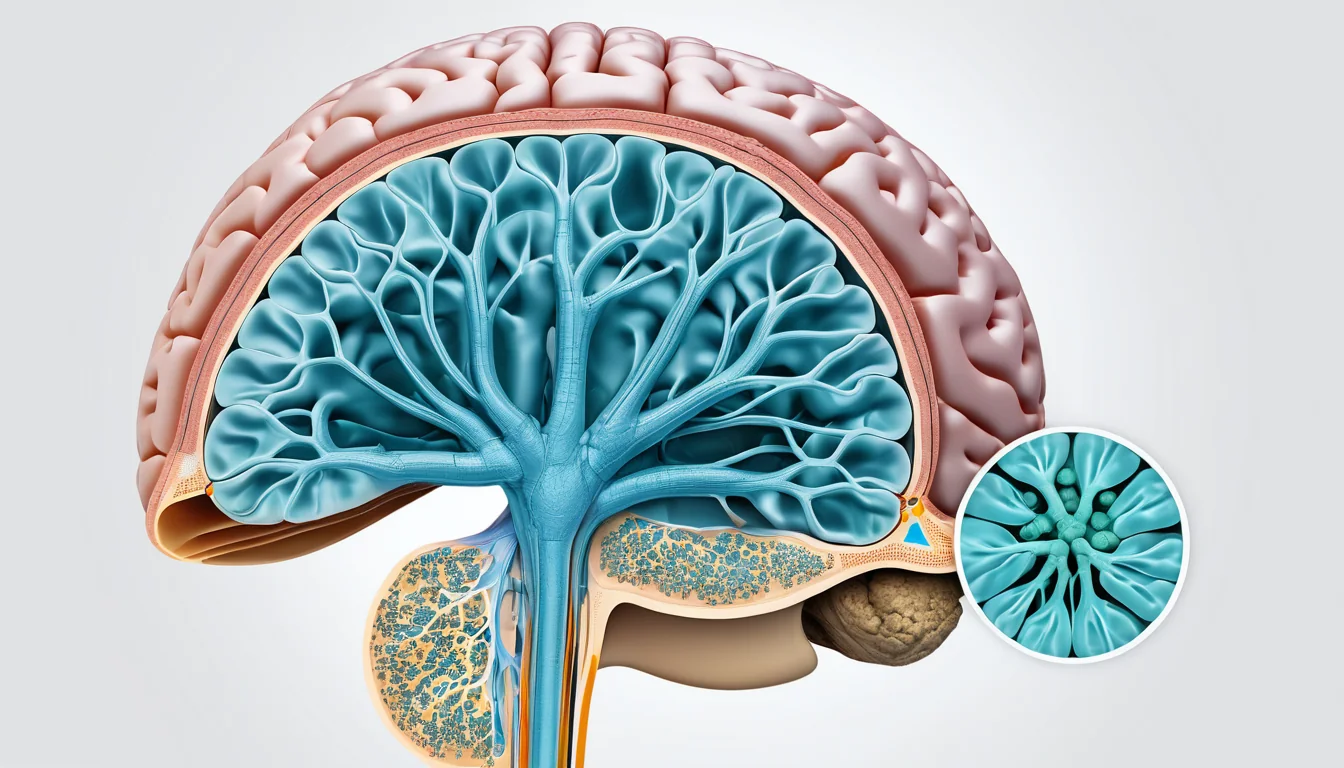
To understand the causes, it helps to know how the body normally manages fluids. The brain produces ADH in a region called the hypothalamus. The hormone is then stored in the pituitary gland, a small gland at the base of the brain. When the body needs to hold onto water, ADH is released into the bloodstream. It then signals the kidneys to reabsorb water instead of sending it to the bladder as urine.
When this system breaks down, diabetes insipidus develops. The exact cause depends on which type is present. There are three main types.
Central Diabetes Insipidus
This is the most common type. It occurs when the pituitary gland or hypothalamus is damaged. As a result, the body cannot produce, store, or release enough ADH.
Common causes include:
- Brain surgery
- Head injury or trauma
- Brain tumours
- Infections such as meningitis
- Inflammation of brain tissue
In some cases, no clear cause is found. Doctors call this idiopathic central diabetes insipidus.
Nephrogenic Diabetes Insipidus
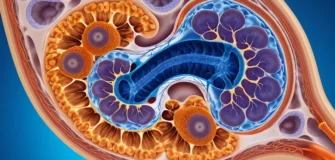
This type occurs when the kidneys cannot properly respond to ADH, even when the hormone is present in normal amounts. The problem lies in the tiny tubes inside the kidneys, called renal tubules, which normally reabsorb water back into the bloodstream.
Possible causes include:
- An inherited (genetic) condition, especially in males
- Chronic kidney disease
- Certain medications, such as lithium or tetracycline
Nephrogenic diabetes insipidus that is present from birth usually has a genetic cause. It most often affects males, although females can carry and pass on the gene to their children.
Gestational Diabetes Insipidus
This rare form of diabetes insipidus occurs only during pregnancy. Enzymes produced by the placenta break down the mother’s ADH faster than the body can replace it. As a result, the kidneys cannot regulate urine production normally.
Gestational diabetes insipidus is temporary. It typically resolves on its own after the baby is born. However, it still requires monitoring and sometimes treatment during pregnancy. It is completely different from gestational diabetes, which involves blood sugar levels.
In approximately 30% of all diabetes insipidus cases, doctors are unable to identify a specific cause.
Risk Factors and Complications
Certain people face a higher risk of developing diabetes insipidus. For example, anyone who has had brain surgery, a serious head injury, or a brain infection is at increased risk of the central type. Men with a family history of kidney problems may be at higher risk of the nephrogenic type.
Furthermore, if diabetes insipidus goes untreated, it can lead to dehydration. Dehydration happens when the body loses more water than it takes in. This is a serious condition that requires prompt attention.
Signs of Dehydration
Dehydration caused by diabetes insipidus may cause the following symptoms:
- Dry mouth
- Muscle weakness
- Low blood pressure (hypotension)
- Sunken eyes
- Fever or headache
- Rapid heart rate
- Unexplained weight loss
Electrolyte Imbalance
In addition to dehydration, diabetes insipidus can cause an electrolyte imbalance. Electrolytes are minerals in your blood, such as sodium, potassium, and calcium. They help keep fluids in balance throughout your body.
When electrolytes are out of balance, you may experience headaches, fatigue, irritability, and muscle aches. In severe cases, an electrolyte imbalance can become a medical emergency. Therefore, it is important not to ignore persistent symptoms.
For more information on how the kidneys regulate fluids, visit the Health Canada official health resource centre.
When to See a Doctor
You should contact your family doctor right away if you notice extreme, ongoing thirst and are passing unusually large amounts of urine. These are the two hallmark signs of diabetes insipidus, and they warrant a prompt medical assessment.
If you do not have a family doctor, most Canadian provinces and territories have walk-in clinics that can provide an initial evaluation and referral. Many provinces also offer health line services staffed by registered nurses, such as Health811 in Ontario or 811 in British Columbia and Alberta.
If you or someone you care for experiences signs of severe dehydration — such as confusion, rapid heartbeat, or extreme weakness — go to your nearest emergency department immediately.
When you see your doctor, they will likely ask you several questions to better understand your symptoms. Be prepared to discuss:
- When your symptoms first appeared
- How often you urinate and how much urine you pass
- How much water you drink each day
- Any recent head injuries or brain surgeries
- Any current medications you are taking
- Whether you are pregnant or could be pregnant
- Any other health conditions you have been diagnosed with
Your doctor may order blood and urine tests to measure your body’s fluid balance and hormone levels. They may also refer you to a specialist, such as an endocrinologist or nephrologist. Most provincial health plans cover these referrals and tests. Always confirm coverage with your provincial health authority.
For a deeper look at how this condition is diagnosed and managed, the Mayo Clinic’s overview of diabetes insipidus is a reliable resource.
Treatment Options for Diabetes Insipidus
Treatment for diabetes insipidus depends on the type and the underlying cause. The main goal is to reduce thirst and bring urine output back to a normal range.
For central diabetes insipidus, doctors often prescribe a synthetic version of ADH called desmopressin. This medication replaces the hormone that the body is not making enough of. It is available as a nasal spray, tablet, or injection.
For nephrogenic diabetes insipidus, the approach is different. If a medication is causing the problem, stopping that medication may help. Doctors may also recommend a low-sodium diet and certain types of diuretics to help the kidneys retain water more effectively.
Gestational diabetes insipidus is usually treated with desmopressin and monitored throughout pregnancy. As mentioned, it typically resolves after delivery.
In all cases, staying well hydrated is important. Your care team will guide you on how much fluid to drink based on your specific situation. Never adjust your fluid intake or medications without speaking to your doctor first.
The Healthline guide to diabetes insipidus treatment offers additional information on how this condition is managed.
Frequently Asked Questions
Is diabetes insipidus the same as type 2 diabetes?
No, diabetes insipidus is completely different from type 1 or type 2 diabetes. Type 1 and type 2 diabetes involve problems with blood sugar regulation and the hormone insulin. Diabetes insipidus, however, involves the hormone ADH and the body’s ability to regulate water and urine output.
What are the main symptoms of diabetes insipidus?
The two most common symptoms of diabetes insipidus are extreme, constant thirst and the production of very large amounts of diluted urine. In severe cases, a person may produce up to 15 litres of urine per day. Other symptoms can include fatigue, bedwetting, and signs of dehydration.
Can diabetes insipidus go away on its own?
Gestational diabetes insipidus, which develops during pregnancy, often resolves on its own after delivery. However, other types of diabetes insipidus typically require ongoing treatment to manage symptoms. Your family doctor or specialist will help determine the best long-term approach for your situation.
How is diabetes insipidus diagnosed?
Doctors diagnose diabetes insipidus through a combination of blood tests, urine tests, and a water deprivation test. These tests help measure how well the body regulates fluid and responds to ADH. Your family doctor may refer you to a specialist such as an endocrinologist for further testing.
Is diabetes insipidus a serious condition?
Diabetes insipidus can become serious if it leads to severe dehydration or an electrolyte imbalance, both of which can affect heart and brain function. However, with proper diagnosis and treatment, most people with diabetes insipidus manage the condition well and live healthy lives. It is important to seek medical care early if you notice symptoms.
Is treatment for diabetes insipidus covered by provincial health plans in Canada?
According to Mayo Clinic’s overview of diabetes insipidus, this information is supported by current medical research.
For more information, read our guide on warning signs of kidney disease in Canada.
In most Canadian provinces, doctor visits, specialist referrals, and diagnostic tests related to diabetes insipidus are covered under provincial health plans. Coverage for medications such as desmopressin may vary by province and by your specific drug plan. Check with your provincial health authority or a pharmacist to confirm what is covered in your area.
Key Takeaways
- Diabetes insipidus is not related to type 1 or type 2 diabetes. It is a separate condition involving the hormone ADH and fluid regulation.
- The main symptoms are extreme thirst and very large amounts of diluted urine.
- There are three main types: central, nephrogenic, and gestational.
- Untreated diabetes insipidus can lead to dehydration and electrolyte imbalances.
- Effective treatments are available and depend on the type and cause.
- If you notice persistent extreme thirst and high urine output, see your family doctor or visit a walk-in clinic promptly.
- Always speak with a qualified healthcare provider before making any changes to your treatment or fluid intake. This article is for informational purposes only and does not replace professional medical advice.
Frequently Asked Questions
What is diabetes insipidus?
Diabetes insipidus is a rare condition where the kidneys cannot properly regulate fluid balance, causing the body to produce abnormally large amounts of dilute urine. Unlike type 1 or type 2 diabetes, it has no relation to blood sugar. It results from problems with the hormone vasopressin, which controls water retention.
What are the main symptoms of diabetes insipidus?
The most common symptoms include extreme thirst (polydipsia) and passing large volumes of pale, watery urine, sometimes up to 20 litres daily. Other symptoms include waking frequently at night to urinate, dehydration, dry skin, fatigue, and in children, unexplained bed-wetting or poor growth if left untreated.
How is diabetes insipidus treated in Canada?
Treatment depends on the type. Central diabetes insipidus is typically managed with desmopressin (DDAVP), a synthetic hormone available as a nasal spray, tablet, or injection, covered under most provincial drug plans. Nephrogenic forms may require dietary changes, diuretics, or treating the underlying cause such as medication adjustment.
Can diabetes insipidus be prevented?
Most forms of diabetes insipidus cannot be prevented, as they often result from genetic conditions, head injuries, or brain tumours. However, staying well-hydrated and promptly treating infections or conditions that affect the kidneys or pituitary gland may reduce risk. Regular checkups help identify underlying causes early.
When should you see a doctor for diabetes insipidus symptoms?
See a doctor promptly if you experience sudden, persistent excessive thirst combined with unusually frequent or high-volume urination that disrupts daily life or sleep. Seek emergency care if you show signs of severe dehydration — including confusion, rapid heartbeat, or dry mouth — as this can become life-threatening quickly.

About the Author
Dr. Michael Ross, MD, FRCSCDr. Michael Ross is a fellowship-trained orthopedic surgeon at the University of Alberta Hospital, specializing in joint replacement and sports medicine. A Fellow of the Royal College of Surgeons of Canada (FRCSC), he has over 18 years of surgical experience and has authored multiple textbook chapters on musculoskeletal health. Dr. Ross is passionate about patient education and evidence-based medicine.
View all articles →