Protein in Urine: Causes, Symptoms & Treatment Canada

Share
Protein in urine, medically known as proteinuria, occurs when your kidneys allow protein to leak from your blood into your urine. Healthy kidneys normally filter waste while keeping essential proteins in your bloodstream. When consistently high levels of protein appear in your urine, it can be an early warning sign of kidney disease or other serious health conditions that require prompt medical attention.
What Causes Protein in Urine and Why It Matters
Understanding the proteinuria causes behind this condition is essential for Canadians who want to protect their long-term kidney health. Whether discovered through a routine urine protein test or triggered by symptoms like foamy urine, early detection gives you the best chance of effective treatment. This guide covers everything Canadian patients need to know about why protein ends up in urine, what symptoms to watch for, and how the Canadian healthcare system diagnoses and treats this condition.
What Is Protein in Urine (Proteinuria)?
| Risk Factor | How It Contributes to Protein in Urine | Level of Impact | Prevention & Management |
|---|---|---|---|
| Type 2 Diabetes | High blood sugar damages kidney filtering units (glomeruli), allowing protein to leak into urine | High — leading cause of chronic kidney disease in Canada | Regular HbA1c monitoring, blood sugar control, ACE inhibitors or ARBs as prescribed |
| High Blood Pressure (Hypertension) | Elevated pressure strains kidney vessels, impairing their ability to retain protein | High — affects approximately 1 in 4 Canadian adults | Target blood pressure below 130/80 mmHg; lifestyle changes and antihypertensive medications |
| Chronic Kidney Disease (CKD) | Progressive loss of kidney function reduces the organ’s ability to filter waste and retain protein | Very High — proteinuria accelerates CKD progression | Nephrology referral, low-sodium diet, kidney-protective medications, routine urine testing |
| Obesity | Excess body weight increases pressure on kidneys and promotes inflammation, contributing to protein leakage | Moderate — independently associated with proteinuria | Weight reduction of 5–10% significantly reduces kidney stress; dietary counselling and physical activity |
| Urinary Tract Infections (UTIs) | Bacterial infection causes inflammation in the urinary tract, temporarily increasing protein in urine | Low to Moderate — usually resolves with treatment | Antibiotic therapy as directed by a physician; follow-up urine test to confirm resolution |
| Preeclampsia (in Pregnancy) | Pregnancy-related high blood pressure damages kidney filtration, causing significant proteinuria | High — requires immediate medical attention for maternal and fetal safety | Regular prenatal monitoring, blood pressure management, possible early delivery if severe |
Protein plays many important roles in your body. It helps build muscle and bone, controls fluid levels in your blood, fights infection, and heals damaged tissue. Protein does all of this by travelling through your bloodstream.
When protein leaks out of your blood and into your urine, your body loses something it needs. Over time, this can affect your overall health. Proteinuria is also linked to a higher risk of heart disease, which makes it important to catch early.
According to Mayo Clinic, a small amount of protein in urine is normal. However, consistently high levels need medical attention.
How Common Is Protein in Urine?
Proteinuria is more common than most people think. Research suggests that about 6.7% of people have some level of protein in their urine. That means roughly 1 in 15 people may be affected.
Anyone can develop proteinuria. However, some people face a higher risk. You may be more likely to have protein in your urine if you:
- Are 65 years of age or older
- Have a family history of kidney disease
- Have diabetes or another condition that affects the kidneys
- Have high blood pressure
- Are pregnant
If any of these apply to you, talk to your family doctor about routine urine testing. Many provincial health plans cover this kind of screening as part of a regular check-up.
How Protein Ends Up in Your Urine
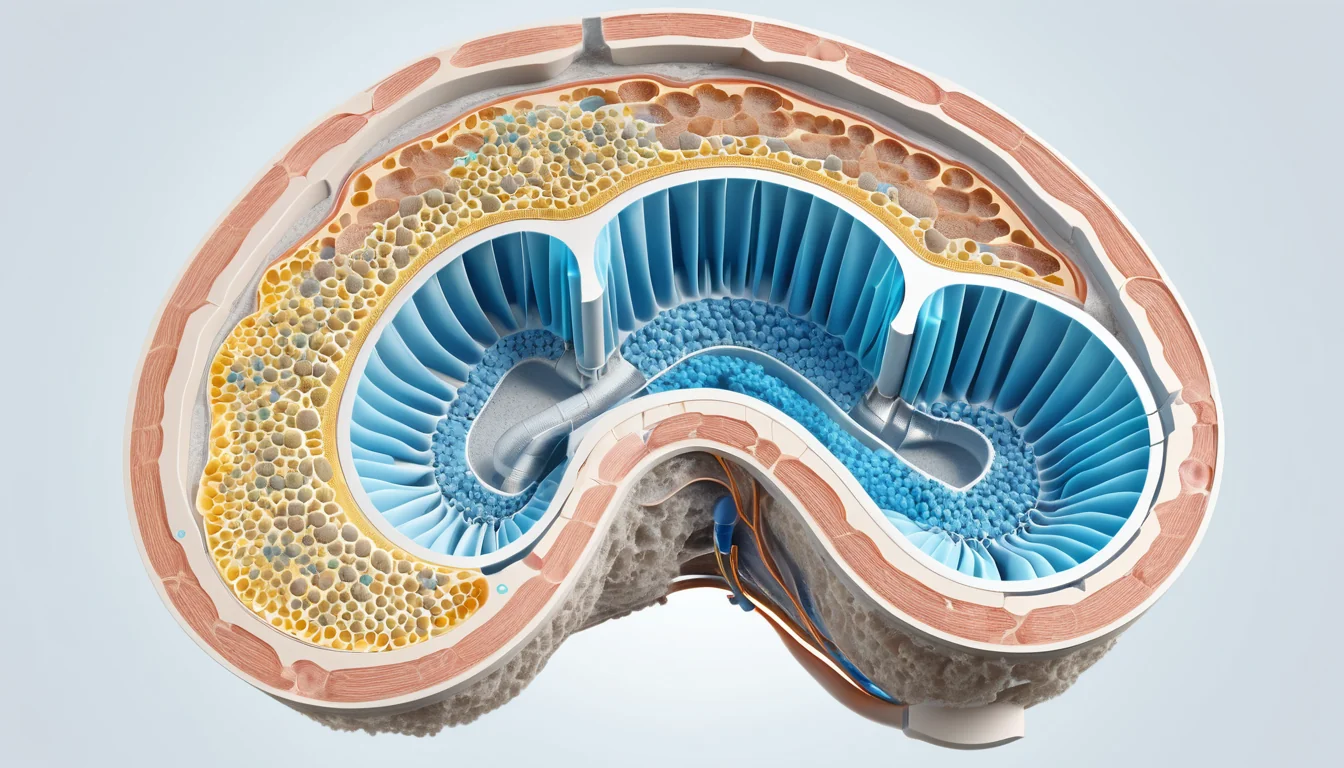
Your kidneys filter your blood constantly. Tiny structures inside the kidneys, called glomeruli, do most of this filtering work. They act like a fine mesh, allowing waste to pass through into the urine while keeping important things — like protein — in the blood.
When the kidneys are damaged, the glomeruli stop working properly. As a result, protein slips through the filter and ends up in the urine. The more damage there is, the more protein leaks out.
For more on how the kidneys work, visit Health Canada’s kidney health resources.
Causes of Protein in Urine
Mild or Temporary Causes
Not every case of proteinuria signals a serious problem. Several mild or short-term conditions can temporarily raise protein levels in your urine. These include:
- Dehydration
- Intense physical exercise
- High fever or infection
- Emotional stress
- Exposure to very cold temperatures
- Daily use of aspirin
- Kidney stones
- Low blood pressure
In these cases, protein in urine often returns to normal once the underlying trigger is gone. However, it is still worth mentioning to your doctor if you notice it.
Serious Underlying Causes
Proteinuria can also be a sign of a more serious health condition. These conditions require proper medical care. They include:
- Chronic kidney disease
- Diabetes (diabetic kidney disease)
- High blood pressure
- Autoimmune diseases such as lupus
- Acute kidney inflammation (glomerulonephritis)
- Preeclampsia during pregnancy
- Multiple myeloma (a type of blood cancer)
- Congestive heart failure
- Kidney cancer
- Certain medications or toxins
Because protein in urine can point to so many different conditions, it is essential to get proper testing rather than guessing the cause.
Signs and Symptoms to Watch For
In the early stages, protein in urine often causes no symptoms at all. This is one reason it can go undetected without routine testing. As the condition progresses, however, symptoms may begin to appear.
Common signs of proteinuria include:
- Swelling (oedema) in the face, legs, hands, or feet
- Foamy or bubbly urine
- Cloudy urine
- Frequent urination
- Shortness of breath
- Fatigue or low energy
- Nausea and vomiting
- Poor appetite
- Muscle cramps, especially at night
These symptoms happen because your body is losing protein it needs. They can also point to chronic kidney disease. Therefore, do not ignore these warning signs. Seek medical advice promptly if you notice them.
How Is Protein in Urine Diagnosed?
Urine Test (Urinalysis)
The first step in diagnosing protein in urine is a simple urine test. Your doctor will ask you to provide a urine sample in a sterile container. You can usually do this at a lab, a hospital, or a walk-in clinic. The sample is then analysed for protein levels and other markers.
A normal result shows less than 150 milligrams of protein per day. Anything consistently above that level is considered abnormal.
If your first test shows high protein levels, your doctor may ask you to repeat the test up to three times over three months. This confirms the result is not due to a temporary factor like exercise or dehydration.
Additional Diagnostic Tests
If repeated urine tests continue to show protein, your doctor will order more specific tests to find the cause. These may include:
- Creatinine clearance test: Creatinine is a waste product. This test compares creatinine levels in your blood and urine. Healthy kidneys move creatinine into the urine. If it stays high in the blood, kidney function may be impaired.
- Glomerular filtration rate (GFR): This measures how well your kidneys are filtering blood. It uses creatinine and albumin levels to give your doctor a picture of kidney function and disease progression.
- Blood protein test: A simple blood draw can measure specific protein types in your bloodstream.
- Imaging tests: An abdominal ultrasound or CT scan lets your doctor see the size, shape, and structure of your kidneys. These tests can also reveal blockages or abnormal growths.
- Urine protein electrophoresis: This specialised test uses an electric current to separate and identify specific types of protein in a urine sample.
- Kidney biopsy: In some cases, your doctor may remove a small sample of kidney tissue for laboratory analysis. This helps identify the exact type of kidney damage present.
Treatment Options for Protein in Urine
Treatment for protein in urine depends entirely on what is causing it. There is no single treatment for proteinuria itself. Instead, doctors treat the underlying condition that is causing the protein leak.
Managing Underlying Conditions
If diabetes is the cause, controlling blood sugar levels is the most important step. If high blood pressure is involved, your doctor may prescribe medication to bring it down. Lowering blood pressure also helps protect the kidneys from further damage.
Two types of blood pressure medication — ACE inhibitors and ARBs — are commonly used. These drugs specifically help reduce protein leakage from the kidneys. Your family doctor or specialist will guide you on the right choice.
Lifestyle Changes That Help
In addition to medication, certain lifestyle changes can support kidney health and reduce protein in urine. These include:
- Eating a low-sodium, kidney-friendly diet
- Staying well hydrated
- Maintaining a healthy weight
- Quitting smoking
- Limiting alcohol consumption
- Getting regular, moderate physical activity
According to Healthline’s overview of proteinuria, dietary changes combined with medication can significantly slow kidney disease progression when started early.
Monitoring and Follow-Up
Once a treatment plan is in place, regular follow-up is essential. Your doctor will schedule repeat urine and blood tests to track how well treatment is working. Depending on your province, these follow-ups may be covered under your provincial health plan.
If your condition is complex, your family doctor may refer you to a nephrologist — a kidney specialist — for further care.
When to See a Doctor
You should see a doctor if you notice foamy or cloudy urine, unexplained swelling, or persistent fatigue. These signs may indicate protein in your urine and should not be ignored.
If you do not have a family doctor, a walk-in clinic is a good first step. A healthcare provider there can order a basic urine test and refer you for follow-up care if needed. Many provinces also offer telehealth services that let you speak with a nurse or doctor from home.
Routine check-ups are the best way to catch proteinuria early, especially if you have diabetes, high blood pressure, or a family history of kidney disease. Always consult your doctor or a qualified healthcare professional before making any changes to your health routine or treatment plan.
Frequently Asked Questions
What does protein in urine mean?
Protein in urine means that your kidneys are leaking protein into your urine instead of keeping it in your blood. This is called proteinuria and can be a sign of kidney damage, diabetes, high blood pressure, or other health conditions. A urine test is the best way to confirm and monitor protein levels.
Is protein in urine always serious?
Not always. Protein in urine can sometimes be caused by temporary factors like dehydration, strenuous exercise, or a fever. However, consistently high levels of protein in urine can signal a serious condition such as chronic kidney disease. Your doctor will repeat the test over several months to determine whether it is a lasting problem.
What are the early signs of protein in urine?
In the early stages, protein in urine often causes no noticeable symptoms. As levels rise, you may notice foamy or bubbly urine, swelling in the legs or face, fatigue, and frequent urination. Because early proteinuria is often silent, routine urine testing is the most reliable way to detect it.
How is protein in urine tested in Canada?
In Canada, protein in urine is tested through a simple urinalysis that your family doctor or walk-in clinic can order. You provide a urine sample at a lab, and results are usually available within a few days. If results are abnormal, your doctor may order follow-up tests or refer you to a kidney specialist.
Can you reduce protein in urine naturally?
Some lifestyle changes can help lower protein in urine, including reducing salt intake, staying hydrated, maintaining a healthy weight, and quitting smoking. However, these changes work best alongside medical treatment for the underlying cause. Always speak with your doctor before making significant changes to your diet or lifestyle.
Can protein in urine go away on its own?
According to Mayo Clinic’s guide to proteinuria, this information is supported by current medical research.
For more information, read our guide on early kidney disease symptoms Canadians should watch for.
Yes, protein in urine can go away on its own when the cause is temporary, such as intense exercise or mild dehydration. However, if proteinuria persists across multiple urine tests over several months, it is unlikely to resolve without treating the underlying cause. Your doctor will guide you through next steps based on your test results.
Key Takeaways
- Protein in urine (proteinuria) happens when your kidneys leak protein instead of keeping it in your blood.
- It can be caused by temporary factors like dehydration, or by serious conditions like kidney disease or diabetes.
- Early stages often have no symptoms. Foamy urine, swelling, and fatigue are common warning signs as it progresses.
- A simple urine test can detect protein in urine. Your family doctor or a walk-in clinic can order this test.
- Normal protein levels in urine are below 150 milligrams per day. Anything consistently above this needs follow-up.
- Treatment targets the underlying cause, not the protein itself. This may include medication and lifestyle changes.
- Regular monitoring and follow-up care are essential, especially if you have diabetes or high blood pressure.
- Always speak with a qualified healthcare professional about any concerns regarding your kidney health.
Frequently Asked Questions
What is protein in urine?
Protein in urine, called proteinuria, occurs when the kidneys leak excess protein into urine instead of keeping it in the bloodstream. Healthy kidneys filter waste while retaining protein. Persistent proteinuria may signal kidney disease, diabetes, or high blood pressure and should be evaluated by a doctor.
What are the symptoms of protein in urine?
Mild proteinuria often causes no symptoms. When significant, signs include foamy or bubbly urine, swelling in the hands, feet, face, or abdomen, fatigue, and reduced urination. Foamy urine is the most commonly noticed symptom and warrants a urine test to confirm protein levels.
How is protein in urine treated?
Treatment depends on the underlying cause. Doctors may prescribe ACE inhibitors or ARBs to protect kidney function, medications to control blood pressure or blood sugar, and dietary changes like reducing salt and protein intake. Treating the root condition, such as diabetes or hypertension, is the primary treatment approach.
Can you prevent protein in urine?
You can reduce your risk by managing blood pressure and blood sugar levels, maintaining a healthy weight, staying hydrated, avoiding excessive anti-inflammatory medications, and not smoking. Regular checkups and urine tests are especially important for Canadians with diabetes, hypertension, or a family history of kidney disease.
When should you see a doctor about protein in urine?
See a doctor if you notice persistently foamy urine, unexplained swelling, fatigue, or changes in urination frequency. Canadians with diabetes, high blood pressure, or kidney disease risk factors should get annual urine screenings. Early detection of proteinuria significantly improves outcomes and slows potential kidney damage progression.

About the Author
Dr. Sarah Mitchell, MDDr. Sarah Mitchell is a board-certified family physician with over 15 years of clinical experience. She completed her MD at the University of Toronto and her residency at Toronto General Hospital. Dr. Mitchell specializes in preventive medicine and chronic disease management. She is a member of the College of Family Physicians of Canada (CFPC) and has published over 30 peer-reviewed articles on preventive health care.
View all articles →