Floating Kidney: Causes, Symptoms & Treatment in Canada

Share
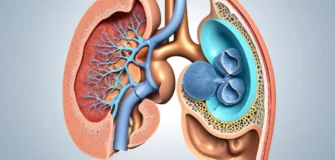
A floating kidney, known medically as nephroptosis, is a condition where one or both kidneys drop several centimetres below their normal position in the body. While this may sound minor, it can lead to significant discomfort and serious health complications if left untreated. Many Canadians live with this condition for years without receiving a proper diagnosis.
What Causes a Floating Kidney and Who Is at Risk?
Understanding the nephroptosis causes behind this condition is the first step toward getting the right care. Your kidneys are normally held in place by fat tissue, ligaments, and surrounding structures in your lower back. When these supports weaken or break down, the kidney can shift downward, triggering a range of symptoms that many people mistake for other health problems. In this guide, you will learn what causes a floating kidney, which warning signs to watch for, and when to seek help through your family doctor or a walk-in clinic in Canada.
What Is a Floating Kidney?
| Treatment Option | Description | Benefits | Considerations |
|---|---|---|---|
| Conservative Management | Weight gain recommendations, abdominal strengthening exercises, and supportive kidney binders or corsets | Non-invasive, no surgical risks, suitable for mild cases with minimal symptoms | May provide limited relief for severe cases; requires patient compliance and lifestyle changes |
| Pain Management | NSAIDs or prescription analgesics to control flank pain and discomfort during symptomatic episodes | Provides short-term symptom relief while other treatments are considered | Not a long-term solution; overuse of NSAIDs may affect kidney function; requires physician oversight |
| Laparoscopic Nephropexy | Minimally invasive surgical procedure to anchor the floating kidney to surrounding tissue in its normal position | Highly effective for severe cases; shorter recovery time than open surgery; long-lasting results | Carries surgical risks including infection and anaesthesia complications; available at select Canadian hospital centres |
| Open Nephropexy | Traditional open surgical approach to permanently fix the kidney in its correct anatomical position | Effective option when laparoscopic approach is not feasible; directly addresses severe nephroptosis | Longer recovery period; higher risk of complications; less commonly performed due to advances in laparoscopic techniques |
| Urological Follow-Up & Monitoring | Regular imaging (ultrasound or CT scan) and urology consultations to monitor kidney position and function | Ensures timely intervention if symptoms worsen; helps prevent complications such as hydronephrosis | Ongoing healthcare system engagement required; imaging costs may vary by province under provincial health plans |
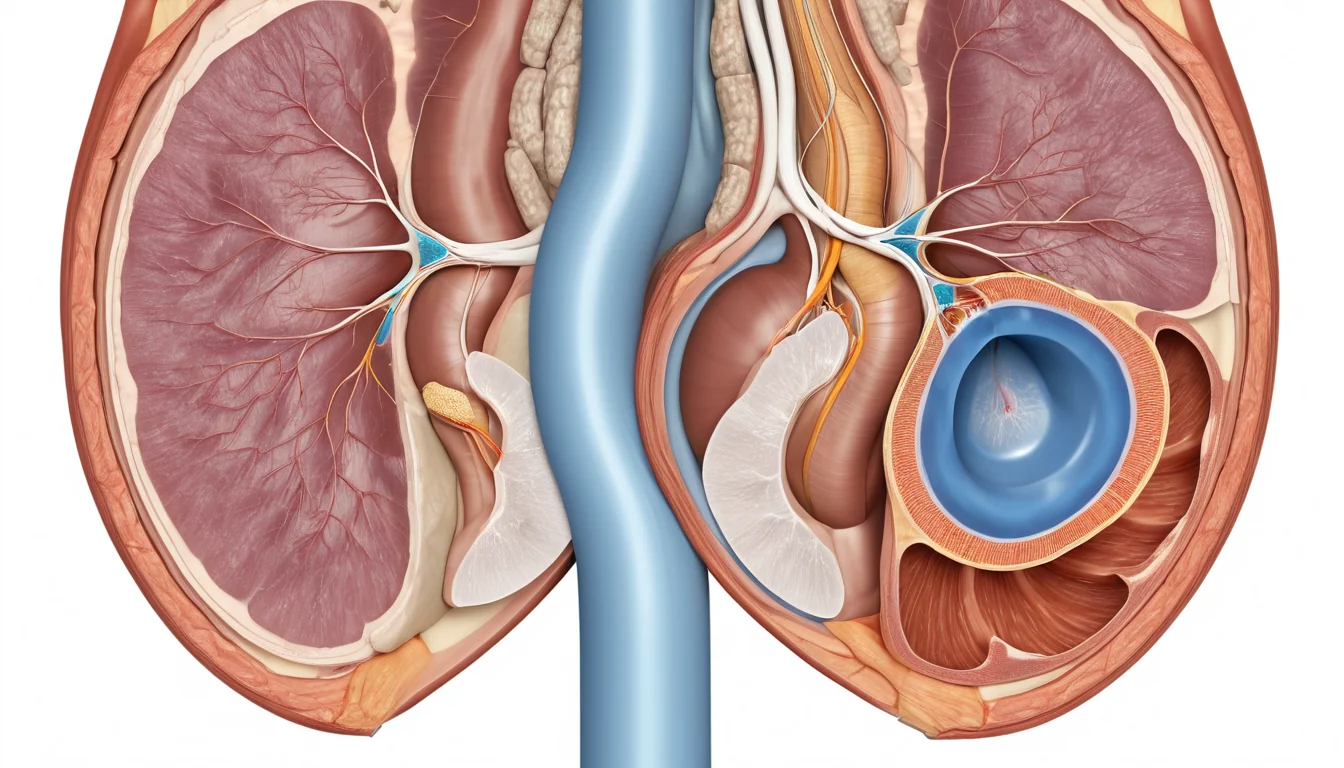
The word “ptosis” comes from Greek and simply means “fallen” or “to fall.” In medicine, a floating kidney means the kidney has slipped several centimetres below its normal position. This can affect one kidney or both at the same time.
Normally, your kidneys sit in a protected space in your lower back, held in place by fat tissue, ligaments, and other supporting structures. When any of these supports weaken or disappear, the kidney can shift downward. This condition is more common than many people realise, and it often goes undiagnosed for years.
Common Causes of a Floating Kidney
Understanding what causes a floating kidney can help you take steps to protect your health. There are two main causes doctors see most often.
Rapid Weight Loss
One of the most common causes of a floating kidney is rapid weight loss. When you lose weight quickly, your body burns the fat surrounding your organs first. This fat layer around the kidneys acts like a cushion and a support system. Without it, the kidneys can slip out of place.
Rapid weight loss often causes both kidneys to drop at the same time. However, unilateral (one-sided) dropping can also happen. If you are on a weight loss programme, speak with your family doctor about doing it safely and gradually.
Ligament Damage
Your kidneys are also held in place by ligaments. These strong bands of tissue can weaken with age, losing their elasticity over time. In addition, physical trauma or complications from surgery can damage or tear these ligaments.
When ligament damage is the cause, it usually affects only one kidney. This type of floating kidney is most often seen after an injury or a surgical procedure involving the abdominal area.
Symptoms of a Floating Kidney
A floating kidney can be tricky to identify. In the early stages, many people have no symptoms at all. As a result, the condition is often discovered only after complications develop. Here are the most common symptoms to be aware of.
Pain Similar to Kidney Colic
Many people with a floating kidney experience dull, persistent, or recurring pain in the side or lower back. This pain can feel very similar to the pain caused by kidney stones. Therefore, doctors often need to rule out kidney stones before confirming a floating kidney diagnosis.
An ultrasound or other imaging test can help tell the difference. If you have unexplained, recurring flank pain, it is worth mentioning to your family doctor at your next visit.
Digestive Symptoms
Some people with a floating kidney experience nausea and vomiting. These symptoms can come and go suddenly and are often not linked to food. This can make the condition easy to confuse with appendicitis or another digestive problem.
However, a floating kidney does not cause a rigid or board-like abdomen, and it does not cause fever. These two differences help doctors tell it apart from appendicitis during an examination.
Pain That Gets Worse With Physical Activity
A floating kidney can cause pain that worsens when you lift heavy objects or do intense physical activity. Furthermore, the pain often improves when you lie down and rest. This pattern of symptoms can be confused with a hernia, so proper medical imaging is important for an accurate diagnosis.
High Blood Pressure
One of the kidneys’ key jobs is to help regulate blood pressure. When a kidney drops out of position, it can interfere with this function. As a result, some people with a floating kidney develop high blood pressure that is difficult to control, even with medication.
If your blood pressure remains high despite treatment, your doctor may want to investigate an underlying cause. A floating kidney is one possible explanation that is worth exploring. You can learn more about how the kidneys affect blood pressure from Mayo Clinic’s guide to renal hypertension.
Blood in the Urine
Some people with a floating kidney notice blood in their urine. This is called haematuria. It is important to note when the blood appears without any sign of a urinary tract infection or injury. In such cases, further investigation is needed.
Blood in the urine should never be ignored. It can point to a floating kidney or several other conditions that require medical attention. Visit a walk-in clinic or contact your family doctor as soon as possible if you notice this symptom.
How Is a Floating Kidney Diagnosed?
Diagnosing a floating kidney can take time because its symptoms overlap with many other conditions. Your doctor will likely start with a physical examination and a review of your health history. Imaging tests such as an ultrasound, CT scan, or intravenous pyelogram (IVP) are commonly used to confirm the diagnosis.
A urine test may also be ordered to check for blood or signs of infection. In Canada, these tests are typically covered under your provincial health plan. Ask your family doctor which tests are right for you based on your symptoms. For more information on kidney health, visit Health Canada’s official health resources.
Possible Complications of a Floating Kidney
If left untreated, a floating kidney can lead to several serious complications. These include chronic high blood pressure, repeated urinary tract infections, and reduced kidney function over time. In severe cases, the kidney’s blood supply can become twisted or kinked, a dangerous situation that needs urgent medical care.
According to Healthline’s overview of nephroptosis, early diagnosis and monitoring can help prevent these complications. Staying in regular contact with your healthcare provider is the best way to protect your kidney health long term.
When to See a Doctor
You should see a doctor if you have any of the following symptoms that do not go away or keep coming back:
- Recurring pain in your side or lower back
- Nausea or vomiting without an obvious cause
- High blood pressure that is hard to control
- Blood in your urine
- Pain that worsens with activity and improves when lying down
If you do not have a family doctor, a walk-in clinic is a great first step. Many provinces in Canada also offer telehealth lines where you can speak with a nurse for free. Do not wait for symptoms to get worse before seeking care. Always consult a qualified healthcare provider before drawing any conclusions about your health.
Frequently Asked Questions About Floating Kidney
What does a floating kidney feel like?
A floating kidney often causes a dull, aching pain in the side or lower back that may come and go. Some people also feel nausea or notice that the pain gets worse during physical activity. Because these symptoms overlap with other conditions, it is important to see a doctor for a proper diagnosis.
Can a floating kidney heal on its own?
In mild cases, a floating kidney may not require treatment beyond monitoring and lifestyle changes. However, if it is causing pain, high blood pressure, or other complications, medical treatment or surgery may be needed. Your family doctor can help you decide the best course of action based on your specific situation.
Is a floating kidney a serious condition?
A floating kidney can range from mild and symptom-free to a serious condition that affects blood pressure and kidney function. If left untreated, it can lead to long-term complications such as chronic high blood pressure or repeated kidney infections. Early detection and regular follow-up with your doctor are key to managing this condition well.
What causes a floating kidney?
The two most common causes of a floating kidney are rapid weight loss and ligament damage. Rapid weight loss removes the protective fat layer that holds the kidneys in place, while ligament damage — from injury, surgery, or aging — removes another key source of support. In some cases, both factors may play a role.
How is a floating kidney treated in Canada?
Treatment for a floating kidney in Canada depends on the severity of your symptoms. Mild cases may be managed with rest, pain relief, and lifestyle changes such as gradual weight management. More severe cases may require a surgical procedure called nephropexy, where the kidney is surgically secured in its correct position, and this is typically covered under provincial health plans with a referral from your family doctor.
Can rapid weight loss cause a floating kidney?
According to Mayo Clinic’s overview of kidney conditions, this information is supported by current medical research.
For more information, read our guide on warning signs of kidney disease in Canada.
Yes, rapid weight loss is one of the leading causes of a floating kidney. When you lose weight too quickly, the body burns the fat surrounding your organs, including the protective fat layer around the kidneys. Without this support, the kidneys can shift downward out of their normal position, which is why gradual, medically supervised weight loss is always recommended.
Key Takeaways
- A floating kidney (nephroptosis) occurs when one or both kidneys drop out of their normal position.
- The two main causes are rapid weight loss and ligament damage from injury, surgery, or aging.
- Symptoms include flank pain, nausea, high blood pressure, and blood in the urine.
- Symptoms can mimic kidney stones, appendicitis, or a hernia, so imaging tests are needed for an accurate diagnosis.
- If untreated, a floating kidney can lead to chronic high blood pressure and reduced kidney function.
- In Canada, diagnosis and many treatments are covered under provincial health plans — talk to your family doctor or visit a walk-in clinic if you have concerns.
- Always speak with a qualified healthcare provider before making any decisions about your health.
Frequently Asked Questions
What is a floating kidney?
A floating kidney, medically called nephroptosis, is a condition where one or both kidneys drop more than 5 cm from their normal position when standing upright. It occurs when the tissues and fat normally holding the kidney in place are too weak or insufficient to keep it properly anchored.
What are the symptoms of a floating kidney?
Common symptoms include sharp flank or abdominal pain that worsens when standing and improves when lying down, nausea, vomiting, high blood pressure, and blood in the urine. Some people experience Dietl’s crisis — severe episodes of intense pain, chills, and decreased urine output requiring immediate medical attention.
How is a floating kidney treated in Canada?
Treatment depends on severity. Mild cases are managed with weight gain, strengthening exercises, and a supportive abdominal binder. Severe cases with significant pain or complications may require nephropexy, a minimally invasive laparoscopic surgery that surgically anchors the kidney back into its correct anatomical position.
Can you prevent a floating kidney from getting worse?
Prevention focuses on maintaining a healthy body weight, as rapid weight loss is a major risk factor. Core-strengthening exercises that support abdominal and lumbar muscles may help. Staying well-hydrated to support kidney health and avoiding extreme weight fluctuations are also recommended preventive strategies.
When should you see a doctor about kidney pain?
See a doctor promptly if you experience recurring flank pain that changes with body position, blood in your urine, persistent nausea, or high blood pressure. Seek emergency care immediately if you develop sudden severe abdominal or back pain, fever, or significantly reduced urination, as these may indicate serious complications.

About the Author
Dr. Linda Chen, RD, PhDDr. Linda Chen is a registered dietitian and PhD in Nutritional Sciences from the University of British Columbia. With expertise in clinical nutrition, sports dietetics, and gut health, she has worked with leading Canadian hospitals and sports organizations. Dr. Chen is a member of Dietitians of Canada and regularly contributes to national nutrition policy discussions.
View all articles →