Kidney Health: Tips to Protect Your Kidneys | Canada

Share
Your kidney health matters far more than most Canadians realize, yet millions across the country take these vital organs for granted every day. Your kidneys work around the clock to filter waste, balance essential minerals, and regulate blood pressure — and when they start to fail, you often feel nothing until serious damage has already occurred.
How to Protect Your Kidney Health Every Day
Understanding how to protect your kidneys is the first step toward preventing irreversible damage. In Canada, kidney disease affects an estimated 4 million people, and many don’t know they have it until the condition is advanced. This article explains how your kidneys function, what puts them at risk, and what you can do every day to keep them healthy and strong.
What Your Kidneys Actually Do
| Risk Factor | Impact on Kidneys | Prevention Strategy |
|---|---|---|
| Type 2 Diabetes | High blood sugar damages the small blood vessels in the kidneys, reducing their ability to filter waste — the leading cause of chronic kidney disease in Canada | Monitor blood glucose regularly, follow a low-glycemic diet, take prescribed medications, and attend routine A1C screenings |
| High Blood Pressure (Hypertension) | Excess pressure weakens and narrows kidney blood vessels, impairing filtration and accelerating kidney decline over time | Reduce sodium intake to under 2,300 mg/day, exercise regularly, limit alcohol, and take antihypertensive medications as directed |
| Smoking | Reduces blood flow to the kidneys, increases blood pressure, and can worsen existing kidney disease progression | Access free cessation programs through Health Canada, use nicotine replacement therapy, or speak with a physician about prescription options |
| Obesity | Increases the risk of diabetes and hypertension, both of which directly strain kidney function and filtration capacity | Aim for a healthy BMI through a balanced diet rich in vegetables, whole grains, and lean proteins combined with regular physical activity |
| Overuse of NSAIDs | Frequent use of non-steroidal anti-inflammatory drugs such as ibuprofen reduces blood flow to the kidneys and can cause acute or chronic kidney injury | Use NSAIDs only as directed, choose acetaminophen when appropriate, and consult a pharmacist or physician for safer long-term pain management |
| Chronic Dehydration | Inadequate fluid intake concentrates toxins in the kidneys and increases the risk of kidney stones and urinary tract infections | Drink approximately 8 cups (2 litres) of water daily, increase intake during exercise or hot weather, and limit sugary and caffeinated beverages |
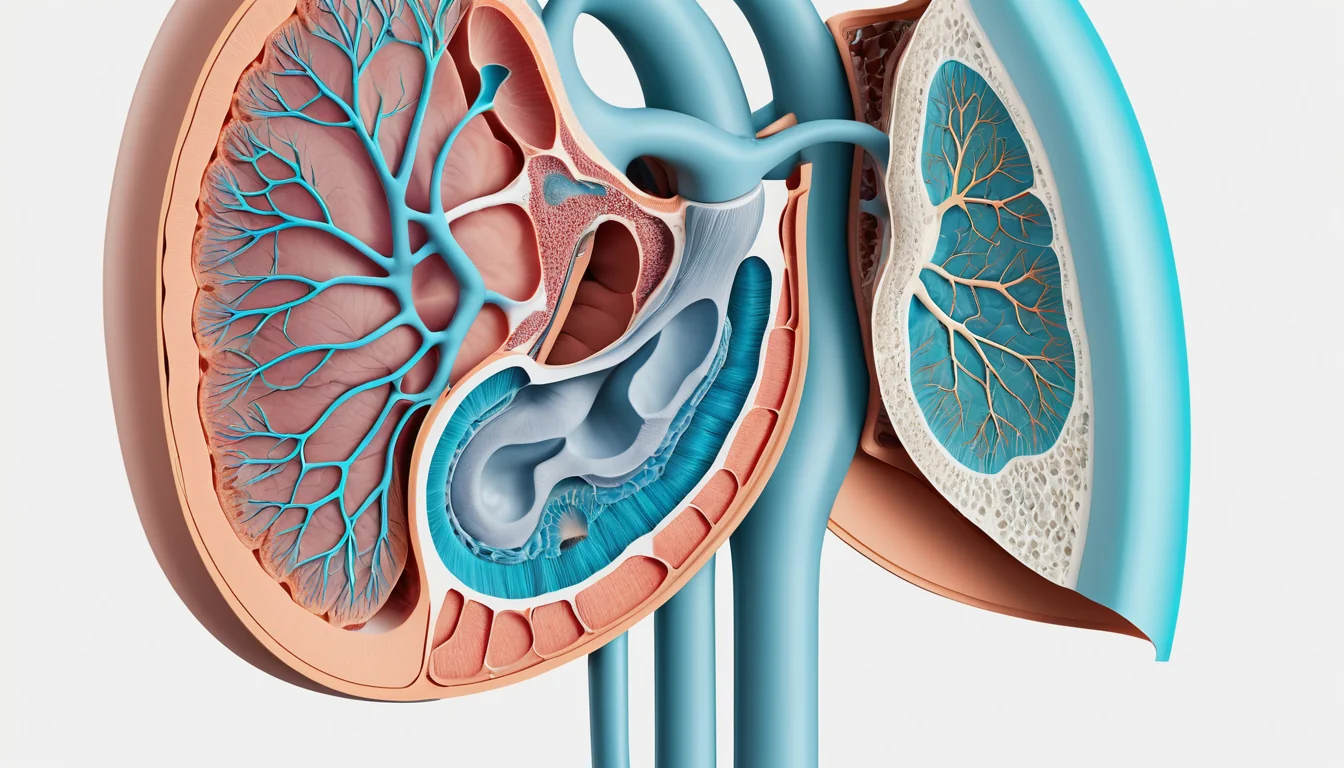
Your kidneys are two fist-sized organs tucked just below your ribcage, one on each side of your spine. Their main job is to filter your blood — removing waste, excess water, and impurities. Those waste products travel to your bladder and leave your body as urine.
However, filtering waste is only part of the story. Your kidneys also regulate the levels of salt, potassium, and acid in your body. In addition, they produce hormones that control blood pressure and signal your body to make red blood cells.
Your kidneys also activate a form of vitamin D that helps your body absorb calcium. This keeps your bones strong and your muscles working properly. Without healthy kidneys, almost every system in your body feels the effects.
Why Kidney Health Is Easy to Overlook
Kidney disease is often called a “silent” condition. In many cases, there are no symptoms until the kidneys have lost a large portion of their function. By the time a diagnosis is made, some people already need dialysis or a kidney transplant.
This is why early detection is so important. A few routine blood and urine tests can catch problems early, when treatment is most effective. Health Canada encourages Canadians to stay on top of regular health screenings, especially if they have known risk factors.
The key tests your doctor may order include:
- Serum creatinine — measures a waste product in your blood to estimate kidney function
- Glomerular filtration rate (GFR) — calculates how well your kidneys are filtering blood
- Urine albumin — detects protein in your urine, an early sign of kidney damage
Ask your family doctor whether these tests are right for you, particularly if you have diabetes, high blood pressure, or a family history of kidney disease.
Risk Factors for Kidney Disease
Understanding what puts your kidneys at risk is the first step toward protecting your kidney health. Several common conditions and lifestyle habits can quietly damage your kidneys over time.
Obesity
Carrying extra weight puts added strain on your kidneys. Obesity is closely linked to diabetes and high blood pressure — two of the leading causes of kidney disease. Reaching and maintaining a healthy weight lowers your risk significantly.
Smoking
Nicotine damages the blood vessels that supply your kidneys. Smoking also raises your blood pressure and increases your risk of kidney cancer. Furthermore, if you already have kidney disease, smoking speeds up its progression.
Age
Kidney function naturally declines as we get older. After age 50, regular kidney function tests become especially important. Talk to your family doctor about how often you should be screened.
Family History
If a close relative has had kidney disease, your own risk is higher. Make sure your doctor knows about your family history. In that case, annual blood and urine tests are a smart precaution.
Diabetes and High Blood Pressure
These two conditions are the most common causes of kidney disease in Canada. Both damage the tiny blood vessels inside the kidneys. However, keeping these conditions well managed can slow or even prevent kidney damage. According to the Mayo Clinic’s guide to chronic kidney disease, controlling blood sugar and blood pressure is one of the most effective ways to protect kidney function.
How to Protect Your Kidney Health Every Day
The good news is that many kidney problems are preventable. Simple, consistent daily habits can make a real difference in your long-term kidney health.
Drink Enough Fluids
Staying well hydrated helps your kidneys flush out waste and reduces your risk of kidney stones. Most adults should aim for about two litres of water per day. Herbal teas such as dandelion or nettle tea are also gentle, kidney-friendly options.
However, more is not always better. If you have existing kidney disease, your doctor may ask you to limit fluid intake. Always follow your healthcare provider’s specific advice.
Eat a Kidney-Friendly Diet
What you eat has a direct effect on your kidneys. A balanced diet that is low in salt, low in saturated fat, and rich in fruits and vegetables supports healthy kidney function. Try to limit processed meats and packaged foods, which are often very high in sodium.
In addition, include plenty of high-fibre foods in your meals. Whole grains, legumes, and fresh vegetables support good digestion and help your body manage blood sugar more effectively. Probiotic-rich foods like yogurt also support overall gut and kidney health.
Limit Alcohol
Drinking too much alcohol raises blood pressure and dehydrates your body. Both effects put extra stress on your kidneys. Canada’s guidance on alcohol suggests keeping consumption low and choosing alcohol-free days each week.
Stay Physically Active
Regular exercise improves blood flow, lowers blood pressure, and helps you maintain a healthy weight. All of these benefits directly support your kidney health. You do not need to run marathons to make a difference.
Walking, cycling, swimming, or dancing all count. The key is to find an activity you enjoy and do it consistently. Even 30 minutes of moderate activity most days of the week is enough to reduce your risk of chronic kidney disease, as noted by the World Health Organization’s physical activity guidelines.
Quit Smoking
Quitting smoking is one of the best things you can do for your kidneys and your overall health. Your risk of kidney damage begins to drop after you stop. However, it may take several years to reach the same risk level as someone who never smoked.
Talk to your family doctor about free or subsidized smoking cessation programmes available through your provincial health plan. Many provinces offer nicotine replacement therapy at low or no cost.
Manage Blood Sugar Carefully
When blood sugar stays too high for too long, the kidneys are forced to work much harder than normal. Over time, this leads to serious damage. If you have diabetes or pre-diabetes, keeping your blood glucose within your target range is one of the most important things you can do for your kidneys.
As a result, regular monitoring and working closely with your healthcare team can slow or even prevent kidney complications from diabetes.
Monitor Your Blood Pressure
A healthy blood pressure reading is around 120/80 mmHg. Readings consistently above 140/90 mmHg are considered high and require medical attention. High blood pressure silently damages kidney tissue over time.
Lifestyle changes such as reducing salt, exercising regularly, and limiting alcohol can lower your blood pressure naturally. If lifestyle changes are not enough, your doctor may prescribe medication to protect your kidneys from further harm.
Be Careful with Painkillers and Over-the-Counter Medications
Many common pain relievers — including ibuprofen and naproxen — can harm your kidneys when taken frequently or in large doses. If you find yourself relying on these medications regularly, speak with your doctor or pharmacist about safer alternatives. Never exceed the recommended dose on the label.
When to See a Doctor About Your Kidney Health
You should speak with your family doctor if you notice any of the following signs, which may point to a kidney problem:
- Swelling in your ankles, feet, or around your eyes
- Foamy or dark-coloured urine
- Urinating much more or much less than usual
- Persistent fatigue or difficulty concentrating
- Unexplained lower back pain on one or both sides
If you cannot get a timely appointment with your family doctor, a walk-in clinic is a good first step. The clinic can order basic blood and urine tests to check your kidney function quickly. Early action leads to better outcomes.
If you have diabetes, high blood pressure, or a family history of kidney disease, do not wait for symptoms. Ask your doctor to add kidney function tests to your annual check-up. Most provincial health plans cover these tests when they are medically necessary.
Please note: This article is for general information only. Always consult your family doctor or a qualified healthcare provider before making changes to your diet, exercise routine, or medications. Your doctor can give you personalized advice based on your health history.
Frequently Asked Questions About Kidney Health
What are the early warning signs of kidney disease?
Kidney disease often has no obvious symptoms in its early stages, which is why protecting your kidney health through regular testing is so important. When symptoms do appear, they may include swollen ankles, foamy urine, fatigue, or changes in how often you urinate. See your family doctor if you notice any of these signs.
How much water should I drink to keep my kidneys healthy?
Most healthy adults should aim for about two litres of water per day to support good kidney health. However, your ideal intake depends on your size, activity level, and any existing health conditions. If you have kidney disease, ask your doctor how much fluid is right for you.
Can diet really affect kidney health?
Yes, your diet has a direct impact on your kidney health. Eating too much salt, processed meat, and saturated fat puts strain on your kidneys over time. A diet rich in vegetables, whole grains, and high-fibre foods helps your kidneys function well and lowers your risk of kidney disease.
Does high blood pressure damage the kidneys?
Yes, high blood pressure is one of the leading causes of kidney damage in Canada. It puts extra force on the tiny blood vessels inside your kidneys, gradually reducing their ability to filter waste. Managing your blood pressure through lifestyle changes or medication is a key part of protecting your kidney health.
Are painkillers bad for your kidneys?
Taking non-steroidal anti-inflammatory drugs (NSAIDs) like ibuprofen frequently or in high doses can harm kidney health over time. These medications reduce blood flow to the kidneys, which can cause damage with regular use. If you need pain relief often, speak with your pharmacist or doctor about safer long-term options.
How do I get my kidneys tested in Canada?
According to Health Canada’s guidelines on chronic disease prevention, this information is supported by current medical research.
For more information, read our guide on kidney disease symptoms every Canadian should know.
You can ask your family doctor or walk-in clinic to order a simple blood and urine test to check your kidney health. The main tests include a serum creatinine level, a GFR calculation, and a urine albumin test. Most provincial health plans cover these tests when your doctor determines they are medically needed.
Key Takeaways
- Your kidneys filter waste, regulate minerals, control blood pressure, and activate vitamin D — they are essential to your overall health.
- Kidney disease is often silent. Early testing through your family doctor or walk-in clinic is the best way to catch problems before they become serious.
- The biggest risk factors include diabetes, high blood pressure, obesity, smoking, older age, and family history.
- Drinking enough water, eating a low-salt high-fibre diet, exercising regularly, and quitting smoking all protect your kidney health.
- Control your blood sugar and blood pressure — they are the two most important levers for preventing kidney damage.
- Use painkillers sparingly and always follow dosage instructions to avoid unintentional kidney harm.
- If you notice any unusual symptoms, or if you have known risk factors, speak with your family doctor about routine kidney function tests covered by your provincial health plan.
Frequently Asked Questions
What is kidney health and why is it important?
Kidney health refers to how well your kidneys filter waste, balance fluids, and regulate blood pressure. Healthy kidneys remove toxins and excess fluid from your blood. Poor kidney health can lead to chronic kidney disease, which affects about 1 in 10 Canadians and can progress to kidney failure if left unmanaged.
What are the warning signs of kidney disease in Canadians?
Common warning signs include swollen ankles or feet, persistent fatigue, changes in urination frequency or colour, foamy urine, high blood pressure, and lower back pain near the kidneys. Many Canadians have no symptoms in early stages, making regular screening through blood and urine tests essential for early detection.
How is kidney disease treated in Canada?
Treatment depends on the stage and cause of kidney disease. Options include blood pressure medications, diabetes management, dietary changes, and avoiding nephrotoxic drugs. Advanced cases may require dialysis or a kidney transplant. Canadian provincial health plans cover most treatments, and nephrologists provide specialized care for complex cases.
What are the best tips to protect your kidney health?
To protect your kidney health, stay well hydrated, maintain a balanced low-sodium diet, control blood pressure and blood sugar, exercise regularly, avoid smoking, limit alcohol, and use NSAIDs sparingly. Annual check-ups with kidney function blood tests are especially important for those with diabetes, hypertension, or a family history of kidney disease.
When should I see a doctor about my kidneys?
See a doctor promptly if you notice blood in your urine, severe swelling, difficulty urinating, persistent fatigue, or sudden back pain. Canadians with diabetes, high blood pressure, or a family history of kidney disease should request routine kidney function screening annually, even without symptoms, as early detection significantly improves outcomes.

About the Author
Dr. James Okafor, MD, PhDDr. James Okafor holds an MD and PhD in Neurological Sciences from McGill University. With 12 years of experience in clinical neurology and mental health research, he has contributed to landmark studies on depression, anxiety, and cognitive health. Dr. Okafor is a Fellow of the Royal College of Physicians and Surgeons of Canada and serves on the editorial board of two peer-reviewed journals.
View all articles →