Chronic Kidney Disease: Causes, Symptoms & Care Canada

Share
Chronic kidney disease is a progressive condition in which the kidneys gradually lose their ability to filter waste and excess fluid from the blood. It affects an estimated 4 million Canadians, yet many remain undiagnosed until significant damage has already occurred. Early detection and proactive management with your healthcare provider are essential to slowing the disease and maintaining quality of life.
How Chronic Kidney Disease Develops and Progresses
Understanding the kidney disease causes, risk factors, and warning signs can empower you to take control of your kidney health Canada-wide. Whether you are living with diabetes, high blood pressure, or a family history of kidney problems, learning how CKD develops will help you work with your family doctor to create a care plan that protects your kidneys for the long term.
What Is Chronic Kidney Disease?
| Stage (eGFR mL/min/1.73m²) | Kidney Function | Common Symptoms | Management Approach |
|---|---|---|---|
| Stage 1 (≥90) | Normal or high function with signs of kidney damage | Usually none; may have protein in urine | Monitor blood pressure, manage underlying conditions (e.g., diabetes), annual eGFR testing |
| Stage 2 (60–89) | Mildly decreased function | Often no symptoms; mild fatigue possible | Lifestyle modifications, blood pressure control, reduce cardiovascular risk factors |
| Stage 3 (30–59) | Moderately decreased function | Fatigue, fluid retention, changes in urination, mild anaemia | Nephrology referral recommended, dietary adjustments (limit sodium, phosphorus), medication review |
| Stage 4 (15–29) | Severely decreased function | Nausea, swelling, shortness of breath, difficulty concentrating | Prepare for renal replacement therapy, dietitian support, discussion of dialysis or transplant options |
| Stage 5 (<15) | Kidney failure (end-stage renal disease) | Severe fatigue, confusion, little or no urine output, itching | Dialysis (hemodialysis or peritoneal) or kidney transplant; palliative care may be considered |
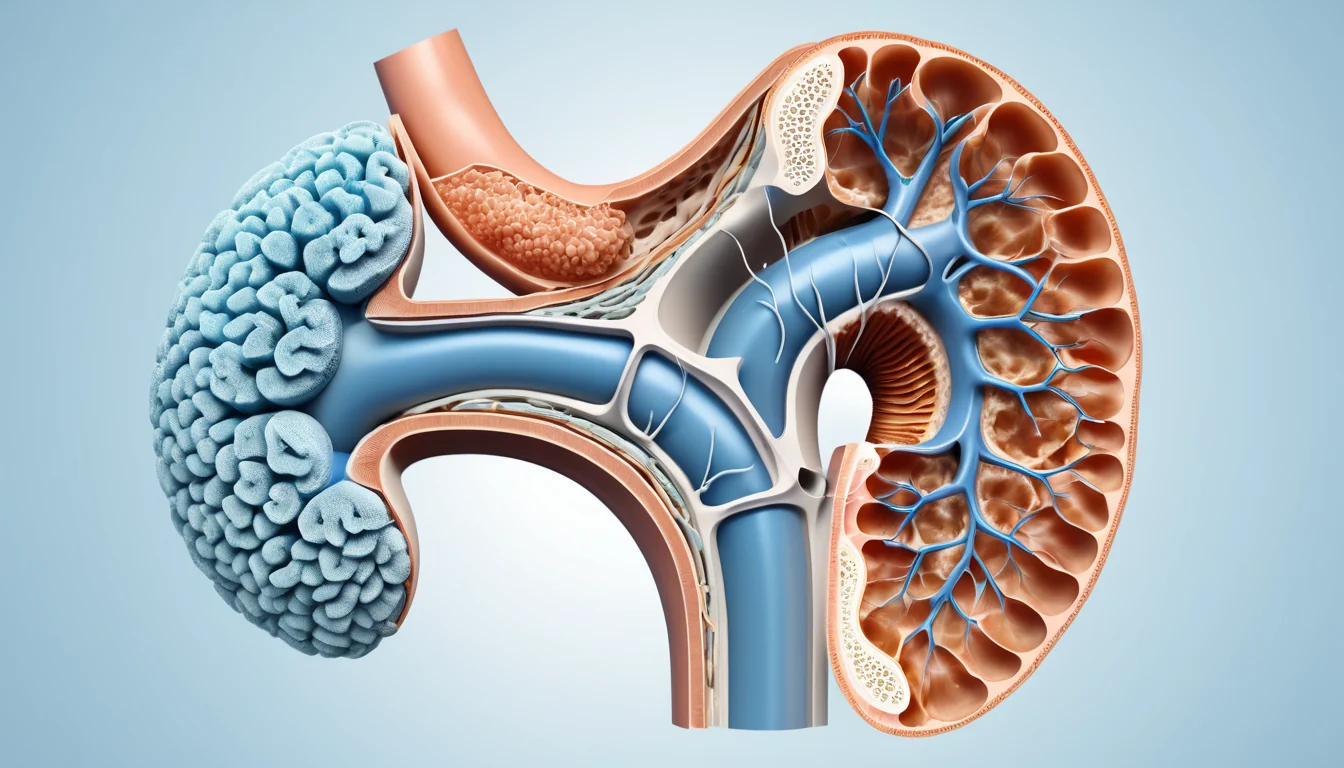
Your kidneys are two small, bean-shaped organs that do very important work. Every day, they filter waste and extra fluid from your blood and remove them from your body as urine.
They also help keep the right balance of salts and minerals — called electrolytes — in your body. When the kidneys are damaged, waste builds up in the blood and makes you feel unwell.
Chronic kidney disease develops slowly over many years. It may seem to appear suddenly, but the damage builds up little by little. Each kidney contains about one million tiny filters called nephrons.
When nephrons are damaged, the healthy ones work harder to compensate. However, if damage continues, more and more nephrons stop working. Eventually, the kidneys can no longer do their job. According to Health Canada, kidney disease is a serious and growing public health concern across the country.
Common Causes of Chronic Kidney Disease
The causes of chronic kidney disease are not always clear. However, any condition that damages the blood vessels or structure of the kidneys can lead to kidney problems over time.
Diabetes
Diabetes is the leading cause of chronic kidney disease, responsible for about 35% of all cases in Canada. High blood sugar levels damage the tiny blood vessels inside the kidneys.
If blood sugar stays high over time, the kidneys gradually lose their ability to filter properly. Managing your blood sugar is one of the most important steps you can take to protect your kidneys.
High Blood Pressure
High blood pressure — also called hypertension — causes about 30% of all chronic kidney disease cases. It puts extra strain on the blood vessels in the kidneys, causing gradual damage.
Furthermore, kidney disease itself can raise blood pressure, creating a harmful cycle. This makes blood pressure control especially important for people already dealing with kidney problems.
Other Causes
In addition to diabetes and high blood pressure, other conditions can also damage the kidneys. These include:
- Polycystic kidney disease — a genetic condition where fluid-filled sacs grow in the kidneys
- Kidney infections — such as pyelonephritis (infection of the kidney tissue) or glomerulonephritis (inflammation of the kidney’s tiny blood vessels)
- Blocked or narrowed kidney arteries — reducing blood flow to the kidneys
- Kidney stones or an enlarged prostate — blocking normal urine flow
- Lead poisoning — long-term exposure to lead can harm kidney function
- Long-term use of certain medications — including regular use of pain relievers like acetaminophen or ibuprofen, and certain antibiotics. Always talk to your pharmacist or doctor before using any medication regularly.
Risk Factors for Chronic Kidney Disease
Some risk factors for chronic kidney disease cannot be changed. Others can be managed with healthy lifestyle choices. Knowing your risk factors helps you and your family doctor make a plan to protect your kidneys.
Risk Factors You Cannot Control
Certain factors increase your risk regardless of your lifestyle. These include:
- Age — Kidneys naturally shrink and lose function starting around age 35. By age 80, about 30% of kidney function may be lost.
- Family history — A family history of diabetes, high blood pressure, or inherited kidney diseases like polycystic kidney disease raises your risk significantly.
- Sex — Men are at a slightly higher risk of developing chronic kidney disease than women.
- Ethnicity — Some ethnic groups, including Black Canadians and South Asian Canadians, have a higher risk of kidney disease linked to higher rates of diabetes and high blood pressure.
Risk Factors You Can Control
The good news is that many risk factors are within your control. Making changes to your daily habits can slow the progress of kidney disease or even prevent it from starting. Controllable risk factors include:
- Uncontrolled high blood pressure — damages the tiny blood vessels in the kidneys over time
- Poorly managed diabetes — consistently high blood sugar accelerates kidney damage
- High protein and fat diet — a diet lower in protein and saturated fat helps reduce the workload on your kidneys
- Regular use of certain medications — avoid long-term, unsupervised use of non-steroidal anti-inflammatory drugs (NSAIDs) like ibuprofen or aspirin, and certain antibiotics
- Smoking — smoking damages blood vessels throughout the body, including those in the kidneys
- Physical inactivity and obesity — both increase the risk of diabetes and high blood pressure, which in turn harm the kidneys
Symptoms of Chronic Kidney Disease
One of the most challenging things about chronic kidney disease is that it often causes no symptoms in its early stages. This silent phase means many Canadians live with kidney damage for years without knowing it.
As the disease progresses and kidney function drops significantly, symptoms begin to appear. These can include:
- Reduced urine output — producing less urine than normal
- Swelling (oedema) — fluid builds up in the legs, ankles, or around the eyes
- Fatigue — feeling unusually tired, even after rest
- Loss of appetite or unexplained weight loss
- Nausea and vomiting
- Trouble sleeping or excessive daytime sleepiness
- Headaches or difficulty concentrating
Therefore, regular blood and urine tests are the only reliable way to catch kidney disease early. Your family doctor can order these tests as part of a routine check-up, especially if you have diabetes or high blood pressure.
How Chronic Kidney Disease Affects Your Body
When kidney disease is mild, the kidneys can still manage to keep fluid, salt, and waste in balance. However, as the condition worsens, complications begin to develop.
As more nephrons stop working, the kidneys lose their ability to remove waste effectively. Toxic waste products build up in the blood — a condition called uraemia. This affects almost every system in the body.
Complications of advancing chronic kidney disease can include:
- Anaemia — the kidneys produce less of a hormone called erythropoietin, which helps make red blood cells
- Bone disease — the kidneys help regulate calcium and phosphorus, so damage affects bone strength
- Heart disease — kidney disease significantly increases the risk of heart attack and stroke
- Fluid overload — fluid accumulates in the lungs and body tissues
- Kidney failure — at the most advanced stage, the kidneys stop working almost completely and dialysis or a kidney transplant becomes necessary
The good news is that slowing the progression of kidney disease is possible. Medication, dietary changes, and lifestyle adjustments — made in partnership with your healthcare team — can make a real difference. For more information, the Mayo Clinic’s guide to chronic kidney disease offers a helpful overview of treatment options.
When to See a Doctor
If you have diabetes, high blood pressure, or a family history of kidney disease, talk to your family doctor about getting your kidney function tested. A simple blood test (creatinine) and a urine test can detect early kidney disease before symptoms appear.
If you notice any of the symptoms listed above — such as swelling, unusual fatigue, or changes in your urine — do not wait. Visit your family doctor or a walk-in clinic as soon as possible.
In Canada, kidney function testing is covered under most provincial health plans when ordered by a physician. You do not need a specialist referral to get started — your family doctor is your first and most important resource. The World Health Organization’s fact sheet on chronic kidney disease also highlights the importance of early detection and regular screening.
Always speak with your doctor or a qualified healthcare professional before making any changes to your medications, diet, or treatment plan. This article is for informational purposes only and does not replace professional medical advice.
Frequently Asked Questions About Chronic Kidney Disease
What are the early warning signs of chronic kidney disease?
Chronic kidney disease often has no symptoms in its early stages. However, as it progresses, you may notice swelling in your legs or ankles, fatigue, reduced urine output, or difficulty concentrating. The only way to detect chronic kidney disease early is through blood and urine tests ordered by your doctor.
Can chronic kidney disease be cured?
There is currently no cure for chronic kidney disease, but its progression can be significantly slowed with the right treatment. Managing blood pressure, controlling blood sugar, adjusting your diet, and avoiding harmful medications all help protect remaining kidney function. Your family doctor can help you build a long-term management plan.
What foods should I avoid if I have chronic kidney disease?
People with chronic kidney disease are often advised to limit foods high in sodium, potassium, phosphorus, and protein, as these put extra strain on the kidneys. However, the right diet depends on your stage of kidney disease and other health conditions. Always consult a registered dietitian or your doctor for personalised advice.
Is chronic kidney disease covered under Canadian provincial health plans?
Yes, diagnosis and treatment of chronic kidney disease — including blood tests, specialist visits, and dialysis — are generally covered under provincial health insurance plans across Canada. Coverage details can vary by province, so check with your provincial health authority or speak to your family doctor for guidance.
How fast does chronic kidney disease progress?
The rate of progression varies widely from person to person. Chronic kidney disease develops slowly over months or years, and some people live for decades with only mild kidney impairment. However, uncontrolled diabetes, high blood pressure, or continued use of harmful substances can significantly speed up kidney damage.
What is the difference between chronic kidney disease and kidney failure?
According to Public Health Agency of Canada’s guide to chronic kidney disease, this information is supported by current medical research.
For more information, read our guide on 10 warning signs of kidney disease every Canadian should know.
Chronic kidney disease refers to the gradual loss of kidney function over time. Kidney failure — also called end-stage renal disease — is the most advanced stage of chronic kidney disease, where the kidneys can no longer filter waste on their own. At that point, treatment options include dialysis or a kidney transplant.
Key Takeaways
- Chronic kidney disease is a long-term condition where the kidneys slowly lose their ability to filter waste from the blood.
- The two most common causes in Canada are diabetes and high blood pressure.
- The disease is often silent in early stages — regular testing is the only way to catch it early.
- Many risk factors — including blood sugar, blood pressure, diet, and medication use — can be managed to slow kidney damage.
- Symptoms such as swelling, fatigue, nausea, and reduced urine output appear as the disease advances.
- Kidney function testing is available through your family doctor or walk-in clinic and is covered by most provincial health plans.
- Always consult your doctor before changing your diet, medications, or treatment routine.
Frequently Asked Questions
What is chronic kidney disease?
Chronic kidney disease (CKD) is a long-term condition where the kidneys gradually lose their ability to filter waste and excess fluids from the blood. It progresses through five stages based on kidney function. CKD affects approximately 3 million Canadians and is most commonly caused by diabetes and high blood pressure.
What are the early warning signs of chronic kidney disease?
Early chronic kidney disease often has no obvious symptoms. As it progresses, warning signs include persistent fatigue, swollen ankles or feet, frequent urination especially at night, foamy or blood-tinged urine, high blood pressure, and loss of appetite. Many Canadians are unaware they have CKD until significant kidney damage has occurred.
How is kidney disease treated in Canada?
Kidney disease treatment in Canada focuses on slowing progression and managing symptoms. Options include blood pressure medications, diabetes management, dietary changes, and diuretics. Advanced CKD may require dialysis or a kidney transplant. Canadian provincial health plans cover most treatments, and nephrologists typically lead care for complex cases.
Can chronic kidney disease be prevented?
Chronic kidney disease can often be prevented or slowed by managing key risk factors. Controlling blood pressure and blood sugar, maintaining a healthy weight, staying hydrated, avoiding NSAIDs, quitting smoking, and limiting alcohol all significantly reduce risk. Regular kidney function screening is recommended for high-risk Canadians, including those with diabetes or hypertension.
When should you see a doctor about kidney problems?
See a doctor promptly if you experience persistent swelling, blood in your urine, severe fatigue, difficulty urinating, or lower back pain near the kidneys. Canadians with diabetes, high blood pressure, or a family history of kidney disease should request routine kidney function blood and urine tests annually, even without symptoms.

About the Author
Dr. Linda Chen, RD, PhDDr. Linda Chen is a registered dietitian and PhD in Nutritional Sciences from the University of British Columbia. With expertise in clinical nutrition, sports dietetics, and gut health, she has worked with leading Canadian hospitals and sports organizations. Dr. Chen is a member of Dietitians of Canada and regularly contributes to national nutrition policy discussions.
View all articles →