Kidney Disease: Causes, Symptoms & When to Act | Canada

Share
Kidney disease is a serious health condition that affects millions of Canadians every year, yet many people don’t recognize the early signs until significant damage has already occurred. Your kidneys do far more than most people realise — they filter your blood, balance essential minerals, regulate blood pressure, and support bone health. When they stop working properly, the effects can ripple throughout your entire body.
Understanding Kidney Disease: Causes and Risk Factors for Canadians
Understanding the causes of kidney disease and recognizing the warning signs early can make a life-changing difference. Whether you’re managing diabetes, dealing with high blood pressure, or simply want to protect your long-term health, this guide explains how your kidneys work, what puts them at risk, and exactly when you should seek medical attention in Canada.
How Your Kidneys Work
| Stage (eGFR) | Kidney Function | Common Symptoms | Recommended Management |
|---|---|---|---|
| Stage 1 (≥90 mL/min) | Normal or high function with signs of kidney damage | Usually no symptoms; may have protein in urine | Monitor blood pressure, manage diabetes, annual kidney function testing |
| Stage 2 (60–89 mL/min) | Mildly reduced kidney function | Typically no symptoms; fatigue possible | Lifestyle changes, reduced sodium intake, regular check-ups with a family physician |
| Stage 3 (30–59 mL/min) | Moderately reduced kidney function | Fatigue, swelling, changes in urination, high blood pressure | Referral to nephrologist, medications to protect kidneys, dietary adjustments |
| Stage 4 (15–29 mL/min) | Severely reduced kidney function | Nausea, decreased appetite, fluid retention, difficulty concentrating | Prepare for kidney replacement therapy, specialist care, phosphorus and potassium-restricted diet |
| Stage 5 (<15 mL/min) | Kidney failure (end-stage kidney disease) | Severe fatigue, little or no urine output, confusion, shortness of breath | Dialysis or kidney transplant; palliative care is also an option in Canada |
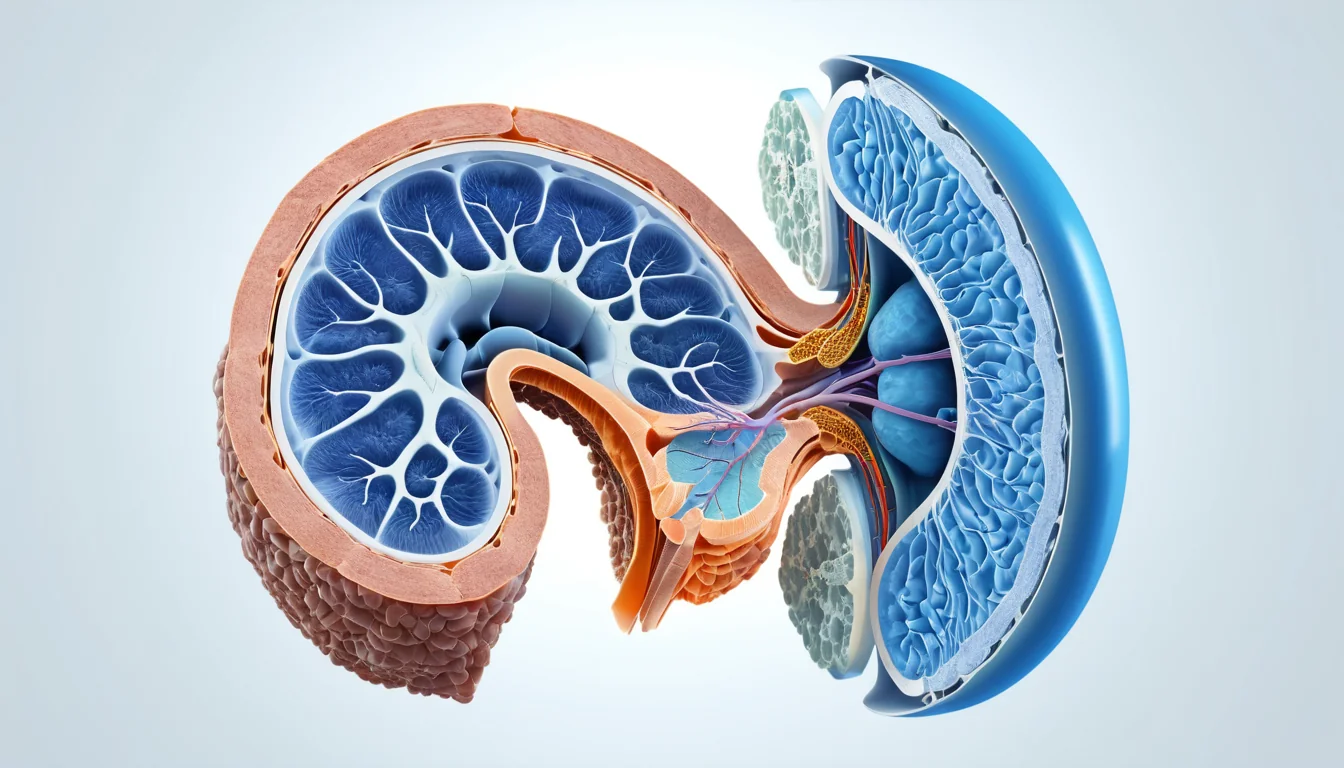
Your kidneys are two bean-shaped organs, each about 12 cm long and 6 cm wide. They sit on either side of your spine, just below your rib cage. Each kidney contains roughly one million tiny filtering units called nephrons.
Each nephron filters blood through a small structure called a glomerulus. The rate at which your glomeruli filter blood is called the glomerular filtration rate (GFR). Doctors use GFR as one of the key tools to measure how well your kidneys are functioning. You can learn more about kidney function from Health Canada’s official health resources.
What Do Your Kidneys Actually Do?
Your kidneys perform several vital jobs every single day. Understanding these roles helps explain why kidney disease can be so damaging to your overall health.
- Balance water levels and minerals like sodium, potassium, magnesium, and phosphorus in your blood
- Remove waste products from digestion, medications, and chemical exposure
- Produce renin, an enzyme that helps regulate blood pressure
- Produce erythropoietin, a hormone that signals your body to make red blood cells
- Produce calcitriol, an active form of vitamin D that keeps your bones strong
When kidney disease develops, all of these functions can be disrupted. Waste builds up in your blood, fluids accumulate in your body, and your blood pressure can become harder to control.
Causes of Acute Kidney Disease
Acute kidney disease — also called acute kidney failure — happens when your kidneys suddenly stop working properly. This is a medical emergency that requires immediate attention.
Common causes of acute kidney disease include traumatic injuries that cause significant blood loss, a sudden drop in blood flow to the kidneys, and damage from certain medications or toxic substances. In some cases, complications during pregnancy — such as preeclampsia or eclampsia — can also trigger acute kidney failure.
Athletes and Acute Kidney Risk
High-performance athletes who do not drink enough fluids during intense events face a surprising risk. Severe dehydration can cause muscle tissue to break down rapidly. This releases a chemical called myoglobin into the bloodstream, which can seriously damage the kidneys and even cause acute kidney failure. Staying well-hydrated during physical activity is one of the simplest ways to protect your kidney health.
Causes of Chronic Kidney Disease
Chronic kidney disease (CKD) develops when kidney damage or reduced kidney function lasts for more than three months. CKD is especially dangerous because it often has no obvious symptoms in the early stages. By the time most people notice something is wrong, significant and sometimes irreversible damage may have already occurred.
According to the Mayo Clinic’s guide to chronic kidney disease, the two leading causes of CKD are diabetes and high blood pressure. Together, they account for the majority of cases in Canada.
Diabetes and High Blood Pressure
Diabetes damages the small blood vessels inside the kidneys over time. This makes it harder for the nephrons to filter blood properly. Uncontrolled high blood pressure has a similar effect — it puts extra strain on the blood vessels in your kidneys, accelerating their deterioration. Both conditions can eventually require dialysis or a kidney transplant if not managed carefully.
Immune System and Viral Conditions
Certain immune system disorders can also trigger chronic kidney disease. Lupus erythematosus causes the immune system to attack the body’s own tissues, including the kidneys. Chronic viral infections such as HIV, hepatitis B, and hepatitis C are additional risk factors for kidney damage.
Inflammation of the kidney’s filtering units — a condition called glomerulonephritis — can develop suddenly after certain bacterial infections, including streptococcal infections. When this inflammation becomes chronic, it can progressively destroy kidney function.
Infections, Inherited Conditions, and Medications
Severe or repeated kidney infections (called pyelonephritis) can leave scar tissue behind. Repeated scarring over time leads to serious, long-term kidney damage. Furthermore, polycystic kidney disease is the most common inherited kidney condition in Canada. It causes fluid-filled cysts to grow on the kidneys, gradually reducing their ability to function.
Long-term overuse of certain medications can also harm your kidneys. In particular, non-steroidal anti-inflammatory drugs (NSAIDs) such as ibuprofen and aspirin can be damaging — especially with regular, high-dose use. This risk is higher for people who are already sensitive to these medications or who have existing kidney concerns. Exposure to toxic substances and illicit drugs is another known cause of kidney damage.
Common Types of Kidney Disease
Kidney disease is not a single condition. It is an umbrella term that covers many different disorders. Some are acute, some are chronic, and some are inherited. Here are some of the most recognised forms:
- Acute or chronic kidney failure — sudden or gradual loss of kidney function
- Kidney stones (renal lithiasis) — hard mineral deposits that form inside the kidneys
- Glomerulonephritis — inflammation of the kidney’s filtering units
- Nephrotic syndrome — a condition where the kidneys leak too much protein into the urine
- Polycystic kidney disease — inherited condition causing cysts to grow on the kidneys
- Renal artery stenosis — narrowing of the arteries that supply blood to the kidneys
- Nephrocalcinosis — calcium deposits that build up in kidney tissue
- IgA nephropathy (Berger’s disease) — a condition where an antibody called IgA builds up in the kidneys
- Chronic nephritis — ongoing inflammation of the kidneys
- Kidney cancer — abnormal cell growth within the kidney
This list is not exhaustive. Many other forms of kidney disease exist. A proper diagnosis from a healthcare provider is essential for identifying your specific condition and the right treatment path.
Warning Signs of Kidney Disease
One of the most challenging aspects of kidney disease is that it often develops silently. However, as the condition progresses, your body may begin to show warning signs. Recognising these early can make a significant difference in your outcome.
Common symptoms to watch for include:
- Swelling in your legs, ankles, or feet (oedema)
- Shortness of breath
- Difficulty urinating or changes in urination patterns
- Fatigue that does not improve with rest
- Foamy or discoloured urine
- Persistent back or flank pain
- High blood pressure that is hard to control
- Nausea or loss of appetite
If untreated, kidney disease can lead to complete kidney failure. This is life-threatening and requires dialysis or a transplant. Therefore, catching symptoms early and acting quickly is critically important. The World Health Organization’s fact sheet on chronic kidney disease provides valuable global context on why early detection matters.
When to See a Doctor About Kidney Disease
If you notice any of the warning signs listed above, do not wait. Contact your family doctor as soon as possible. Your family doctor can order simple blood and urine tests to check how well your kidneys are working. These tests are typically covered under your provincial health plan.
If you do not have a family doctor or cannot get an appointment quickly, visit a walk-in clinic. Walk-in clinics across Canada can perform initial assessments and refer you to a specialist — such as a nephrologist (kidney specialist) or urologist — if needed. Early intervention is one of the most powerful tools for slowing or stopping kidney disease progression.
People with diabetes, high blood pressure, or a family history of kidney disease should ask their doctor about regular kidney screening. Routine testing can catch problems before symptoms even begin. Always speak with a qualified healthcare provider before making any changes to your medications or treatment plan.
Frequently Asked Questions About Kidney Disease
What are the early signs of kidney disease?
Early kidney disease often has no obvious symptoms, which is why it can be easy to miss. As it progresses, you may notice swelling in your legs or ankles, changes in urination, fatigue, or foamy urine. If you have diabetes or high blood pressure, ask your family doctor about regular kidney disease screening.
Can kidney disease be cured?
Some forms of acute kidney disease can be treated and reversed if caught early enough. However, chronic kidney disease causes damage that is often permanent and cannot be fully reversed. Treatment focuses on slowing the progression of kidney disease and managing symptoms through medication, lifestyle changes, dialysis, or transplant.
What foods are bad for your kidneys?
Foods high in sodium, phosphorus, and potassium can put extra strain on kidneys that are already damaged. Processed foods, deli meats, and high-potassium fruits like bananas may need to be limited if you have kidney disease. Always speak with your family doctor or a registered dietitian before making major dietary changes.
Is kidney disease covered under provincial health plans in Canada?
Yes, most diagnostic testing, specialist visits, and hospital-based treatments for kidney disease are covered under provincial and territorial health plans across Canada. This includes blood tests, urine tests, dialysis, and specialist referrals. Coverage details can vary slightly by province, so it is worth checking with your local health authority.
How does diabetes cause kidney disease?
High blood sugar levels associated with diabetes gradually damage the tiny blood vessels inside the kidneys. Over time, this damage prevents the kidneys from filtering blood efficiently. Kidney disease caused by diabetes is called diabetic nephropathy and is one of the leading causes of kidney failure in Canada.
When should I go to a walk-in clinic for kidney concerns?
According to Health Canada’s official kidney health resources, this information is supported by current medical research.
For more information, read our guide on 10 kidney disease warning signs every Canadian should know.
You should visit a walk-in clinic if you notice symptoms like painful urination, significant swelling, blood in your urine, or severe back pain and you cannot see your family doctor quickly. Walk-in clinics can assess your symptoms, run basic tests, and refer you to a kidney specialist if needed. Do not ignore these warning signs — early action can protect your kidney health.
Key Takeaways
- Kidney disease ranges from acute (sudden) to chronic (long-term) and can affect anyone
- Your kidneys perform critical jobs: filtering blood, balancing minerals, regulating blood pressure, and supporting bone health
- The two biggest risk factors for chronic kidney disease in Canada are diabetes and high blood pressure
- Kidney disease often has no symptoms in the early stages — regular screening is important if you are at risk
- Warning signs include swelling, changes in urination, fatigue, foamy urine, and shortness of breath
- Overuse of NSAIDs like ibuprofen can damage your kidneys over time
- Your family doctor or a walk-in clinic is your first point of contact — most kidney tests are covered by your provincial health plan
- Always consult a qualified healthcare provider for diagnosis and treatment — do not attempt to self-diagnose or self-treat kidney disease
Frequently Asked Questions
What is kidney disease?
Kidney disease occurs when the kidneys are damaged and cannot properly filter waste and excess fluid from the blood. It can be acute (sudden) or chronic (long-term). Chronic kidney disease affects approximately 1 in 10 Canadians and often progresses silently, making early detection through regular blood and urine tests essential.
What are the early warning signs of kidney disease?
Early signs of kidney disease include fatigue, swollen ankles or feet, foamy or dark urine, frequent nighttime urination, persistent puffiness around the eyes, and high blood pressure. Because symptoms are often subtle in early stages, many Canadians are unaware they have kidney disease until significant damage has occurred.
How is kidney disease treated in Canada?
Treatment depends on the underlying cause and stage. Options include blood pressure medications (ACE inhibitors or ARBs), diabetes management, dietary changes, and lifestyle modifications. Advanced cases may require dialysis or a kidney transplant. Canadian nephrologists tailor treatment plans to slow progression and manage complications as effectively as possible.
Can kidney disease be prevented?
Yes, kidney disease can often be prevented or delayed. Key strategies include controlling blood pressure and blood sugar, staying hydrated, maintaining a healthy weight, avoiding excessive use of NSAIDs like ibuprofen, quitting smoking, and getting regular check-ups. Canadians with diabetes or hypertension should screen for kidney function annually.
When should you see a doctor about kidney problems?
See a doctor promptly if you experience decreased urination, severe swelling, persistent fatigue, blood in your urine, or sudden back or side pain. Canadians with diabetes, high blood pressure, or a family history of kidney disease should not wait for symptoms — annual kidney function testing is strongly recommended as a preventive measure.

About the Author
Dr. Linda Chen, RD, PhDDr. Linda Chen is a registered dietitian and PhD in Nutritional Sciences from the University of British Columbia. With expertise in clinical nutrition, sports dietetics, and gut health, she has worked with leading Canadian hospitals and sports organizations. Dr. Chen is a member of Dietitians of Canada and regularly contributes to national nutrition policy discussions.
View all articles →