Breast Cyst: Causes, Symptoms & Treatment in Canada

Share
A breast cyst is a fluid-filled sac that develops inside breast tissue, and it is one of the most common breast concerns among Canadian women. Many women discover one or more breast cysts during their lifetime, and the experience can understandably feel alarming. However, these lumps are almost always benign — meaning non-cancerous — and they frequently resolve on their own without any medical intervention.
What Is a Breast Cyst and Should You Be Concerned?
Understanding breast cyst symptoms is the first step toward peace of mind. Cysts are most often found in women between the ages of 30 and 50, though they can occur at any age. In Canada, where breast health screening is widely accessible through provincial healthcare programs, getting a proper diagnosis is straightforward. This article covers what causes breast cysts, how doctors diagnose them, and what treatment options are available to Canadians.
What Is a Breast Cyst?
| Type of Breast Cyst | Characteristics | Who Is Affected | Management Approach |
|---|---|---|---|
| Simple Breast Cyst | Round or oval, fluid-filled sac with smooth walls; clearly defined edges on ultrasound; typically benign | Most common in women aged 35–50; frequently associated with hormonal fluctuations | Often requires no treatment; monitoring with regular clinical breast exams; aspiration if painful or large |
| Complicated Breast Cyst | Contains internal echoes or debris on ultrasound; not purely fluid-filled; borders may appear slightly irregular | Women of reproductive age; may develop from simple cysts over time | Short-term follow-up ultrasound (6–12 months); aspiration or biopsy may be recommended to rule out atypical cells |
| Complex Breast Cyst | Thick walls, internal septations, or solid components; higher likelihood of requiring further investigation | Women of any age; less common than simple or complicated cysts | Biopsy (fine needle aspiration or core needle) typically recommended; surgical removal considered if findings are suspicious |
| Microcyst | Very small cysts (under 2–3 mm); often clustered together; usually detected incidentally on imaging | Common in perimenopausal women; often associated with fibrocystic breast changes | Usually monitored with routine screening mammography; no intervention needed unless symptoms develop |
| Galactocele | Milk-filled cyst; smooth, well-defined; may feel firm or fluctuant depending on milk composition | Occurs in breastfeeding or recently postpartum women; relatively rare | Often resolves with cessation of breastfeeding; aspiration performed if cyst causes discomfort or does not resolve |
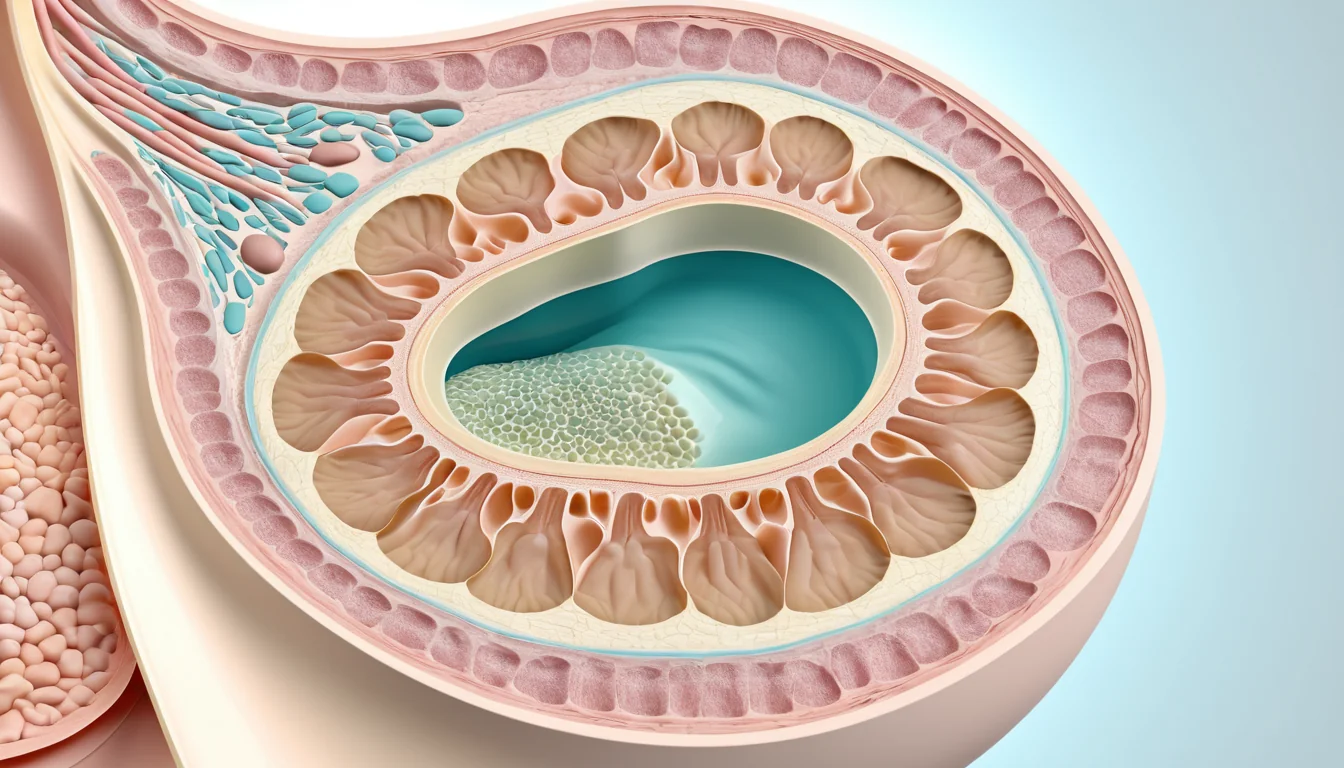
A breast cyst is a small, round or oval pocket filled with fluid inside the breast. It can feel like a soft grape or a water-filled balloon. Sometimes it feels firm, which can make it harder to tell apart from other lumps.
Breast cysts are most common in women between the ages of 30 and 40. They tend to disappear naturally after menopause. However, women who take hormone therapy after menopause may continue to develop them.
Having a breast cyst — or even several — does not increase your risk of breast cancer. Most cysts need no treatment at all. That said, it is always important to get any new breast lump checked by a healthcare provider.
Types of Breast Cysts
Doctors generally divide breast cysts into two types based on their size.
- Microcysts are too small to feel with your fingers. They are usually found by chance during a mammogram or ultrasound done for another reason.
- Macrocysts are large enough to feel. They can grow to about 2.5 to 5 centimetres across. A large macrocyst can press on surrounding breast tissue and cause pain or discomfort.
Both types form the same way and are generally harmless. Understanding which type you have helps your doctor decide on the best course of action.
What Causes a Breast Cyst?
Each breast contains between 15 and 20 lobes of glandular tissue, arranged much like the petals of a daisy. These lobes divide into smaller lobules, which produce milk during pregnancy and breastfeeding. Tiny ducts carry milk toward a reservoir just beneath the nipple. Deep supportive tissue called stroma holds this whole structure together.
A breast cyst forms when overgrowth of glandular or connective tissue blocks one of these ducts. The blocked duct fills with fluid and becomes a cyst. The exact reason this happens is not fully understood.
Some evidence suggests that excess oestrogen in the body may play a role in cyst development. This would explain why cysts are so common during the reproductive years and tend to shrink after menopause. For more on how hormones affect breast health, see Health Canada’s women’s health resources.
Symptoms of a Breast Cyst
Many breast cysts cause no symptoms at all. Others are found during a routine breast exam or imaging test. When symptoms do appear, they may include:
- A smooth, easily movable lump with clear edges
- Breast pain or tenderness near the cyst
- A lump that grows larger and feels more tender in the days before your period
- A lump that shrinks and becomes less painful after your period ends
The way a breast cyst changes with your menstrual cycle is actually a helpful clue. This hormonal pattern is a strong sign that a lump is a cyst rather than something more serious. However, only a doctor can confirm the diagnosis.
It is worth noting that breast tissue naturally feels uneven or lumpy in many healthy women. Therefore, a new lump, a lump that changes, or any lump that concerns you deserves professional attention.
When to See a Doctor
You should contact your family doctor or visit a walk-in clinic if you notice any of the following:
- A new lump in your breast that you have not felt before
- A lump that has grown larger or changed in texture
- Nipple discharge, especially if it contains blood
- Breast pain that does not improve after your period
- Skin changes on your breast, such as redness, dimpling, or puckering
Your family doctor is a great first stop. They can assess the lump and refer you for an ultrasound or other imaging if needed. If you do not have a family doctor, a walk-in clinic can start the process. Most provincial health plans in Canada cover breast imaging when it is referred by a doctor.
Remember: finding a lump is scary, but most breast lumps in women of reproductive age turn out to be benign. Getting checked quickly brings peace of mind. As always, speak with your doctor before drawing any conclusions about your own health.
How Doctors Diagnose a Breast Cyst
Diagnosis usually begins after a doctor or the patient herself notices a lump during a physical exam. The process typically involves one or more of the following steps.
Clinical Breast Exam
Your doctor will examine both breasts carefully, feeling for lumps and checking for other changes in the tissue or skin. They will ask when you first noticed the lump, whether it has changed, whether it hurts, and how it behaves around your period.
A physical exam alone cannot confirm whether a lump is a cyst. In most cases, your doctor will recommend at least one additional test.
Breast Ultrasound
An ultrasound is often the first imaging test used for a breast lump, especially in younger women. A radiologist — a doctor who specialises in medical imaging — uses sound waves to create a picture of the inside of the breast.
On an ultrasound, a fluid-filled cyst looks quite different from solid tissue. A clearly fluid-filled area usually confirms a simple breast cyst. A solid mass, on the other hand, may suggest a fibroadenoma or, less commonly, cancer. For more information on breast imaging, visit the Mayo Clinic’s guide to breast cysts.
Fine Needle Aspiration
Fine needle aspiration (FNA) is a simple procedure where a doctor inserts a thin needle into the lump and draws out fluid. If fluid comes out and the lump disappears, this confirms a breast cyst on the spot.
In most cases, no further testing is needed after a successful aspiration. However, if the fluid contains blood, or if the lump does not disappear completely, the fluid may be sent to a lab for analysis. A solid area may require a small tissue sample — called a biopsy — to rule out cancer.
Mammography is not usually the first test chosen for a breast cyst, particularly in younger women. However, a doctor may recommend it if they suspect the lump has another cause.
Treatment Options for a Breast Cyst
The good news is that most simple breast cysts need no treatment. Your doctor may simply recommend monitoring the cyst over time to see whether it resolves on its own.
Watchful Waiting
If the cyst is small, painless, and not causing any problems, your doctor may suggest leaving it alone. Many cysts shrink and disappear without any intervention, especially after a menstrual cycle or two.
Your doctor may schedule a follow-up appointment four to six weeks later to check whether the cyst has changed. This approach is safe and avoids unnecessary procedures.
Fine Needle Aspiration as Treatment
Fine needle aspiration can both diagnose and treat a breast cyst in the same appointment. Once the doctor draws the fluid out of the cyst, the lump typically collapses and disappears.
Ultrasound guidance is often used to help position the needle accurately. If the fluid is clear or straw-coloured and the lump is gone after the procedure, no further treatment is required. Your doctor may recommend a follow-up check in four to six weeks to make sure the cyst has not come back.
Recurring Breast Cysts
Some breast cysts come back after aspiration, or new ones develop nearby. This is common and does not necessarily mean something is wrong. Recurring cysts can be drained again as needed.
If a cyst keeps returning and is causing significant pain or discomfort, your doctor may refer you to a breast surgeon or a radiologist for further evaluation. In rare cases, surgical removal may be considered. According to Healthline’s overview of breast cysts, surgery is very rarely necessary for a simple cyst.
Frequently Asked Questions About Breast Cysts
Can a breast cyst turn into cancer?
A simple breast cyst does not turn into cancer and does not increase your risk of breast cancer. However, it is important to have any new or changing breast lump evaluated by a doctor to rule out other conditions. Regular breast awareness and routine screening remain the best tools for catching breast cancer early.
How do I know if a breast lump is a cyst or something else?
A breast cyst often feels smooth, round, and movable, and it may change in size with your menstrual cycle. However, you cannot tell the difference by touch alone. Your doctor can confirm whether a lump is a cyst using an ultrasound or fine needle aspiration.
Do breast cysts go away on their own?
Yes, many breast cysts shrink and disappear on their own, especially after a menstrual cycle. They also tend to resolve naturally after menopause in women who are not taking hormone therapy. Your doctor may suggest simply monitoring a small, painless cyst rather than treating it right away.
Is a breast cyst painful?
Some breast cysts cause pain or tenderness, particularly in the days leading up to a period. Others cause no pain at all. If a cyst is large, it may press on surrounding tissue and cause discomfort. Pain that is severe or persistent is a good reason to see your family doctor or visit a walk-in clinic.
What happens if a breast cyst is left untreated?
A simple breast cyst that causes no symptoms can safely be left alone and monitored. Many cysts disappear without treatment. However, a cyst that grows, becomes painful, or changes in character should be assessed by a doctor to make sure nothing else is going on.
Are breast cysts common in Canada?
According to Mayo Clinic’s overview of breast cysts, this information is supported by current medical research.
For more information, read our guide on protein in urine causes and symptoms in Canada.
Yes, breast cysts are very common among Canadian women, particularly those between the ages of 30 and 50. They are one of the most frequent causes of a benign breast lump in this age group. If you are concerned about a breast cyst or any breast change, your provincial health plan covers a doctor visit and any medically necessary imaging.
Key Takeaways
- A breast cyst is a benign, fluid-filled sac in breast tissue. It is not cancer.
- Breast cysts are most common in women aged 30 to 40 and often disappear after menopause.
- Symptoms can include a smooth movable lump, breast tenderness, and changes linked to your menstrual cycle.
- Diagnosis involves a physical exam, ultrasound, and sometimes fine needle aspiration.
- Most simple breast cysts need no treatment. Fluid can be drained if the cyst is painful or large.
- Having breast cysts does not increase your risk of breast cancer.
- Always see your family doctor or a walk-in clinic if you notice a new or changing breast lump. Most provincial health plans cover the necessary follow-up care.
- This article is for informational purposes only. Please speak with your doctor or a qualified healthcare provider for advice about your specific situation.
Frequently Asked Questions
What is a breast cyst?
A breast cyst is a fluid-filled sac that develops within breast tissue. They are non-cancerous (benign) and very common, particularly in women aged 35–50. Breast cysts can vary in size from tiny to several centimetres and may feel smooth, round, and movable under the skin.
What are the symptoms of a breast cyst?
Common breast cyst symptoms include a smooth, oval lump that moves easily, localized breast pain or tenderness, and swelling near the lump. Symptoms often worsen just before your menstrual period. Some cysts cause no symptoms at all and are only discovered during a routine mammogram or ultrasound.
How is a breast cyst treated in Canada?
Most breast cysts require no treatment and resolve on their own. If a cyst is painful or large, a doctor may perform fine-needle aspiration to drain the fluid. Canadian healthcare providers typically monitor cysts with follow-up ultrasounds. Surgery is rarely needed unless a cyst recurs repeatedly or shows unusual characteristics.
Can you prevent breast cysts from forming?
There is no guaranteed way to prevent breast cysts, but certain lifestyle adjustments may help reduce their occurrence. Limiting caffeine, reducing dietary fat, and avoiding hormone replacement therapy may lower your risk. Wearing a well-fitted, supportive bra can also help relieve discomfort associated with existing cysts.
When should I see a doctor about a breast cyst?
See a doctor promptly if you notice a new breast lump, a lump that grows or changes, nipple discharge, skin changes such as redness or dimpling, or pain that doesn’t improve after your period. While most cysts are benign, any new breast change should be professionally evaluated to rule out other conditions.

About the Author
Dr. Michael Ross, MD, FRCSCDr. Michael Ross is a fellowship-trained orthopedic surgeon at the University of Alberta Hospital, specializing in joint replacement and sports medicine. A Fellow of the Royal College of Surgeons of Canada (FRCSC), he has over 18 years of surgical experience and has authored multiple textbook chapters on musculoskeletal health. Dr. Ross is passionate about patient education and evidence-based medicine.
View all articles →