
Nephrotic Syndrome: Symptoms, Causes & Treatment Canada

Share
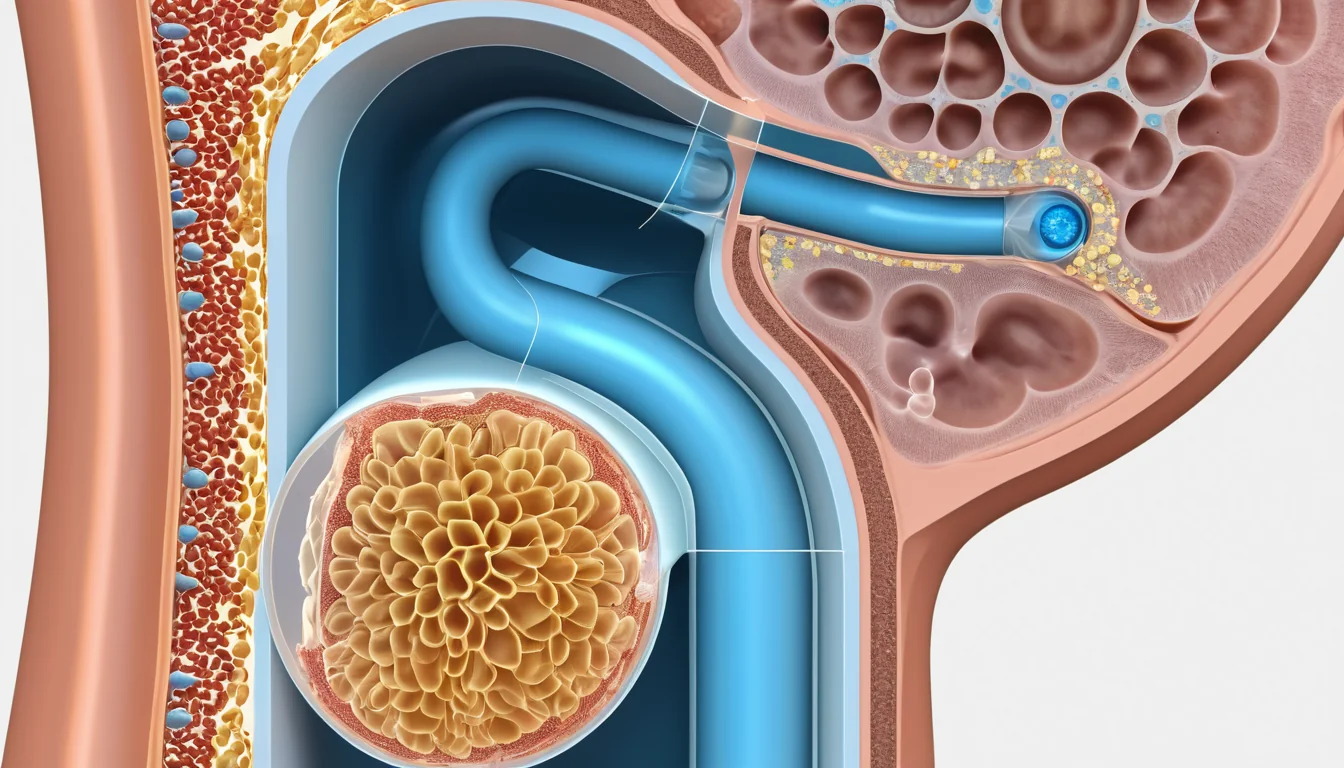
Nephrotic syndrome is a serious kidney condition that causes your body to lose too much protein through your urine. It develops when the tiny filtering blood vessels in your kidneys, called glomeruli, become damaged and can no longer keep essential proteins like albumin in your bloodstream. This condition affects both children and adults across Canada and requires prompt medical attention.
How Is Nephrotic Syndrome Diagnosed and Treated in Canada?
Recognizing nephrotic syndrome symptoms early — such as severe swelling around the eyes, ankles, and feet — is critical for getting timely treatment. In Canada, this condition is typically managed through your family doctor, a kidney specialist called a nephrologist, and services covered under your provincial health plan. This guide explains the causes, risk factors, diagnosis, and treatment options available to Canadians living with nephrotic syndrome.
What Is Nephrotic Syndrome?
| Treatment Option | How It Works | Key Benefits | Important Considerations |
|---|---|---|---|
| Corticosteroids (e.g., Prednisone) | Reduces kidney inflammation and decreases protein leakage into urine | First-line treatment; effective in many cases of nephrotic syndrome, particularly minimal change disease | Long-term use may cause weight gain, high blood sugar, bone loss, and increased infection risk |
| Immunosuppressants (e.g., Cyclosporine, Mycophenolate) | Suppresses immune system activity to reduce kidney damage | Useful for steroid-resistant or steroid-dependent nephrotic syndrome | Requires regular monitoring of kidney function and blood levels; risk of serious infections |
| ACE Inhibitors / ARBs (e.g., Ramipril, Losartan) | Lowers blood pressure and reduces protein loss through the kidneys | Protects kidney function over time; also manages hypertension common in nephrotic syndrome | May cause low blood pressure, elevated potassium levels; not recommended during pregnancy |
| Diuretics (e.g., Furosemide) | Helps kidneys remove excess fluid, reducing edema | Relieves swelling in legs, ankles, and abdomen; improves patient comfort | Electrolyte imbalances possible; kidney function must be closely monitored |
| Dietary and Lifestyle Modifications | Reduces sodium and protein intake to decrease kidney workload and fluid retention | Supports overall treatment; helps manage blood pressure and swelling | Requires guidance from a registered dietitian; low-sodium diet (under 2,000 mg/day) recommended by most Canadian nephrologists |
Your kidneys contain millions of tiny filtering units called glomeruli. Their job is to clean your blood by removing waste and extra fluid. They also keep important proteins — like albumin — inside your body where they belong.
When the glomeruli are damaged, they let too much protein leak out into your urine. This is what doctors call nephrotic syndrome. Without enough protein in your blood, your body has trouble keeping fluid in the right places. As a result, fluid builds up in your tissues and causes swelling.
For more background on how your kidneys work, visit Health Canada’s kidney health resources.
Symptoms of Nephrotic Syndrome
Nephrotic syndrome can develop gradually or come on quite suddenly. Knowing the signs can help you act quickly and speak with your doctor sooner.
Common symptoms include:
- Severe swelling (edema) — especially around your eyes, ankles, and feet
- Foamy urine — caused by high levels of protein spilling into your urine
- Weight gain — due to fluid retention in the body
- Fatigue — feeling unusually tired or weak
- Loss of appetite — not feeling hungry as usual
Swelling around the eyes is especially common in children with this condition. In adults, leg and ankle swelling is often the first sign people notice.
When to See a Doctor
If you notice any of these symptoms, do not wait. Book an appointment with your family doctor as soon as possible. If you do not have a family doctor, a walk-in clinic can assess your symptoms and refer you to a specialist if needed.
Early diagnosis matters. The sooner nephrotic syndrome is identified, the sooner treatment can begin to protect your kidneys. Your provincial health plan covers visits to your family doctor and most specialist referrals, so cost should not be a barrier to getting help.
What Causes Nephrotic Syndrome?
Many different diseases and conditions can damage the glomeruli and lead to nephrotic syndrome. In some cases, doctors cannot find a clear cause. However, several conditions are known to be common triggers.
Diabetic Kidney Disease
Diabetes is one of the leading causes of kidney damage in Canada. High blood sugar over time can harm the glomeruli. This is called diabetic nephropathy. If you have diabetes, managing your blood sugar carefully helps protect your kidneys.
Minimal Change Disease
This is the most common cause of nephrotic syndrome in children. The kidneys do not function normally, but under a microscope, the kidney tissue looks nearly healthy. The exact cause is often unknown, but it usually responds well to treatment.
Focal Segmental Glomerulosclerosis
This condition causes scarring in some of the glomeruli. It can result from another disease, a genetic defect, or certain medications. Sometimes it appears with no known reason at all.
Membranous Nephropathy
In this condition, the membranes inside the glomeruli thicken due to deposits made by the immune system. It can be linked to other conditions like lupus, hepatitis B, or certain cancers. However, it can also occur on its own.
Lupus and Other Immune Conditions
Systemic lupus erythematosus (lupus) is a chronic inflammatory disease. It can cause serious damage to the kidneys over time. Other immune system disorders can also trigger glomerular damage and lead to nephrotic syndrome.
Amyloidosis
This is a rare disorder where abnormal proteins called amyloids build up in your organs. When amyloid deposits collect in the kidneys, they interfere with the filtering system and can cause nephrotic syndrome.
Risk Factors for Nephrotic Syndrome
Some people are more likely to develop nephrotic syndrome than others. Understanding your risk can help you take steps to protect your kidney health.
Key risk factors include:
- Existing medical conditions — diabetes, lupus, amyloidosis, and other kidney diseases raise your risk
- Certain medications — non-steroidal anti-inflammatory drugs (NSAIDs) like ibuprofen, and some antibiotics, have been linked to kidney damage
- Certain infections — HIV, hepatitis B, hepatitis C, and malaria can all damage the glomeruli
If you have any of these risk factors, talk to your family doctor about monitoring your kidney function regularly. A simple urine test and blood test can catch early changes before they become serious.
Possible Complications
Left untreated, nephrotic syndrome can lead to serious health problems. It is important to understand these risks so you and your doctor can work together to prevent them.
Blood Clots
When the kidneys leak proteins, they also lose proteins that help prevent clotting. As a result, your risk of developing a dangerous blood clot in a vein goes up. This is a serious complication that needs prompt medical attention.
High Cholesterol and Triglycerides
When albumin levels in your blood drop, your liver tries to compensate by producing more albumin. At the same time, it releases more cholesterol and triglycerides into your bloodstream. This raises your risk of heart disease over time.
Poor Nutrition
Losing too much protein through urine can lead to malnutrition. You may also develop anaemia (too few red blood cells), low vitamin D levels, and low overall protein levels in the blood. These problems can make you feel weak and unwell.
High Blood Pressure
Damaged glomeruli and fluid buildup can raise your blood pressure. High blood pressure then causes further damage to the kidneys, creating a harmful cycle. Managing blood pressure is a key part of treating this condition.
Acute Kidney Injury
If the kidneys lose too much filtering ability too quickly, waste products can build up in your blood rapidly. In severe cases, emergency dialysis may be needed. Dialysis is a process that uses a machine to clean your blood when your kidneys cannot do it themselves.
Chronic Kidney Disease
Over time, nephrotic syndrome can cause the kidneys to lose more and more function. If kidney function drops low enough, long-term dialysis or a kidney transplant may become necessary. Canada has strong transplant programmes in place for those who need them.
Increased Risk of Infections
People with nephrotic syndrome have a weakened immune response. This makes them more vulnerable to bacterial infections. Your doctor may recommend vaccinations and other preventive measures to reduce this risk.
How Is Nephrotic Syndrome Diagnosed?
Diagnosing nephrotic syndrome involves a combination of urine tests, blood tests, and sometimes a kidney biopsy. Your family doctor will likely order the first round of tests and then refer you to a kidney specialist (nephrologist) for further evaluation.
Common diagnostic tests include:
- Urine tests — a 24-hour urine collection can measure how much protein you are losing
- Blood tests — these check albumin levels, cholesterol, triglycerides, creatinine, and blood urea nitrogen (BUN), which indicate how well your kidneys are working
- Kidney biopsy — a small sample of kidney tissue is removed and examined under a microscope to find the exact cause of the damage
Your specialist will use these results to choose the best treatment plan for your specific situation. For more information on kidney testing, see Mayo Clinic’s guide to nephrotic syndrome diagnosis and treatment.
Treatment Options for Nephrotic Syndrome
There is no single treatment for nephrotic syndrome because it depends on the underlying cause. However, there are several approaches your doctor may use to manage symptoms and slow kidney damage.
Common treatments include:
- Blood pressure medications — ACE inhibitors or ARBs help protect the kidneys and reduce protein leakage
- Diuretics — these medications help your body remove excess fluid and reduce swelling
- Corticosteroids — drugs like prednisone reduce inflammation and are especially effective in minimal change disease
- Cholesterol-lowering medications — statins may be prescribed to manage high cholesterol linked to this condition
- Blood thinners — if your risk of clots is high, your doctor may recommend anticoagulant medication
- Dietary changes — reducing sodium helps control swelling, and your doctor may adjust your protein intake based on your situation
Treatment is often long-term. Regular follow-up with your nephrologist is essential to track your kidney function and adjust your treatment as needed. Learn more about managing kidney conditions at Healthline’s overview of nephrotic syndrome.
Frequently Asked Questions About Nephrotic Syndrome
What is the main difference between nephrotic syndrome and nephritis?
Nephrotic syndrome mainly involves large amounts of protein leaking into the urine, low blood protein levels, and significant swelling. Nephritis, on the other hand, involves inflammation of the kidneys and often causes blood in the urine and high blood pressure. Both conditions affect kidney function, but they have different causes and treatments.
Can nephrotic syndrome be cured?
Whether nephrotic syndrome can be cured depends on its underlying cause. In children with minimal change disease, for example, the condition often responds very well to treatment and may go into remission. In adults, it is more often managed as a long-term condition to protect kidney function and prevent complications.
Is nephrotic syndrome common in Canada?
Nephrotic syndrome is not extremely common, but it does affect both children and adults across Canada. Diabetic kidney disease, one of its leading causes, is increasingly common as rates of type 2 diabetes rise. If you have risk factors like diabetes or lupus, speak with your family doctor about monitoring your kidney health.
What foods should I avoid if I have nephrotic syndrome?
People with nephrotic syndrome are usually advised to reduce their sodium intake to help control swelling and blood pressure. Your doctor or a registered dietitian may also give you specific guidance on protein and fluid intake based on your kidney function. Avoid making major dietary changes without first speaking to your healthcare team.
How does nephrotic syndrome affect children differently than adults?
In children, the most common cause of nephrotic syndrome is minimal change disease, which often responds well to steroid treatment. Adults are more likely to have underlying conditions like diabetes or lupus driving the syndrome. Children may also show more obvious swelling around the eyes, especially in the morning.
Will I need dialysis if I have nephrotic syndrome?
Not everyone with nephrotic syndrome will need dialysis. Dialysis becomes necessary only if the kidneys lose enough function that they can no longer clean the blood effectively on their own. With proper treatment and regular monitoring, many people manage nephrotic syndrome without reaching that stage.
Key Takeaways
- Nephrotic syndrome is a kidney condition caused by damage to the tiny filtering vessels in your kidneys.
- The main signs are severe swelling, foamy urine, fatigue, and weight gain from fluid retention.
- Common causes include diabetic kidney disease, lupus, minimal change disease, and certain infections.
- Complications can include blood clots, high cholesterol, infections, and chronic kidney disease.
- Diagnosis involves urine tests, blood tests, and sometimes a kidney biopsy.
- Treatment depends on the cause and may include medications, blood pressure control, and dietary changes.
- If you notice swelling, foamy urine, or unexplained fatigue, speak with your family doctor or visit a walk-in clinic right away.
According to Mayo Clinic’s overview of nephrotic syndrome, this information is supported by current medical research.
For more information, read our guide on protein in urine causes and treatment in Canada.
This article is for informational purposes only and does not replace professional medical advice. Always consult your family doctor or a qualified healthcare provider for diagnosis and treatment tailored to your individual health needs.
Frequently Asked Questions
What is nephrotic syndrome?
Nephrotic syndrome is a kidney disorder where damaged glomeruli leak large amounts of protein into the urine. This causes low blood protein levels, significant swelling (edema), high cholesterol, and foamy urine. It can affect children and adults and may result from various underlying kidney or systemic diseases.
What are the main symptoms of nephrotic syndrome?
The main symptoms of nephrotic syndrome include severe swelling around the eyes, legs, ankles, and abdomen, foamy or frothy urine, unexplained weight gain from fluid retention, extreme fatigue, and loss of appetite. Some people also experience high blood pressure and increased susceptibility to infections.
How is nephrotic syndrome treated in Canada?
Treatment typically includes corticosteroids like prednisone to reduce kidney inflammation, diuretics to control swelling, ACE inhibitors to lower protein loss, and cholesterol-lowering medications. Canadian nephrologists may also recommend a low-sodium, low-fat diet. Underlying conditions like diabetes or lupus are treated simultaneously to protect kidney function.
Can nephrotic syndrome be prevented?
There is no guaranteed way to prevent nephrotic syndrome, but you can lower your risk by managing diabetes and high blood pressure, maintaining a healthy weight, avoiding unnecessary use of NSAIDs and certain medications, and attending regular medical checkups. Early detection and treatment of underlying conditions help reduce kidney damage significantly.
When should you see a doctor for nephrotic syndrome symptoms?
See a doctor promptly if you notice persistent swelling in your legs, ankles, or face, foamy urine, sudden unexplained weight gain, or extreme fatigue. These symptoms may indicate serious kidney problems requiring urgent evaluation. Canadians should contact their family physician or visit a walk-in clinic as soon as possible for assessment.

About the Author
Dr. Sarah Mitchell, MDDr. Sarah Mitchell is a board-certified family physician with over 15 years of clinical experience. She completed her MD at the University of Toronto and her residency at Toronto General Hospital. Dr. Mitchell specializes in preventive medicine and chronic disease management. She is a member of the College of Family Physicians of Canada (CFPC) and has published over 30 peer-reviewed articles on preventive health care.
View all articles →