Breast health symptoms are something every Canadian should understand — not just for cancer awareness, but because many common breast conditions can cause concern without proper knowledge. While breast cancer is often the first worry that comes to mind, the majority of breast changes are caused by benign conditions that respond well to medical guidance.
Common Breast Health Symptoms Every Canadian Should Recognize
From breast lumps and cysts to fibrocystic breast changes and asymmetry, there is a wide range of symptoms that deserve attention. This article explains what the most frequent breast conditions look like, what they might mean for your health, and when you should speak with your family doctor or visit a walk-in clinic in Canada.
How Breast Tissue Works
Common Breast Health Symptoms: What to Watch For and When to Act
| Symptom | Description | Severity Level | Recommended Action |
|---|---|---|---|
| New Lump or Thickening | A firm, painless mass or area of thickened tissue in the breast or underarm that feels different from surrounding tissue | High — Seek prompt attention | Contact your family doctor or nurse practitioner within 1–2 weeks; do not wait for your next scheduled visit |
| Nipple Discharge | Spontaneous discharge from one or both nipples, particularly if bloody, clear, or occurring without squeezing | Moderate to High — Requires evaluation | Book an appointment with your healthcare provider; bloody or one-sided discharge warrants urgent assessment |
| Skin Changes | Redness, dimpling, puckering, or an orange-peel texture (peau d’orange) on the breast surface | High — Do not ignore | See a doctor promptly; these changes can indicate inflammatory breast cancer, which progresses quickly |
| Nipple Inversion or Shape Change | A nipple that newly turns inward or changes shape or position when it previously did not | Moderate to High — Warrants investigation | Schedule an appointment with your healthcare provider for a clinical breast exam and possible imaging |
| Unexplained Breast Pain | Persistent, localized pain in one area of the breast not related to menstrual cycle or injury | Moderate — Monitor and report | Track pain patterns and duration; report to your doctor if it persists beyond two to three weeks or worsens |
| Swelling or Change in Size | Noticeable swelling of all or part of the breast, even without a distinct lump, or a sudden unexplained change in breast size or shape | Moderate to High — Discuss with a provider | Consult your healthcare provider; in Canada, referral to a breast health clinic or diagnostic imaging centre may be arranged |
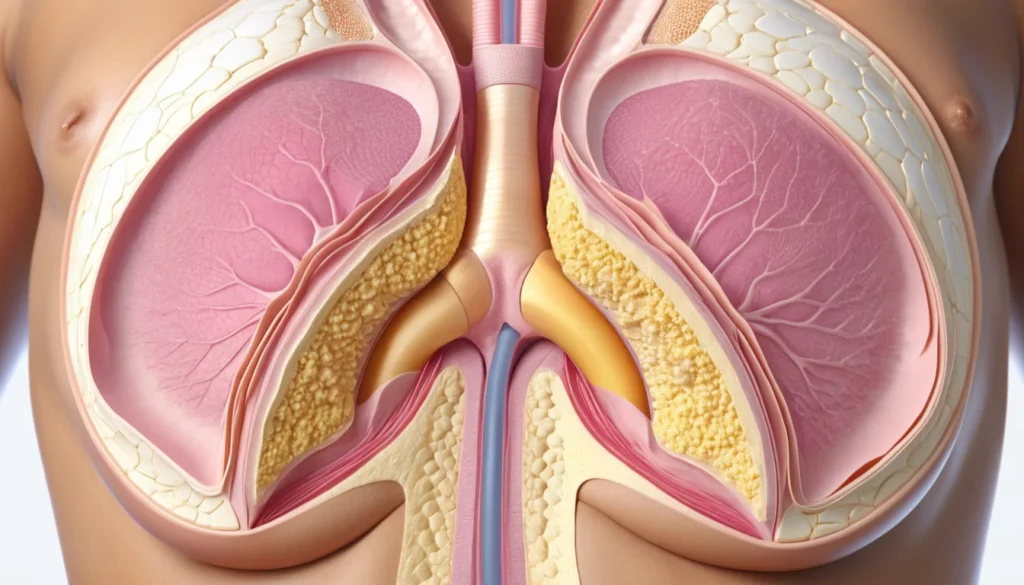
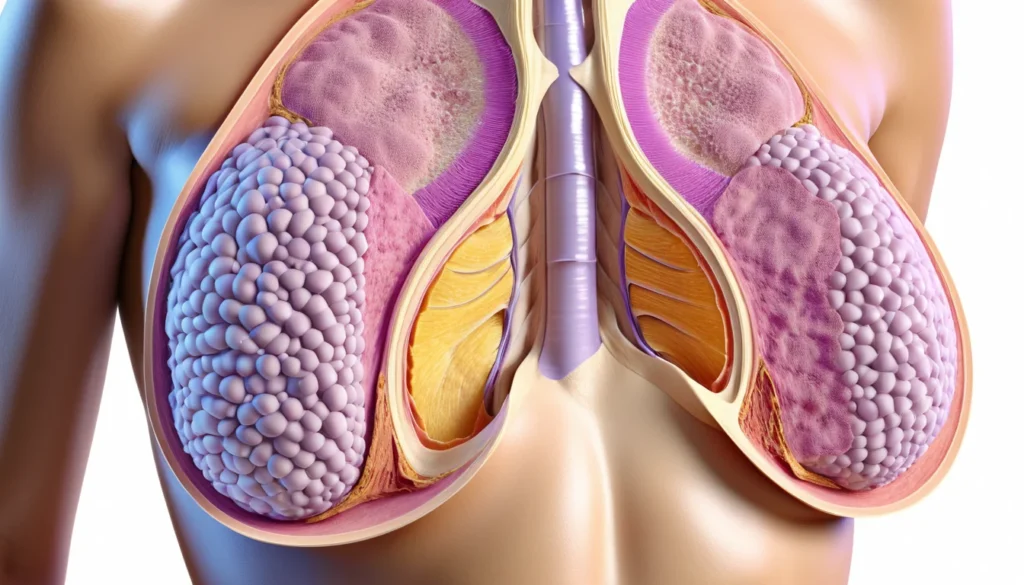
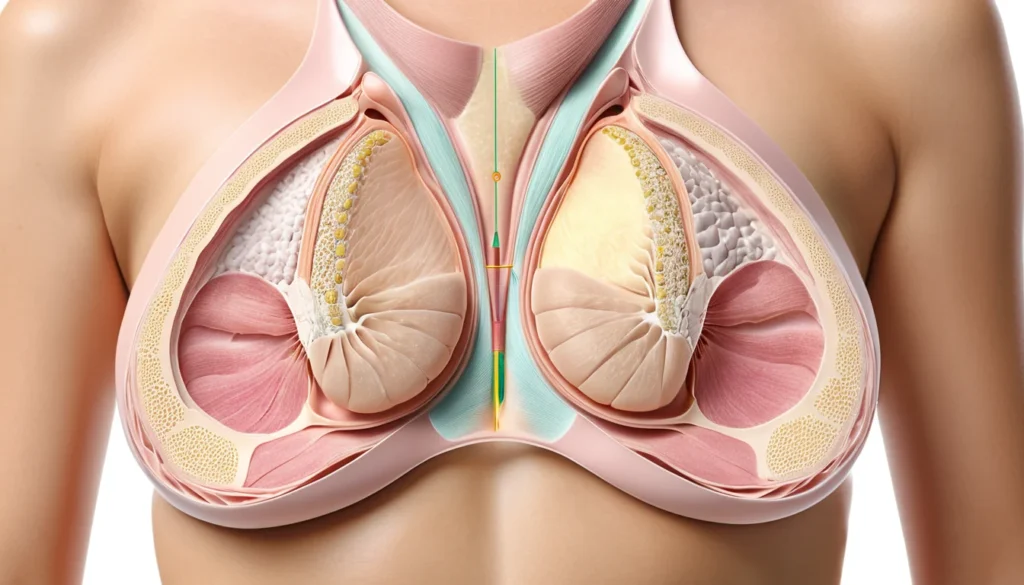
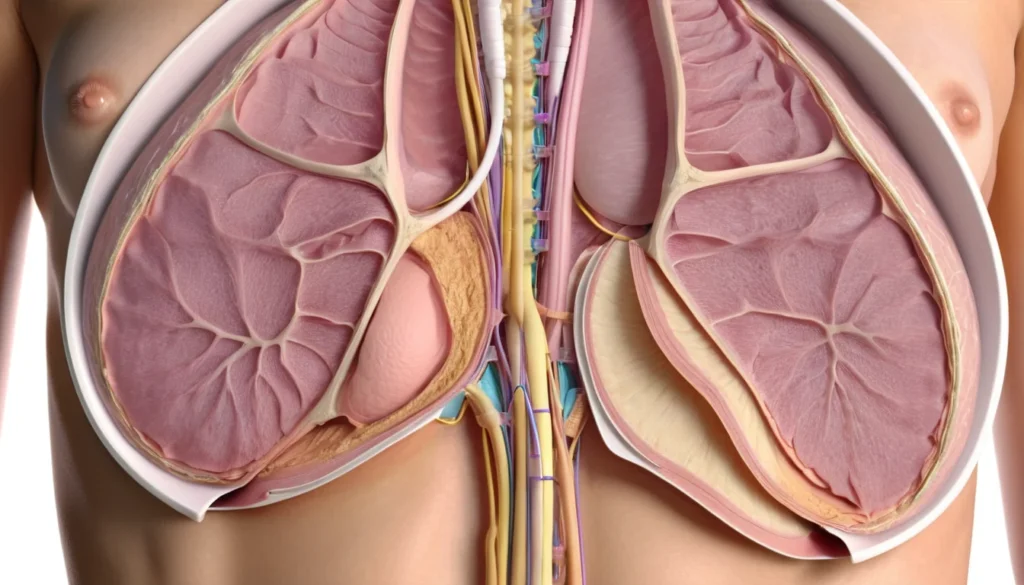
Each breast contains 15 to 20 lobes. These lobes are made up of smaller sections called lobules, which hold tiny bulbs that produce milk. The lobes, lobules, and bulbs are all connected by ducts that lead to the nipple.
The spaces between these structures are filled with fatty tissue. There are no muscles inside the breast itself — the chest muscles sit underneath, covering the ribs. Understanding this structure helps explain why breast health symptoms can vary so widely.
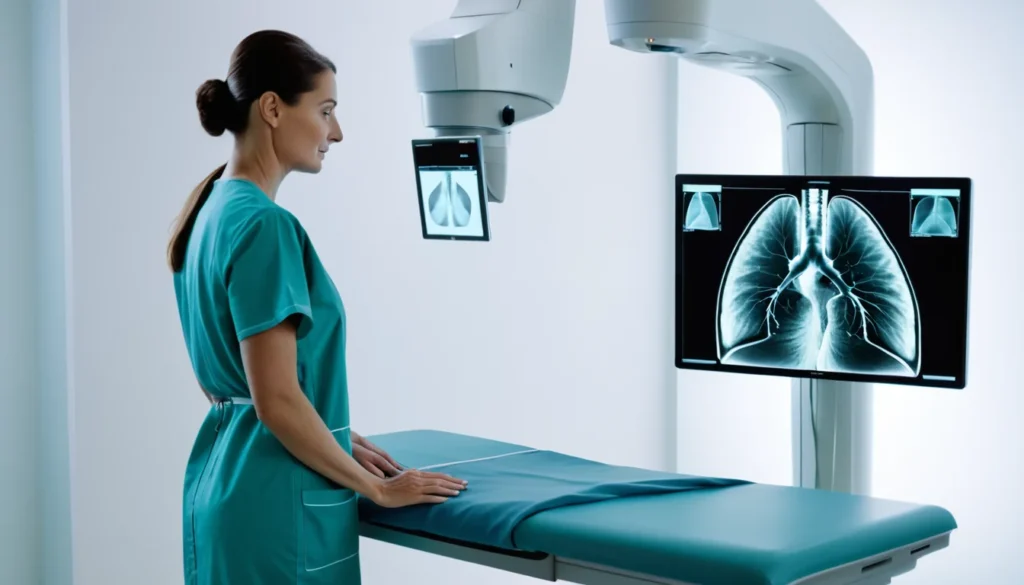
Breast tissue changes throughout the monthly cycle. These changes can also appear in older women due to shifting hormone levels, especially around menopause. Fortunately, modern tools like ultrasound, mammography, and thermography make it easier than ever to detect breast conditions early. Health Canada’s breast cancer screening guidelines offer up-to-date recommendations for Canadians.
Breast Asymmetry: When One Side Looks Different
Almost no one has perfectly symmetrical breasts. When you look in a mirror, one breast is often slightly larger or shaped differently than the other. In most cases, this is completely normal and benign.
Breast asymmetry often becomes noticeable during puberty, when breasts begin developing at different rates. It can also become more visible during pregnancy, as the body prepares for breastfeeding.
When Asymmetry Signals Something More
In rare cases, a significant size difference — such as one full cup size — may point to a congenital condition called Poland Syndrome. This condition involves underdevelopment of one chest muscle. It appears more often in men than women.
Poland Syndrome does not usually cause serious health problems. However, in some cases, it has been linked to kidney or gallbladder issues. It can go unnoticed until puberty, when breast development begins.
It is important to know that a sudden or unexplained change in breast symmetry — in both women and men — can be an early warning sign of breast cancer. If you notice a new, significant difference in breast size or shape, speak with your family doctor promptly.
Breast Cysts: What They Are and What They Mean
Many people assume that a breast cyst means cancer. However, this is a common misconception. In fact, 8 out of 10 cysts that are surgically removed turn out to be non-cancerous after biopsy.
Cysts can develop in anyone — not just women. Men can also develop breast cysts and, in some cases, breast cancer. The risk of breast cancer in men increases with age. Interestingly, research shows that roughly 20% of men diagnosed with breast cancer have a female relative with the same disease.
If you find a lump or cyst in your breast, do not panic — but do not ignore it either. Book an appointment with your family doctor or head to a walk-in clinic for an assessment. The Mayo Clinic provides a helpful overview of breast cysts, including what to expect from diagnosis and treatment.
Fibrocystic Breasts: A Very Common Breast Health Symptom
Many women notice lumpy or tender breast tissue, especially around their period or during menopause. This is often caused by a benign condition called fibrocystic breast changes — sometimes called fibrocystic breast disease.
Fibrocystic breasts are one of the most common breast health symptoms in Canada. The exact cause is not fully understood, but researchers believe it is closely linked to hormonal fluctuations during the menstrual cycle.
What Fibrocystic Breasts Feel Like
Women with fibrocystic breasts often describe a feeling of heaviness or tenderness, particularly in the days before their period. Some describe the sensation as carrying weights inside their chest. This discomfort typically improves after menstruation ends.
This condition can affect one or both breasts. The good news is that fibrocystic changes tend to ease or disappear after menopause. However, some of these cysts can be pre-cancerous, which is why regular check-ups with your family doctor remain important.
Fat Necrosis and Multiple Lumps
If the skin around a cyst appears red and irritated, this may indicate fat necrosis — the breakdown of fatty tissue. Fat necrosis usually follows a physical injury to the breast. It is not cancerous, but it does require medical evaluation.
Multiple lumps in the breast are often a sign of one of two benign conditions: breast cysts or fibroadenomas. Breast cysts tend to appear in clusters, while fibroadenomas are usually solitary. Both types of growths are typically small, round, and firm. They move slightly under the skin when pressed. Like fibrocystic cysts, they often appear and disappear in rhythm with the menstrual cycle.
Swollen and Discoloured Breasts: A Symptom to Take Seriously
Some breast swelling before a period is completely normal. However, swelling combined with redness and warmth to the touch can be a sign of something more serious: inflammatory breast cancer.
Inflammatory breast cancer is a rare but aggressive form of breast cancer. It is one of the breast health symptoms that is most often missed or misdiagnosed — sometimes confused with an infection or even an insect bite.
Symptoms of Inflammatory Breast Cancer
In addition to redness and swelling, inflammatory breast cancer can cause the following symptoms:
Skin that looks like an orange peel (a texture called peau d’orange)
Unusual warmth in the breast
Itching or pain that does not go away
A change in breast size or shape
A nipple that turns inward
Heaviness or a feeling of pressure in the breast
The key difference between normal cycle-related symptoms and inflammatory breast cancer is timing. Symptoms related to your menstrual cycle will ease after your period. Symptoms of inflammatory breast cancer, however, appear suddenly and tend to get worse over several weeks or months. Furthermore, this condition often does not produce a lump — which makes it harder to detect through self-examination alone.
If you notice any of these symptoms and they do not resolve after your period, see your family doctor right away. Do not wait. The World Health Organization’s breast cancer fact sheet highlights why early detection makes a critical difference in outcomes.
When to See a Doctor
Many breast health symptoms are benign and nothing to worry about. However, some changes deserve prompt medical attention. You should contact your family doctor or visit a walk-in clinic if you notice any of the following:
A new lump or thickening in the breast or underarm
Sudden or unexplained changes in breast size or shape
Redness, warmth, or swelling that does not improve after your period
Skin changes, such as dimpling, puckering, or an orange-peel texture
A nipple that turns inward or begins to discharge fluid
Breast pain that is new, severe, or does not go away
Most provincial health plans in Canada cover breast cancer screening mammograms for women over a certain age. Ask your family doctor whether you qualify for a covered screening in your province. If you do not have a regular doctor, a walk-in clinic can refer you to the right specialist.
This article is for informational purposes only. Always consult a qualified healthcare provider for diagnosis and treatment. If you are concerned about any breast health symptoms, please speak with your family doctor or visit a local walk-in clinic.
Frequently Asked Questions About Breast Health Symptoms
What are the most common breast health symptoms to watch for?
The most common breast health symptoms include lumps or cysts, breast swelling, tenderness, skin changes, and nipple discharge. Many of these symptoms are benign, but any new or persistent change should be assessed by your family doctor. Early detection significantly improves outcomes for serious conditions like breast cancer.
Can men experience breast health symptoms too?
Yes, men can develop breast cysts and breast cancer, although it is far less common than in women. Breast health symptoms in men — such as lumps, swelling, or nipple changes — should not be ignored. Risk increases with age, so men should also mention any unusual breast changes to their doctor.
Are fibrocystic breasts a sign of cancer?
Fibrocystic breasts are a very common benign condition and are not the same as breast cancer. However, because some fibrocystic cysts can be pre-cancerous, it is important to have regular check-ups. Your family doctor can help monitor any changes and recommend appropriate screening.
What does inflammatory breast cancer feel like?
Inflammatory breast cancer often causes redness, warmth, swelling, and skin that looks like an orange peel — rather than a distinct lump. These breast health symptoms can appear suddenly and worsen quickly over weeks. Because it can mimic an infection, it is frequently misdiagnosed, so prompt medical attention is essential.
Does breast asymmetry mean something is wrong?
Slight breast asymmetry is completely normal and affects the majority of women. However, a sudden or significant change in breast symmetry can be a breast health symptom worth investigating. If you notice a rapid change in size or shape in one breast, speak with your family doctor as soon as possible.
Are mammograms covered by provincial health plans in Canada?
According to Health Canada’s breast cancer information page, this information is supported by current medical research.
For more information, read our guide on learn about other symptoms Canadians should watch for.
In most Canadian provinces, mammogram screening is covered by the provincial health plan for women above a certain age — typically starting at 40 or 50, depending on the province. Ask your family doctor about eligibility in your area. Regular screening is one of the most effective ways to detect breast health symptoms early.
Key Takeaways
Breast health symptoms go beyond cancer — many common conditions, like fibrocystic breasts and cysts, are benign.
Both women and men can experience breast health symptoms and should take them seriously.
Slight breast asymmetry is normal, but sudden changes in size or shape deserve medical attention.
Most breast cysts are non-cancerous, but all new lumps should be evaluated by a healthcare provider.
Inflammatory breast cancer is rare but aggressive — redness and swelling that do not improve after your period are warning signs.
Most provincial health plans in Canada cover mammogram screening — ask your family doctor if you qualify.
When in doubt, visit your family doctor or a local walk-in clinic. Early detection saves lives.
Frequently Asked Questions
What are the most important breast health symptoms to watch for?
Key breast health symptoms to monitor include new lumps or thickening, nipple discharge, skin dimpling or redness, unexplained pain, and changes in breast size or shape. Any nipple inversion that is new should also be reported. These signs don’t always indicate cancer but always warrant prompt medical evaluation.
When should I see a doctor about breast health symptoms in Canada?
See your doctor immediately if you notice a new lump, bloody nipple discharge, skin that looks like orange peel, or sudden nipple inversion. In Canada, you can also visit a walk-in clinic or call 811 for health advice. Early detection significantly improves treatment outcomes for breast conditions.
What does a cancerous breast lump feel like?
A cancerous breast lump typically feels hard, irregular in shape, and is usually painless. It may feel fixed rather than moveable. However, lumps can vary widely in texture and sensation. Any new lump, whether painful or not, should be assessed by a healthcare provider as soon as possible.
How can I prevent breast health problems?
Reduce breast health risks by maintaining a healthy weight, limiting alcohol, exercising regularly, and avoiding smoking. Perform monthly breast self-exams and attend routine mammograms as recommended by your provincial health guidelines. Women aged 40–74 in Canada are generally advised to have regular screening mammograms.
What are common breast health symptoms that are not cancer?
Many breast health symptoms are benign, including cyclical tenderness linked to hormones, fibrocystic changes causing lumpiness, and mastitis causing redness and warmth during breastfeeding. Benign cysts are also common. While these conditions are non-cancerous, any new or unusual symptom should still be evaluated by a qualified healthcare professional.