
Nephrotic Syndrome: Causes, Symptoms & Treatment Canada

Share
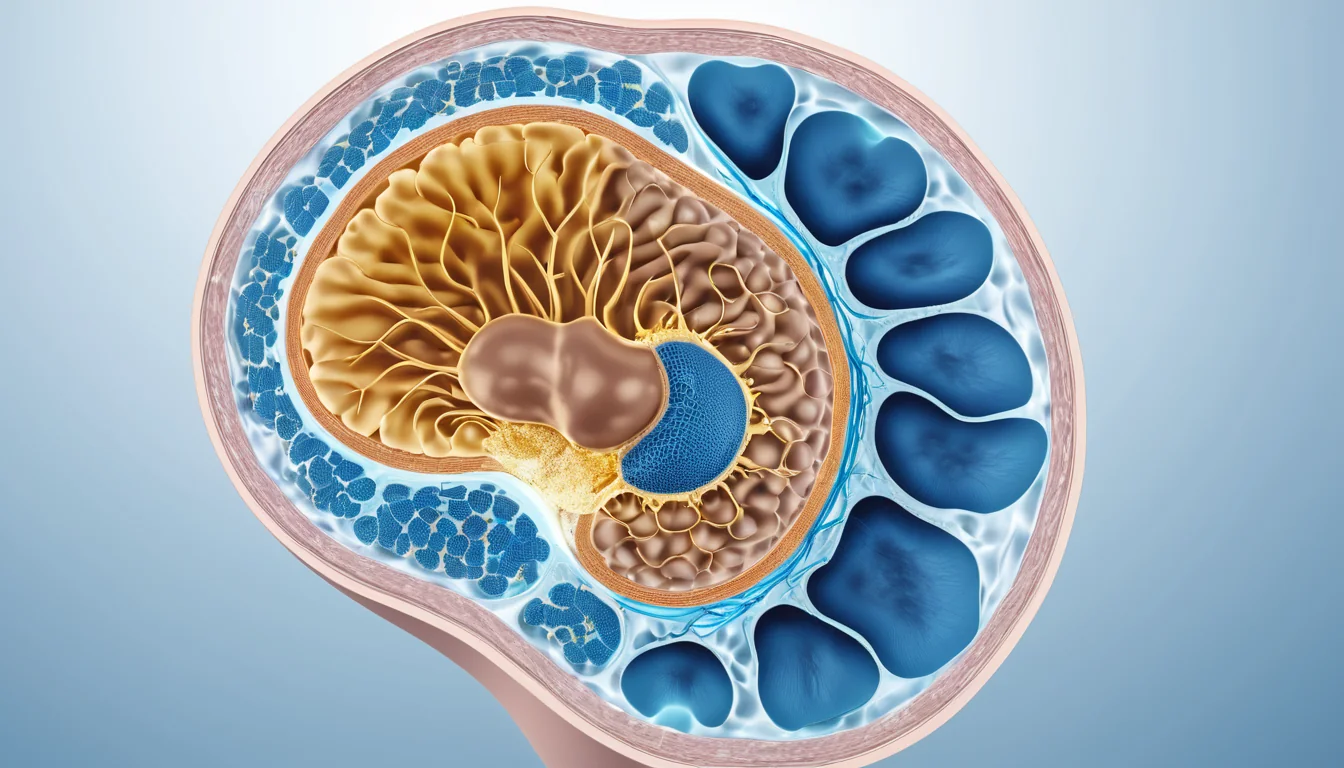
Nephrotic syndrome is a serious kidney condition that affects Canadians of all ages, causing the kidneys to leak large amounts of protein into the urine. Left untreated, it can lead to severe swelling, fatigue, and lasting health complications. In Canada, provincial health plans cover diagnosis and treatment, so early action through your family doctor or walk-in clinic can make a real difference in outcomes.
How Is Nephrotic Syndrome Diagnosed and Treated in Canada?
Understanding nephrotic syndrome causes is the first step toward managing this condition effectively. Whether it develops in children or adults, recognizing the warning signs early and seeking timely medical care gives patients the best chance at recovery. This guide explains what nephrotic syndrome is, what triggers it, how it is diagnosed in Canada, and the most effective treatment options available today.
What Is Nephrotic Syndrome?
| Type | Key Characteristics | Most Affected Population | Primary Management |
|---|---|---|---|
| Minimal Change Disease (MCD) | Normal kidney appearance under light microscopy; sudden onset of heavy proteinuria; most common cause of nephrotic syndrome in children | Children aged 1–8; less common in adults | Corticosteroids (prednisone); most cases respond well; low risk of kidney failure |
| Focal Segmental Glomerulosclerosis (FSGS) | Scarring in segments of some glomeruli; significant proteinuria; higher risk of progression to chronic kidney disease | Adults; higher incidence in Black Canadians | Corticosteroids; calcineurin inhibitors; ACE inhibitors; blood pressure control |
| Membranous Nephropathy | Thickening of the glomerular basement membrane; often associated with autoimmune conditions or certain cancers | Adults aged 40–60; more common in men | Immunosuppressive therapy; rituximab; supportive care including diuretics and statins |
| Diabetic Nephropathy | Kidney damage caused by long-standing diabetes; gradual increase in protein in urine; leading cause of nephrotic syndrome in Canadian adults | Adults with Type 1 or Type 2 diabetes | Blood sugar and blood pressure control; ACE inhibitors or ARBs; SGLT2 inhibitors; dietary sodium restriction |
| Lupus Nephritis | Kidney inflammation triggered by systemic lupus erythematosus (SLE); immune complex deposits in glomeruli; variable severity | Women of childbearing age; higher prevalence in Indigenous and Black Canadians | Hydroxychloroquine; mycophenolate mofetil; corticosteroids; regular nephrology follow-up |
Nephrotic syndrome happens when tiny blood vessels inside your kidneys become damaged. These vessels normally filter waste and extra water from your blood. When they stop working properly, your body loses important proteins through your urine.
The condition can affect anyone. However, it is most common in children between 18 months and 8 years of age. Boys develop nephrotic syndrome more often than girls. The good news is that children tend to respond better to treatment than adults.
Nephrotic syndrome can cause a range of problems in the body, including:
- Large amounts of protein lost in the urine (proteinuria)
- Low levels of albumin in the blood (a key protein)
- Swelling around the eyes, hands, and feet due to fluid build-up
- High cholesterol and triglyceride levels in the blood
What Causes Nephrotic Syndrome?
Nephrotic syndrome is caused by damage to the tiny filtering vessels in the kidneys. Many different conditions and factors can trigger this damage. Understanding the cause helps doctors choose the right treatment.
Common Causes in Adults
Diabetes is the leading cause of nephrotic syndrome in adults. Lupus (systemic lupus erythematosus) is another major cause. Both conditions damage kidney tissue over time.
In addition, certain infections can lead to nephrotic syndrome. These include:
- HIV
- Hepatitis B and Hepatitis C
- Syphilis
- Malaria
- Tuberculosis
Furthermore, some cancers such as breast cancer, lung cancer, and Hodgkin’s lymphoma have been linked to the condition. Certain medications can also cause kidney damage, including non-steroidal anti-inflammatory drugs (NSAIDs, like ibuprofen) and penicillamine. Heroin and other illegal drugs are also known risk factors.
Other Triggers
Some cases of nephrotic syndrome are linked to specific situations. These include preeclampsia during pregnancy, chronic rejection after an organ transplant, and severe allergic reactions such as bee sting anaphylaxis.
However, in some cases, doctors cannot find a clear cause. These cases are called idiopathic nephrotic syndrome. This is actually the most common type seen in young children.
Signs and Symptoms of Nephrotic Syndrome
Many people with nephrotic syndrome do not notice symptoms right away. When symptoms do appear, they can range from mild to severe. Recognising the early signs of nephrotic syndrome is important for getting help quickly.
Physical Symptoms
The most common early symptom is swelling (oedema). This often appears around the eyes, especially in the morning. Swelling in the ankles, feet, and hands is also very common.
In some cases, fluid can build up in the lungs. This causes shortness of breath and can feel alarming. Men and boys may notice swelling in the scrotum, which can sometimes lead to a more serious condition called testicular torsion and requires urgent care.
Older adults over 65 are sometimes wrongly diagnosed with heart failure because the swelling looks similar. Children may be mistakenly told they have an allergy. This is why proper testing is so important.
Changes in Blood and Urine Tests
Nephrotic syndrome also causes measurable changes that a doctor can detect through lab tests. These include:
- Low protein (albumin) levels in the blood
- High cholesterol and triglyceride levels
- Low iron and low Vitamin D levels
- Protein found in the urine (proteinuria)
If you notice foamy urine, persistent swelling, or unusual fatigue, it is worth speaking with your family doctor. These changes often show up in routine bloodwork or urine tests covered under your provincial health plan.
How Does Nephrotic Syndrome Affect the Body?
To understand nephrotic syndrome, it helps to know how healthy kidneys work. Normally, your kidneys filter out waste, extra salt, and water from your blood. They keep important proteins inside your body.
When the kidneys are damaged, they begin to leak protein into the urine. As a result, protein levels in the blood drop. Protein plays a key role in keeping fluid inside your blood vessels. Without enough protein, fluid seeps out into surrounding tissues. This is what causes the swelling you can see and feel.
The areas most commonly affected by this fluid build-up are around the eyes, the ankles, and the feet. In more serious cases, fluid can also gather in the lungs, making it harder to breathe. Therefore, what starts as a kidney problem can quickly affect many parts of the body. For more detail on how the kidneys work, visit Mayo Clinic’s overview of nephrotic syndrome.
Possible Complications of Nephrotic Syndrome
When nephrotic syndrome is not treated promptly, it can lead to serious complications. Some of these can be life-threatening. This is why early medical attention is so important.
Infections and Blood Clots
People with nephrotic syndrome have a higher risk of infection. The loss of protective proteins weakens the immune system. Serious infections such as peritonitis (infection of the abdomen lining), cellulitis (skin infection), and sepsis (blood infection) can develop.
In addition, blood clots are a significant risk. Clots can form in the deep veins of the legs (deep vein thrombosis) or travel to the lungs (pulmonary embolism). A clot in an artery can cut off blood supply to a limb. These are medical emergencies that require immediate care at a hospital or emergency room.
Long-Term Kidney Damage
Over time, nephrotic syndrome can reduce kidney function. This may progress to chronic kidney disease (CKD) or even kidney failure. Canadians with diabetes or high blood pressure face a higher risk of this progression.
High cholesterol and triglyceride levels (hyperlipidaemia) are another complication. These raise the risk of heart disease. Children with nephrotic syndrome may also experience slower growth, which can affect their adult height. The World Health Organization’s fact sheet on chronic kidney disease outlines the global burden of kidney-related complications.
Outlook and Recovery
Most children under 12 with nephrotic syndrome respond very well to treatment and have a good outlook. Children over 12, and adults with diabetes or high blood pressure, may have a more difficult recovery. Full remission is possible. Doctors generally consider the condition in remission when there are no symptoms and no treatment is needed for at least two years.
Diagnosing and Treating Nephrotic Syndrome in Canada
If your doctor suspects nephrotic syndrome, they will order urine and blood tests. A kidney biopsy may also be needed to confirm the diagnosis and find the cause. These tests are available through provincial health plans across Canada.
Treatment depends on the underlying cause. Common approaches include:
- Corticosteroids (like prednisone) to reduce kidney inflammation
- ACE inhibitors or ARBs to lower protein loss and protect the kidneys
- Diuretics (water pills) to reduce swelling
- Cholesterol-lowering medications (statins) to manage high lipid levels
- Blood thinners if blood clot risk is high
- Dietary changes, such as reducing salt and eating adequate protein
Managing the root cause — such as controlling blood sugar in diabetes or treating an infection — is also a key part of care. Your nephrologist (kidney specialist) or family doctor will work with you to build a personalised treatment plan. You can also find reliable information at Health Canada for guidance on managing chronic conditions.
When to See a Doctor
You should contact your family doctor or visit a walk-in clinic if you notice persistent swelling around your eyes, face, ankles, or feet. Foamy or frothy urine is another warning sign worth checking out. Do not wait for symptoms to get worse.
Seek emergency care immediately if you experience sudden shortness of breath, chest pain, or severe leg pain and swelling. These could be signs of a blood clot or pulmonary embolism, both of which are medical emergencies.
Children who seem unusually puffy around the eyes in the morning, or who gain weight quickly without a clear reason, should be seen by a paediatrician. Early testing can catch nephrotic syndrome before complications develop. As always, speak with your healthcare provider before making any changes to your health routine — this article is for information only and does not replace professional medical advice.
What are the first signs of nephrotic syndrome?
The earliest sign of nephrotic syndrome is usually swelling (oedema) around the eyes, especially in the morning. Swelling in the ankles and feet is also common. Some people also notice foamy urine, which indicates protein is being lost through the kidneys.
Can nephrotic syndrome be cured?
In many cases, especially in young children, nephrotic syndrome can go into full remission with proper treatment. Doctors consider it resolved when there are no symptoms and no medication is needed for at least two years. However, adults or those with underlying conditions like diabetes may face a longer recovery.
Is nephrotic syndrome the same as kidney failure?
No, nephrotic syndrome is not the same as kidney failure, but it can lead to kidney failure if left untreated. Nephrotic syndrome refers to a group of symptoms caused by damaged kidney filters. With early and appropriate treatment, many people avoid long-term kidney damage.
What foods should you avoid with nephrotic syndrome?
People with nephrotic syndrome are generally advised to reduce their salt (sodium) intake to help control swelling. Limiting saturated fats can also help manage the high cholesterol that often comes with the condition. Your doctor or a registered dietitian can give you a personalised meal plan based on your specific needs.
How is nephrotic syndrome diagnosed in Canada?
Nephrotic syndrome is typically diagnosed through urine and blood tests ordered by your family doctor or a kidney specialist (nephrologist). A kidney biopsy may be needed in some cases to find the exact cause. These diagnostic services are covered under most provincial health plans in Canada.
Can children outgrow nephrotic syndrome?
According to Mayo Clinic’s overview of nephrotic syndrome, this information is supported by current medical research.
For more information, read our guide on protein in urine causes and treatment in Canada.
Many children with nephrotic syndrome respond very well to treatment and experience full remission. Some children do have relapses, but the condition often becomes less frequent as they get older. Children diagnosed before age 12 generally have a much better outlook than adults with the same condition.
Key Takeaways
- Nephrotic syndrome is a kidney condition that causes protein to leak into the urine, leading to swelling, low blood protein, and high cholesterol.
- It can affect anyone, but is most common in children aged 18 months to 8 years.
- Common causes include diabetes, lupus, infections like hepatitis B and HIV, and certain medications.
- Symptoms include swelling around the eyes, ankles, and feet, as well as foamy urine and shortness of breath.
- Complications can include blood clots, serious infections, and chronic kidney disease.
- Most children respond well to treatment. Adults with diabetes or high blood pressure may have a harder recovery.
- If you notice swelling or foamy urine, speak with your family doctor or visit a walk-in clinic. Seek emergency care for sudden shortness of breath or chest pain.
- Treatment is available through Canadian provincial health plans and may include medications, dietary changes, and managing the underlying cause.
Frequently Asked Questions
What is nephrotic syndrome?
Nephrotic syndrome is a kidney disorder where damaged filters (glomeruli) leak large amounts of protein into the urine. This causes low blood protein levels, severe swelling (edema), high cholesterol, and foamy urine. It can affect both children and adults and may result from various underlying kidney or systemic diseases.
What are the main symptoms of nephrotic syndrome?
The main symptoms include severe swelling around the eyes, ankles, and abdomen, foamy or frothy urine due to excess protein, unexplained weight gain from fluid retention, fatigue, and loss of appetite. Some people also experience high blood pressure and increased susceptibility to infections due to protein loss.
How is nephrotic syndrome treated in Canada?
Nephrotic syndrome treatment in Canada typically includes corticosteroids like prednisone to reduce kidney inflammation, diuretics to manage swelling, ACE inhibitors to lower blood pressure and protein loss, and dietary changes such as reducing salt and protein intake. Treatment is tailored to the underlying cause and overseen by a nephrologist.
Can nephrotic syndrome be prevented?
Nephrotic syndrome cannot always be prevented, as many cases stem from immune or genetic conditions. However, managing underlying conditions like diabetes and lupus, maintaining healthy blood pressure, avoiding nephrotoxic medications, and following a kidney-friendly lifestyle can significantly reduce your risk of developing or worsening the condition.
When should you see a doctor for nephrotic syndrome?
See a doctor immediately if you notice persistent swelling in your legs, feet, or face, foamy urine, sudden unexplained weight gain, or extreme fatigue. Canadians experiencing these symptoms should seek prompt medical evaluation, as early diagnosis and treatment are critical to preventing serious kidney damage and long-term complications.

About the Author
Dr. Linda Chen, RD, PhDDr. Linda Chen is a registered dietitian and PhD in Nutritional Sciences from the University of British Columbia. With expertise in clinical nutrition, sports dietetics, and gut health, she has worked with leading Canadian hospitals and sports organizations. Dr. Chen is a member of Dietitians of Canada and regularly contributes to national nutrition policy discussions.
View all articles →