Breast Fibroadenoma: Symptoms, Diagnosis & Treatment

Share
A breast fibroadenoma is one of the most common benign breast lumps found in women across Canada, yet discovering one can understandably cause worry. This non-cancerous growth typically develops between the ages of 15 and 30 and is usually smooth, firm, and painless to the touch. Knowing what to expect can help you feel more confident when speaking with your healthcare provider.
How Is a Breast Fibroadenoma Diagnosed in Canada?
Understanding the fibroadenoma symptoms to watch for, how doctors in Canada diagnose the condition, and what treatment options are available empowers you to make informed breast health decisions. Whether you visit your family doctor, a walk-in clinic, or a specialist, early evaluation of any new breast lump is always recommended. This guide covers everything Canadian women need to know about breast fibroadenomas.
What Is a Breast Fibroadenoma?
| Type | Characteristics | Who Is Affected | Management Approach |
|---|---|---|---|
| Simple Fibroadenoma | Smooth, firm, rubbery lump; well-defined borders; typically 1–3 cm; moves easily under skin; non-tender | Most common in women aged 15–35; accounts for the majority of breast fibroadenoma diagnoses | Active surveillance with regular clinical breast exams and ultrasound monitoring; no immediate intervention usually required |
| Complex Fibroadenoma | Contains additional features such as cysts, calcifications, or areas of increased cell growth (adenosis or sclerosing adenosis) | More common in women over 35; slightly higher association with increased breast cancer risk | Biopsy for confirmation; closer imaging follow-up every 6–12 months; surgical removal may be considered |
| Giant Fibroadenoma | Exceeds 5 cm in diameter; may distort breast shape; rapid growth possible; can cause discomfort or skin stretching | More frequently seen in adolescents and pregnant or breastfeeding women | Surgical excision typically recommended due to size and cosmetic or physical concerns |
| Juvenile Fibroadenoma | Rapidly growing variant; may become large; histologically shows increased cellularity; accounts for a small subset of cases | Primarily affects adolescent girls and young women under age 18 | Surgical removal often advised; pathology review essential to distinguish from phyllodes tumour |
| Multiple Fibroadenomas | Presence of two or more fibroadenomas in one or both breasts simultaneously; each lesion shares typical fibroadenoma features | Affects approximately 10–15% of women diagnosed with a breast fibroadenoma; may have a familial component | Regular ultrasound surveillance; biopsy of any lesion showing change in size or appearance; genetic counselling if family history present |
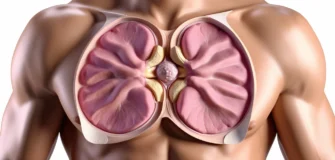
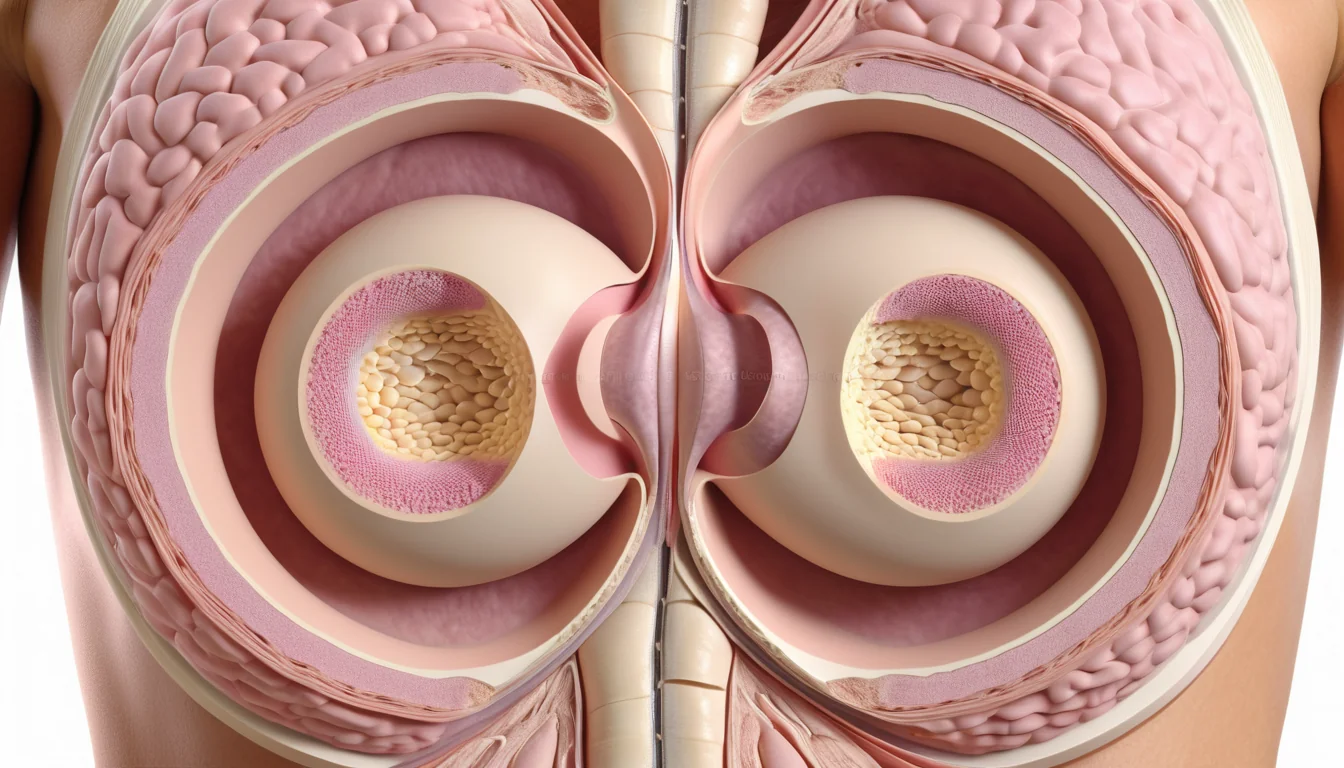
Your breasts are made up of ducts and lobes, surrounded by glandular tissue and supportive fibrous tissue. A breast fibroadenoma forms when this tissue overgrows, creating a small, firm, rounded lump. It is benign, which means it is not cancer and does not significantly raise your risk of developing breast cancer.
These lumps are usually smooth to the touch and well-defined. They can sometimes cause mild discomfort. Most fibroadenomas measure between 1 and 3 centimetres. When a fibroadenoma grows larger than 5 centimetres, doctors call it a giant fibroadenoma.
Estrogen plays a key role in fibroadenoma development. Because of this, fibroadenomas may grow slightly just before your period or during pregnancy. After menopause, many fibroadenomas shrink or disappear on their own as estrogen levels fall. However, hormone replacement therapy (HRT) may prevent this from happening. According to the Mayo Clinic’s overview of fibroadenomas, these lumps are the most common benign breast tumours in young women.
Common Symptoms of a Breast Fibroadenoma
Many women discover a breast fibroadenoma by chance during a self-exam or a routine check-up. The lump often feels round, smooth, and rubbery. It tends to move slightly when pressed, which doctors sometimes describe as feeling like a marble under the skin.
In most cases, fibroadenomas do not cause pain. However, depending on their size and location, they can cause breast tenderness or mild discomfort. Growth is usually slow and steady, not sudden.
Symptoms That Need Immediate Attention
Some breast changes need prompt medical attention. See your family doctor or go to a walk-in clinic right away if you notice any of the following:
- A lump that feels fixed or hard and does not move
- Sudden or rapid changes in lump size
- Nipple discharge, especially if it is bloody
- Skin changes around the lump, such as dimpling or redness
- A new lump after age 40
A fixed or immovable lump behaves differently from a typical fibroadenoma and may need further investigation. Therefore, never ignore a new breast change.
Who Gets Breast Fibroadenomas?
Breast fibroadenomas are most common in women between the ages of 15 and 30. More than 10% of all women will develop at least one during their lifetime. They can appear in both breasts at the same time, and in about 15% of cases, a woman may have multiple fibroadenomas.
Fibroadenomas diagnosed in teenagers are called juvenile fibroadenomas. These are the same type of benign lump but are given a specific name because of the patient’s age. They may grow more quickly during adolescence.
Fibroadenomas are less common after menopause. However, women who take estrogen-based hormone replacement therapy may still develop them or notice that existing ones do not shrink. Approximately 10% of fibroadenomas disappear on their own over time, while around 20% can recur after being removed. For more information on breast health, visit Health Canada’s official health resources.
How Is a Breast Fibroadenoma Diagnosed?
Your doctor will start by doing a physical examination of your breast. They will feel the lump and the surrounding area. They may ask you several questions, such as when you first noticed the lump, whether it has changed in size or shape, and whether you have any nipple discharge. From there, they may recommend one or more of the following tests.
Mammogram
A mammogram uses low-dose X-rays to create an image of breast tissue. On a mammogram, a breast fibroadenoma typically appears as a smooth, round, well-defined mass that looks different from the surrounding tissue. In Canada, routine mammograms are generally recommended annually for women over 40, though guidelines vary by province. Check with your provincial health plan for screening recommendations in your area.
Breast Ultrasound
For women under 30, a breast ultrasound is usually the first imaging test recommended. Young women often have denser breast tissue, which makes mammograms harder to read accurately. An ultrasound helps your doctor determine whether the lump is solid or filled with fluid. A solid mass is more likely to be a fibroadenoma, while a fluid-filled mass is more likely to be a cyst.
Fine Needle Aspiration
During this procedure, your doctor uses a thin needle to draw material from the lump. If no fluid comes out, the lump is solid. The collected cells are then sent to a laboratory to check whether they are benign or malignant. This is a quick, minimally invasive procedure done right in the office.
Core Needle Biopsy
A core needle biopsy uses a slightly larger needle to remove a small sample of breast tissue. It is typically done with ultrasound guidance to make sure the needle reaches the correct spot. This is the most reliable way to confirm a diagnosis of breast fibroadenoma. However, young women and teenagers do not always need a biopsy if the lump clearly has all the typical characteristics of a fibroadenoma.
Treatment Options for Breast Fibroadenoma
Because a breast fibroadenoma is benign, it does not always need to be removed. Many doctors recommend a watch-and-wait approach. This means monitoring the lump over time with regular check-ups and imaging. Many fibroadenomas stay the same size or even shrink on their own.
When Surgery May Be Recommended
Surgery is considered when the fibroadenoma changes in size or shape, causes significant pain or discomfort, or when the patient feels anxious about leaving it untreated. The decision to operate depends on both physical and emotional factors. Your doctor will discuss these with you in detail before making any recommendation.
Surgical removal is done under local anaesthetic. The entire fibroadenoma is removed during the procedure. In some cases, a fine needle procedure can also remove the lump without a larger incision. As with any surgical procedure, there are small risks of bleeding, scarring, and infection. In addition, there is a chance the fibroadenoma may return in the same area after removal.
Non-Surgical Options
Some women choose a non-surgical approach, especially if their fibroadenoma is small and not causing symptoms. In this case, regular monitoring through clinical breast exams and imaging is important. Your family doctor can help set up a monitoring plan that fits your situation and your provincial health plan coverage. Healthline’s guide to fibroadenoma management also offers helpful information about living with a benign breast lump.
Breast Fibroadenoma and Breast Cancer Risk
It is completely natural to worry about breast cancer when you find a lump. The good news is that a breast fibroadenoma is benign and does not significantly increase your risk of developing breast cancer. Cancerous cells are very rarely found in fibroadenoma biopsy samples.
However, a small number of women with fibroadenomas may have a slightly higher breast cancer risk for other reasons, such as family history or other breast tissue changes. Therefore, ongoing monitoring and open communication with your doctor remain important. Regular breast self-exams and attending routine screening appointments are always a good idea, regardless of whether you have a fibroadenoma.
When to See a Doctor About a Breast Lump
If you find any new lump in your breast, book an appointment with your family doctor as soon as possible. You can also visit a walk-in clinic if your family doctor is unavailable. Do not wait to see if the lump goes away on its own before seeking advice.
Your doctor may refer you to a breast health specialist or arrange imaging through your provincial health plan. Early evaluation brings peace of mind, even when the lump turns out to be completely harmless. This article is for general information only and is not a substitute for professional medical advice. Always consult a qualified healthcare provider about any health concerns.
Frequently Asked Questions About Breast Fibroadenoma
Is a breast fibroadenoma dangerous?
A breast fibroadenoma is a benign (non-cancerous) lump and is not considered dangerous. It does not significantly increase your risk of breast cancer. However, any new breast lump should be evaluated by a doctor to confirm the diagnosis.
Can a breast fibroadenoma go away on its own?
Yes, some breast fibroadenomas shrink or disappear on their own, especially after menopause when estrogen levels drop. Approximately 10% of fibroadenomas resolve without any treatment. Your doctor may recommend monitoring the lump over time rather than removing it right away.
What does a breast fibroadenoma feel like?
A breast fibroadenoma typically feels smooth, round, and rubbery, and it tends to move slightly when pressed. It is usually well-defined with clear edges and is generally not painful. Some women describe it as feeling like a marble under the skin.
Do I need surgery to remove a breast fibroadenoma?
Not always. Many breast fibroadenomas are monitored over time and do not require surgery. Surgery is usually recommended if the lump changes in size or shape, causes pain, or causes significant anxiety. Your doctor will help you weigh the benefits and risks based on your individual situation.
Can teenagers get breast fibroadenomas?
Yes, breast fibroadenomas are actually most common in young women and teenagers between the ages of 15 and 30. When diagnosed in a teenager, the lump is called a juvenile fibroadenoma. These lumps may grow more quickly during adolescence but are still benign.
How is a breast fibroadenoma diagnosed in Canada?
According to Mayo Clinic’s overview of fibroadenoma causes and symptoms, this information is supported by current medical research.
For more information, read our guide on learn about other common health conditions in Canada.
In Canada, a breast fibroadenoma is typically diagnosed through a combination of a physical exam, breast ultrasound or mammogram, and sometimes a biopsy. Women under 30 usually start with an ultrasound, while those over 40 may have a mammogram. Your provincial health plan covers most of these diagnostic tests when ordered by a doctor.
Key Takeaways
- A breast fibroadenoma is a common, benign breast lump most often found in women aged 15 to 30.
- It is not cancer and does not significantly increase your risk of developing breast cancer.
- Fibroadenomas feel smooth, round, and movable under the skin.
- Estrogen influences their growth, so they may change in size during your menstrual cycle, pregnancy, or with hormone therapy.
- Diagnosis may involve a physical exam, ultrasound, mammogram, or biopsy.
- Many fibroadenomas do not need treatment and are simply monitored over time.
- Surgery is an option when the lump changes, causes discomfort, or causes significant worry.
- Always see your family doctor or visit a walk-in clinic if you find a new lump in your breast.
Frequently Asked Questions
What is a breast fibroadenoma?
A breast fibroadenoma is a non-cancerous (benign) tumour made of glandular and connective breast tissue. It is the most common benign breast lump, most frequently affecting women aged 15–35. Fibroadenomas typically feel smooth, firm, and rubbery, and move easily under the skin when touched.
What are the symptoms of a breast fibroadenoma?
The most common symptom of a breast fibroadenoma is a painless, smooth, firm lump that moves freely under the skin. Most are solitary and range from 1–3 cm. Some women experience mild tenderness before menstruation. Many fibroadenomas cause no symptoms and are discovered during a routine breast exam or imaging.
How is a breast fibroadenoma treated in Canada?
Treatment depends on size, symptoms, and patient preference. Many small, confirmed fibroadenomas are monitored with regular ultrasounds. Surgical removal (lumpectomy) or minimally invasive procedures like vacuum-assisted excision are options if the lump grows, causes discomfort, or causes anxiety. Canadian guidelines support watchful waiting for stable, biopsy-confirmed benign fibroadenomas.
Can you prevent breast fibroadenomas?
There is currently no proven way to prevent breast fibroadenomas. They are linked to hormonal fluctuations, particularly estrogen. Maintaining a healthy weight, limiting alcohol, and avoiding unnecessary hormone supplements may help reduce risk. Regular self-exams and routine clinical breast checks support early detection rather than prevention.
When should I see a doctor about a breast lump?
See a doctor promptly if you notice a new breast lump, or if an existing lump changes in size, shape, or feel. Seek care immediately if you experience skin dimpling, nipple discharge, persistent pain, or swollen lymph nodes. Early evaluation by a Canadian healthcare provider ensures accurate diagnosis and appropriate management.

About the Author
Dr. Michael Ross, MD, FRCSCDr. Michael Ross is a fellowship-trained orthopedic surgeon at the University of Alberta Hospital, specializing in joint replacement and sports medicine. A Fellow of the Royal College of Surgeons of Canada (FRCSC), he has over 18 years of surgical experience and has authored multiple textbook chapters on musculoskeletal health. Dr. Ross is passionate about patient education and evidence-based medicine.
View all articles →