Gynecomastia Causes: Symptoms & Treatment in Canada

Share
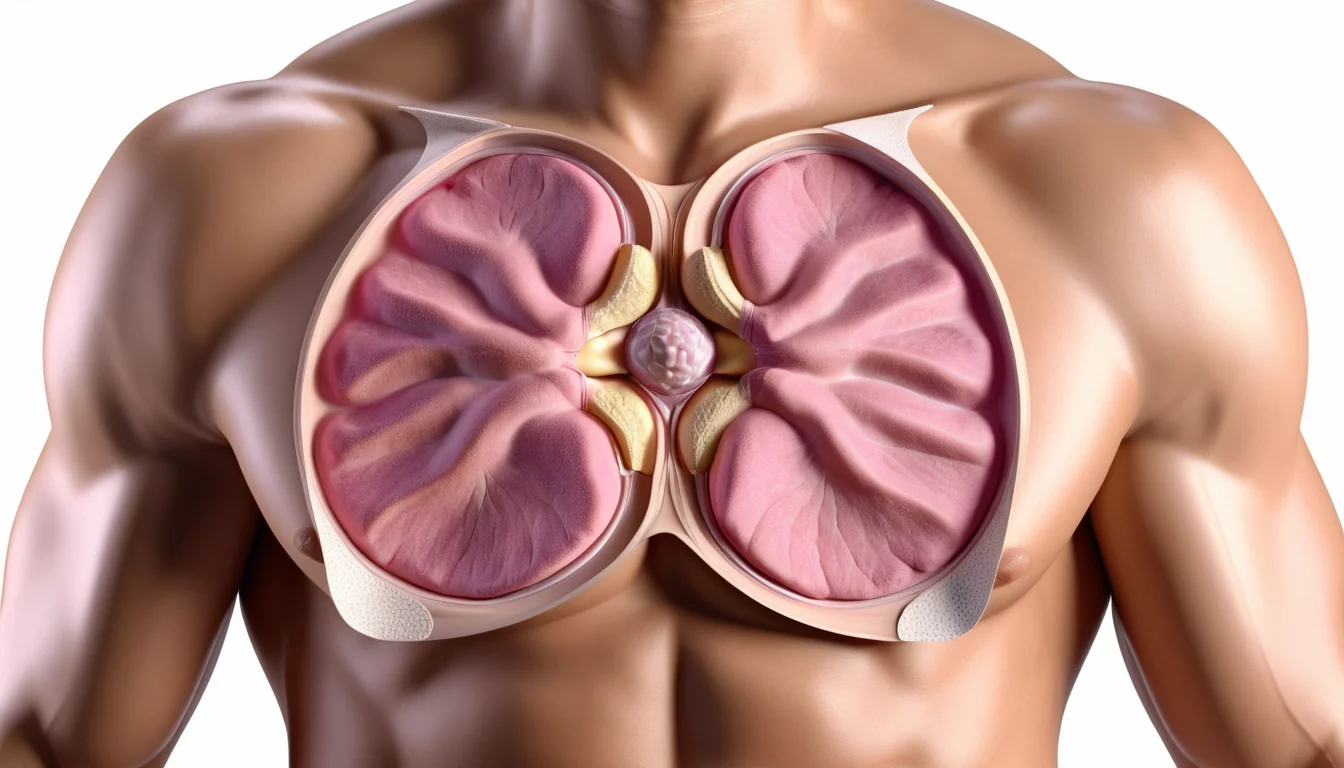
Gynecomastia causes breast tissue in men and boys to become enlarged, and it is far more common than many Canadians realize. This condition develops when hormone levels shift — typically due to excess estrogen or insufficient testosterone — and it can affect males at virtually any age. While gynecomastia is usually not dangerous, understanding why it happens and recognizing the signs early can make a significant difference in how effectively it is managed.
Understanding Gynecomastia Causes and Risk Factors
Male breast enlargement can be a source of discomfort and concern for those experiencing it across Canada. Whether it appears in newborns, teenagers going through puberty, or adult men dealing with age-related hormonal changes, the underlying mechanism involves a disruption in the balance between estrogen and testosterone. Knowing the root causes, the symptoms to watch for, and the treatment options available through the Canadian healthcare system empowers patients to seek timely and appropriate care.
What Is Gynecomastia?
| Type | Characteristics | Common Causes | Management |
|---|---|---|---|
| Physiological (Newborn) | Temporary breast tissue enlargement in neonates; typically resolves within 2–4 weeks | Maternal estrogen transfer during pregnancy | No treatment required; observation only |
| Physiological (Pubertal) | Firm, sometimes tender breast tissue in adolescent males; usually bilateral; peaks at ages 13–14 | Hormonal fluctuations during puberty; temporary estrogen-to-testosterone imbalance | Reassurance and monitoring; resolves within 6–24 months in most cases |
| Physiological (Age-Related) | Gradual breast tissue growth in men over 50; often painless; may be unilateral or bilateral | Declining testosterone levels; increased body fat converting androgens to estrogens | Lifestyle modifications; medical evaluation to rule out underlying conditions |
| Pathological | Progressive enlargement; may be unilateral; associated with systemic symptoms; persistent | Liver disease, kidney failure, thyroid disorders, hypogonadism, tumours | Treat underlying condition; medication review; specialist referral in Canada’s public health system |
| Drug-Induced | Onset correlates with medication use; typically bilateral; may regress after drug discontinuation | Anabolic steroids, spironolactone, certain antipsychotics, proton pump inhibitors, cannabis | Medication adjustment or discontinuation under physician supervision; monitoring |
| Idiopathic | No identifiable underlying cause after thorough investigation; persistent breast tissue growth | Unknown; possibly undetected hormonal imbalances | Surgical options (mastectomy) or pharmacological therapy such as tamoxifen if symptomatic |
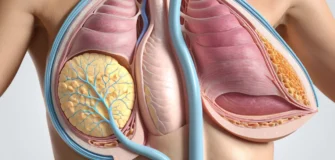
Gynecomastia comes from two Greek words meaning “woman” and “breast.” It refers to the growth of breast gland tissue in males. This is different from fat buildup in the chest, which can look similar but has a different cause.
The condition happens when the balance between estrogen and testosterone is disrupted. Estrogen is often called a female hormone, but males produce small amounts of it too. When estrogen levels rise or testosterone levels drop, breast tissue can grow. According to Mayo Clinic’s overview of gynecomastia, this hormonal imbalance is the root cause in most cases.
Common Causes of Gynecomastia
There are several reasons why gynecomastia can develop. The cause depends largely on the age of the person affected. Understanding the cause helps guide the right treatment.
Gynecomastia in Newborns
Newborn boys can be born with temporarily enlarged breast tissue. This happens because estrogen from the mother passes through the placenta before birth. In most cases, the swelling goes away on its own within two to three weeks after birth. No treatment is needed.
Gynecomastia in Teenagers
Puberty brings big hormonal changes for boys. These shifts can cause gynecomastia in adolescents, and it is actually quite common. About one in three boys aged 13 to 14 experience some degree of breast tissue growth during puberty. The good news is that it usually goes away on its own within about 18 months.
Gynecomastia in Adult Men
In adult men, gynecomastia is often linked to an underlying health condition or medication. Here are some of the most common causes:
- Liver conditions: Liver cirrhosis can affect hormone processing in the body.
- Thyroid problems: An overactive thyroid (hyperthyroidism) can raise estrogen levels.
- Tumours: Cancers of the lung, liver, pituitary gland, testicles, or adrenal glands can disrupt hormone levels.
- Substance use: Alcohol, marijuana, methamphetamine, and heroin have all been linked to gynecomastia.
In addition, certain medications can trigger gynecomastia as a side effect. These include:
- Steroids such as prednisone
- Anti-ulcer medications such as cimetidine
- Anti-seizure medications such as phenytoin
- Heart medications such as digoxin
- Chemotherapy drugs, especially alkylating agents
- Anti-androgen medications such as flutamide, cyproterone, and spironolactone
- Anti-anxiety medications and antidepressants, including diazepam and tricyclic antidepressants
If you are taking any of these medications and notice breast tissue changes, speak with your family doctor. Do not stop any prescribed medication without medical advice. For more background on hormonal causes, visit Healthline’s guide to gynecomastia causes and risk factors.
Recognising the Symptoms of Gynecomastia
The main symptom of gynecomastia is enlarged breast tissue in males. However, there are a few other things to watch for. Knowing what to look for helps you decide when to take action.
Physical Signs
The breast tissue may feel rubbery or firm to the touch. This is different from soft fatty tissue. The enlargement can happen on one side or both sides of the chest. Some men also notice tenderness or sensitivity in the breast area.
What Is Normal vs. What Is Not
In teenagers, some breast tissue growth is a normal part of puberty. However, a lump that feels very hard, is fixed in place, or only appears on one side could signal something more serious. In these cases, further testing is important to rule out other conditions.
It is also worth noting that gynecomastia is not the same as breast cancer in men, though both can cause lumps. Breast cancer in men is rare but does occur. Any unusual lump should be checked by a healthcare provider.
How Gynecomastia Is Diagnosed
A doctor diagnoses gynecomastia through a physical exam and a review of your medical history. Your doctor will ask about your medications, lifestyle habits, and any other symptoms you have noticed. In most cases, no extra testing is needed.
However, if your doctor finds a lump that is unusually large, hard, fixed, or only on one side, they may order additional tests. These could include blood work to check hormone levels, an ultrasound, or a mammogram. These tests help rule out other conditions such as breast cancer or hormone-producing tumours.
According to Health Canada, Canadians have access to diagnostic services through their provincial health plans. Most initial assessments can be done through your family doctor or a walk-in clinic.
Gynecomastia Treatment Options
Treatment for gynecomastia depends on the cause and severity. In many cases, no treatment is needed at all. The right approach is different for each person.
Watchful Waiting
For newborns and teenagers, doctors often recommend simply waiting and monitoring. In these age groups, gynecomastia almost always resolves on its own. Regular check-ins with a family doctor are usually enough to keep track of any changes.
Treating the Underlying Cause
If a medication is causing the problem, your doctor may switch you to a different one. If an underlying condition such as liver disease or a thyroid problem is to blame, treating that condition often resolves the gynecomastia as well. This is why finding the root cause is so important.
Hormone Therapy
When gynecomastia is caused by low testosterone or high estrogen, hormone therapy may be recommended. A specialist such as an endocrinologist would typically oversee this type of treatment. Hormone therapy is carefully monitored to avoid other side effects.
Surgery
In cases where gynecomastia is long-lasting, severe, or causing significant emotional distress, surgery may be an option. The procedure removes excess breast tissue. Your family doctor can refer you to a specialist if this option is appropriate for your situation. Provincial health plans may cover surgery when it is considered medically necessary, though coverage varies by province.
When to See a Doctor
You should see a doctor if you notice any new or unusual changes in breast tissue. This is especially true if you feel a hard lump, notice pain, or see changes on only one side of the chest. Do not wait to get it checked.
Your first step can be visiting your family doctor or a local walk-in clinic. They can assess your symptoms, review your medications, and refer you to a specialist if needed. Specialists who commonly treat gynecomastia include endocrinologists and, in some cases, general surgeons.
Remember, getting checked early gives you more options and greater peace of mind. As always, consult your doctor before making any changes to your medications or treatment plan.
Frequently Asked Questions About Gynecomastia
Is gynecomastia dangerous?
Gynecomastia itself is not usually dangerous. However, it can sometimes be a sign of an underlying condition that needs treatment. It is always a good idea to have a doctor evaluate any changes in breast tissue to rule out more serious causes.
Does gynecomastia go away on its own?
In newborns and teenagers, gynecomastia almost always goes away on its own without treatment. In adults, it depends on the cause. If a medication or underlying condition is responsible, addressing that cause often resolves the gynecomastia as well.
What is the difference between gynecomastia and chest fat?
Gynecomastia involves actual growth of breast gland tissue, while chest fat is simply fatty tissue that builds up in the chest area. Gynecomastia tissue tends to feel firmer or rubbery, whereas chest fat feels soft. A doctor can tell the difference during a physical exam.
Can gynecomastia be caused by medication?
Yes, several medications are known to cause gynecomastia as a side effect. These include certain steroids, heart medications, anti-seizure drugs, and antidepressants. If you think your medication is the cause, speak with your doctor before making any changes to your prescription.
Is gynecomastia covered by provincial health plans in Canada?
Diagnostic services and medical treatment for gynecomastia are generally covered under provincial health plans. Surgical treatment may be covered if it is considered medically necessary, but coverage rules vary by province. Check with your provincial health authority or family doctor for details specific to your situation.
Should I see a specialist for gynecomastia?
According to Mayo Clinic’s overview of gynecomastia causes and treatment, this information is supported by current medical research.
For more information, read our guide on hormone imbalance and protein in urine symptoms.
Your family doctor or walk-in clinic is a great first step for evaluating gynecomastia. They may refer you to an endocrinologist if a hormonal cause is suspected, or to a surgeon if treatment is needed. Most cases can be managed through your regular healthcare provider without needing a specialist right away.
Key Takeaways
- Gynecomastia is the enlargement of breast tissue in males and can occur at any age.
- It is caused by a hormonal imbalance — too much estrogen or too little testosterone.
- In newborns and teenagers, it almost always resolves on its own without treatment.
- In adults, common causes include medications, substance use, and underlying health conditions.
- Symptoms include firm or rubbery breast tissue, which may affect one or both sides of the chest.
- Diagnosis is usually done through a physical exam and medical history review.
- Treatment ranges from watchful waiting to hormone therapy or surgery, depending on the cause.
- Always speak with your family doctor or visit a walk-in clinic if you notice unusual changes in breast tissue.
Frequently Asked Questions
What are the most common gynecomastia causes in men?
The most common gynecomastia causes include hormonal imbalances between estrogen and testosterone, puberty, aging, obesity, and certain medications such as anabolic steroids, antidepressants, and blood pressure drugs. Medical conditions like liver disease, kidney failure, and hyperthyroidism can also trigger abnormal breast tissue growth in males.
What are the symptoms of gynecomastia?
Gynecomastia symptoms include swollen, firm glandular tissue beneath one or both nipples, breast tenderness or sensitivity, and noticeable chest enlargement. Unlike fatty tissue from obesity, true gynecomastia involves actual glandular growth. Some men also experience nipple discharge, which warrants immediate medical evaluation.
How is gynecomastia treated in Canada?
Treatment depends on the underlying cause and severity. Mild cases often resolve on their own within six months to two years. Options include addressing the root cause, stopping triggering medications, hormone therapy, or surgery. In Canada, gynecomastia surgery (reduction mammoplasty) is typically considered elective and not covered by provincial health insurance.
Can gynecomastia causes be prevented?
While not always preventable, you can reduce your risk by avoiding anabolic steroids, recreational drugs like marijuana and alcohol, and reviewing medications with your doctor. Maintaining a healthy weight helps prevent estrogen-related imbalances. Regular health checkups can identify hormonal or medical conditions contributing to gynecomastia early.
When should you see a doctor for gynecomastia?
See a doctor if you notice persistent breast swelling lasting more than two weeks, pain, tenderness, nipple discharge, or swelling in only one breast. These symptoms could indicate an underlying hormonal disorder or, rarely, male breast cancer. Early diagnosis ensures proper treatment and rules out serious medical conditions.

About the Author
Dr. Linda Chen, RD, PhDDr. Linda Chen is a registered dietitian and PhD in Nutritional Sciences from the University of British Columbia. With expertise in clinical nutrition, sports dietetics, and gut health, she has worked with leading Canadian hospitals and sports organizations. Dr. Chen is a member of Dietitians of Canada and regularly contributes to national nutrition policy discussions.
View all articles →