Nipple Discharge: Causes, When to Worry & What to Do

Share
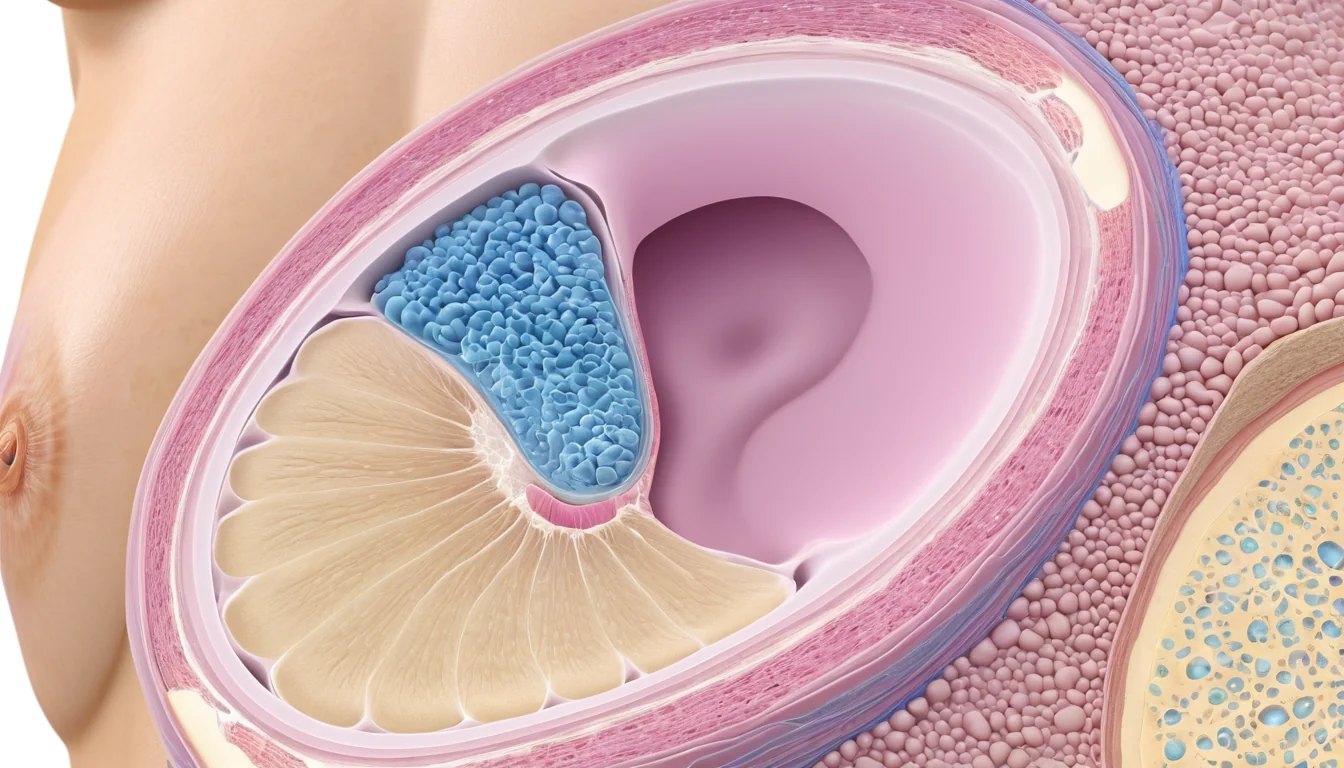
Nipple discharge can be alarming, but in most cases it does not signal a serious health problem. The breast is a gland, so the nipples can sometimes release fluid even if you have never been pregnant or breastfed. While the majority of causes are benign and treatable, it is always wise to speak with your family doctor or visit a Canadian health clinic to find out what is going on.
Common Causes of Nipple Discharge in Women
Understanding the common nipple discharge causes can help you decide whether your symptoms need urgent attention or routine follow-up. From hormonal shifts and medications to conditions like intraductal papilloma and galactorrhea causes, many factors can trigger fluid from the nipple. Canadian women of all ages experience this concern — here is what you need to know to stay informed and take the right next steps.
What Is Nipple Discharge?
| Type of Nipple Discharge | Characteristics | Common Causes | Recommended Action |
|---|---|---|---|
| Milky (Galactorrhea) | White or cloudy, may occur in both breasts, not related to breastfeeding | Elevated prolactin, thyroid disorders, certain medications (antipsychotics, antidepressants) | See your family doctor; blood tests to check prolactin and thyroid hormone levels |
| Clear or Watery | Thin, transparent fluid; may occur spontaneously or with pressure | Fibrocystic changes, early pregnancy, intraductal papilloma | Monitor closely; consult a physician if persistent or spontaneous |
| Bloody or Blood-Tinged | Pink, red, or brown discharge; often from one breast or single duct | Intraductal papilloma, ductal ectasia, rarely breast cancer | Seek prompt medical attention; imaging (mammogram or ultrasound) required |
| Yellow or Green | Thick, coloured discharge; may have an odour; often bilateral | Fibrocystic breast changes, ductal ectasia, infection (mastitis) | Physician evaluation recommended; antibiotics if infection is confirmed |
| Purulent (Pus-Like) | Thick, cloudy, foul-smelling; associated with pain, redness, or swelling | Breast abscess, mastitis, subareolar abscess | Urgent medical care required; may need antibiotics or surgical drainage |
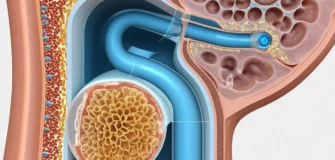
Nipple discharge is any fluid that leaks from one or both nipples when a woman is not breastfeeding. The fluid leaves through the same tiny openings that release breast milk. Each nipple has a cluster of about ten of these small openings.
The discharge can appear on its own or when you press on the nipple or breast. It comes in many forms — it may look milky, or it may be yellow, green, brown, or bloody. The texture can range from watery to thick and sticky.
According to Mayo Clinic, nipple discharge becomes more common as a woman gets older and after multiple pregnancies. It is one of the most frequent breast-related concerns that bring women to their doctor.
Common Causes of Nipple Discharge
There are several reasons why nipple discharge may occur. Some causes are completely normal, while others need medical attention. Understanding the difference can help you stay calm and take the right next step.
Normal Breast Function
Sometimes, nipple discharge is simply the breast doing what it naturally does. In these cases, the discharge will go away on its own. It is important not to keep squeezing or checking the nipple, as this stimulation can actually make the discharge last longer.
Mammary Duct Ectasia
Mammary duct ectasia is one of the most common causes of abnormal nipple discharge. One or more ducts beneath the nipple become inflamed and widened. They can also become blocked by a thick, sticky fluid that may appear green or black.
This condition most often affects women between the ages of 40 and 50. Warm compresses on the breast can ease discomfort. Over-the-counter anti-inflammatory medicines like ibuprofen may also help. In some cases, a doctor will prescribe antibiotics, and occasionally surgery is needed to remove the affected duct.
Intraductal Papilloma
An intraductal papilloma is a small, usually non-cancerous growth inside one of the milk ducts near the nipple. It is most common in women between the ages of 35 and 55. The exact causes and risk factors are not yet fully understood.
The discharge from an intraductal papilloma is often bloody or sticky and usually comes from a single duct. You may notice small stains on your bra or shirt. In some cases, a small lump can be felt near the edge of the areola.
Your doctor will likely order an ultrasound to look for the growth. Treatment usually involves minor surgery to remove the duct and check the surrounding tissue to rule out cancer.
Galactorrhea
Galactorrhea is milky nipple discharge that is not related to breastfeeding. The fluid is usually white or clear, but it can also appear yellow or green. It may come from one or both breasts.
This condition happens when the body produces too much prolactin. Prolactin is the hormone that tells the body to make breast milk after childbirth. However, prolactin levels can rise for other reasons, including hormonal imbalances, an underactive thyroid gland, or a small benign tumour on the pituitary gland called a prolactinoma.
Certain medications can also trigger galactorrhea. These include some birth control pills, antidepressants, blood pressure medications, and stomach medicines. Frequent breast stimulation can cause it as well. For more information on hormonal causes, visit Healthline’s guide to galactorrhea.
Fibrocystic Breast Changes
Fibrocystic changes are extremely common. In fact, more than half of all women experience them to some degree. These changes can make breasts feel tender and lumpy, and they may cause yellow or greenish nipple discharge.
Your doctor may order a mammogram or ultrasound to make sure the discharge is not caused by cancer. If the tests confirm fibrocystic changes are the cause, no further treatment is usually needed.
Breast Abscess
A breast abscess is an infection that most often affects women who are breastfeeding. Bacteria can enter the breast tissue through a small cut or crack in the skin. This leads to a painful, red, swollen, and warm area on the breast.
The discharge from an abscess may contain pus. Treatment includes draining the abscess and taking antibiotics prescribed by your doctor.
Breast Injury
A direct blow to the chest — for example, from a car accident or a sports injury — can cause nipple discharge from both breasts. The fluid may be clear, yellow, or bloody. This type of discharge usually involves more than one duct and appears shortly after the injury.
Breast Cancer
Nipple discharge is rarely caused by cancer. However, it is possible for discharge to be an early sign of intraductal cancer or another type of breast cancer. This is why it is important not to ignore any discharge and to get it checked by a health professional.
Health Canada’s breast cancer resources remind Canadians that early detection greatly improves outcomes. Regular screening is an important part of breast health.
How Doctors Diagnose the Cause
When you visit your doctor about nipple discharge, they will ask you several questions. Your answers will help them figure out the cause quickly and accurately.
Be prepared to describe the following:
- What colour is the discharge?
- Does it come from one breast or both?
- How much discharge is there?
- Does it come from one opening in the nipple or several?
- Does it appear on its own or only when you press on the nipple?
- Do you have other symptoms, such as fever, breast pain or swelling, headaches, or changes in your vision?
- Have you had a recent breast injury?
- What medications are you currently taking?
After a physical exam and a review of your answers, your doctor may order tests. These can include blood work, a mammogram, a breast ultrasound, a ductogram, or an MRI. Your doctor may also collect a small sample of the discharge and send it to a lab for analysis. In some cases, follow-up tests are needed even after initial results come back.
When to See a Doctor About Nipple Discharge
Not all nipple discharge requires an emergency visit, but you should never ignore it completely. It is always better to get checked and have peace of mind.
See your family doctor or visit a walk-in clinic as soon as possible if you notice any of the following:
- The discharge is bloody or dark in colour
- The discharge comes from only one breast or one duct opening
- You also feel a lump in your breast
- The discharge appears on its own, without squeezing
- You are not breastfeeding and have not been pregnant recently
- You have nipple discharge along with fever, breast redness, or swelling
- You notice changes in your vision or persistent headaches alongside discharge
Most provincial health plans in Canada cover visits to your family doctor for concerns like this. If you do not have a family doctor, a walk-in clinic is a great place to start. A doctor there can assess you, order initial tests, and refer you to a specialist if needed.
As always, this article is meant to inform, not replace medical advice. Please speak with a qualified healthcare provider about your specific situation.
Frequently Asked Questions About Nipple Discharge
Is nipple discharge a sign of breast cancer?
Nipple discharge is rarely a sign of breast cancer. However, bloody discharge from a single breast duct, especially when it appears on its own, should always be assessed by a doctor. Most causes of nipple discharge are benign and treatable.
What does normal nipple discharge look like?
Normal nipple discharge is usually milky, clear, or slightly yellow in colour. It often only appears when the nipple is squeezed and may come from both breasts. If the discharge is bloody, comes on its own, or only from one breast, it is worth getting checked by your doctor.
Can medications cause nipple discharge?
Yes, several medications can cause nipple discharge, including some antidepressants, blood pressure drugs, antipsychotics, and certain birth control pills. These medications can raise prolactin levels, which triggers milky discharge known as galactorrhea. Talk to your family doctor if you think a medication may be the cause.
Should I stop breastfeeding if I notice unusual nipple discharge?
If you are breastfeeding and notice discharge that looks like pus or notice breast redness and swelling, you may have an infection called mastitis or a breast abscess. You should see your doctor promptly, but in many cases you can continue breastfeeding while receiving treatment. Your doctor will advise you on the safest course of action.
When should I go to a walk-in clinic for nipple discharge?
You should visit a walk-in clinic if you do not have a family doctor and you notice nipple discharge that is bloody, comes on its own, or is accompanied by a lump, fever, or breast pain. Walk-in clinics across Canada can assess your symptoms, order tests, and refer you to a specialist if needed.
Can nipple discharge go away on its own?
According to Mayo Clinic’s guide to nipple discharge causes, this information is supported by current medical research.
For more information, read our guide on protein in urine symptoms and causes.
Yes, nipple discharge caused by normal breast gland activity often resolves on its own. Avoiding frequent nipple stimulation, such as repeatedly checking for discharge, can help it stop sooner. However, if the discharge persists, changes in colour or amount, or is accompanied by other symptoms, see a healthcare provider.
Key Takeaways
- Nipple discharge is common and is rarely caused by cancer.
- The breast is a gland and can naturally produce small amounts of fluid.
- Common causes include mammary duct ectasia, intraductal papilloma, galactorrhea, fibrocystic changes, breast infections, and injury.
- Certain medications and hormonal imbalances can also trigger discharge.
- Bloody discharge, discharge from one breast only, or discharge that appears on its own should always be assessed by a doctor.
- Your family doctor or a walk-in clinic is a good first step. Most provincial health plans cover these visits.
- Early evaluation gives you answers quickly and peace of mind.
Frequently Asked Questions
What is nipple discharge?
Nipple discharge is any fluid that leaks from one or both nipples. It can occur in people of all genders and may be milky, clear, yellow, green, or bloody. While often benign, it can result from hormonal changes, medications, infections, or underlying breast conditions requiring medical evaluation.
What are the most common causes of nipple discharge?
Common causes include hormonal imbalances, pregnancy, breastfeeding, fibrocystic breast changes, benign growths called intraductal papillomas, certain medications like antidepressants or blood pressure drugs, thyroid disorders, and rarely, breast cancer. Bilateral milky discharge unrelated to pregnancy is often caused by elevated prolactin levels.
When should you see a doctor about nipple discharge?
See a doctor promptly if discharge is bloody, occurs without squeezing, affects only one breast, is accompanied by a lump or skin changes, or occurs in men. Canadian health guidelines recommend urgent evaluation for spontaneous or blood-tinged nipple discharge, as these signs may indicate conditions requiring immediate diagnosis.
How is nipple discharge treated?
Treatment depends on the underlying cause. Hormonal imbalances may require medication adjustments, while infections are treated with antibiotics. Intraductal papillomas may need surgical removal. If a medication is causing discharge, a doctor may modify your prescription. Cancer-related discharge requires oncology-guided treatment including surgery, radiation, or chemotherapy.
Can nipple discharge be prevented?
Prevention depends on the cause. Avoiding unnecessary nipple stimulation, managing stress, and maintaining a healthy weight support hormonal balance. Regular breast self-exams and routine mammograms as recommended by Canadian screening guidelines help detect abnormalities early. Always consult your doctor before stopping medications that may be causing discharge.

About the Author
Dr. Sarah Mitchell, MDDr. Sarah Mitchell is a board-certified family physician with over 15 years of clinical experience. She completed her MD at the University of Toronto and her residency at Toronto General Hospital. Dr. Mitchell specializes in preventive medicine and chronic disease management. She is a member of the College of Family Physicians of Canada (CFPC) and has published over 30 peer-reviewed articles on preventive health care.
View all articles →