Fibrocystic Breast Changes: Causes, Symptoms & Care

Share
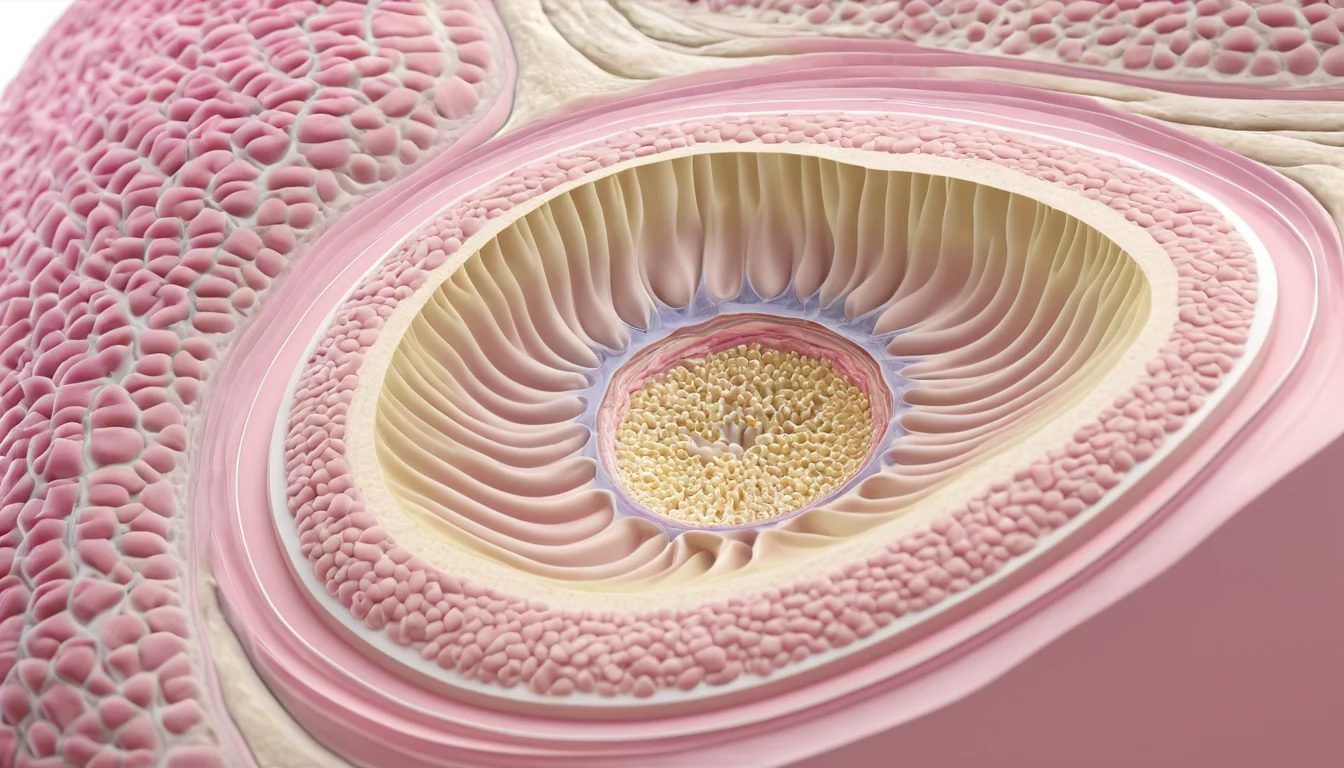
Fibrocystic breast changes are one of the most common breast conditions affecting Canadian women, causing painful, lumpy areas in one or both breasts — especially in the days leading up to your period. The condition is not cancer, and for most women it is simply a normal part of how the body responds to hormonal fluctuations each month.
What Causes Fibrocystic Breast Changes in Canadian Women?
If you experience cyclic breast pain or notice lumps that seem to come and go with your menstrual cycle, you are far from alone. According to medical experts, more than half of all women in Canada will experience fibrocystic breast changes at some point in their lives, with symptoms most common in women under 50. Understanding what causes these changes and when to seek medical advice can help you manage discomfort and ease any worry about your breast health.
What Are Fibrocystic Breast Changes?
| Symptom | Description | Severity | When to See a Doctor |
|---|---|---|---|
| Breast Tenderness or Pain | Aching, heaviness, or soreness in one or both breasts, often worsening before menstruation | Mild to Moderate | If pain is persistent, severe, or unrelated to your menstrual cycle |
| Lumpy or Rope-like Texture | Areas of thickened, irregular tissue that may feel nodular or rubbery throughout the breast | Mild | If a new lump feels hard, is fixed in place, or does not change with your cycle |
| Breast Cysts | Fluid-filled sacs that feel smooth and movable; may enlarge and become tender before your period | Mild to Moderate | If a cyst rapidly grows, feels firm, or is accompanied by skin changes |
| Breast Swelling | A feeling of fullness or increased breast size, typically in the upper outer areas, linked to hormonal fluctuations | Mild | If swelling does not subside after menstruation or affects only one breast |
| Nipple Discharge | Clear or slightly cloudy fluid that may occur without squeezing; more common in women of reproductive age | Mild | If discharge is bloody, spontaneous, or occurs in only one breast |
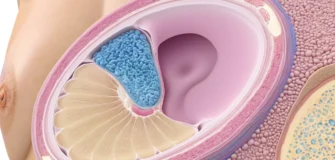
Fibrocystic breast changes happen when breast tissue responds to the hormonal shifts of the menstrual cycle. Many doctors also call this condition cyclic breast changes because the symptoms rise and fall with your cycle.
The lumps or tender areas usually get worse before your period and improve — or disappear — once your period begins. This pattern is the key sign that separates fibrocystic changes from other breast conditions.
According to Mayo Clinic, fibrocystic breast changes affect more than half of all women at some point in their lives. They are most common in women under 50.
What Causes Fibrocystic Breast Changes?
The main cause is the natural rise and fall of hormones — especially estrogen and progesterone — throughout the menstrual cycle. These hormonal shifts cause breast tissue to swell, thicken, or form small cysts.
Breast lumps often appear around ovulation, which is roughly day 14 of a 28-day cycle. These changes are considered physiological, meaning they are a normal bodily process, not a disease.
Who Is Most at Risk?
Fibrocystic breast changes are most common in women between their 20s and 40s. Most women notice these changes before the age of 30. After menopause, symptoms often improve significantly because hormone levels drop.
Women who take hormonal birth control or hormone therapy may still experience some symptoms. In addition, caffeine and a high-fat diet have been linked to breast tenderness in some women, though research on this is mixed.
Symptoms of Fibrocystic Breast Changes
Symptoms can affect one or both breasts. They often vary in intensity from one menstrual cycle to the next. Common symptoms include:
- Breast swelling — one or both breasts may feel fuller or heavier than usual
- Tenderness and pain — the breast feels sore or sensitive to the touch
- Lumps or nodules — these are often moveable and may change size during the cycle
- A feeling of heaviness in the breast, especially before menstruation
- Multiple lumps that may be felt throughout the breast tissue
The lumps found with fibrocystic breast changes are usually smooth and soft. They move easily when you press on them. This is different from the hard, fixed lumps that can be a sign of cancer.
How Symptoms Change Through the Month
Symptoms tend to peak in the week or two before your period. They usually ease once your period starts. However, for some women, discomfort can linger throughout the month.
If your symptoms do not follow this monthly pattern, it is a good idea to speak with your family doctor. A consistent pattern of cyclical pain is reassuring. Pain that does not follow your cycle deserves a closer look.
When to See a Doctor
Fibrocystic breast changes are almost always harmless. However, some symptoms need prompt medical attention. Visit your family doctor or a walk-in clinic if you notice any of the following:
- Breast pain or tenderness combined with a missed period — this could be a sign of pregnancy, and a pregnancy test is recommended
- Severe breast pain with redness, swelling, or fever — this may point to a breast infection called mastitis
- A nipple discharge that is milky or yellowish and not related to breastfeeding
- Sudden, intense breast pain that lasts more than two weeks without a clear cause
- Pain that stays in one specific area of the breast and does not go away after your period
- A lump that remains after your period has ended
Your family doctor can assess your symptoms and determine whether further testing is needed. If you do not have a family doctor, a walk-in clinic can provide an initial assessment and refer you for imaging if necessary. Many provincial health plans in Canada cover breast ultrasounds and mammograms when ordered by a physician.
For more guidance on breast health, visit Health Canada for reliable, Canadian-specific health information.
How Are Fibrocystic Breast Changes Diagnosed?
In most cases, a doctor can diagnose fibrocystic breast changes through a physical examination and a review of your symptoms. No complex testing is usually needed.
Your doctor will ask about your menstrual cycle, the timing of your symptoms, and what the lumps feel like. This information is often enough to confirm the diagnosis.
Tests Your Doctor May Recommend
In some cases, your doctor may want to rule out other conditions. They may recommend:
- Breast ultrasound — uses sound waves to create an image of breast tissue. It helps tell the difference between a fluid-filled cyst and a solid lump.
- Mammogram — an X-ray of the breast. This is more commonly used in women over 40, or earlier if there is a family history of breast cancer.
- MRI (magnetic resonance imaging) — uses radio waves and a magnetic field to produce detailed images of the breast. It can detect inflammation, infection, or tumours.
- Biopsy — a thin needle removes a small sample of tissue for examination under a microscope. This is only done if a lump looks unusual or does not go away.
- Pregnancy test — if a missed period accompanies breast symptoms, your doctor may test for pregnancy first.
These tests are covered by provincial health plans when medically necessary. Ask your doctor which, if any, are right for your situation.
Treatment and Home Management
The good news is that most women with fibrocystic breast changes do not need medical treatment. Because the condition is a normal hormonal response, many cases can be managed at home with a few simple strategies.
Home Remedies That May Help
- Wear a supportive bra — a well-fitted, supportive bra can reduce breast movement and ease discomfort, especially during exercise
- Apply warm or cool compresses — some women find heat soothing; others prefer a cool pack. Try both and see what works for you.
- Reduce caffeine — some women report less breast tenderness when they cut back on coffee, tea, and chocolate
- Reduce salt intake — a lower-sodium diet may help reduce the fluid retention that worsens breast swelling before your period
- Over-the-counter pain relief — ibuprofen or acetaminophen can ease mild to moderate breast pain. Always follow the directions on the label.
Medical Treatments for Severe Symptoms
For women with severe, recurring breast pain, a doctor may discuss medical options. Oral contraceptives (birth control pills) can reduce breast pain and lumps by stabilising hormone levels throughout the cycle. They are generally suitable for non-smoking women under 40.
However, some women find that birth control pills worsen their symptoms. In that case, a doctor can explore other options. In rare, severe cases, prescription medications such as danazol may be considered, but these carry significant side effects and are only used when other treatments have not worked.
Always speak with your doctor before starting or changing any medication. Self-treating breast pain without a proper diagnosis is not recommended.
For a broader overview of breast conditions, Healthline’s guide to fibrocystic breast changes offers additional reading from a trusted health source.
Frequently Asked Questions
Are fibrocystic breast changes a sign of cancer?
No. Fibrocystic breast changes are a benign (non-cancerous) condition. They do not increase your risk of developing breast cancer. However, if you find a new lump that does not go away after your period, it is always best to have it checked by your doctor.
Can fibrocystic breast changes go away on their own?
Yes, in many cases fibrocystic breast changes improve naturally after menopause, when hormone levels drop. Symptoms also tend to ease after each menstrual period. For most women, no treatment is needed beyond simple home management.
How do I tell the difference between a fibrocystic lump and a cancerous lump?
Fibrocystic breast lumps are usually soft, smooth, and moveable. They often appear before your period and shrink or disappear afterward. A lump that is hard, painless, fixed in place, or does not change with your cycle should be evaluated by a doctor promptly.
Does caffeine make fibrocystic breast changes worse?
Some women with fibrocystic breast changes report that reducing caffeine — from coffee, tea, cola, and chocolate — helps ease breast tenderness. The scientific evidence is not conclusive, but cutting back on caffeine is a low-risk change that is worth trying if your symptoms are bothersome.
Do I need a mammogram if I have fibrocystic breasts?
Your doctor will decide whether a mammogram or ultrasound is needed based on your age, symptoms, and family history. Fibrocystic breast changes alone do not automatically require a mammogram. In Canada, routine screening mammograms are typically recommended for women aged 50 to 74 through provincial screening programmes.
Can birth control pills help with fibrocystic breast changes?
According to Mayo Clinic’s overview of fibrocystic breast changes, this information is supported by current medical research.
For more information, read our guide on learn about other common health conditions and symptoms in Canada.
Yes, oral contraceptives can reduce the breast pain and lumps associated with fibrocystic breast changes by stabilising hormonal fluctuations throughout the menstrual cycle. They are not right for everyone, so speak with your family doctor or a walk-in clinic provider to find out if they are a good option for you.
Key Takeaways
- Fibrocystic breast changes are common and affect more than half of all women at some point
- They are caused by normal hormonal changes during the menstrual cycle — not by cancer
- Symptoms include breast swelling, tenderness, and moveable lumps that usually improve after your period
- Most women do not need medical treatment; home strategies like supportive bras, pain relievers, and reducing caffeine can help
- See your family doctor or visit a walk-in clinic if a lump persists after your period, pain is severe, or you notice nipple discharge or redness
- Provincial health plans in Canada cover diagnostic tests like ultrasounds and mammograms when ordered by a physician
- Always consult your doctor before starting any treatment for breast symptoms
Frequently Asked Questions
What are fibrocystic breast changes?
Fibrocystic breast changes are non-cancerous alterations in breast tissue causing lumpiness, cysts, and discomfort. They occur when breast tissue responds abnormally to hormonal fluctuations throughout the menstrual cycle. Affecting up to 50% of women, this common benign condition is not associated with increased breast cancer risk and requires no treatment unless symptoms are bothersome.
What are the symptoms of fibrocystic breast changes?
Common symptoms include breast tenderness, swelling, and a lumpy or rope-like texture, typically worsening before menstruation. Women may notice movable, smooth cysts that fluctuate in size throughout their cycle. Symptoms usually affect both breasts and may include a dull aching sensation or heightened sensitivity, particularly in the upper outer breast areas.
How are fibrocystic breast changes treated in Canada?
Treatment focuses on symptom relief rather than curing the condition. Options include over-the-counter pain relievers like ibuprofen, wearing a supportive bra, applying warm or cold compresses, and reducing caffeine intake. In more severe cases, Canadian doctors may recommend hormonal therapies or prescribe medications to manage significant discomfort and cyst development.
Can fibrocystic breast changes be prevented?
Fibrocystic breast changes cannot be fully prevented, as hormonal fluctuations are the primary cause. However, lifestyle adjustments may reduce symptom severity. Limiting caffeine and high-fat foods, maintaining a healthy weight, wearing properly fitted bras, and taking vitamin E or evening primrose oil supplements are strategies some women find helpful for managing discomfort.
When should you see a doctor about fibrocystic breast changes?
See a doctor promptly if you notice a new or changing lump, nipple discharge, skin dimpling, persistent pain unrelated to your menstrual cycle, or any lump that feels hard and immovable. While fibrocystic breast changes are benign, these signs may warrant imaging tests or a biopsy to rule out breast cancer or other conditions.

About the Author
Dr. Sarah Mitchell, MDDr. Sarah Mitchell is a board-certified family physician with over 15 years of clinical experience. She completed her MD at the University of Toronto and her residency at Toronto General Hospital. Dr. Mitchell specializes in preventive medicine and chronic disease management. She is a member of the College of Family Physicians of Canada (CFPC) and has published over 30 peer-reviewed articles on preventive health care.
View all articles →