Benign Breast Tumours: Types, Signs & Treatment Canada

Share
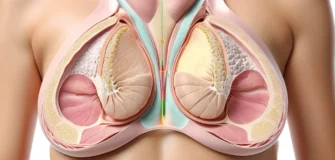
Benign breast tumours are non-cancerous growths that develop in breast tissue and are among the most common breast conditions affecting Canadians of all ages. While these lumps are not life-threatening, discovering one can understandably cause worry and discomfort. Understanding the different types of benign breast tumours can help you make informed decisions about your breast health and know when to seek medical advice.
Understanding Benign Breast Tumours and Their Common Types
From fluid-filled breast cysts to solid fibroadenomas and fibrocystic breast changes, non-cancerous breast lumps come in many forms. Some grow quickly while others remain small for years. Whether you have noticed a new lump or are simply learning about breast health, this guide covers the types, signs, and treatment options available across Canada to help you stay informed and proactive.
What Are Benign Breast Tumours?
| Type of Benign Breast Tumour | Key Characteristics | Who Is Most Affected | Typical Management |
|---|---|---|---|
| Fibroadenoma | Smooth, firm, rubbery lump that moves easily under the skin; usually painless and well-defined; most common benign breast tumour | Women aged 15–35; more common during reproductive years | Monitoring with ultrasound; surgical removal if growing, large, or causing concern |
| Breast Cyst | Fluid-filled sac; can feel soft or firm; may cause tenderness especially before menstruation; single or multiple | Women aged 35–50; perimenopausal women | Fine-needle aspiration to drain fluid; monitoring if asymptomatic; no treatment needed if simple cyst |
| Intraductal Papilloma | Small wart-like growth inside a milk duct near the nipple; may cause clear or bloody nipple discharge | Women aged 35–55; can occur at any age | Surgical excision of affected duct; pathology review recommended to rule out atypical cells |
| Phyllodes Tumour | Rapidly growing, leaf-like tumour within connective tissue; usually benign but can rarely become malignant; feels like a large, firm lump | Women aged 40–50; rare overall | Surgical removal with clear margins required; regular follow-up imaging recommended post-surgery |
| Lipoma | Soft, slow-growing lump made of fatty tissue; moveable and non-tender; located beneath the skin or deeper breast tissue | Adults of any age; slightly more common after age 40 | Generally no treatment required; surgical removal only if symptomatic, growing, or cosmetically bothersome |
A benign breast tumour is a lump or growth in the breast that is not cancer. These tumours do not spread to other parts of the body. However, some types do need monitoring or treatment by a healthcare provider.
Benign breast tumours come in many forms. Some are fluid-filled cysts. Others are made of glandular or fibrous tissue. In addition, some grow quickly while others stay small for years. Your family doctor or specialist can help you understand what type you have.
According to Health Canada, regular breast awareness and routine check-ups are key parts of maintaining good breast health.
Common Types of Benign Breast Tumours
There are several well-known types of benign breast tumours. Each has different features, symptoms, and treatment options. Knowing the differences helps you and your doctor choose the right care.
Breast Cysts
Breast cysts are the most common type of benign breast lump. They are fluid-filled sacs that form in the breast tissue. Cysts are closely related to changes in hormone levels, so they often grow or shrink with your menstrual cycle.
Large cysts are sometimes called “blue dome cysts” because of their dark appearance during surgery. They can be treated by draining the fluid with a fine needle. Cysts never indicate cancer on their own, which is reassuring for most patients.
Fibroadenomas
A fibroadenoma is one of the most well-known types of benign breast tumours. It is a firm, smooth lump made up of both glandular and fibrous tissue. Fibroadenomas are most common in women in their 20s and 30s, but they can appear at any age.
These lumps usually feel rubbery and move easily under the skin. They are typically painless. However, some people choose to have them removed for peace of mind or if they grow larger over time.
A complex fibroadenoma is a specific type that may contain cysts larger than 3 mm, calcifications, or other tissue changes. Your doctor may recommend closer follow-up if you have this type. Mayo Clinic explains fibroadenoma symptoms and causes in detail.
Juvenile and Giant Fibroadenomas
Juvenile fibroadenomas appear in teenagers and young adults. Giant fibroadenomas can grow to a very large size, sometimes causing visible changes in breast shape. Both types are still benign, but they often require surgical removal.
These larger tumours are monitored carefully by doctors. Treatment depends on the size and how fast they grow. Your specialist will guide you through the best options for your situation.
Papillomas and Related Benign Breast Tumours
Papillomas are small, wart-like growths that form inside the milk ducts of the breast. They are made of ductal tissue supported by fibrous and blood vessel tissue. Papillomas are a true tumour type, different from simple ductal hyperplasia.
The most common type grows in the large milk ducts near the nipple. These are called subareolar papillomas. They can grow quite large and often cause nipple discharge. This discharge is one of the main signs that brings people to their doctor.
In some cases, smaller papillomas grow in the outer areas of the breast. These may be multiple and are found further from the nipple. Furthermore, some papillomas develop inside fluid-filled cysts, where they are called intracystic papillomas.
What Is Nipple Discharge?
Nipple discharge is fluid that leaks from the nipple without squeezing. It can be clear, milky, or bloody. While it is often caused by a benign condition like a papilloma, it should always be checked by a doctor.
If you notice nipple discharge, do not panic. However, do book an appointment with your family doctor or visit a walk-in clinic promptly. Early assessment is always the safest approach.
Phyllodes Tumours
Phyllodes tumours are a rare type of benign breast tumour that grow quickly and can become very large. They are most common in women under 40. In some cases, they appear in teenagers.
These tumours are mostly made of fibrous connective tissue. They can feel firm or have areas of different consistency. The skin over the tumour may become stretched and shiny. In rare cases, the skin can break down if the tumour grows very large.
Most phyllodes tumours are benign. However, a small number can become malignant (cancerous). As a result, doctors treat them more carefully than standard fibroadenomas.
Treatment for Phyllodes Tumours
Small phyllodes tumours are removed surgically with a margin of at least 1 cm of healthy tissue around them. This reduces the chance of the tumour coming back. After removal, the tissue is sent to a lab for detailed analysis.
Large tumours or those with signs of malignancy may require a simple mastectomy. This means removing the breast tissue while leaving the chest wall muscle intact. Your surgical team will discuss all options with you clearly before any procedure.
Adenosis and Fibrocystic Changes
Adenosis refers to an overgrowth of glandular tissue in the breast. The most common form is sclerosing adenosis, which also involves an overgrowth of fibrous tissue around the glands. This condition can sometimes look like cancer on imaging, so further tests are often needed.
Another related condition is a radial scar. This is a star-shaped lesion in the breast tissue. Despite its name, it is not caused by injury. Both sclerosing adenosis and radial scars may slightly increase the risk of developing breast cancer over time, according to some researchers.
Fibrocystic Breast Changes
Fibrocystic breast changes, sometimes called fibrocystic breast disease, are very common. This condition involves a mix of cysts and fibrous tissue throughout the breast. It affects many women between the ages of 30 and 50.
Symptoms include breast tenderness, swelling, and lumpy areas that often worsen before your period. The lumps are usually mobile, firm, and mildly tender. They are not cancerous, but they can be uncomfortable and worrying.
Hormonal factors play a big role in fibrocystic changes. Some research suggests that reducing caffeine and wearing a supportive bra may ease discomfort. Your doctor may also recommend over-the-counter pain relievers or, in some cases, hormonal therapy.
Treatment depends on how severe the symptoms are. Mild cases are often managed with lifestyle changes and monitoring. More significant cases may require medication or, rarely, surgery to remove the most problematic areas of tissue.
Atypical Ductal Hyperplasia
Atypical ductal hyperplasia (ADH) is a condition where abnormal cells build up inside the milk ducts. It is not cancer, but it is considered a proliferative breast lesion. This means the cells are growing more than usual in an abnormal pattern.
ADH increases the risk of developing breast cancer in the future. For this reason, doctors monitor it closely. If you are diagnosed with ADH, your doctor will likely recommend more frequent mammograms or other imaging. Healthline provides a helpful overview of atypical ductal hyperplasia and its risks.
Pure Breast Adenoma
Pure breast adenoma is a very rare benign tumour made entirely of glandular tissue. It comes in two forms: acinar and tubular. The tubular form sometimes appears during breastfeeding and is called a lactation adenoma.
These tumours are treated with a surgical procedure that removes the affected section of breast tissue. The tissue is examined right away in the operating room to confirm it is benign. This approach allows the surgeon to decide on next steps quickly.
When to See a Doctor
You should always have a new breast lump checked by a healthcare provider, even if you feel fine. Most lumps turn out to be benign, but it is important to rule out anything serious. Early assessment gives you peace of mind and the best possible outcome.
Book an appointment with your family doctor as soon as you notice a new lump or change in your breast. If you do not have a family doctor, a walk-in clinic is a good first step. Your doctor can refer you for imaging such as an ultrasound or mammogram, and to a breast specialist if needed. Most provincial health plans in Canada cover these investigations when referred by a physician.
See a doctor right away if you notice any of the following:
- A new lump or thickening in the breast or underarm
- Nipple discharge, especially if it is bloody
- Changes in breast size, shape, or skin texture
- Skin that looks dimpled, puckered, or like an orange peel
- A lump that is growing quickly or feels hard and fixed
- Breast pain that is new, persistent, or getting worse
Please consult your family doctor or a qualified healthcare provider for any concerns about your breast health. This article is for informational purposes only and is not a substitute for professional medical advice.
Frequently Asked Questions About Benign Breast Tumours
Are benign breast tumours dangerous?
Most benign breast tumours are not dangerous and do not spread to other parts of the body. However, some types, like atypical ductal hyperplasia or phyllodes tumours, can increase the risk of future breast cancer. It is always best to have any new breast lump assessed by your family doctor.
How can you tell if a breast lump is benign or cancerous?
You cannot tell for certain just by feeling a lump. Benign lumps often feel smooth, soft, and move easily, while cancerous lumps may feel hard or fixed. However, only a doctor can determine whether a breast lump is benign or malignant through imaging and sometimes a biopsy.
Do benign breast tumours need to be removed?
Not all benign breast tumours require removal. Many small fibroadenomas and cysts are simply monitored over time with regular imaging. However, tumours that are growing quickly, causing pain, or showing unusual features on imaging may be surgically removed. Your doctor will recommend the best approach for your specific case.
What causes benign breast lumps?
The exact cause varies by type, but hormonal changes are a major factor in many benign breast conditions, including cysts and fibrocystic changes. Genetics and age can also play a role. Some benign lumps appear without any clear cause and are simply part of normal breast tissue changes over time.
Can benign breast tumours turn into cancer?
Most benign breast tumours do not turn into cancer. However, certain types, such as atypical ductal hyperplasia and some phyllodes tumours, carry a higher risk of malignant change. Regular follow-up with your doctor and routine breast imaging can help catch any changes early.
Are benign breast tumours covered under provincial health plans in Canada?
According to Health Canada’s guidelines on breast health and screening, this information is supported by current medical research.
For more information, read our guide on routine health screening like protein in urine testing.
Yes, diagnosis and treatment of benign breast tumours are generally covered under provincial health plans when referred by a physician. This includes imaging like ultrasounds and mammograms, specialist consultations, and medically necessary surgery. Coverage details may vary by province, so speak with your family doctor for guidance.
Key Takeaways
- Benign breast tumours are non-cancerous and very common in Canada.
- The main types include cysts, fibroadenomas, papillomas, phyllodes tumours, and fibrocystic changes.
- Most benign lumps do not require treatment, but all new lumps should be assessed by a doctor.
- Some benign conditions, like atypical ductal hyperplasia, can raise the future risk of breast cancer.
- Nipple discharge, rapidly growing lumps, or skin changes are signs to see a doctor promptly.
- Your family doctor or a walk-in clinic is the right first step if you find a new breast lump.
- Most diagnostic tests and treatments are covered by provincial health plans when referred by a physician.
Frequently Asked Questions
What are benign breast tumours?
Benign breast tumours are non-cancerous growths that develop in breast tissue. They do not invade nearby tissue or spread to other parts of the body. Common types include fibroadenomas, cysts, and lipomas. While not life-threatening, they should be evaluated by a doctor to rule out malignancy.
What are the signs and symptoms of benign breast tumours?
Common symptoms include a smooth, movable lump in the breast, localized swelling, tenderness, or mild pain. Many benign breast tumours cause no pain at all. Some may change in size with hormonal fluctuations. Nipple discharge or skin changes may also occur and should always be assessed by a physician.
How are benign breast tumours treated in Canada?
Treatment depends on the type and size of the tumour. Many benign breast tumours require only monitoring through regular imaging and clinical exams. Surgical removal may be recommended if the lump grows, causes discomfort, or appears suspicious. Canadian healthcare providers may use ultrasound, mammography, or biopsy to guide treatment decisions.
Can benign breast tumours be prevented?
There is no guaranteed way to prevent benign breast tumours. However, maintaining a healthy weight, limiting alcohol consumption, exercising regularly, and reducing caffeine intake may lower your risk. Hormonal factors also play a role, so discussing contraceptive or hormone therapy options with your doctor is advisable.
When should you see a doctor about a breast lump?
See a doctor promptly if you notice any new or changing breast lump, skin dimpling, nipple discharge, or persistent breast pain. While most lumps are benign, early evaluation is essential. Canadian guidelines recommend not waiting longer than two weeks before seeking a medical assessment for any unexplained breast change.

About the Author
Dr. James Okafor, MD, PhDDr. James Okafor holds an MD and PhD in Neurological Sciences from McGill University. With 12 years of experience in clinical neurology and mental health research, he has contributed to landmark studies on depression, anxiety, and cognitive health. Dr. Okafor is a Fellow of the Royal College of Physicians and Surgeons of Canada and serves on the editorial board of two peer-reviewed journals.
View all articles →