Breast Self-Exam: How to Check Your Breasts in Canada

Share
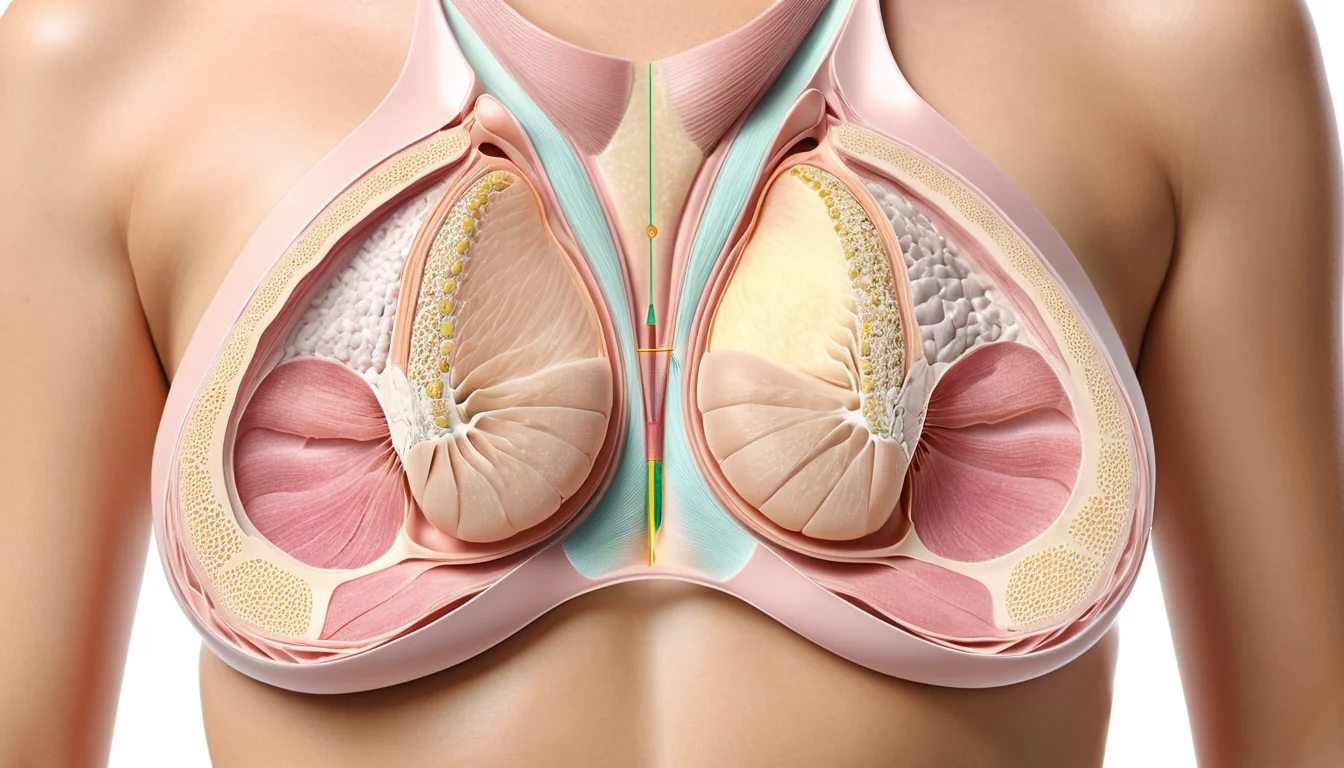
A breast self-exam is a simple, no-cost check you can do at home to learn how your breasts normally look and feel. Taking just a few minutes each month, this routine helps you spot changes early — and early detection gives you the best chance of catching breast cancer before it spreads. While it does not replace screening tests like mammograms, it is a powerful first step in staying proactive about your health.
How to Do a Breast Self-Exam: Step-by-Step Guide
Breast cancer is one of the most commonly diagnosed cancers among Canadian women, making breast cancer early detection a priority for every adult. Many women across Canada have discovered a lump during a self-check before their next scheduled screening appointment. However, a self-exam alone cannot determine whether a change is cancerous — you always need a doctor to properly assess any finding. Think of the breast self-exam as one essential tool in a larger toolkit for lifelong breast health.
What Is a Breast Self-Exam?
| Finding | Description | Severity |
|---|---|---|
| New lump or thickening | A firm or hard mass that feels different from surrounding breast tissue, or a thickening in or near the breast or underarm area | High — see a healthcare provider promptly |
| Changes in size or shape | One breast becomes noticeably larger or lower than before, or an unusual swelling appears in part of the breast | Moderate to High — report to your doctor |
| Skin changes | Redness, dimpling, puckering, or a texture resembling an orange peel (peau d’orange) on the breast surface | High — requires medical evaluation |
| Nipple changes | A nipple that turns inward (inversion), becomes crusted, scaly, or produces an unusual discharge (especially bloody or clear) | Moderate to High — consult a healthcare provider |
| Persistent pain | Localized breast pain that does not go away and is not related to your menstrual cycle | Moderate — monitor and discuss with your doctor |
| Normal variation | Mild tenderness or lumpiness that changes with your menstrual cycle; this is common and typically not a cause for concern | Low — continue regular breast self-exams monthly |
A breast self-exam involves looking at and feeling your breasts on your own. The goal is not to diagnose a problem. The goal is to learn what is normal for your body so that anything unusual stands out right away.
Many Canadian women have found a lump during a self-exam before their next scheduled screening. However, a self-exam alone cannot tell you if something is cancer. You always need a doctor to assess any change you find. Think of it as one useful tool in a larger toolkit for breast health.
According to Health Canada, breast cancer is one of the most common cancers among Canadian women. Staying informed and proactive about your breast health is an important step every woman can take.
Who Should Do a Breast Self-Exam?
Any woman can do a breast self-exam. Most health experts suggest starting in your twenties. Getting familiar with your breasts early in adulthood gives you a strong baseline for comparison over the years.
Some women should start even earlier. If you have a first-degree relative — a mother, sister, or daughter — diagnosed with breast cancer, talk to your family doctor about starting regular self-exams sooner. Your provincial health plan may also cover earlier screening if you have a higher risk. Ask your doctor what is right for you.
When Is the Best Time to Do a Breast Self-Exam?
Timing matters when you do a breast self-exam. Your hormone levels change throughout your monthly cycle. These changes affect how your breasts feel — they may be tender, swollen, or lumpy at certain times.
The best time to do a self-exam is about one week after your period ends. At this point, your breasts are usually softer and less sensitive. This makes it easier to feel any changes clearly.
If you no longer have periods — due to menopause or another reason — choose a specific day each month and stick to it. Consistency helps you notice differences over time.
A Quick Tip Before You Start
Consider asking your family doctor or nurse to show you the technique at your next appointment. A brief demonstration can boost your confidence. Many walk-in clinics can also provide guidance if you do not have a regular family doctor.
How to Do a Breast Self-Exam: Step by Step
A complete breast self-exam has two parts: a visual check and a physical check using touch. Both parts are important. Together, they give you a fuller picture of your breast health.
Step 1 — The Visual Check
Stand in front of a mirror in good lighting. Undress from the waist up. Look at both breasts calmly and carefully. You are looking for anything that seems different from usual.
- Stand with your arms at your sides and look at the size, shape, and colour of each breast.
- Look for any puckering, dimpling, or changes in the skin texture.
- Check your nipples for any turning inward, discharge, or changes in appearance.
- Repeat the visual check with your hands pressed firmly on your hips.
- Raise both arms above your head and check again.
- Gently lift each breast to inspect the skin underneath.
Furthermore, pay attention to any redness or swelling that was not there before. These visual clues can be just as important as anything you feel during the physical check.
Step 2 — The Physical Check
You can do the physical part of a breast self-exam lying down or in the shower. Many women find it easiest lying on their back. The breast tissue spreads out more evenly in this position, making it simpler to feel deeper areas.
- Use the pads of your three middle fingers — not the fingertips — to feel your breast tissue.
- Apply three levels of pressure: light, medium, and firm. This helps you feel tissue at different depths.
- Move your fingers in small circles, about the size of a dime.
- Work in an up-and-down pattern, like mowing a lawn, from your armpit to the centre of your chest.
- Make sure to include the armpit area and the area up to your collarbone.
- Repeat on the other breast.
In addition, gently squeeze each nipple to check for any discharge. A small amount of clear fluid is sometimes normal, but any bloody or unusual discharge should be reported to your doctor right away.
Do not rush. At your first self-exam especially, take as much time as you need. Over time, the process will feel quicker and more natural.
What to Look and Feel For
Most lumps and changes you find during a breast self-exam are not cancer. In fact, many are benign cysts or normal hormonal changes. However, it is always better to get checked than to wait and wonder.
Report any of the following to your doctor:
- A new lump or thickening in the breast or armpit area
- A change in the size or shape of one breast
- Skin that looks like the peel of an orange — dimpled or pitted
- A nipple that has turned inward when it did not before
- Redness, rash, or warmth on the skin
- Nipple discharge that is new or unusual
- Persistent pain in one spot that does not go away
As the Mayo Clinic explains, finding a lump does not automatically mean cancer. Most breast lumps have a benign cause. However, all new lumps deserve a professional evaluation.
Risks and Limitations of Breast Self-Exams
A breast self-exam is safe, non-invasive, and free. There are no physical risks involved. However, there are some emotional and practical limitations to be aware of.
Anxiety: Finding a lump — even a harmless one — can cause significant worry. This is a completely normal reaction. It may take a few days to see a doctor, and that waiting period can feel stressful. Remember that most findings are benign.
False reassurance: Not finding anything during a self-exam does not guarantee that everything is fine. Some lumps are too small or too deep to feel by hand. Therefore, do not skip your regular screening appointments just because your self-exam felt normal.
No substitute for screening: A breast self-exam does not replace a mammogram or breast ultrasound. These tests can find changes that hands simply cannot detect. Most provinces recommend mammograms every one to two years for women aged 50 to 74. Talk to your doctor about the right screening schedule for your age and risk level.
When to See a Doctor
See your family doctor or visit a walk-in clinic as soon as possible if you notice any changes during your breast self-exam. Do not wait for your next annual check-up. Most changes turn out to be nothing serious, but a prompt visit gives you peace of mind and rules out anything concerning.
Your doctor may refer you for a breast ultrasound or mammogram depending on your age and what they find during the examination. These tests are covered under most provincial health plans in Canada. If you are unsure what is covered in your province, contact your provincial health authority or speak with your family doctor.
If you do not have a family doctor, a walk-in clinic is a good first step. The doctor there can assess the change and arrange any necessary referrals through the public health system.
The World Health Organization notes that early detection of breast cancer significantly improves treatment outcomes. Acting quickly when you notice something unusual is always the right choice.
Please note: The information in this article is for general educational purposes only. Always speak with a qualified healthcare provider about your personal health concerns. Only a doctor can properly evaluate breast changes and recommend the right next steps for you.
Frequently Asked Questions About Breast Self-Exams
How often should I do a breast self-exam?
Most health experts suggest doing a breast self-exam once a month. Checking regularly helps you learn what is normal for your body so any change stands out quickly. Consistency is more important than frequency — pick a time each month and stick to it.
Does a breast self-exam replace a mammogram?
No, a breast self-exam does not replace a mammogram. Mammograms can detect changes in breast tissue that are too small to feel by hand. In Canada, most provinces recommend mammograms every one to two years for women between 50 and 74, or earlier if you have risk factors.
What should I do if I find a lump during a breast self-exam?
If you find a lump during a breast self-exam, contact your family doctor or visit a walk-in clinic as soon as possible. Try not to panic — most lumps are benign. However, only a healthcare professional can properly assess what you have found.
At what age should I start doing breast self-exams?
Women can start doing breast self-exams in their twenties. Starting early helps you learn what your breasts normally look and feel like. If you have a family history of breast cancer, talk to your doctor about beginning self-exams and formal screening at a younger age.
Can I do a breast self-exam during my period?
It is best to avoid doing a breast self-exam during your period. Hormonal changes during menstruation can make your breasts feel lumpy or tender, which can be confusing. The ideal time for a breast self-exam is about one week after your period ends, when your breasts are at their softest.
Is a breast self-exam painful?
According to Health Canada’s breast cancer information, this information is supported by current medical research.
For more information, read our guide on learn about other important health screenings for Canadians.
A breast self-exam should not be painful. Use gentle but firm pressure with the pads of your fingers, not your fingertips. If you feel pain during a self-exam that is not related to your menstrual cycle, mention it to your doctor at your next visit.
Key Takeaways
- A breast self-exam helps you learn what is normal so you can spot changes early.
- Do your self-exam about one week after your period ends for the clearest results.
- Use both a visual check in the mirror and a physical check with your fingers.
- Most lumps and changes found are benign, but always have them checked by a doctor.
- A breast self-exam does not replace mammograms or other screening recommended by your provincial health plan.
- If you find something unusual, see your family doctor or visit a walk-in clinic promptly.
- Talk to your doctor about the right breast health screening schedule for your age and risk level.
Frequently Asked Questions
What is a breast self-exam?
A breast self-exam is a monthly check you perform on yourself to detect any unusual changes in your breasts. It involves visually inspecting and physically feeling your breast tissue for lumps, skin changes, or nipple discharge. While not a replacement for mammograms, it helps you become familiar with your normal breast appearance.
How do you perform a breast self-exam correctly?
To perform a breast self-exam, stand before a mirror and visually inspect both breasts. Then, using three fingers, move in small circular motions covering the entire breast and armpit area. Check lying down with one arm raised. Examine each breast monthly, ideally a few days after your period ends.
What are the warning signs to look for during a breast self-exam?
Warning signs include new lumps or thickening, unexplained breast pain, nipple discharge or inversion, skin dimpling or puckering, redness, swelling, or changes in breast size or shape. Not all lumps are cancerous, but any new or unusual change should be promptly evaluated by a healthcare provider.
Can a breast self-exam detect breast cancer early?
A breast self-exam can help you notice changes that may warrant medical attention, potentially supporting earlier detection. However, Canadian health guidelines note it should complement — not replace — clinical breast exams and mammography screening. Regular self-exams increase body awareness, making it easier to identify abnormal changes quickly.
When should you see a doctor after a breast self-exam?
See a doctor promptly if you notice a new lump, persistent pain, nipple discharge, skin dimpling, or any unexplained change in breast shape or size. In Canada, you can visit your family doctor or walk-in clinic. Early medical evaluation is always recommended — most changes turn out to be non-cancerous.

About the Author
Dr. James Okafor, MD, PhDDr. James Okafor holds an MD and PhD in Neurological Sciences from McGill University. With 12 years of experience in clinical neurology and mental health research, he has contributed to landmark studies on depression, anxiety, and cognitive health. Dr. Okafor is a Fellow of the Royal College of Physicians and Surgeons of Canada and serves on the editorial board of two peer-reviewed journals.
View all articles →