Epley Manoeuvre BPPV: Treat Sudden Dizziness in Canada

Share
Have you ever turned your head and suddenly felt the room spinning? The Epley manoeuvre for BPPV is the most effective treatment for this unsettling experience, which is caused by a common inner ear condition called benign paroxysmal positional vertigo. Understanding how this simple repositioning technique works can help you manage sudden dizziness quickly and safely.
How the Epley Manoeuvre Treats BPPV: Step-by-Step Guide
BPPV affects thousands of Canadians every year, particularly adults over the age of 65 who face a higher risk of falls from sudden dizziness causes like displaced inner ear crystals. The good news is that benign paroxysmal positional vertigo treatment is straightforward, non-invasive, and highly successful. This article explains what BPPV is, who it affects in Canada, and how the Epley manoeuvre can bring fast relief — often in just one or two sessions.
What Is BPPV (Benign Paroxysmal Positional Vertigo)?
| Treatment | How It Works | Success Rate | Considerations |
|---|---|---|---|
| Epley Manoeuvre | A series of four guided head positions that move displaced calcium crystals (otoconia) out of the affected semicircular canal back into the utricle | 80–90% effective after one to three sessions | Best performed by a trained healthcare provider; mild dizziness during procedure is normal; widely available through physiotherapy and ENT clinics across Canada |
| Semont Manoeuvre (Liberatory Manoeuvre) | Involves rapid side-to-side positional changes to dislodge otoconia from the posterior semicircular canal | 70–80% effective | Less commonly used in Canada than the Epley; may cause brief intense vertigo; suitable when Epley manoeuvre is not well tolerated |
| Brandt–Daroff Exercises | Repeated self-directed head and body movements performed at home to habituate the vestibular system over time | 50–70% effective with consistent practice | Can be done independently at home; takes several days to weeks; useful when in-office treatment is unavailable or as a follow-up therapy |
| Vestibular Rehabilitation Therapy (VRT) | A structured physiotherapy program using balance and gaze-stabilization exercises to retrain the brain’s response to vestibular signals | Effective for chronic or residual dizziness following BPPV | Recommended for patients with persistent imbalance after canal repositioning; available through physiotherapists and vestibular specialists in most Canadian provinces |
| Medication (e.g., meclizine, dimenhydrinate) | Antihistamines and antiemetics reduce the sensation of vertigo and associated nausea by suppressing vestibular nerve activity | Manages symptoms only; does not resolve underlying BPPV | Not a first-line treatment; dimenhydrinate (Gravol) is available over the counter in Canada; recommended short-term use only due to sedation and risk of masking symptoms |
BPPV is a disorder of the inner ear that causes sudden, brief episodes of dizziness. The dizziness is triggered by changes in your head position, such as tilting your head back, rolling over in bed, or looking up. The word “benign” means it is not life-threatening, and most cases resolve on their own within a few days to weeks.
However, the spinning sensation can be frightening — especially for older adults. For people over 65, sudden dizziness from BPPV can increase the risk of falls, which may lead to serious injuries like fractures. That is why understanding and treating BPPV promptly matters. You can read more about inner ear conditions at Mayo Clinic’s BPPV overview.
How Common Is BPPV in Canada?
BPPV is the most common inner ear disorder. It can affect people of any age, but it is far more common in adults over 50. In fact, roughly half of people in that age group experience at least one episode of BPPV during their lifetime.
Among all patients who visit a doctor for dizziness, about 20% are diagnosed with BPPV. This makes it one of the leading causes of vertigo seen in family doctor offices and walk-in clinics across Canada. If you have ever felt that sudden spinning sensation, you are far from alone.
Signs and Symptoms of BPPV
The main symptom of BPPV is a sudden feeling of dizziness or spinning. This sensation can range from mild to quite severe. It usually lasts only a few seconds, though it can continue for up to one or two minutes.
In addition to dizziness, BPPV can cause a range of related symptoms. These include:
- Balance problems — feeling unsteady on your feet
- Nausea and vomiting — triggered by the spinning sensation
- Blurred vision — difficulty focusing during an episode
- Nystagmus — rapid, involuntary eye movements that your doctor may observe during an exam
- Falls — caused by sudden loss of balance
BPPV usually affects one ear at a time. However, in some cases, it can affect both ears at once. Symptoms tend to get worse with age, as the structures of the inner ear naturally break down over time.
What Triggers a BPPV Episode?
BPPV is almost always triggered by a change in head position. Common triggers include lying down, sitting up quickly, turning your head to one side, or tilting your head backward. Many people first notice symptoms when getting out of bed in the morning.
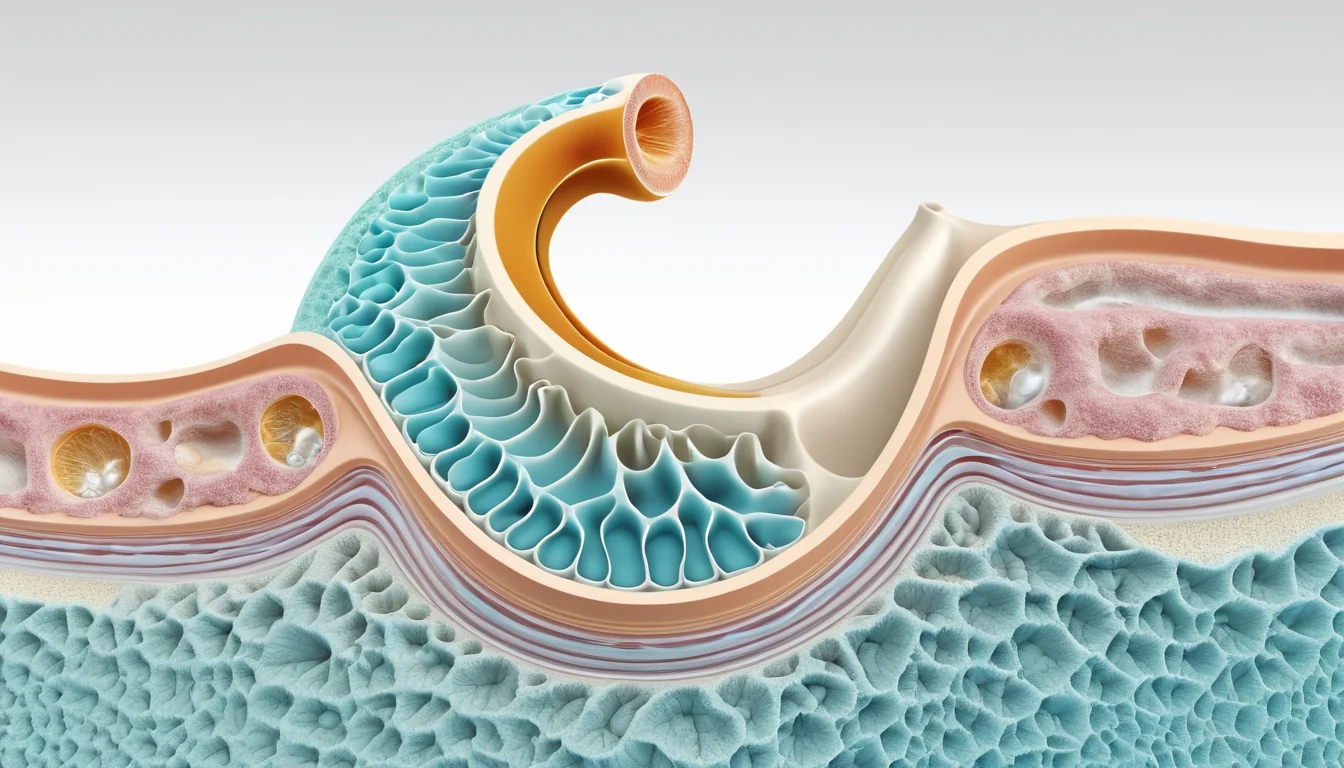
The dizziness happens because tiny calcium crystals in your inner ear become dislodged. These crystals — called otoliths — move into the ear canals where they do not belong. This sends confusing signals to your brain, creating that spinning sensation.
What Causes BPPV?
In many cases, there is no clear single cause. Aging is the most common factor, as the inner ear structures wear down over time. However, BPPV can also develop after a head injury, a fall, a car accident, or a sports-related impact.
Sometimes, BPPV is linked to other inner ear conditions, such as:
- Labyrinthitis — inflammation of the inner ear
- Vestibular neuritis — inflammation of the nerve that connects the inner ear to the brain
- Acoustic neuroma — a non-cancerous tumour on the hearing nerve
Furthermore, BPPV can occur alongside migraines in some people. If you experience vertigo with severe headaches, it is worth discussing this pattern with your doctor. The Health Canada website offers additional resources on managing chronic health conditions.
How Is BPPV Diagnosed?
Your family doctor can often identify BPPV during a regular appointment. They will ask about your symptoms, review your medical history, and perform a short physical exam. In many cases, a diagnosis can be confirmed during that first visit.
Your doctor may refer you to an ear, nose, and throat (ENT) specialist for further assessment. The specialist will likely perform a test called the Dix-Hallpike manoeuvre. This involves moving your head into specific positions while watching your eye movements for signs of nystagmus. No special equipment or imaging is usually needed to make a diagnosis.
When to See a Doctor for Dizziness
If you have had a sudden episode of spinning dizziness that matches the description of BPPV, book an appointment with your family doctor. If you do not have a family doctor, a walk-in clinic can help assess your symptoms and refer you to a specialist if needed. Most provincial health plans in Canada cover visits for BPPV assessment and treatment.
However, some symptoms require urgent care. Call 911 or go to the nearest emergency department if your dizziness is accompanied by:
- Severe headache or head pain
- Chest pain or tightness
- Heart palpitations or irregular heartbeat
- Sudden weakness, numbness, or difficulty speaking
- Loss of consciousness
These symptoms could point to a more serious condition, such as a stroke or heart problem. Do not wait — seek emergency care immediately in these situations.
BPPV Treatment: The Epley Manoeuvre
The good news is that BPPV responds very well to a simple, non-invasive treatment. The first-choice treatment for BPPV and the Epley manoeuvre go hand in hand — it is a series of gentle head movements that reposition the loose calcium crystals in your inner ear. Once the crystals are back in the right place, the dizziness usually stops.
Your doctor will perform the Epley manoeuvre in their office. They will walk you through each step carefully. Most patients feel significant relief after just one or two sessions. According to Healthline’s guide on BPPV, the Epley manoeuvre has a success rate of over 80% after one or two treatments.
How to Do the Epley Manoeuvre: Step-by-Step
The steps differ depending on which ear is affected. Your doctor will determine this before starting. Always have your doctor perform or supervise this manoeuvre the first time.
If your right ear is affected:
- Sit upright on a bed or treatment table.
- Turn your head 45 degrees to the right.
- Quickly lie back, keeping your head turned to the right. Your shoulders should rest on the pillow, with your head slightly extended. Wait 30 seconds.
- Turn your head 90 degrees to the left (without lifting it). Wait another 30 seconds.
- Roll your entire body to the left side, so your head and body face left. Wait 30 seconds.
- Slowly sit up on the left side.
If your left ear is affected:
- Sit upright on a bed or treatment table.
- Turn your head 45 degrees to the left.
- Quickly lie back, keeping your head turned to the left. Your shoulders should rest on the pillow, with your head slightly extended. Wait 30 seconds.
- Turn your head 90 degrees to the right (without lifting it). Wait another 30 seconds.
- Roll your entire body to the right side, so your head and body face right. Wait 30 seconds.
- Slowly sit up on the right side.
Is the Epley Manoeuvre Safe?
When performed by a trained healthcare provider, the Epley manoeuvre is very safe. Most people experience only mild, temporary dizziness during the procedure itself. This is completely normal and usually passes within seconds.
However, the manoeuvre is not suitable for everyone. Your doctor will not recommend it if you have certain conditions that limit your neck or back movement. These include cervical spine problems, serious vascular conditions, or retinal detachment. Your doctor will always assess your suitability before proceeding.
What to Expect After the Epley Manoeuvre
Most people notice a significant improvement in their dizziness right after the manoeuvre. In some cases, the procedure needs to be repeated up to three times in one day for full relief. Once you have been free of dizziness for 24 hours, there is no need to repeat it.
Your doctor may give you a few short-term instructions to follow after the manoeuvre. For example, they may suggest sleeping with an extra pillow for the first couple of nights. This prevents your neck from hyperextending while you sleep, which could dislodge the crystals again.
If your symptoms do not improve after the Epley manoeuvre, contact your doctor. It is possible that your dizziness has a different underlying cause that requires further investigation. Your doctor may refer you to a vestibular rehabilitation specialist for additional support.
Frequently Asked Questions About BPPV and the Epley Manoeuvre
What is the Epley manoeuvre and how does it help BPPV?
The Epley manoeuvre is a series of guided head movements used to treat BPPV (benign paroxysmal positional vertigo). It works by moving displaced calcium crystals in the inner ear back to their correct position. Most people experience relief from dizziness after one or two sessions of the Epley manoeuvre.
Can I do the Epley manoeuvre at home by myself?
Some people do perform the Epley manoeuvre at home after being taught the steps by their doctor. However, it is strongly recommended that you have a healthcare provider assess you and perform the manoeuvre first, to confirm which ear is affected and to ensure it is done correctly. Always check with your doctor before attempting it on your own.
How long does BPPV last without treatment?
BPPV often resolves on its own within a few days to several weeks without treatment. However, the Epley manoeuvre can speed up recovery significantly and provide relief much faster. If your symptoms persist for more than a week, it is a good idea to see your family doctor or visit a walk-in clinic.
Is BPPV a serious condition?
BPPV is generally not a serious or dangerous condition on its own. The word “benign” in its name reflects this. However, the sudden dizziness it causes can lead to falls and injuries, particularly in older adults, so it is important to seek treatment and manage it properly.
Can BPPV come back after the Epley manoeuvre?
Yes, BPPV can recur even after successful treatment with the Epley manoeuvre. Studies suggest that about 15 to 30 percent of people experience a return of symptoms within one year. If your vertigo comes back, the Epley manoeuvre can be repeated, and your doctor can guide you through the process again.
Does BPPV affect both ears at the same time?
BPPV most commonly affects only one ear at a time. In rare cases, it can affect both ears simultaneously, which may make symptoms more complex to treat. Your doctor or ENT specialist will assess which ear is involved before recommending the appropriate version of the Epley manoeuvre.
Key Takeaways
- BPPV (benign paroxysmal positional vertigo) is the most common inner ear disorder and a leading cause of sudden dizziness.
- It is triggered by head position changes and is caused by displaced calcium crystals in the inner ear.
- The Epley manoeuvre is the most effective treatment, with an 80%+ success rate after one or two sessions.
- BPPV is most common in adults over 50, but it can affect people of any age.
- Most provincial health plans in Canada cover assessment and treatment for BPPV through family doctors or ENT specialists.
- Go to emergency care if your dizziness is paired with chest pain, severe headache, weakness, or difficulty speaking.
- Always speak with your family doctor, an ENT specialist, or a walk-in clinic provider before attempting the Epley manoeuvre on your own.
According to Mayo Clinic’s guide to benign paroxysmal positional vertigo, this information is supported by current medical research.
For more information, read our guide on sudden dizziness causes and other health conditions in Canada.
This article is for informational purposes only and is not a substitute for professional medical advice. Always consult your family doctor or a qualified healthcare provider before starting any new treatment, including the Epley manoeuvre.
Frequently Asked Questions
What is BPPV and what causes it?
Benign Paroxysmal Positional Vertigo (BPPV) is the most common cause of vertigo, caused by tiny calcium crystals (otoconia) that become dislodged in the inner ear. These crystals disrupt normal fluid movement, sending false signals to the brain. It can occur spontaneously, after head injury, or following prolonged bed rest.
What are the symptoms of BPPV vertigo?
BPPV symptoms include sudden, intense spinning sensations (vertigo) triggered by specific head movements, such as rolling over in bed, looking up, or bending forward. Episodes typically last under one minute and may be accompanied by nausea, balance problems, and involuntary eye movements called nystagmus.
How does the Epley manoeuvre treat BPPV?
The Epley manoeuvre treats BPPV by guiding displaced inner ear crystals back to their correct position through a series of four slow, controlled head and body movements. Performed by a healthcare provider or physiotherapist, it takes about 15 minutes and resolves symptoms in approximately 80% of patients after one to three treatments.
Can you do the Epley manoeuvre for BPPV at home in Canada?
Yes, a modified home version of the Epley manoeuvre can be performed, but only after a proper diagnosis and initial instruction from a Canadian physiotherapist or physician. Self-treatment without diagnosis is not recommended, as other conditions can mimic BPPV and require different treatment approaches entirely.
When should you see a doctor for sudden dizziness and vertigo?
See a doctor immediately if dizziness is accompanied by sudden severe headache, chest pain, difficulty speaking, vision changes, numbness, or loss of consciousness, as these may indicate stroke. Also consult a physician if vertigo is prolonged, recurring, or significantly impairs your daily function and balance.

About the Author
Dr. Linda Chen, RD, PhDDr. Linda Chen is a registered dietitian and PhD in Nutritional Sciences from the University of British Columbia. With expertise in clinical nutrition, sports dietetics, and gut health, she has worked with leading Canadian hospitals and sports organizations. Dr. Chen is a member of Dietitians of Canada and regularly contributes to national nutrition policy discussions.
View all articles →