
Sleeping With Headphones: Is It Safe for Your Ears?

Share
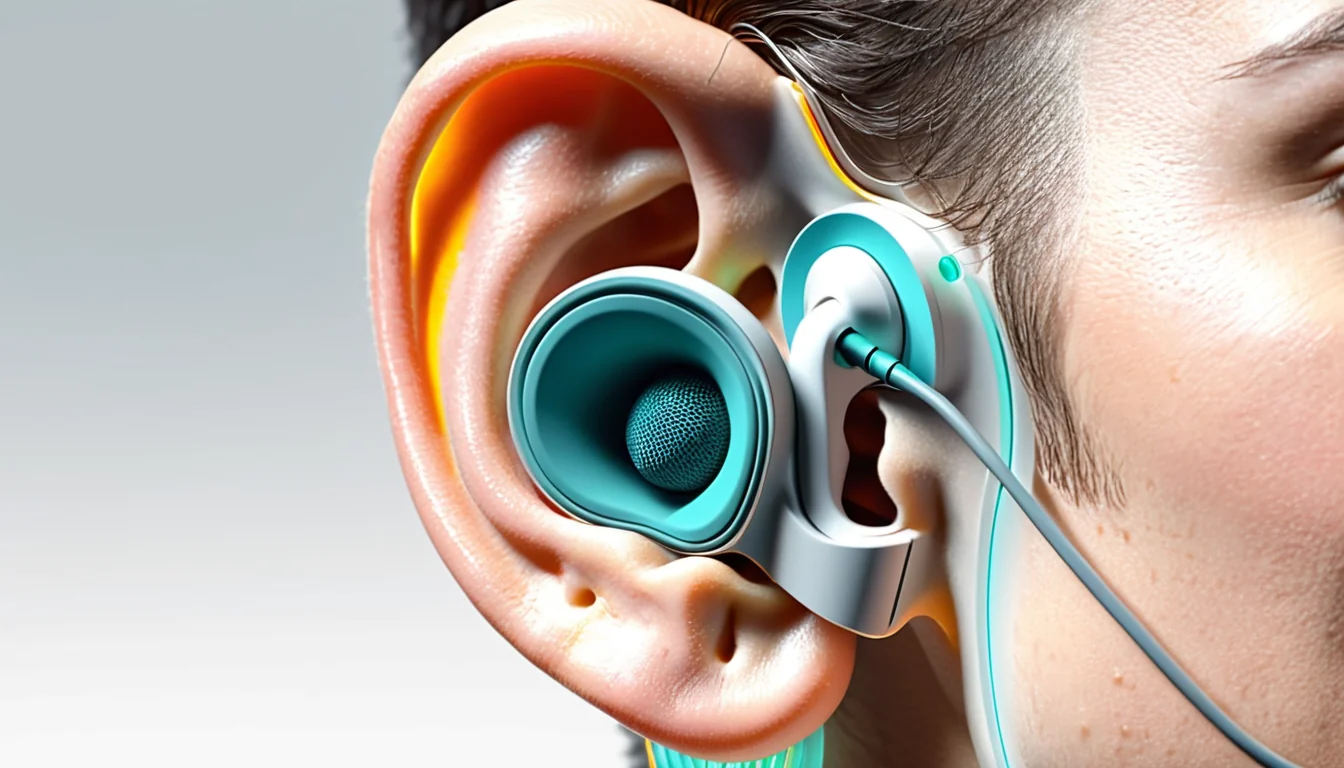
Sleeping with headphones is a nightly habit for millions of Canadians who struggle with noise, stress, or difficulty winding down. Whether you live in a bustling Toronto apartment or a quieter suburb, putting on headphones to listen to rain sounds or calming music can feel like the perfect bedtime solution — but is it actually safe?
The Risks of Sleeping With Headphones Every Night
The short answer is that doing this regularly carries real risks, including hearing loss from headphones, ear infections, and tinnitus. Before you plug in tonight, this guide explains everything Canadian readers need to know to protect their ears while still getting the restful sleep they deserve.
Why People Sleep With Headphones
| Risk Factor | Impact on Ear Health | Severity | Prevention Tips |
|---|---|---|---|
| High Volume Exposure | Damages hair cells in the cochlea, leading to noise-induced hearing loss (NIHL); Health Canada recommends keeping volume below 85 dB | High | Use volume-limiting headphones; keep volume at or below 60% of maximum; enable volume alerts on your device |
| Prolonged Earbud Use | Traps moisture and bacteria in the ear canal, increasing risk of otitis externa (swimmer’s ear) and fungal infections | Moderate | Clean earbuds regularly with alcohol wipes; allow ears to air out; avoid wearing earbuds for more than 1–2 hours at a time |
| Physical Pressure from Headphones | Over-ear or on-ear headphones can cause ear pain, skin irritation, jaw discomfort, and pressure sores during extended overnight use | Moderate | Choose soft, sleep-specific headbands or flat sleep earphones; avoid rigid over-ear models for sleeping |
| Earwax Buildup | Regular earbud use pushes cerumen deeper into the ear canal, potentially causing blockages, muffled hearing, or tinnitus | Moderate | Have ears examined by a Canadian audiologist annually; avoid cotton swabs; use earwax-softening drops if recommended by a physician |
| Cord Entanglement (Wired Headphones) | Cables can wrap around the neck during sleep, posing a strangulation hazard, particularly for children and restless sleepers | High | Use wireless or Bluetooth headphones; if using wired models, keep cords secured and away from the neck area |
| Masking of Environmental Sounds | Inability to hear smoke alarms, carbon monoxide detectors, or emergency alerts during sleep, reducing response time in emergencies | High | Use headphones with ambient sound or transparency mode; ensure home alarms have strobe or bed-shaker features compliant with Canadian fire codes |
There are several common reasons people choose to wear headphones to bed. Many want to block out noise from traffic, neighbours, or a snoring partner. Others use headphones to relax or reduce stress after a long day.
People who experience tinnitus — a persistent ringing or buzzing sound in the ears — are especially likely to sleep with headphones. Listening to gentle background sounds can help mask that noise and make it easier to fall asleep.
What Causes Tinnitus?
Tinnitus has many possible causes. Some of the most common include:
- Exposure to loud noise at work or during recreational activities without ear protection
- Hearing loss related to age or injury
- Side effects from certain medications
- High doses of aspirin or excess caffeine
- Physical stress, such as heavy lifting
- Emotional stress and anxiety
- A physical injury to the ear, such as from a loud explosion or impact
Emotional stress is a surprisingly common trigger for tinnitus. As a result, many people turn to soothing audio as a way to manage both the ringing and the stress that causes it. However, the Mayo Clinic notes that tinnitus is often a symptom of an underlying condition that deserves proper medical attention.
Can Sleeping With Headphones Improve Your Sleep?
Used carefully, headphones can help some people fall asleep faster. Calming sounds or soft music can lower your heart rate and reduce anxiety. For people with tinnitus, masking the ringing noise can make a real difference in sleep quality.
However, how you use headphones matters greatly. The wrong type, wrong volume, or wrong duration can turn a helpful habit into a harmful one.
Keep the Volume Low
This is one of the most important rules when sleeping with headphones. Health Canada advises that prolonged exposure to sounds above 85 decibels can permanently damage your hearing. A good rule of thumb: if someone sitting next to you can hear what you are listening to, the volume is too loud.
At 85 decibels, you can safely listen for up to eight hours. For every 3 decibels above that, cut your listening time in half. For example, at 88 decibels, limit yourself to four hours. At very high volumes — around 100 decibels — you can damage your hearing in as little as 15 minutes.
In addition, a study on self-reported listening habits found that people who listened to music for more than three hours a day were more likely to develop tinnitus. About 10% of participants reported listening at 90 to 100 decibels, even during sleep — significantly raising their future risk of hearing loss.
Avoid Noise-Cancelling Headphones in Bed
Noise-cancelling headphones block out almost all outside sound. This might sound ideal for sleeping, but it creates a safety concern. You may not hear a smoke alarm, a knock at the door, or someone in your home who needs help. For this reason, it is better to use headphones that allow some ambient sound to pass through while you sleep.
The Risks of Sleeping With Headphones
Sleeping with headphones is not without real health risks. Understanding these risks helps you make smarter choices for your ear health.
Earwax Buildup
Your ear canal naturally produces wax to keep the skin moist and to stop debris from reaching your eardrum. When you push earbuds deep into your ear canal, you can push that wax further in and cause it to compact. This can lead to a blocked feeling, mild hearing loss, or tinnitus. In some cases, a doctor will need to remove the impacted wax safely — do not try to dig it out yourself.
Swimmer’s Ear (Outer Ear Infection)
Swimmer’s ear is a bacterial infection of the outer ear canal. It usually happens when moisture gets trapped inside the ear. In-ear headphones or earbuds can trap moisture — especially if you go to bed right after a shower. Over time, this warm, damp environment allows bacteria to grow.
Symptoms of swimmer’s ear include itching, redness, pain when touching the ear, and sometimes a discharge. This condition is very treatable, but it can become serious if left alone. Furthermore, repeated infections can cause lasting damage to the ear canal.
Physical Discomfort and Ear Pain
Hard plastic earbuds are not designed for sleeping. Pressing them against your ear for hours — especially if you sleep on your side — can cause soreness, irritation, and pressure pain. Over-ear headphones are generally more comfortable, but they come with their own issues, including tangled cables.
Hearing Loss Over Time
Consistently sleeping with headphones at unsafe volumes adds up. The World Health Organization estimates that 1.1 billion young people worldwide are at risk of hearing loss due to unsafe listening habits. Canada is not immune to this trend. Protecting your hearing now prevents serious, irreversible damage later in life.
Choosing the Right Headphones for Sleep
Not all headphones are equal when it comes to sleeping safely. Making the right choice can reduce your risk significantly.
Over-Ear Headphones Are Safer Than Earbuds
Over-ear or on-ear headphones sit outside the ear canal. They do not block moisture or push wax inward the way in-ear buds do. Wireless over-ear headphones are the safest choice — they eliminate the risk of tangling in cables during the night.
There are also soft headband-style headphones designed specifically for sleeping. These wrap around your head with flat, padded speakers built in. They are comfortable even for side sleepers and do not put pressure on the ear canal.
Consider a Bluetooth Speaker Instead
If you sleep alone or your partner does not mind, a small Bluetooth speaker placed near your bed is an even better option. It removes all pressure from your ears entirely. You can also set a sleep timer so the audio shuts off automatically after you fall asleep — limiting your total exposure time.
Of course, this is not always practical if you share your bedroom. However, if you have the option, it is the healthiest way to enjoy calming sounds at bedtime.
When to See a Doctor
Some ear symptoms should not be ignored. If you notice any of the following, book an appointment with your family doctor or visit a walk-in clinic:
- Ringing, buzzing, or hissing in your ears that does not go away (tinnitus)
- A feeling of fullness or blockage in the ear
- Pain, itching, or discharge from the ear canal
- Sudden or gradual hearing loss
- Dizziness or balance problems linked to ear symptoms
Your family doctor can refer you to an audiologist — a specialist in hearing health — if needed. Most provincial health plans in Canada cover a basic hearing assessment when referred by a physician. Do not wait for symptoms to get worse before seeking care. Early treatment almost always leads to better outcomes.
If you are not yet registered with a family doctor, your local walk-in clinic is a good first stop. Many clinics can assess ear concerns and determine whether a specialist referral is needed.
Frequently Asked Questions
Is sleeping with headphones bad for your ears?
Sleeping with headphones can be bad for your ears if you use them at high volumes or wear in-ear earbuds for long periods. The risks include hearing loss, earwax buildup, and outer ear infections. Keeping the volume low and choosing the right type of headphones greatly reduces these risks.
Can sleeping with headphones cause tinnitus?
Yes, sleeping with headphones at high volumes can contribute to tinnitus — a ringing or buzzing sound in the ears. Research shows that people who listen to music above 85 decibels for long periods are more likely to develop tinnitus over time. Keeping your volume below this threshold is the best way to protect yourself.
What is the safest volume to use when sleeping with headphones?
Health Canada recommends keeping listening levels at or below 85 decibels to avoid hearing damage. A practical test: if someone sitting beside you can hear your audio, the volume is too high. Most experts suggest setting your device volume to no more than 50–60% of its maximum level.
Are wireless headphones safer than wired headphones for sleeping?
Wireless headphones are generally safer for sleeping because they eliminate the risk of getting tangled in a cable during the night. Tangled wires can create a strangulation hazard or suddenly jolt the volume up if you roll over onto the cord. Wireless over-ear or headband-style headphones are the top recommendation for nighttime use.
Can earbuds cause ear infections if worn to bed?
Yes, in-ear earbuds can cause outer ear infections — sometimes called swimmer’s ear — by trapping moisture inside the ear canal. This is especially common if you wear earbuds right after a shower or bath. Repeated infections can damage the ear canal, so it is worth switching to over-ear headphones or a speaker if possible.
Should I see a doctor if my ears hurt after sleeping with headphones?
According to Mayo Clinic’s guide to tinnitus symptoms and causes, this information is supported by current medical research.
For more information, read our guide on health symptoms you should never ignore.
Yes, if you have ear pain, a blocked feeling, ringing in the ears, or any discharge after sleeping with headphones, you should see your family doctor or visit a walk-in clinic. These symptoms can indicate an ear infection or wax impaction that needs professional treatment. Most provincial health plans in Canada cover basic ear assessments when referred by a physician.
Key Takeaways
- Sleeping with headphones is generally safe if you keep the volume at or below 85 decibels and limit your listening time.
- In-ear earbuds carry more risk than over-ear or headband-style headphones because they trap moisture and can push earwax deeper into the canal.
- Wireless headphones are the safest choice for sleeping — they remove the cable hazard and are more comfortable for long wear.
- A Bluetooth speaker with a sleep timer is the healthiest option if your sleep situation allows it.
- Tinnitus, ear pain, or hearing changes are signs you should see your family doctor or visit a walk-in clinic promptly.
- Noise-cancelling headphones at bedtime can prevent you from hearing emergency alerts — use them with caution.
- Always speak with a healthcare professional if you have ongoing ear concerns. This article is for general information only and does not replace medical advice.
Frequently Asked Questions
Is sleeping with headphones safe for your ears?
Sleeping with headphones can be safe if volume stays below 60 decibels and sessions are limited. However, prolonged use increases risk of ear canal irritation, earwax buildup, otitis externa, and noise-induced hearing loss. Flat sleep headphones or bone conduction devices are generally safer options than standard in-ear earbuds.
What are the symptoms of ear damage from sleeping with headphones?
Common symptoms include muffled hearing, ringing or buzzing in the ears (tinnitus), ear canal soreness, itching, discharge, or a feeling of fullness. Persistent pain or swelling may indicate an infection like otitis externa. These symptoms should not be ignored, as early intervention prevents long-term hearing complications.
How can you sleep with headphones without damaging your hearing?
To reduce risk, keep volume at or below 60% of maximum, limit listening to under one hour, and choose flat, wireless sleep headbands instead of in-ear earbuds. Take regular breaks to allow ear canals to breathe, and never sleep with noise-cancelling earbuds at high volumes throughout the night.
How do you treat ear pain or infection caused by sleeping with headphones?
Mild irritation typically resolves by stopping headphone use and keeping ears dry and clean. For suspected otitis externa, Canadian doctors commonly prescribe antibiotic or antifungal ear drops. Over-the-counter pain relievers can manage discomfort. Avoid inserting objects into the ear canal and allow it to heal naturally.
When should you see a doctor about ear problems from sleeping with headphones?
See a doctor or audiologist if you experience ear pain lasting more than 48 hours, discharge, significant hearing loss, or persistent tinnitus. Canadians can visit a walk-in clinic, family physician, or request an audiology referral. Early assessment prevents temporary irritation from developing into permanent hearing damage.

About the Author
Dr. Linda Chen, RD, PhDDr. Linda Chen is a registered dietitian and PhD in Nutritional Sciences from the University of British Columbia. With expertise in clinical nutrition, sports dietetics, and gut health, she has worked with leading Canadian hospitals and sports organizations. Dr. Chen is a member of Dietitians of Canada and regularly contributes to national nutrition policy discussions.
View all articles →